
Before anything works, you need to know what made it thin. If you’ve lost density you once had, that’s different from hair that was fine from birth, and the fix depends on the cause.
Androgenetic alopecia shrinks follicles through genetic hormone sensitivity, telogen effluvium triggers reactive shedding from stress or deficiency, and breakage snaps strands mid-length without touching the follicle at all.
A red-light device takes 3 to 6 months of consistent use before follicles push out visible change, while breakage protection shows results in weeks because hair stops snapping.
1. Volumizing Shampoo

Volumizing shampoo lifts hair at the root and adds body to fine or limp strands. Most formulas work by coating each strand with lightweight proteins or polymers that thicken the hair shaft without weighing it down.
I use one every other wash. Daily use can build up on some hair types, so if your hair starts feeling stiff or dull, alternate with a clarifying shampoo once a week.
Pair it with a matching conditioner, but apply conditioner only from mid-length to ends. Roots don’t need it and the extra weight will flatten any volume you just created.
2. Red-light Device
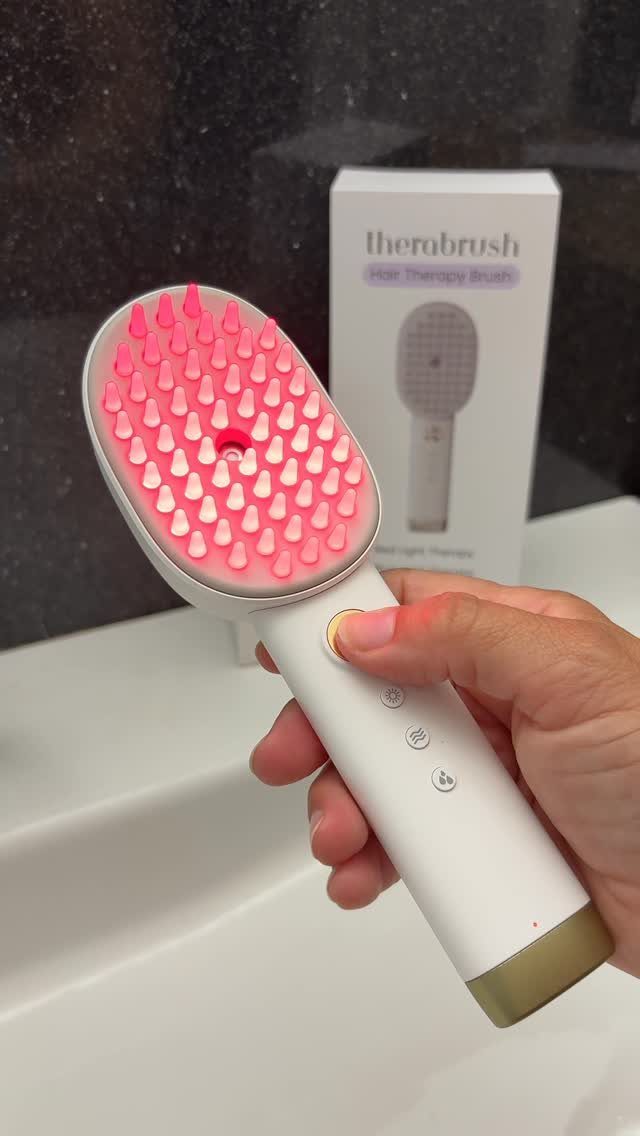
Red-light devices deliver low-level light therapy to the scalp, stimulating hair follicles and encouraging growth. Clinical studies show consistent use over several months can improve hair density in people with androgenetic alopecia.
The brush format makes it easy to target thinning areas. Most devices come with a timer built in, but you’ll want to use them a few times a week rather than daily.
Results take time. Give it a few months of consistent use before you pull the plug, and if you’re treating a scalp condition, run it past a dermatologist first.
3. Satin Bonnet

The slippery surface lets your hair glide instead of catching and pulling, so you wake up with fewer tangles and less breakage. Cotton pillowcases absorb moisture and create drag, satin glides.
A bonnet keeps longer hair contained and works especially well for textured or fragile hair that’s prone to tangling. If bonnets slip off at night, a satin pillowcase gives you the same benefit with no effort.
You’ll notice the difference straight away: hair that’s smoother and easier to manage in the morning, and over weeks it stays stronger because you’re not snapping it against cotton all night.
4. Heatless Curling Ribbons
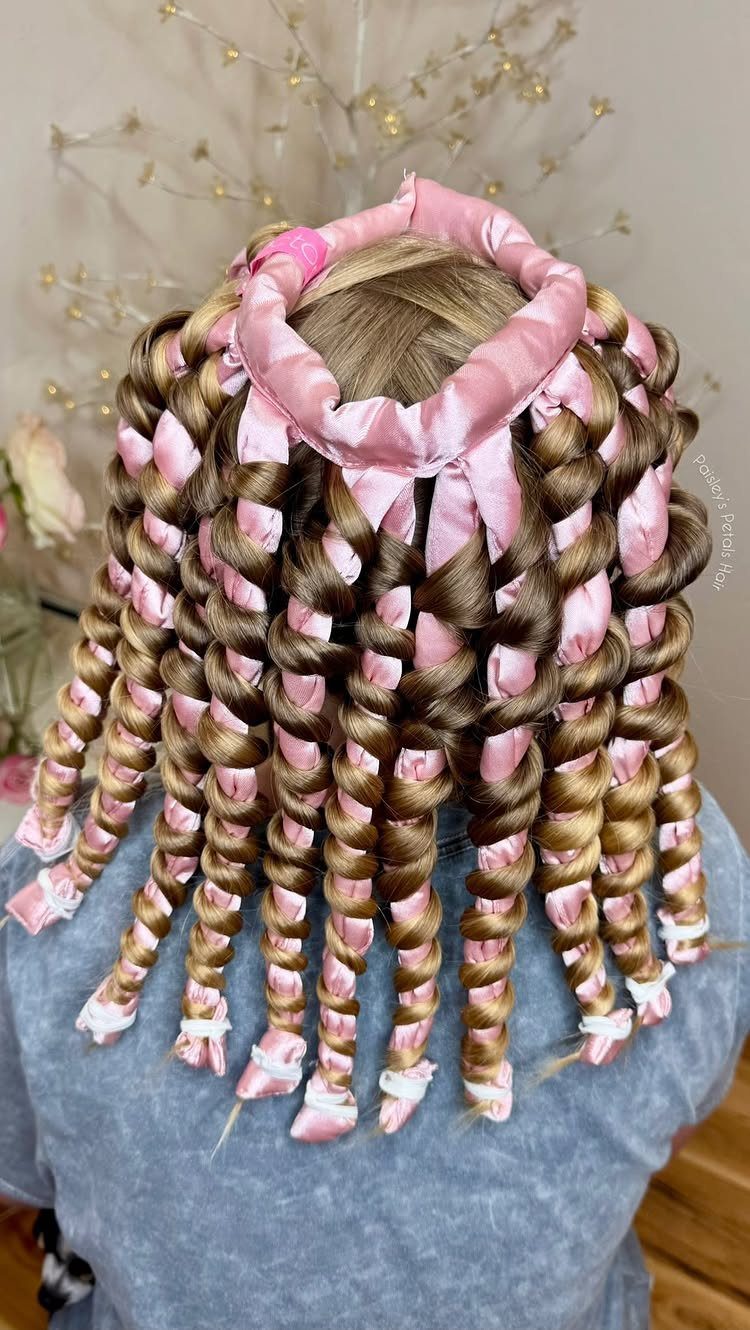
Heatless curling ribbons let you wake up with volume and movement without touching a hot tool. You wrap damp or dry hair around the satin ribbon, secure it, sleep in it, and unwrap soft curls in the morning.
The technique works on most lengths past shoulder, and because there’s no heat, there’s no damage. Hair that’s been weakened by bleach or breakage gets a style without further stress.
They need time to set, which is why most people put them in before bed and sleep in them. The curls relax into waves by midday, but the root lift stays.
Identify the Cause of Thinning
Fine hair means each strand is narrow from birth; thinning means you’re losing density you once had. The difference matters because they need different fixes.
Androgenetic alopecia is genetic sensitivity to normal hormone levels, shrinking follicles over time.
Telogen effluvium is reactive shedding triggered by stress, hormonal shifts, iron deficiency, pregnancy, or certain medications. The first changes diameter, the second pushes more hairs into the shedding phase at once.
Breakage looks like thinning but isn’t hair loss at all. Damaged ends snap off, leaving you with less length and a scraggly texture that reads as sparse.
If shedding picked up suddenly or you’re seeing scalp where you didn’t before, see your GP.
They’ll test for deficiencies and rule out anything serious. Treating the underlying cause reverses most reactive loss.
“What TE does cause is a sudden and greater than normal number of hairs to move from the growth to the resting (and then shedding) phase of your hair cycle. It is a reactive hair loss caused by an internal imbalance or shift.”
— Vogue
Set Realistic Growth Expectations
Genetics set the baseline.
If your follicles are naturally fine, no product will double their diameter. What you can do is protect what grows and improve how it looks, which is enough to make a visible difference.
Reducing breakage shows results in weeks because strands stop snapping mid-length.
Hair follicles need at least 3 to 6 months to push out visible length, that’s just how the cycle runs. In research on scalp massage, participants hit the 24-week mark before changes showed up.
Reactive thinning from stress or deficiency is reversible once you address the cause.
Genetic thinning is manageable with medical-grade treatments but won’t vanish entirely. Virtual consultations exist if you want professional guidance without booking an appointment.
Persistence matters more than speed. Most treatments ask for months, not days.
Seek Medical Advice for Loss
Iron levels, thyroid function, autoimmune flares, major stress, pregnancy, surgery and certain prescriptions all trigger loss in more than half of women at some point.
A blood test will catch nutrient gaps and rule out underlying conditions.
If you’re considering minoxidil, finasteride, or platelet-rich plasma treatments, your doctor can walk you through what works for your situation and whether it’s safe with your health history.
Over-styling and the wrong products can stress follicles, but that’s breakage, not medical loss. A dermatologist or trichologist can tell you which one you’re dealing with.
Frequently Asked Questions
How do I increase my hair thickness naturally?
Stop breakage, keep your scalp in good shape, and fix any nutritional gaps your bloodwork actually confirms. Natural methods won’t change the diameter your follicles produce, but preventing damage and supporting growth can make hair look and feel fuller.
What triggers hair growth?
Healthy follicles, adequate nutrition, and a scalp environment free from inflammation or buildup support normal growth cycles. Addressing stress, hormone shifts, iron deficiency, and damage helps keep hair moving through its phases without interruption.
Can thin hair become thick again in females?
If stress, deficiency, or damage triggered the loss, treating what caused it lets hair recover. Genetic thinning responds to medical-grade treatments but won’t fully reverse, though you can manage it and improve density over time.
What causes hair thinning in women?
Androgenetic alopecia happens when follicles are genetically sensitive to hormones you already have, and over time those follicles shrink.
Telogen effluvium is a shedding response to stress, low iron, pregnancy, surgery, or certain medications, while heat and chemical damage can snap strands partway down and look like thinning even though the follicle itself is fine.
Can shampoo and conditioner really make my hair look thicker?
Yes.
Volumizing products work by wrapping each strand in light proteins or polymers that add diameter and lift without actually changing how many hairs you grow. Condition mid-length to ends only so you don’t flatten the roots.
Should I avoid conditioner if I want thicker-looking hair?
No.
Conditioner keeps hair smooth and hydrated, which prevents breakage and tangling. Choose a lightweight or volumizing formula if heavier versions flatten your hair, and apply it only to mid-lengths and ends.
What products can help boost volume at home?
Volumizing shampoo and conditioner, root-lifting sprays, and lightweight mousse coat strands to add body and lift. Apply volumizing products at the roots and save heavier treatments for mid-lengths and ends.
Can changing my part make my hair look thicker?
Yes. Hair that sits in the same part for months flattens along that line, and shifting it to a new position lifts roots and creates the impression of more volume.
Should I take supplements to get thicker hair?
Only if testing shows a deficiency.
Iron, vitamin D, and B12 matter for follicle health, but taking them without a confirmed gap won’t thicken hair. A blood test will tell you what you need.





