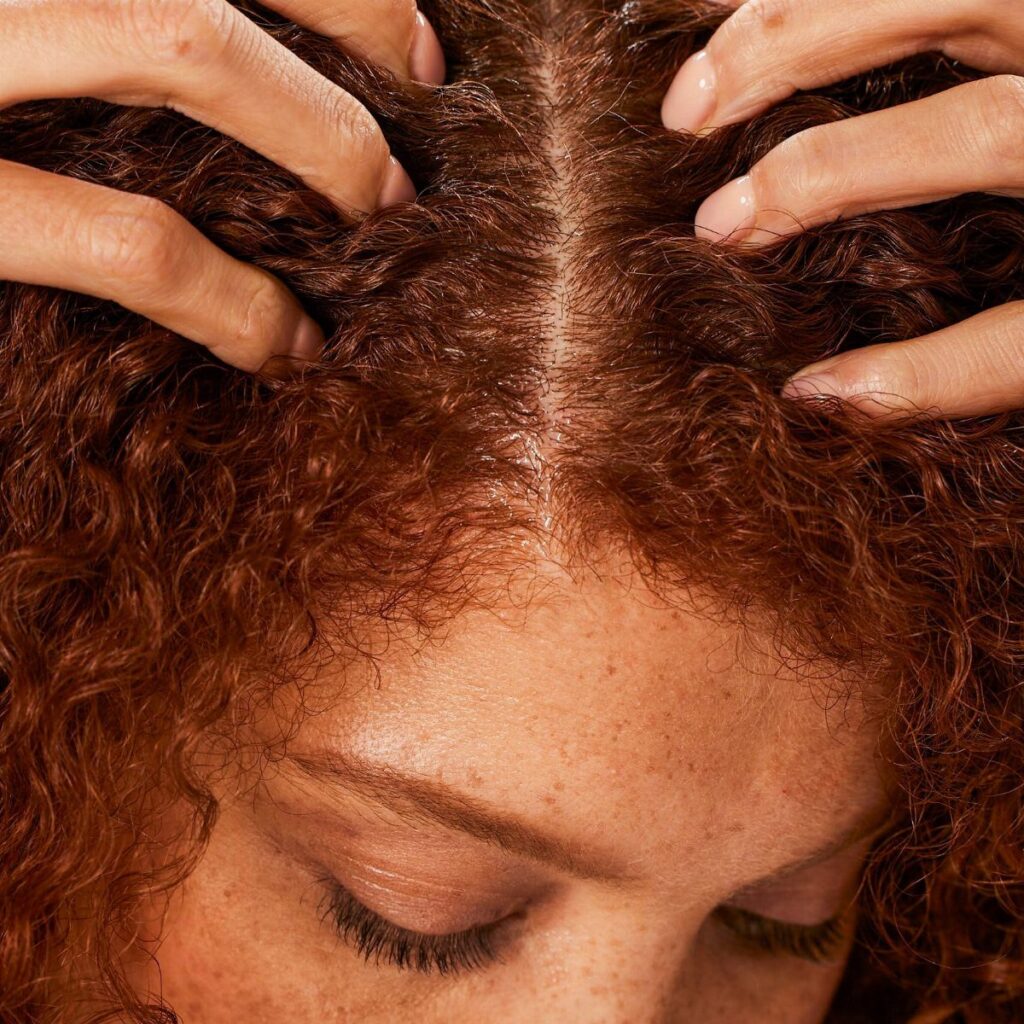
Most follicles stay in the growing phase for 3 to 5 years, which is why a strand can reach waist length before it sheds.
Whether you need a dermatologist or just a better routine depends on the pattern: sudden clumps in the shower versus breakage you can prevent at home.
If clumps are coming out suddenly or you see bald patches forming, that’s when you book the dermatologist to rule out something medical.
1. Scalp Massage
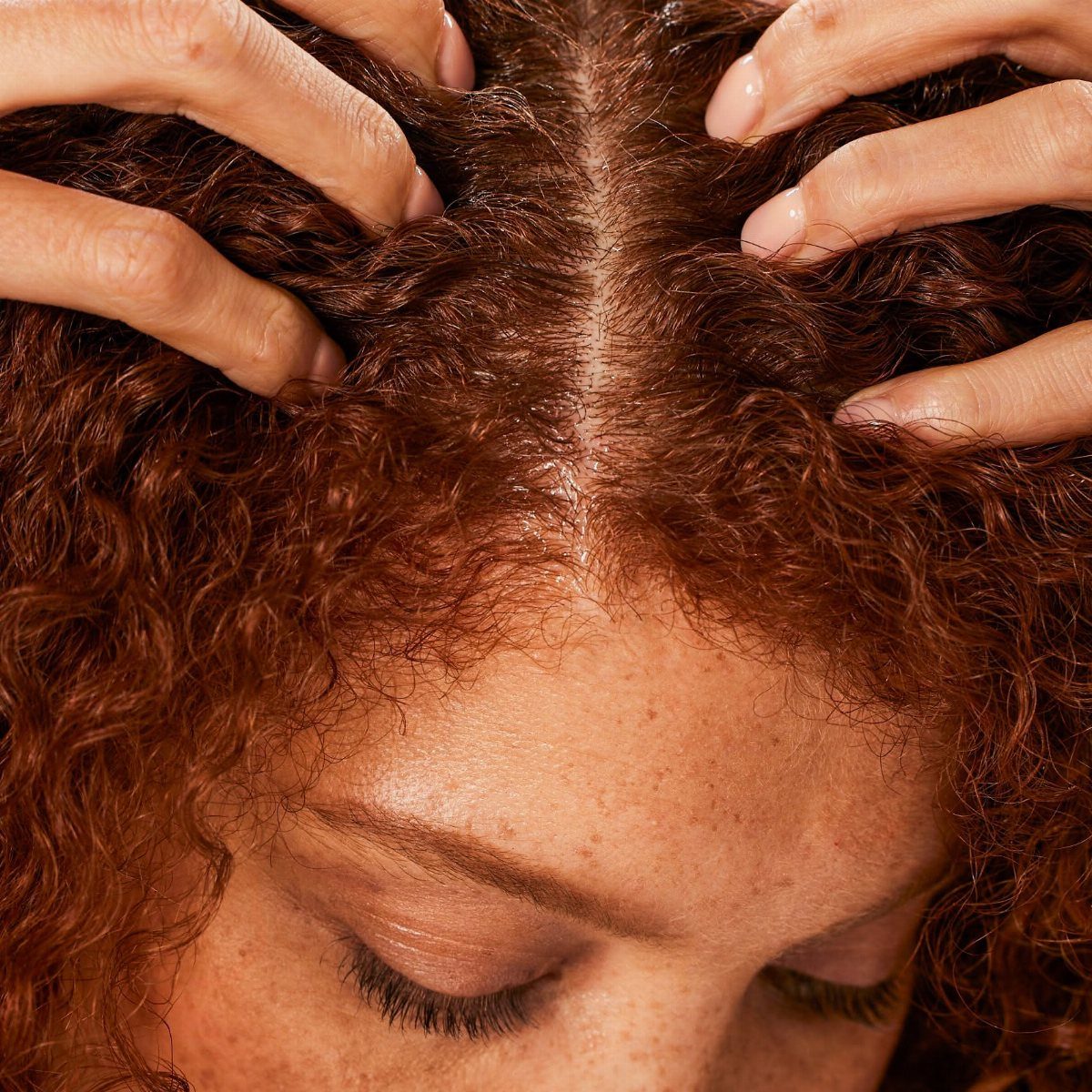
Press your fingertips into your scalp and move them in small circles, working from your hairline back to the crown and down the sides. The pressure brings more blood to the follicles, which can encourage stronger growth.
I work it in during shampooing or right before sleep, covering the whole scalp. It feels relaxing, costs nothing, and fits into routines you already have.
2. Gentle Brushing with Curly Hair
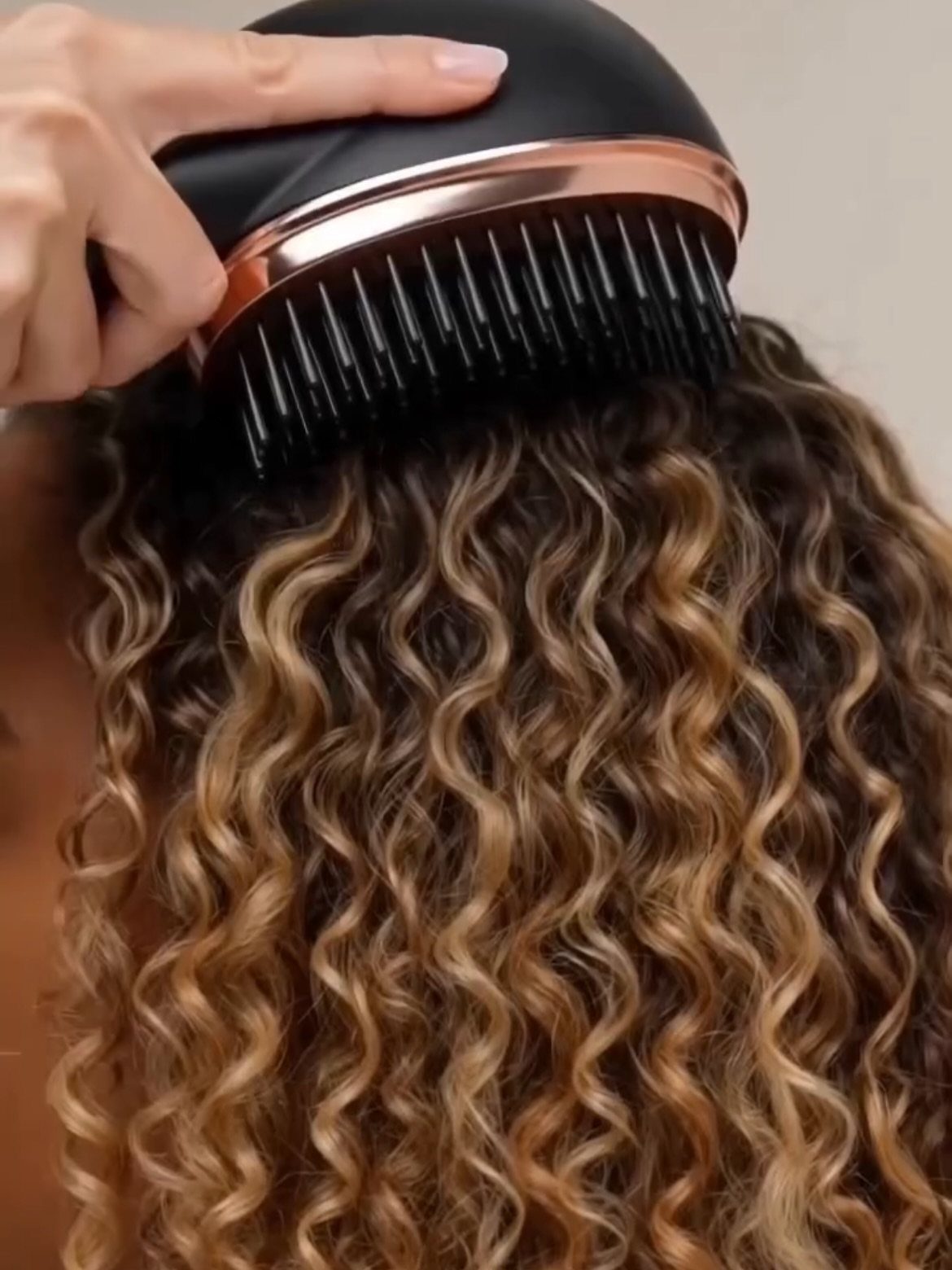
Curly hair tangles easily, and yanking through knots breaks strands before they reach any real length. A gentle brush with flexible bristles or a wide-tooth comb works through curls without snapping them.
I brush mine only when it’s damp with conditioner in it, which gives the most slip and the least damage.
3. Red Light Therapy Helmets
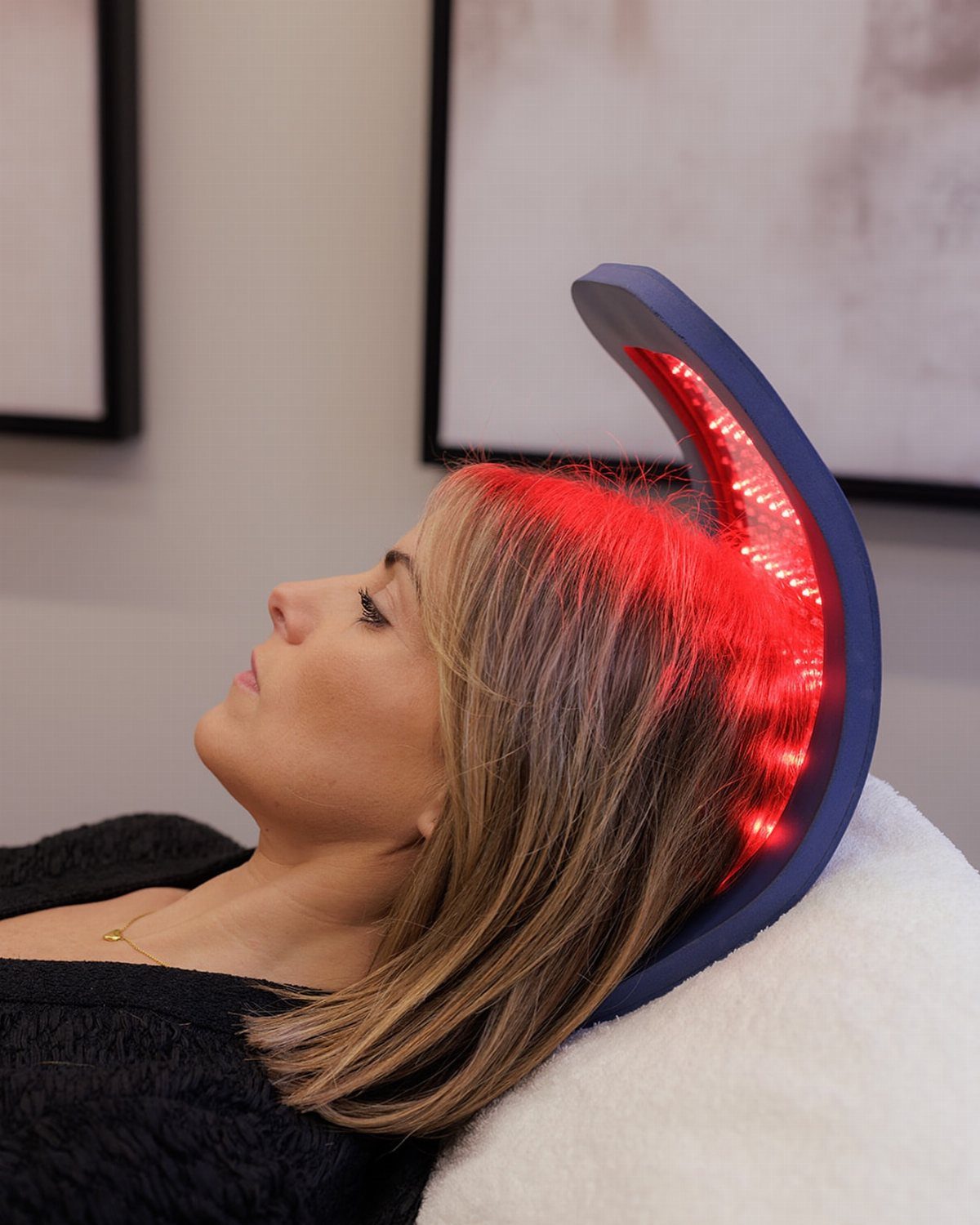
These helmets deliver low-level red or near-infrared light directly to the scalp, and clinical studies suggest the wavelengths can improve follicle activity and increase hair density over several months of consistent use.
Most helmets ask for short sessions on a regular schedule.
The helmets are hands-free, so I wear mine while reading or working at my desk. They’re an investment, but for someone dealing with thinning hair who wants a treatment backed by research, they’re worth considering.
4. Balanced Diet with Leafy Greens

Hair is made of protein, and the follicles need vitamins and minerals to keep producing it.
Leafy greens like spinach, kale and chard supply iron, folate and vitamins A and C, all of which support a healthy scalp and strong strands.
I add a handful to smoothies, grain bowls or scrambled eggs. Pair them with a protein source and some healthy fat, like the chickpeas and avocado visible here, and you’re feeding your hair from the inside.
Identify the Cause of Loss
A primary care clinician or dermatologist can assess whether the loss relates to genetics, hormones, nutrition, stress, illness, medication, childbirth, or an autoimmune condition. Androgenic alopecia, also called pattern balding, is the most common cause and runs in families.
Physical or psychological stress can trigger shedding, as can some antidepressants and hairstyling that pulls on the hair. Ringworm, lichen planopilaris and alopecia areata can all trigger sudden shedding.
A dermatologist who treats hair disorders full-time will know every medical option, including the ones most GPs don’t prescribe often.
Hair Growth Takes Time
Hair grows about half an inch per month, or around 6 inches per year. Each strand spends 3 to 5 years in the anagen phase, where most growth happens.
After that, it moves into a transitional phase that lasts about 10 days, then enters the telogen phase where the strand is released and falls out. The cycle repeats.
Hair type, daily routine, and genetics all affect how much length you can reach.
There’s no quick fix or routine that will speed up natural growth beyond what your biology allows. If you’re trying to gain length, the timeline is measured in months and years, not weeks.
Hair grows asynchronously, so different strands can be in different growth phases. According to board-certified dermatologist Dr Elyse Love, at any given time, approximately 85% to 90% of hairs are in the anagen phase, 10% to 15% are in the telogen phase, and 1% are in the catagen phase.
Hair Loss Treatment Cautions
Minoxidil, sold over the counter as a foam or prescribed as a tablet, can restart growth in both men and women.
The topical version is sold over the counter. The oral version works faster for chronic diffuse thinning that hasn’t responded to foam, but it needs monitoring because it was originally a blood pressure drug.
Results require ongoing use. Spironolactone and finasteride are both prescription-only and target pattern thinning.
Supplements are not proven to help most people unless blood work shows a deficiency. Minoxidil is toxic to cats and dogs, so store it where they can’t reach it and let the foam dry completely before you touch them.
Frequently Asked Questions
Does anything actually stimulate hair growth?
Scalp massage, red light therapy helmets, and medical treatments like minoxidil can all support growth, though results vary by person and cause.
Massage increases blood flow to follicles, red light has clinical backing for improving density, and minoxidil restarts growth in pattern thinning.
What vitamin are you lacking if your hair is thinning?
Low iron and vitamin D are the usual deficiency suspects when women notice thinning, and low zinc has also been tied to shedding.
Blood work can confirm whether you’re low in any of these before you start supplementing. If your levels are normal, taking extra vitamins won’t help your hair grow faster.
Can thin hair become thick again in females?
Sometimes, depending on what caused it. Thinning from stress, illness, or nutritional deficiency often improves once the trigger is resolved, and medical treatments can restart growth in pattern thinning.
Thick hair can return if you address the cause, though it takes months of consistent treatment, better nutrition, and handling it more gently.
Can female hair loss grow back?
Hair can regrow naturally if the loss relates to stress, deficiency, or a condition that responds to treatment.
Genetic pattern thinning usually needs medical intervention like minoxidil or spironolactone to see regrowth. Severity, cause, and how quickly you address it all affect whether hair comes back.
Are there ways to make hair grow faster?
No treatment speeds up the natural growth rate, which runs about 6 inches per year.
Protecting hair from breakage and addressing underlying causes of loss can help you keep the length you grow. Good nutrition, gentle styling, and trimming split ends all support retention, but they won’t change how fast your follicles produce hair.
What are effective treatments for female hair growth?
Topical or oral minoxidil works for pattern thinning, spironolactone targets hormone-related loss, and PRP injections can support stubborn cases.
Nutritional changes help when blood work shows a deficiency, and hair transplant surgery is an option for permanent restoration. A dermatologist who focuses on hair can build a plan around what’s actually causing the loss.
Can foods affect hair growth?
Nutrition supports the follicles that produce hair, and deficiencies can lead to shedding or brittle strands. A balanced diet with whole grains, lean protein, and healthy fats protects hair from the inside.
What is the process of hair growth?
Hair cycles through a growth phase that lasts 3 to 5 years, a short transition phase of about 10 days, and a resting phase where the strand falls out after roughly 3 months.
Each follicle works independently, so different hairs sit in different phases at any given time. Once a strand sheds, the follicle starts the cycle again.
What determines hair length?
Length depends mainly on how long your hair stays in the growth phase and whether it breaks before it reaches full potential.
Genetics set the duration of that phase, though hormones, nutrition, and stress can shorten it. Heat styling, harsh chemicals, and physical damage all cause breakage that limits how long hair can grow.
Are there treatments for severe hair loss?
Treatment hinges on what’s behind the loss, whether it’s genetic, autoimmune, stress-related, or something else a dermatologist will identify.
Corticosteroid injections can help with alopecia areata, while hormone regulation or minoxidil may work for pattern loss. Telogen effluvium, triggered by stress or illness, often resolves on its own within 4 to 6 months once the trigger is gone.
Can I regrow hair naturally?
If the loss ties back to stress, a deficiency, or damage you can undo, natural regrowth is within reach.
Scalp massage, a nutrient-dense diet, and gentle styling all support healthy follicles, but genetic pattern thinning usually needs medical treatment to see real improvement. What returns depends on the cause, how far it’s progressed, and how soon you act.