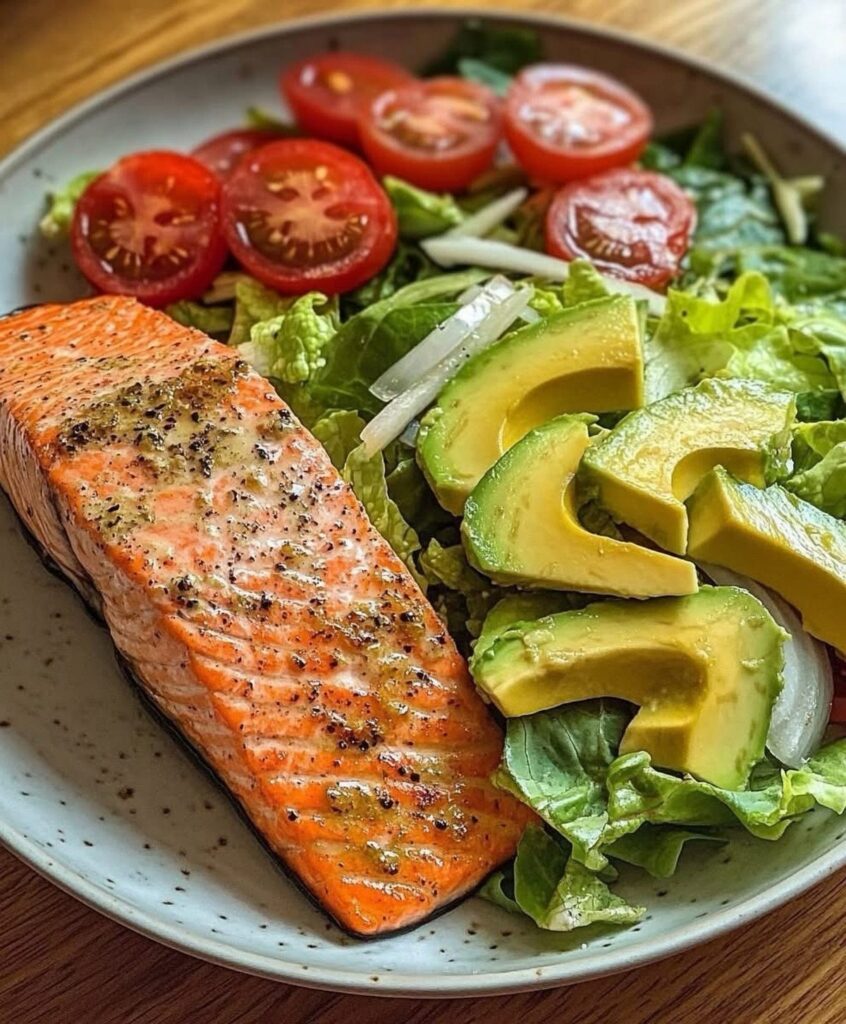
Salmon, lentils, and sea vegetables each bring different nutrients that support follicle function, and which one helps most depends on what you’re already eating.
1. Salmon and Fatty Fish
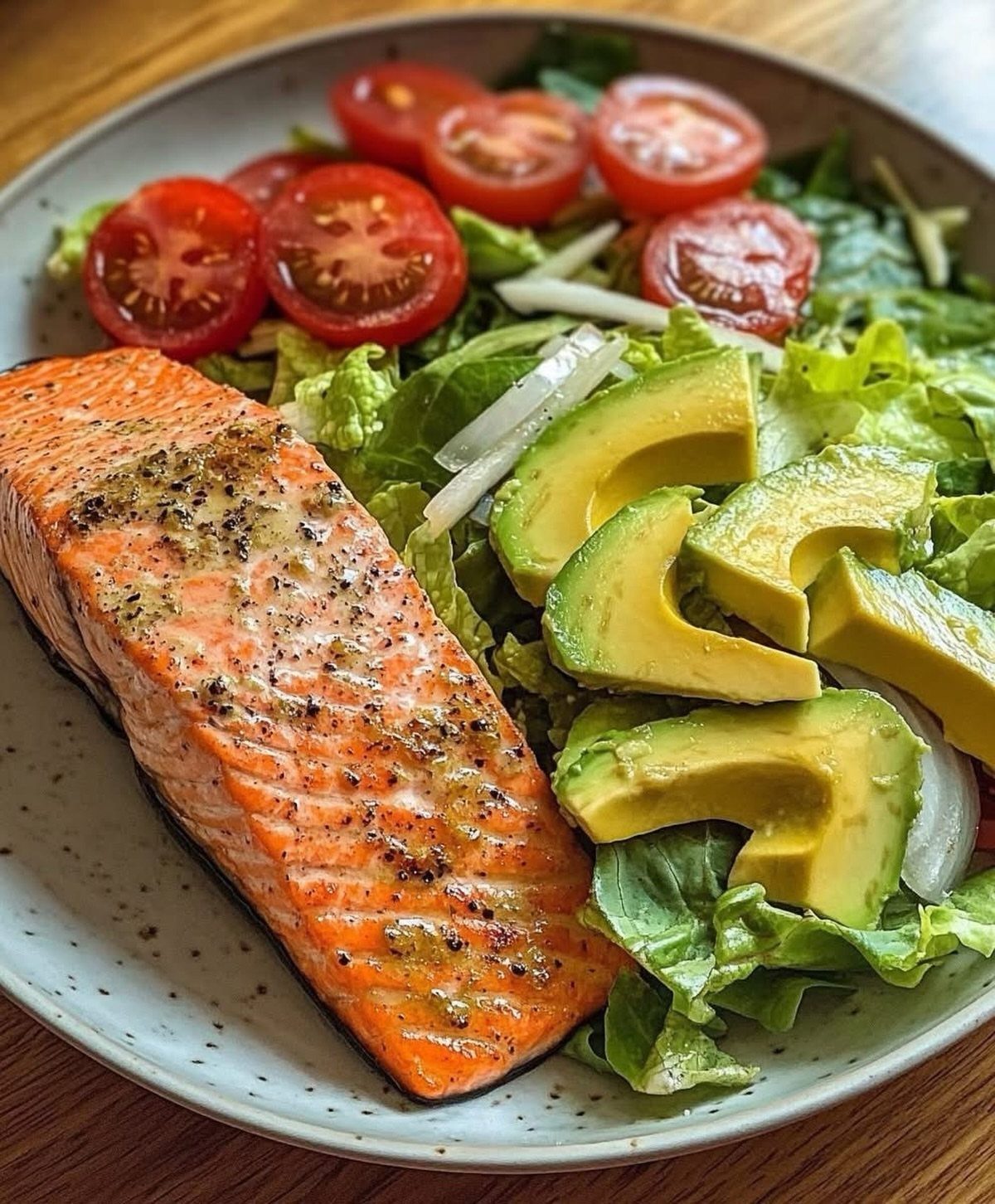
Salmon, mackerel, and sardines deliver omega-3 fatty acids that keep the scalp hydrated and may reduce inflammation around hair follicles. Each portion gives you protein for strand structure, plus vitamin D and selenium.
I like salmon for how easy it is to prepare: season a fillet, roast until it flakes easily, and serve with greens and avocado.
Canned sardines work if fresh fish feels like too much effort. Twice a week is enough to see the benefit without overspending.
2. Beans and Lentils
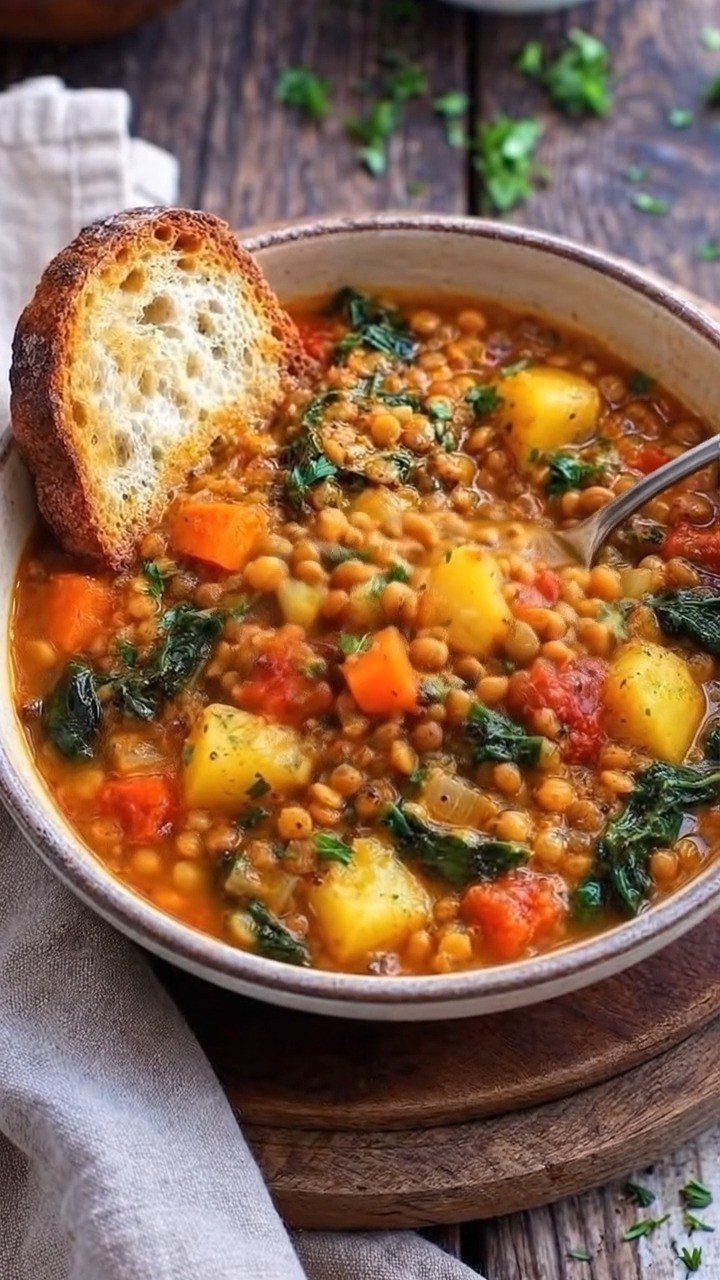
Lentils, black beans, and chickpeas give you plant-based protein and iron without meat, plus zinc for follicle repair. A cup of cooked lentils has protein and nearly half your daily iron.
Simmer lentils with garlic, carrots, and potatoes for 35–40 minutes until tender, then serve with crusty bread.
I make a big batch on Sunday and eat it through the week. If you don’t eat meat or your iron runs low, legumes several times a week help close the gap.
3. Sea Vegetables
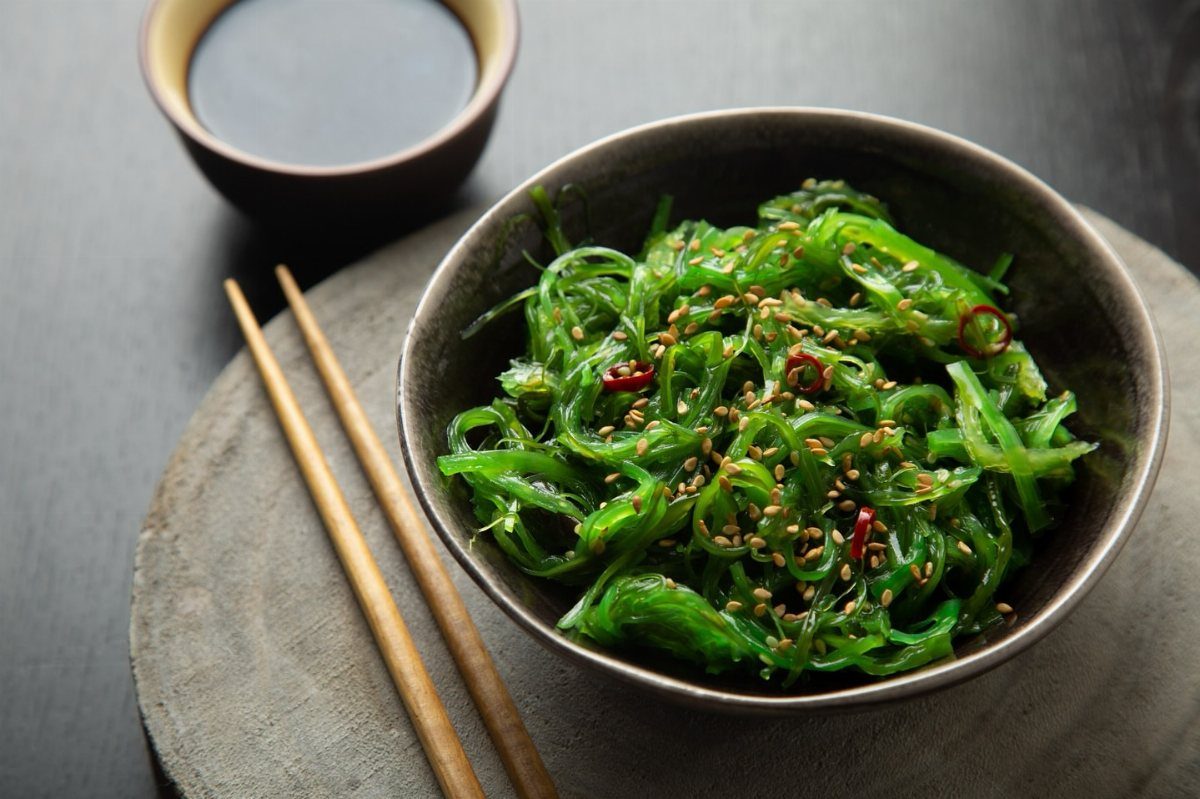
Wakame, nori, and kelp provide iodine, which supports thyroid function and, in turn, the health of hair follicles. A small serving covers your iodine need for the day.
Seaweed salad with sesame seeds and a dash of chili makes an easy side, or you can add dried wakame to soup and let it rehydrate in the broth.
I keep nori sheets around for snacking. If you already take a multivitamin with iodine, check the label before adding sea vegetables daily.
Hair Loss Has Multiple Causes
Diet supports follicle health when the problem is nutritional, but it won’t fix every type of hair loss.
Androgenetic alopecia runs on genes, and no amount of salmon will override that. Hormonal shifts after pregnancy or during menopause change growth cycles in ways food can’t reverse, and autoimmune conditions like alopecia areata need medical treatment.
If you’ve changed what you eat and shedding continues, see a dermatologist or a certified trichologist.
They can check for thyroid issues, scalp inflammation, or deficiencies that need more than dietary changes. Stress-related shedding sometimes resolves on its own once the trigger passes, but chronic patterns need a proper diagnosis.
I improved my diet and still needed professional help when my hair fell out after a stressful period, and I’m glad I went.
Diet Results Take Time
The average strand adds half an inch a month, which means any dietary shift needs at least 8 to 12 weeks before you’ll see it reflected in new growth.
If you’re correcting a deficiency, you may see less shedding in 2 to 3 months, with fuller regrowth showing closer to 6 months. The follicle has to move through its cycle before new growth becomes noticeable at the scalp.
Consistency matters more than perfection. Eating salmon once won’t change anything, but twice a week for months will.
I keep lentils cooked and ready so I actually eat them instead of meaning to. Track how your hair feels and how much comes out in the shower rather than measuring length every few days.
When pattern baldness or an autoimmune condition is the driver, food can support the hair you have but rarely reverses the loss on its own; that’s where prescription treatments or procedures come in.
After 24 weeks, the nine participants had thicker hair than at the start of the study.
Frequently Asked Questions
Why is salmon good for hair?
Salmon supplies omega-3 fatty acids that hydrate the scalp and may reduce inflammation around follicles, plus protein for strand structure and vitamin D. Two servings a week is enough to deliver the benefit without spending too much.
Can food really help hair growth faster?
Food provides the protein, vitamins, and minerals follicles need to produce stronger, thicker strands. Hair is made of keratin, and your body can’t synthesize it without the right raw materials from what you eat.
Which nutrient is most important for hair growth?
Hair is made from keratin, so protein sits at the top. Without enough protein in your diet, strands become weak and thin, and growth slows.
Can lack of vitamins cause hair fall?
When iron, vitamin D, B12 or biotin drop too low, strands thin and shed. Hair sits low on the list of what your body feeds first.
How long does it take to see results from a healthy diet?
You’ll need 8 to 12 weeks before dietary changes show up in new growth, since strands add only half an inch a month.
Does drinking more water help hair growth?
Enough water keeps your scalp in better shape and stops strands going brittle.
Can junk food cause hair loss?
Too much junk food crowds out nutrient-dense options, which can weaken hair over time. Sugar and fried foods may also trigger inflammation or clog follicles.
Are supplements better than food for hair growth?
Whole foods are better because they deliver nutrients in the combinations your body recognizes. A supplement works when a test confirms you’re low on something, not as a guess.
Can a crash diet cause hair loss?
Sudden weight loss or restrictive dieting can trigger temporary shedding because your body redirects resources away from hair growth. Shedding often continues for months even after you resume eating normally.
Is diet alone enough to stop hair loss?
Not always.
Androgenetic alopecia, hormonal shifts, and autoimmune conditions need medical treatment, and no amount of dietary change will reverse them on its own. Food supports the hair you have when the cause is nutritional.





