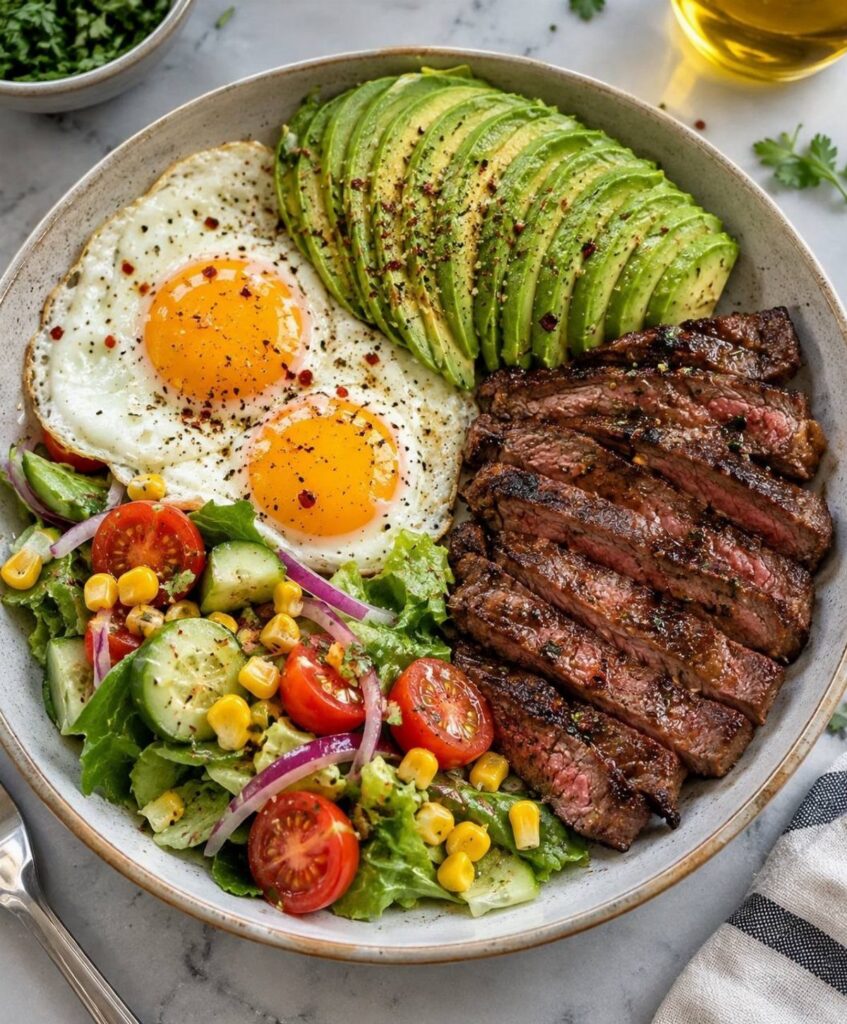
The foods that support hair growth range from fatty fish supplying omega-3s to red meat delivering heme iron, the form your body absorbs most readily.
If thinning or breakage showed up around the time your diet got more restrictive, salmon and red meat can rebuild what a low-protein or low-iron plan may have taken away from the follicle.
Aim for at least 50 grams of protein daily, spread across meals, alongside sources of zinc, biotin, and vitamins A, D, and E so nothing runs short.
1. Avocados
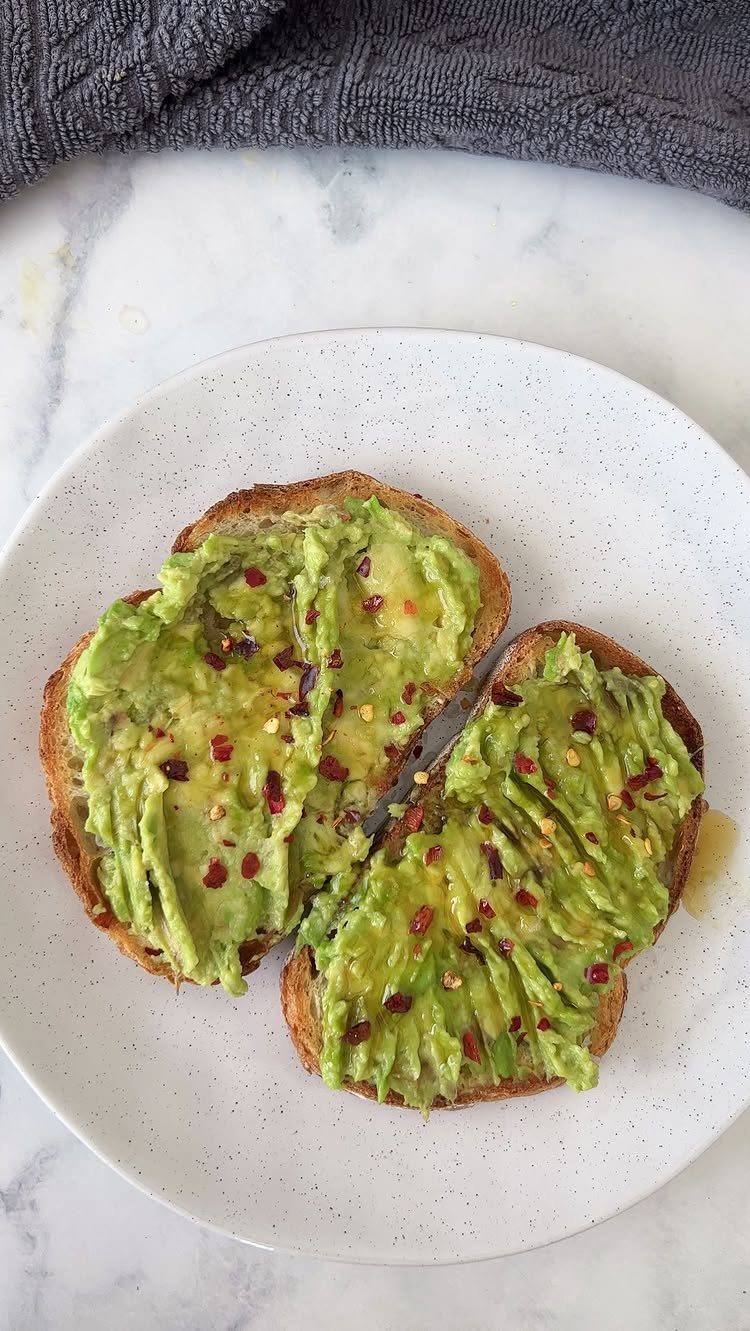
Avocados deliver vitamin E, which protects hair follicles from oxidative stress, and healthy fats that help your body absorb fat-soluble vitamins.
Half an avocado a few times a week gives you a decent dose without making every meal look like brunch.
If you find them bland on their own, a squeeze of lemon and flaky salt make a difference.
2. Salmon and Fatty Fish
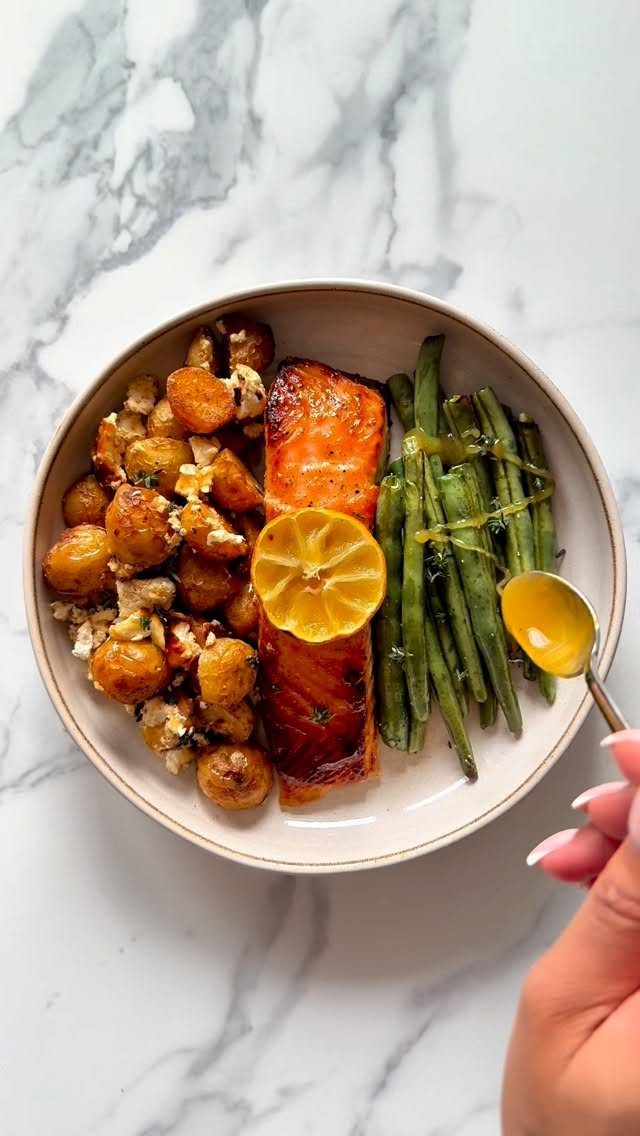
Salmon supplies omega-3 fatty acids, which reduce inflammation around hair follicles, plus protein for building new strands. Mackerel and sardines deliver the same omega-3 punch.
I roast miniature new potatoes halved and cut side down at 200 C for 40–45 minutes with olive oil, salt, pepper and paprika until they’re golden and soft, then serve them alongside a pan-seared fillet and green beans.
The whole plate takes under an hour.
Aim for 2 servings of fatty fish a week if you can.
3. Red Meat
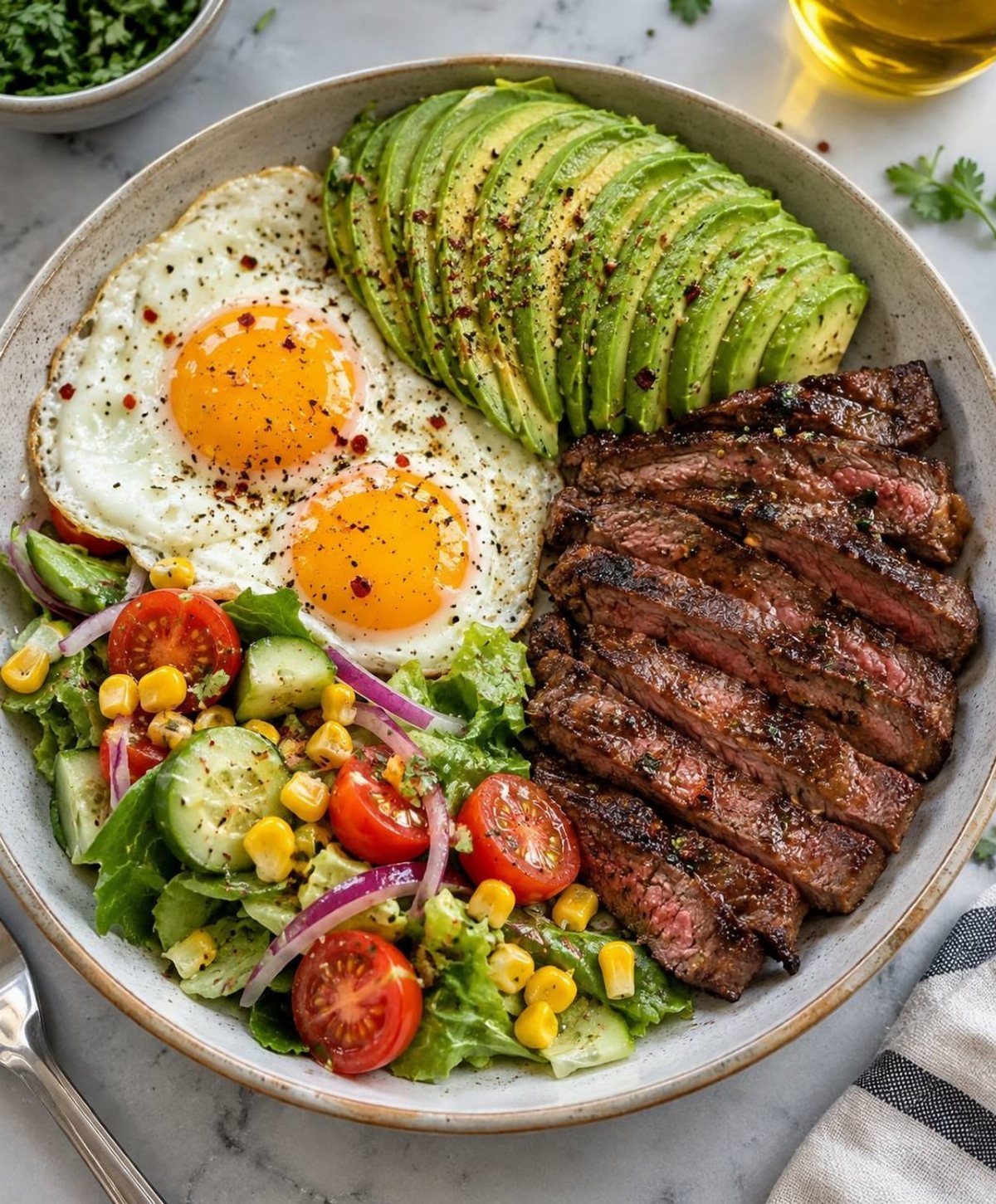
Red meat supplies heme iron, the type your body absorbs most readily, and that iron carries oxygen straight to the follicle. You also get all the amino acids needed to build keratin.
Sliced steak over fried eggs and avocado makes a high-protein breakfast or lunch that keeps me full for hours. The combination covers protein, healthy fats and iron in one bowl.
If you don’t eat red meat, pair plant-based iron sources with vitamin C to improve absorption.
4. Cashews and Nuts
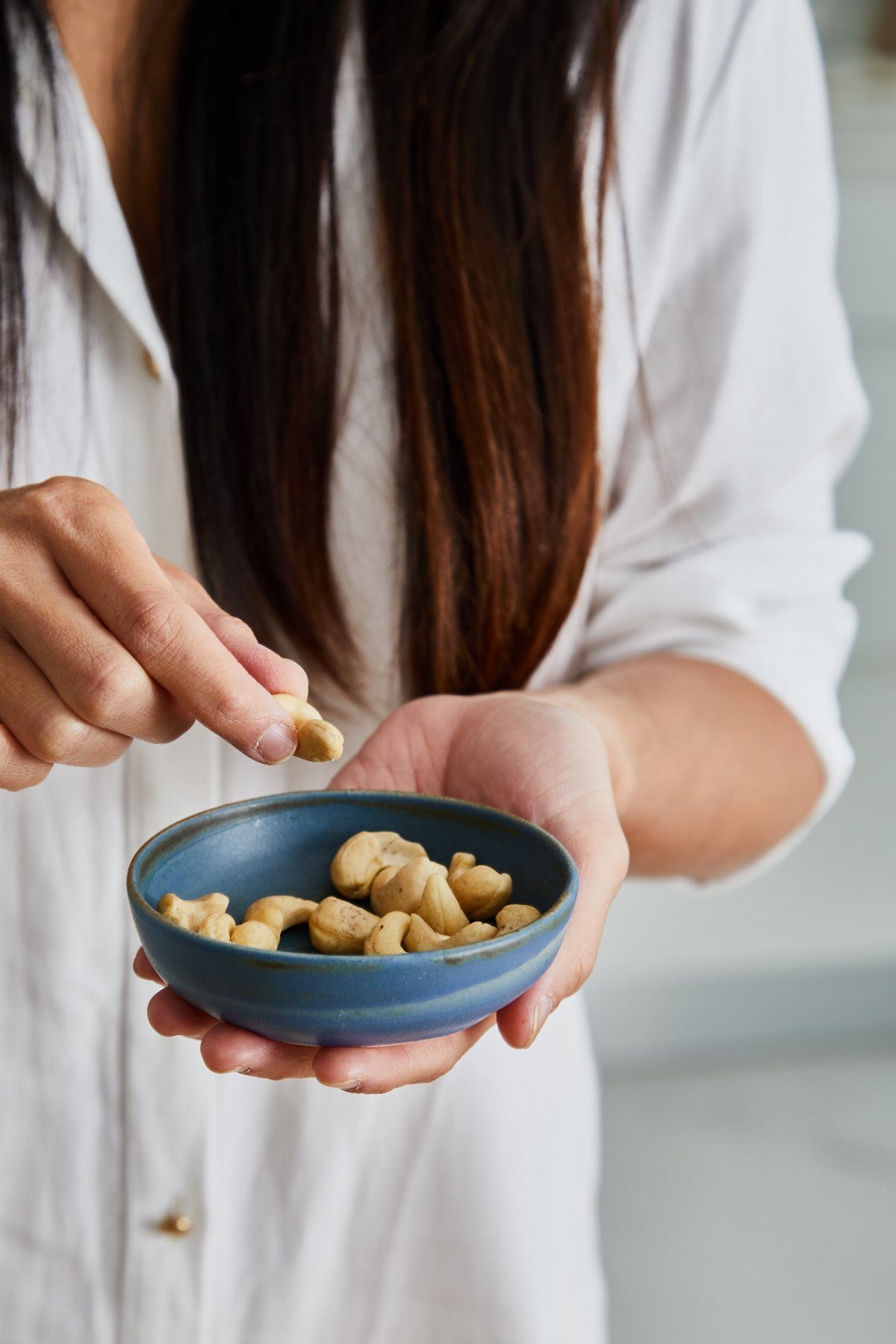
Cashews bring zinc to keep the oil glands around each follicle working, plus copper that helps hold onto natural color. A handful between meals is an easy way to snack on them.
Other nuts like almonds and walnuts offer similar benefits with different nutrient profiles, so rotating through a few types covers more ground. I keep a small bowl on my desk.
Raw or roasted both work; just watch the salt if you’re buying them pre-seasoned.
Nutrient Deficiencies and Shedding
Inadequate protein, low iron, vitamin D, zinc, or omega-3s can each show up as thinning, breakage, or increased shedding.
Iron deficiency in particular reduces oxygen supply to the follicle, leaving strands thin and brittle, while low vitamin D has been linked to alopecia.
Restrictive dieting cuts the resources your body needs for growth, and because hair sits lower on the priority list than most other functions, it halts quickly under that kind of stress.
Even after you resume eating normally, shedding can continue for months.
Sudden weight loss may trigger telogen effluvium, a temporary but widespread shedding that can follow a sharp drop in calories or specific deficiencies like niacin.
If you notice a lot more hair coming out than usual, see your doctor to rule out underlying causes before adjusting your diet.
Varied Balanced Diet
No single food covers everything your hair needs. A varied diet with adequate protein and a range of vitamins and minerals gives follicles a better chance of functioning normally.
Aim for at least 50 grams of protein daily, spread across meals, to supply the amino acids that build keratin. Pair that with sources of iron, zinc, omega-3s, biotin, and vitamins A, D, and E so nothing runs short.
Rotating through different proteins, fats, and vegetables makes it easier to hit those bases without tracking every nutrient.
If your diet is limited by choice or restriction, consider where the gaps might be and whether a supplement or adjusted meal plan would help.
In another study, German researchers found differences in the protein composition of the hair in people who were vegetarians and those who consumed meat. Women need about 46 grams of protein per day, while men need about 56 grams.
— TODAY
Frequently Asked Questions
What oils promote hair growth?
Pumpkin seed oil applied topically has been shown to increase regrowth in women with pattern baldness after 3 months, though more research is needed.
Other oils like coconut, castor, and argan are used to nourish the scalp and hair, but evidence for growth is limited. Regular scalp massage with or without oil improves circulation, which may support follicle health.
Can eating the right food really stop me from going bald?
When hair loss stems from nutritional gaps, filling them can make a measurable difference.
It will not reliably reverse male-pattern baldness, which usually requires medication like finasteride. Fixing your diet can restore hair lost to deficiency, but it has limits against genetic hair loss.
How can I regrow my hair naturally?
If nutrient deficiency caused your hair loss, correcting it through diet may help regrow lost strands.
Male-pattern baldness rarely responds to diet changes alone and typically needs prescription treatment. Eating enough protein, iron, zinc, omega-3s, and vitamins A, D, and E addresses deficiency but has limits against genetic hair loss.
What is good for hair growth and thickness?
Protein from salmon, eggs, or red meat builds keratin, while iron carries oxygen to follicles and zinc keeps oil glands working.
Omega-3s from fatty fish reduce inflammation around follicles, and vitamins A, D, and E protect against oxidative stress. Outside of diet, keeping your scalp hydrated, limiting heat styling, and regular scalp massage to improve circulation all help.
What to eat to stop hair fall immediately?
Shedding takes weeks to slow, not hours, but consistent intake of protein, iron, and omega-3s from eggs, greens, and fish gives follicles the fuel they need over time.
Hair growth cycles take months, so even after you correct a deficiency, shedding can continue for a while. See your doctor if hair loss is sudden or heavy.





