Most of these take 5 minutes or less to mix from ingredients I already have in the kitchen.
The rule is straightforward: if your hair is dry or frizzy, reach for egg yolk, yogurt or oil; if your scalp itches or flakes, fresh aloe will soothe without adding weight.
1. Nourishing Orange Hair Mask
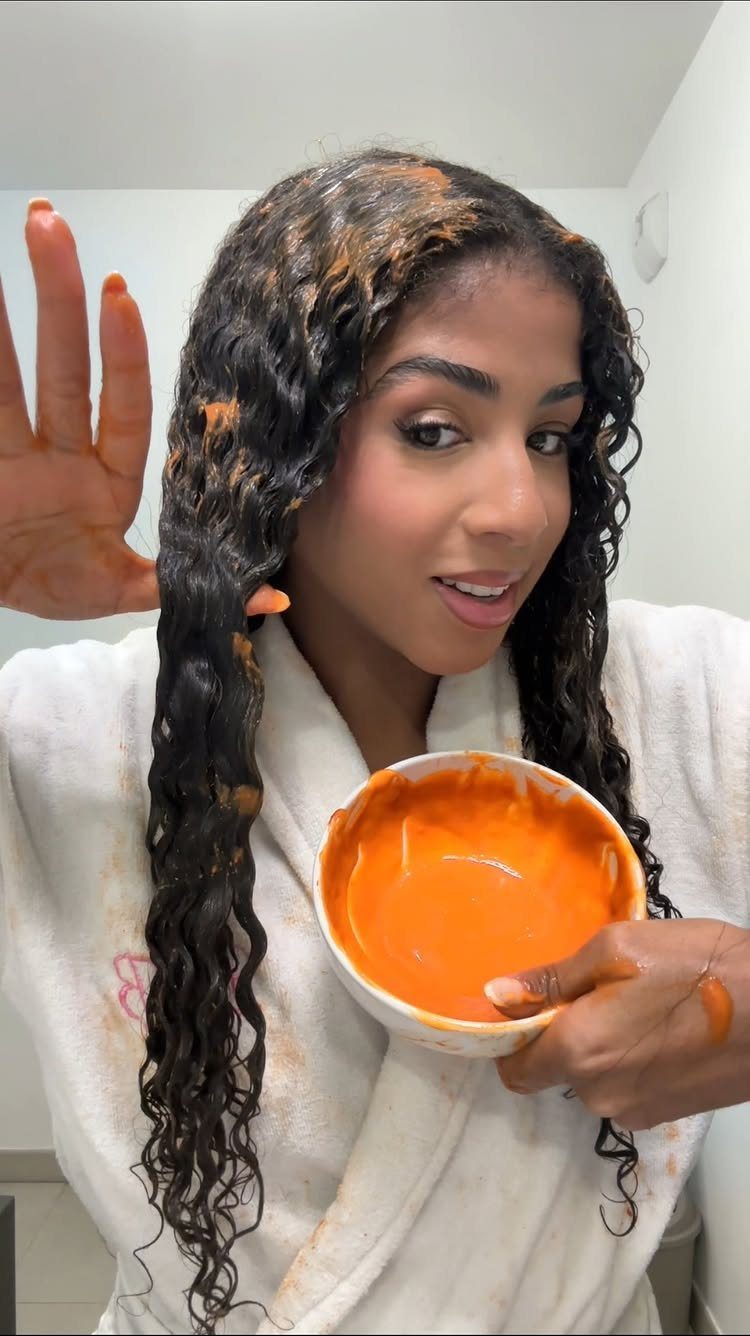
This mask gets its bright color from turmeric or carrot, both of which you can mix with yogurt or coconut oil to coat dry or frizzy hair. The orange pigment may temporarily tint very light hair, so rinse thoroughly.
The yogurt adds protein, the oil softens, and turmeric has anti-inflammatory properties that can soothe an irritated scalp.
2. Translucent Gloss Hair Mask
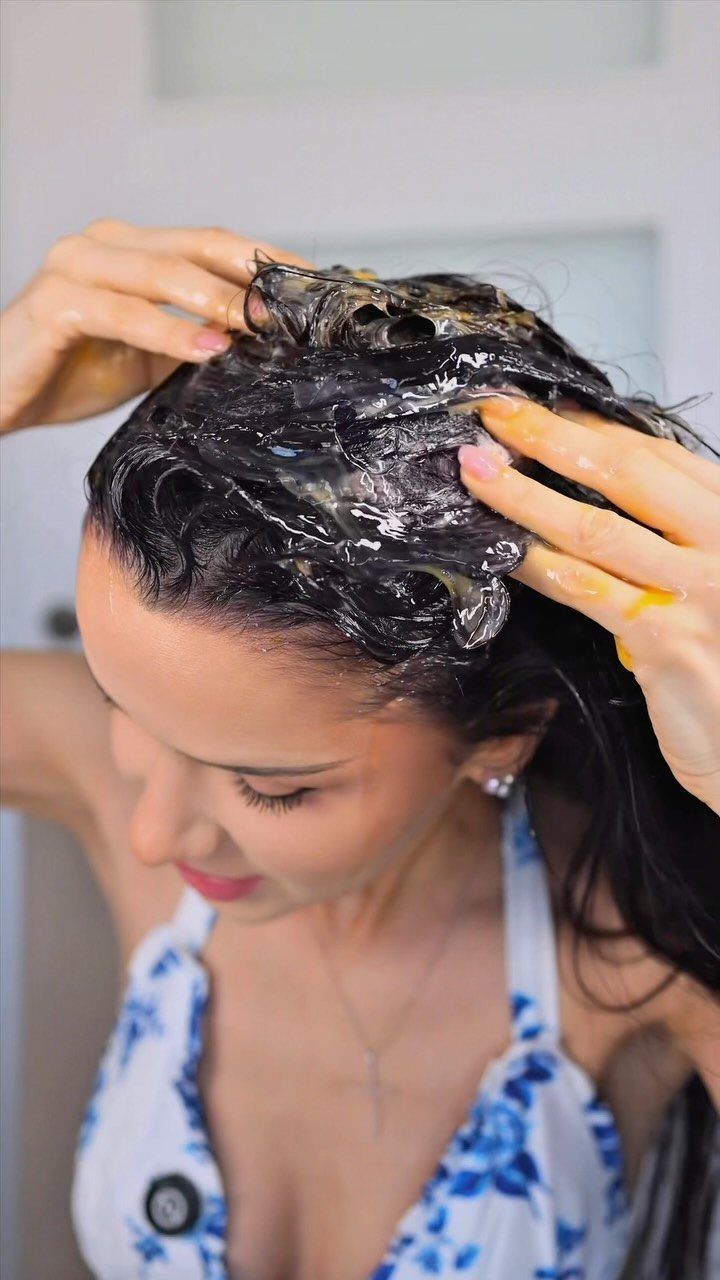
A clear, jelly-like mask made from flaxseed gel or aloe mixed with a few drops of argan or jojoba oil gives hair a glossy finish without weighing it down.
Flaxseed gel is made by boiling the seeds in water until the mixture thickens, then straining.
Spread it through from roots to ends, working it into the scalp if yours is dry or flaking. Leave it on for 20 minutes, rinse with cool water, and your hair will feel smoother and look shinier without any heavy residue.
3. Egg and Yogurt Hair Mask
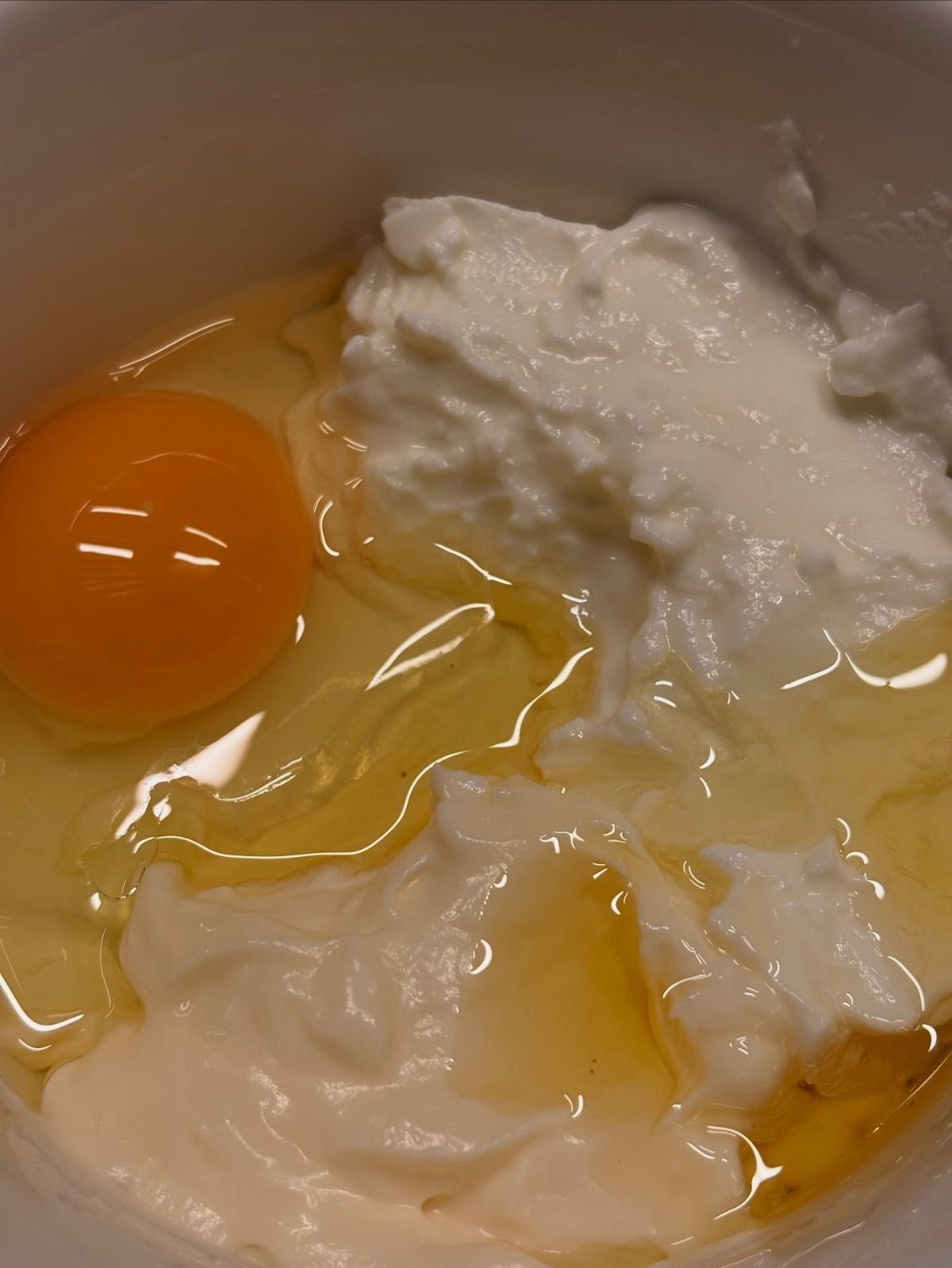
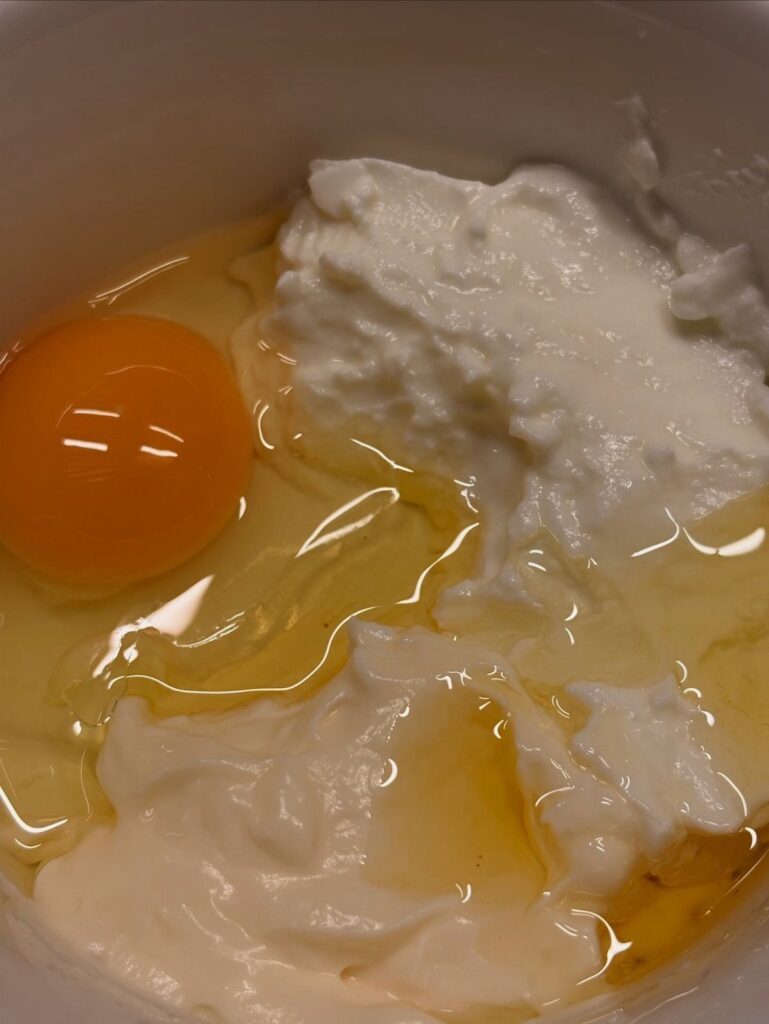
Egg yolk is rich in fats and protein, yogurt adds lactic acid to smooth the cuticle, and together they make a thick, creamy mask for damaged or brittle hair. Whisk 1 whole egg with 3 tablespoons of plain yogurt until smooth.
Apply it to damp hair, focusing on the mid-lengths and ends where breakage usually happens. Your hair will feel stronger and look less scraggly after a few weekly applications.
For extremely dry, frizzy hair, some people consider using a mayonnaise hair mask. While sometimes touted as a lice killer, there’s little evidence that mayonnaise can get rid of head lice.
4. Fresh Aloe Vera Hair Mask
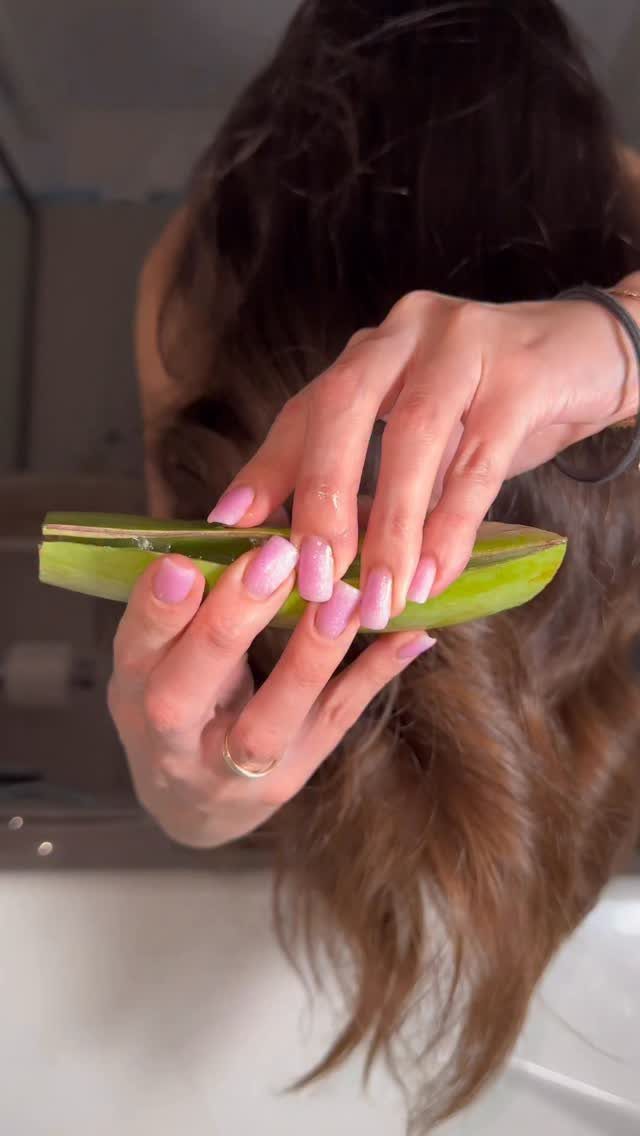
Slicing open a fresh aloe leaf and rubbing the gel directly onto your hair gives you pure aloe without fillers or preservatives. The gel is cooling, slightly slippery, and coats each strand with moisture.
This works especially well for an itchy or flaking scalp. Aloe is lightweight, so it won’t leave fine hair greasy, and the enzymes in fresh gel can help remove buildup from styling products.
Application and Rinse Guidance
Most masks go onto damp hair so they spread more easily and soak in better. Work through in sections if your hair is thick or long, making sure every strand gets coated.
A shower cap or plastic wrap holds in warmth and keeps the mask from drying out while it sits.
Some people wrap a hot towel over the cap for extra heat, which can help ingredients penetrate the cuticle. Leave the mask on for at least 5 minutes, longer if the recipe calls for it.
Rinse with lukewarm water until it runs clear, then shampoo to lift any remaining oils or sticky residue.
Condition afterward if your hair still feels rough or tangled. Pat dry instead of rubbing to avoid snapping fragile strands.
Avoiding Residue and Greasiness
Banana needs to be blended completely smooth or you will spend ages picking tiny pieces out of your hair under the shower. Blend or whisk it smooth so you get a cream that washes out easily.
Oil-based masks can leave hair looking flat and greasy if you use too much or apply it too close to the roots.
Keep heavy oils on the mid-lengths and ends where dryness actually lives, and use a small amount to start. You can always add more.
Shampoo twice if the first wash does not cut through the oil. Warm water helps lift it, and a thorough rinse before you condition will keep your hair from feeling slick or weighed down the next day.
Frequently Asked Questions
What can I use at home to make a hair mask?
Eggs, yogurt, coconut oil, aloe vera, flaxseed gel, turmeric, and carrot all work for homemade masks depending on what your hair needs.
Egg and yogurt add protein for damaged hair, coconut oil softens dry strands, and aloe soothes an irritated scalp. Work them into a paste or gel, smooth through your hair, wait 5 to 20 minutes, then rinse and shampoo.
What is a hair mask?
A hair mask is a thick treatment that sits on your hair longer than conditioner to repair damage, add moisture, or smooth the cuticle.
Most are left on for at least 5 minutes so the ingredients can soak into each strand. You can make one from kitchen ingredients or buy one formulated for your specific problem.
What is a home remedy for extremely dry hair?
Coconut oil on its own works well for very dry hair because its fatty acids sink into the strand and lock in moisture.
Rub a teaspoon or two through damp hair, focusing on the ends, and leave it on for 10 to 20 minutes before rinsing and shampooing. Fine hair takes about a teaspoon, thick hair closer to a tablespoon.
Do I wash my hair before a coconut oil mask?
You don’t need to wash first.
Damp hair spreads the mask more easily, but dry hair works too. Either way, apply the oil or mask to your hair, let it sit, then rinse with lukewarm water and shampoo to lift the residue.
Is it okay to use a coconut oil hair mask every day?
No, daily use will leave your hair greasy and weighed down.
Once a week is enough for a deep treatment, and some hair types only need it every 2 weeks. More frequent use just builds up on the scalp and makes hair look oily instead of healthy.