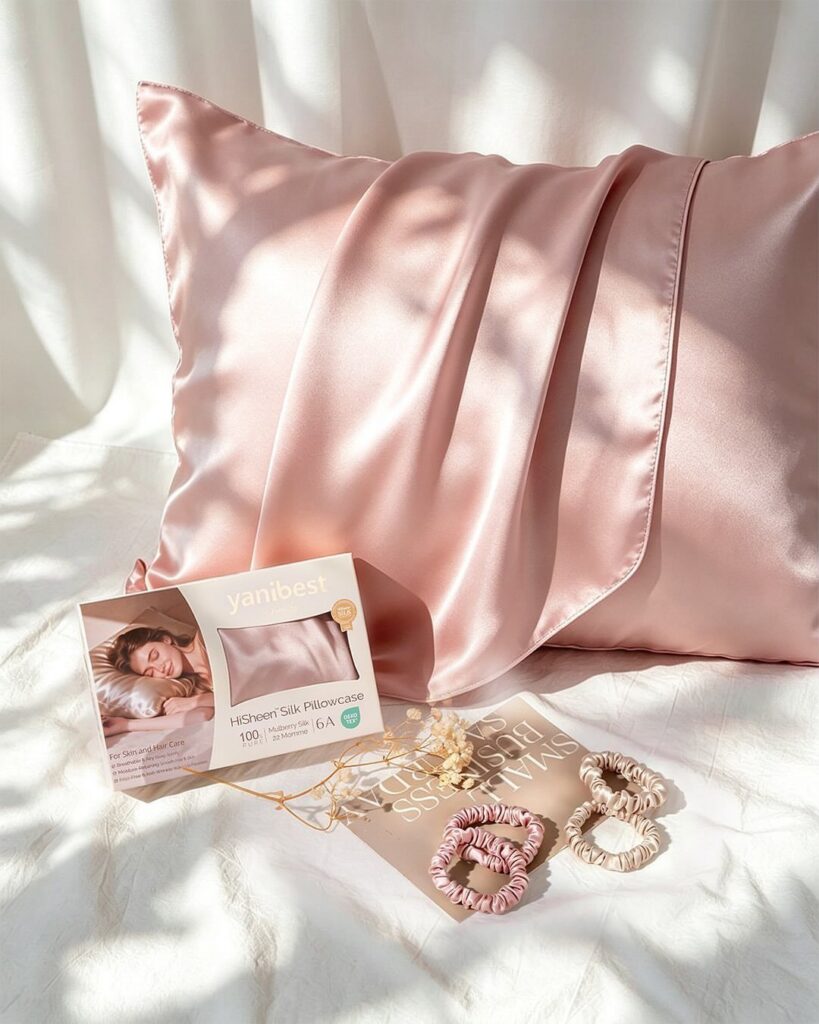
Hair grows about 0.5 inches each month when conditions are right, but that rate depends on circulation to your follicles, what you’re eating, and how much damage your routine causes.
The approach that works best depends on whether growth has stalled, breakage keeps costing you length, or something medical is causing the shedding.
Scalp massage takes a few minutes in the shower, protective styles cut down on daily manipulation, and a silk pillowcase stops cotton from roughing up your cuticle while you sleep.
1. Scalp Massage
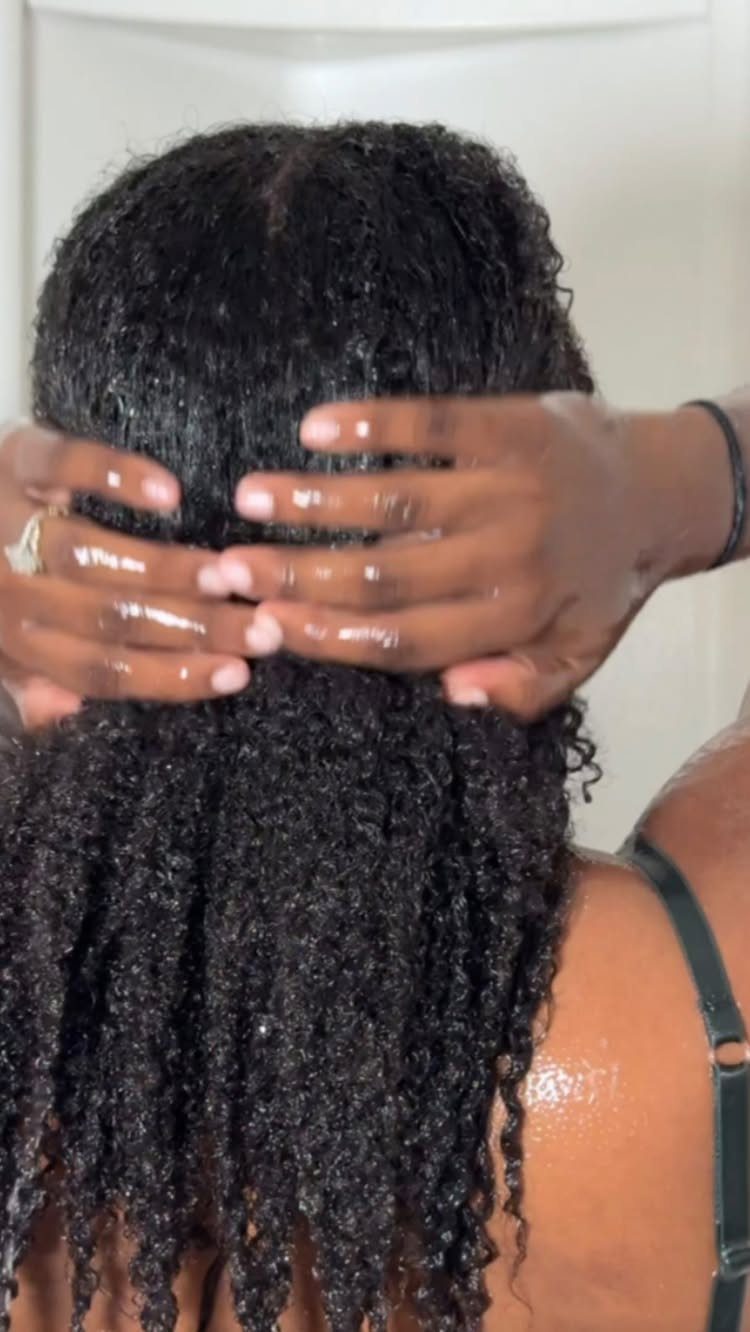
A few minutes of scalp massage a few times a week can improve circulation to the hair follicles and help lift away buildup that might be slowing things down.
I do mine in the shower with my fingertips, using gentle pressure in small circles across my whole scalp.
It’s easiest to fit in on wash days.
Work through one section at a time, starting at the hairline and moving back. A couple of minutes is enough; the goal is consistent pressure, not speed.
If your scalp feels tight or tender, this is a low-effort addition that can make a real difference over time.
2. Balanced Diet

Hair grows from what you give it, so a diet with enough protein, iron, and vitamins will support stronger, steadier growth. I aim for variety: lean protein, leafy greens, and healthy fats show up in my meals most days.
A special plan isn’t necessary.
The same balanced plate that supports your energy and skin will do the same for your hair. If you suspect a deficiency, a blood test and a conversation with your doctor will tell you more than guessing.
3. Protective Hairstyles
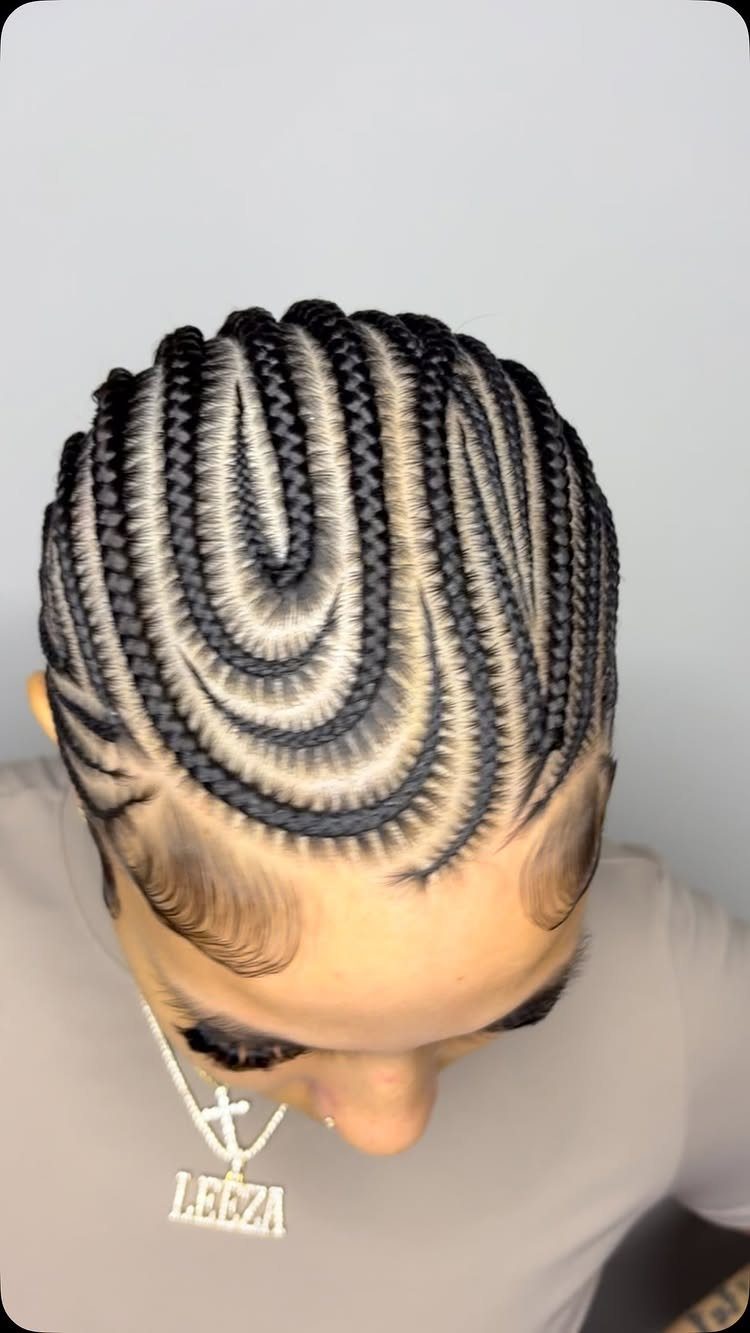
Styles that tuck ends away and minimize tension can help you hold onto length as it grows. Cornrows, twists, and low buns all qualify, as long as they’re not pulled tight enough to stress your hairline or scalp.
I look for styles that let me go a few days without heat or heavy manipulation.
The less you pull, comb, and restyle, the less breakage you’ll see. Just make sure your scalp stays clean and moisturized while your hair is up.
4. Silk Pillowcase
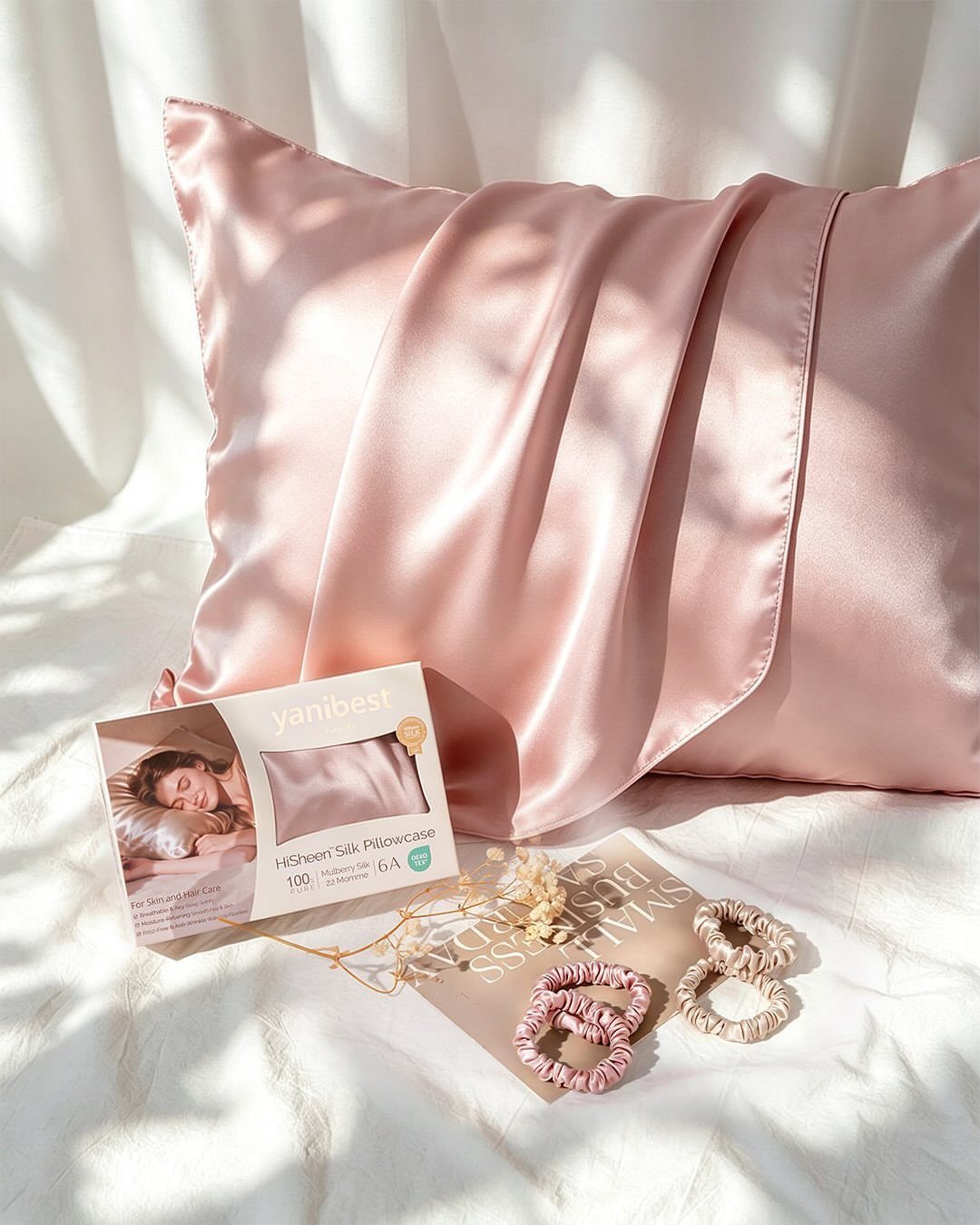
Switching to a silk or satin pillowcase cuts down on the friction that can rough up your cuticle and snap off length while you sleep. Cotton grabs; silk lets hair slide.
I notice less frizz in the morning and fewer broken pieces on my pillowcase.
If a full pillowcase feels like overkill, a silk or satin bonnet does the same job. Either one is a small change that protects the length you’re working to keep.
Possible Causes of Hair Loss
Genetics play the biggest role in pattern thinning, and if your parents or close relatives lost hair, you’re more likely to see it too.
Hormonal shifts during pregnancy, thyroid disorders, and anemia can all trigger shedding.
So can illness, rapid weight loss, scalp infections, and certain medications. Stress is another common factor, though the hair loss often shows up a few months after the stressful period ends.
Nutritional gaps matter as well.
Missing enough protein, iron, omega-3 fatty acids, or vitamin D can weaken hair and slow growth. If you’ve recently changed your diet or lost weight quickly, that’s worth considering.
If shedding feels sudden or heavy, see your GP. They can check for underlying conditions and refer you to a dermatologist if needed.
Hair Growth Rate and Cycle
Hair grows in cycles, and the active growth phase lasts anywhere from 2 to 6 years depending on your age, hair type, and overall health. Most people grow roughly 0.5 inches each month, which adds up to about 6 inches over a year.
That rate varies from person to person and tends to slow as you get older. Stress, hormone shifts and missing nutrients can all slow things down or shorten the time your hair spends actively growing.
The cycle includes a transition phase and a resting phase, and it’s normal to lose 50 to 100 strands a day as part of that process. On wash days, shedding can reach 250 strands and still be healthy.
A consistent routine and a balanced diet help, but genetics set the baseline for how quickly your hair grows.
When Growth Needs Medical Care
Hair loss can be distressing, and if you’re concerned about how much you’re shedding, seeing a doctor is the right step.
A GP can check for underlying conditions like thyroid disorders, anemia, or other medical issues that might be causing the problem.
If the cause isn’t immediately clear, they may refer you to a dermatologist. A dermatologist can examine your scalp, run additional tests if needed, and recommend treatment based on what they find.
This is especially true if you’ve made dietary changes or started taking supplements and the shedding hasn’t improved.
Hair loss in women can be complex and involve multiple factors, so getting expert input helps you understand what’s happening and what to do about it.
Even if the shedding turns out to be part of a normal cycle, having a clear answer is worth the visit.
Frequently Asked Questions
How does hair grow?
Hair grows in three phases: anagen (active growth lasting 2 to 6 years), catagen (a short transition), and telogen (resting, followed by shedding).
Most of the length comes during anagen, when cells divide rapidly and push the strand out from the follicle. The growth phase shortens with age, and factors like stress or missing nutrients can cut it even shorter.
How can I regrow my thinning hair?
Medication or topical solutions like minoxidil can help, and hair transplants are another option, though they’re expensive.