Silicone-free shampoos range from a solid bar you carry through airport security without a second thought to a volume formula fine enough for daily washing.
Once you know what endings to scan for on an ingredients panel — "-cone," "-xane," "-conol" — the choice takes about 30 seconds to confirm.
1. Shampoo Bar
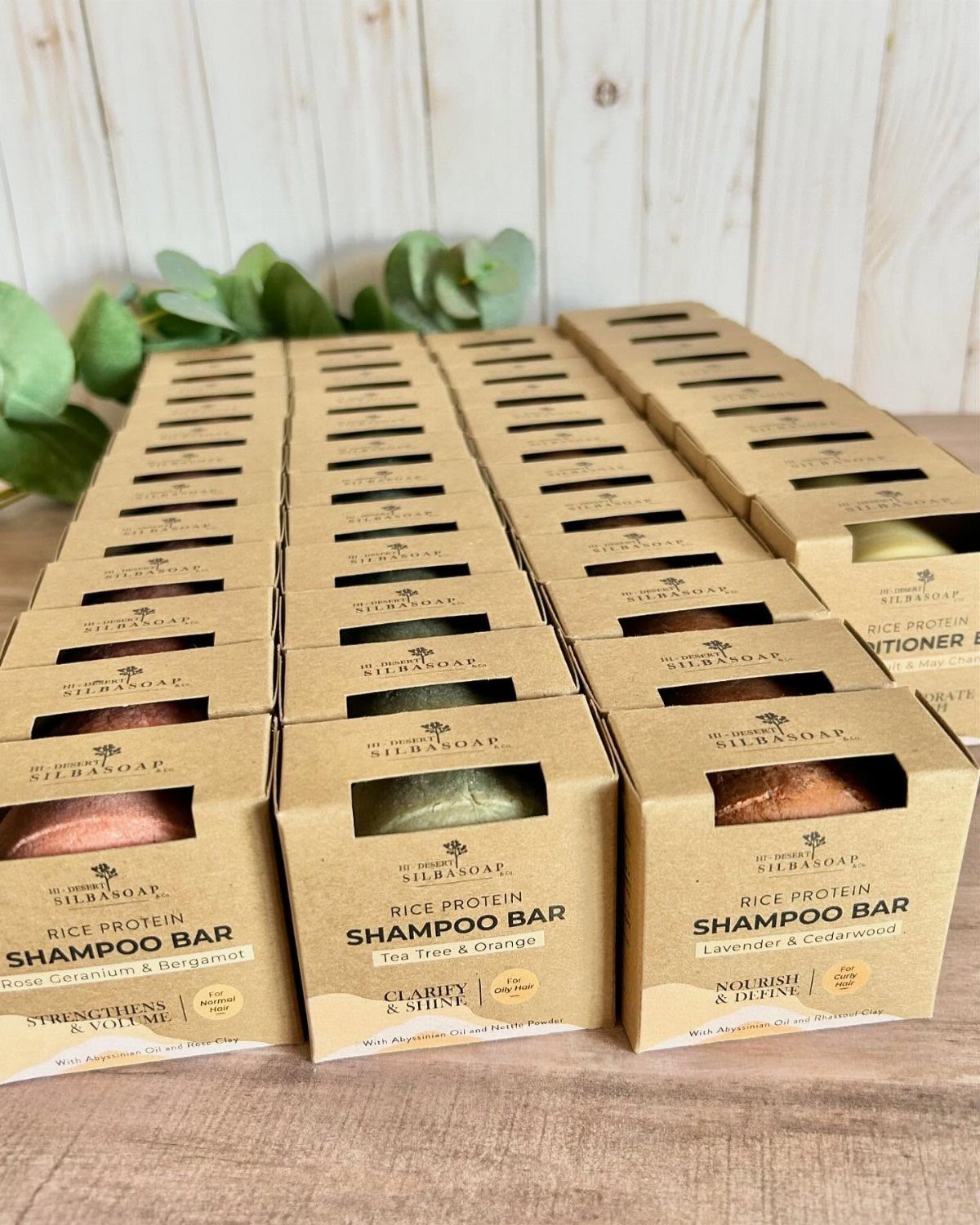
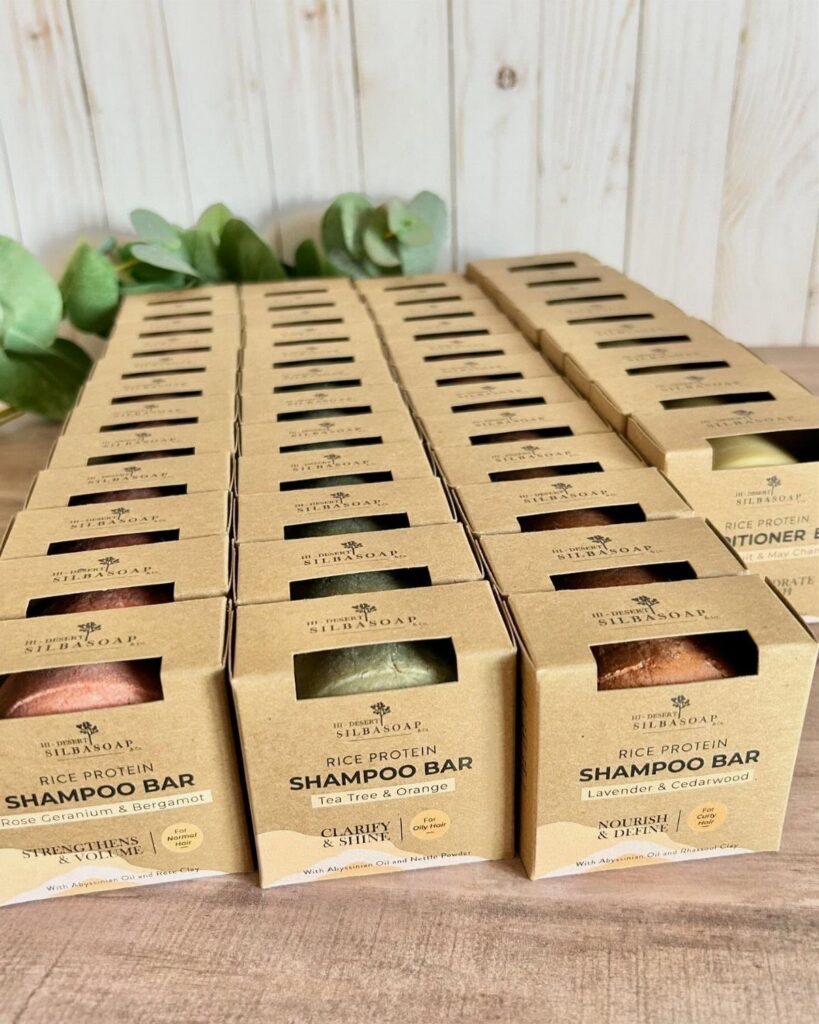
Shampoo bars swap the plastic bottle for a concentrated solid block, and for a low-waste bathroom routine, that swap is genuinely worth making.
Most bars lather and rinse like a liquid shampoo once your scalp adjusts, though fine or color-treated hair sometimes needs a week or 2 before the balance settles.
Rice protein formulas suit that adjustment period well since the protein helps maintain body without heavy residue.
Travel is where bars earn their keep: no liquids rule, no leaking cap.
As a solid bar, it reduces waste compared to bottled shampoos, and comes in a recyclable, compostable paper box. For those with hard water, a weekly citric acid rinse (1 teaspoon per cup of water) is also recommended to keep hair feeling squeaky clean!
2. Volume Shampoo
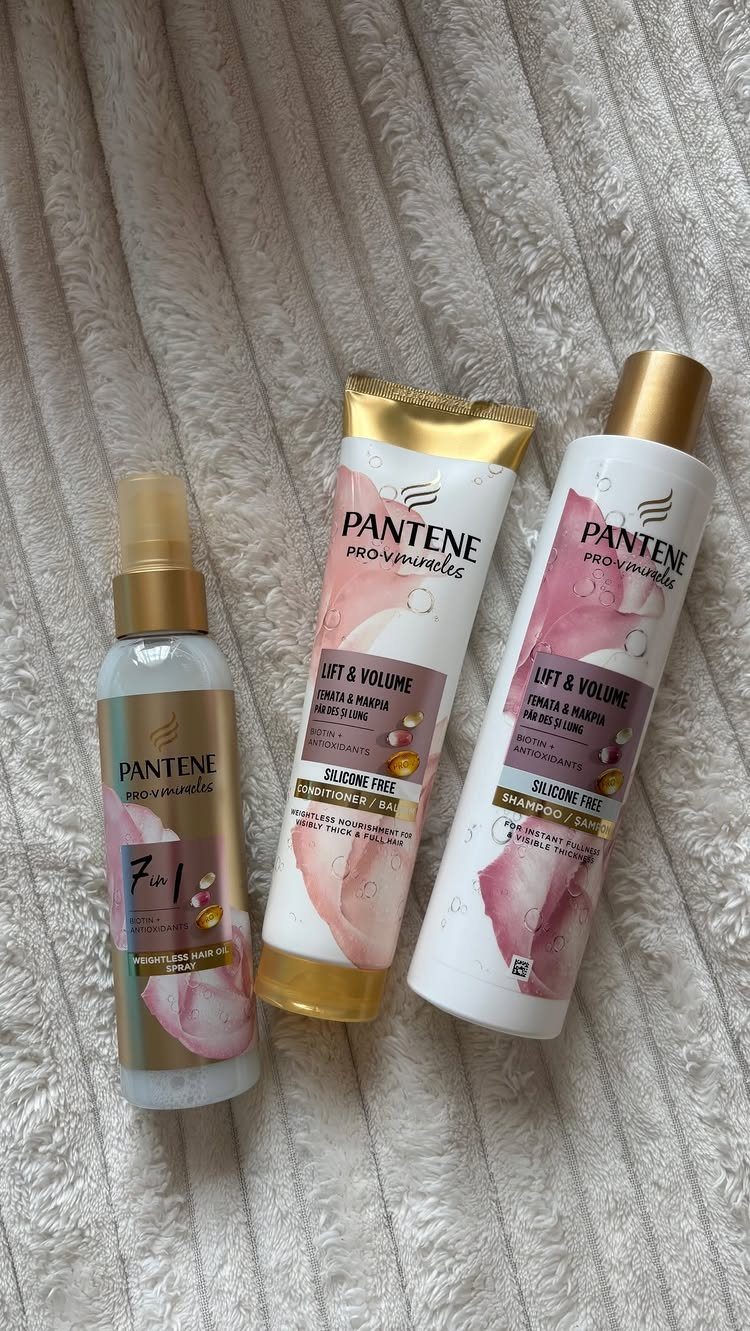
Fine hair is the obvious fit for a silicone-free volume shampoo, since silicones coat the strand and flatten the lift that lightweight hair already struggles to hold.
Pantene’s Lift & Volume line drops the silicone while keeping the conditioning agents that prevent static and tangles. Daily washers tend to get the best results because volume formulas are light enough that buildup isn’t a concern.
Pair it with the matching conditioner, applied mid-length to ends only, and the weight stays where you want it.
3. Silicone-free Shampoo and Conditioner
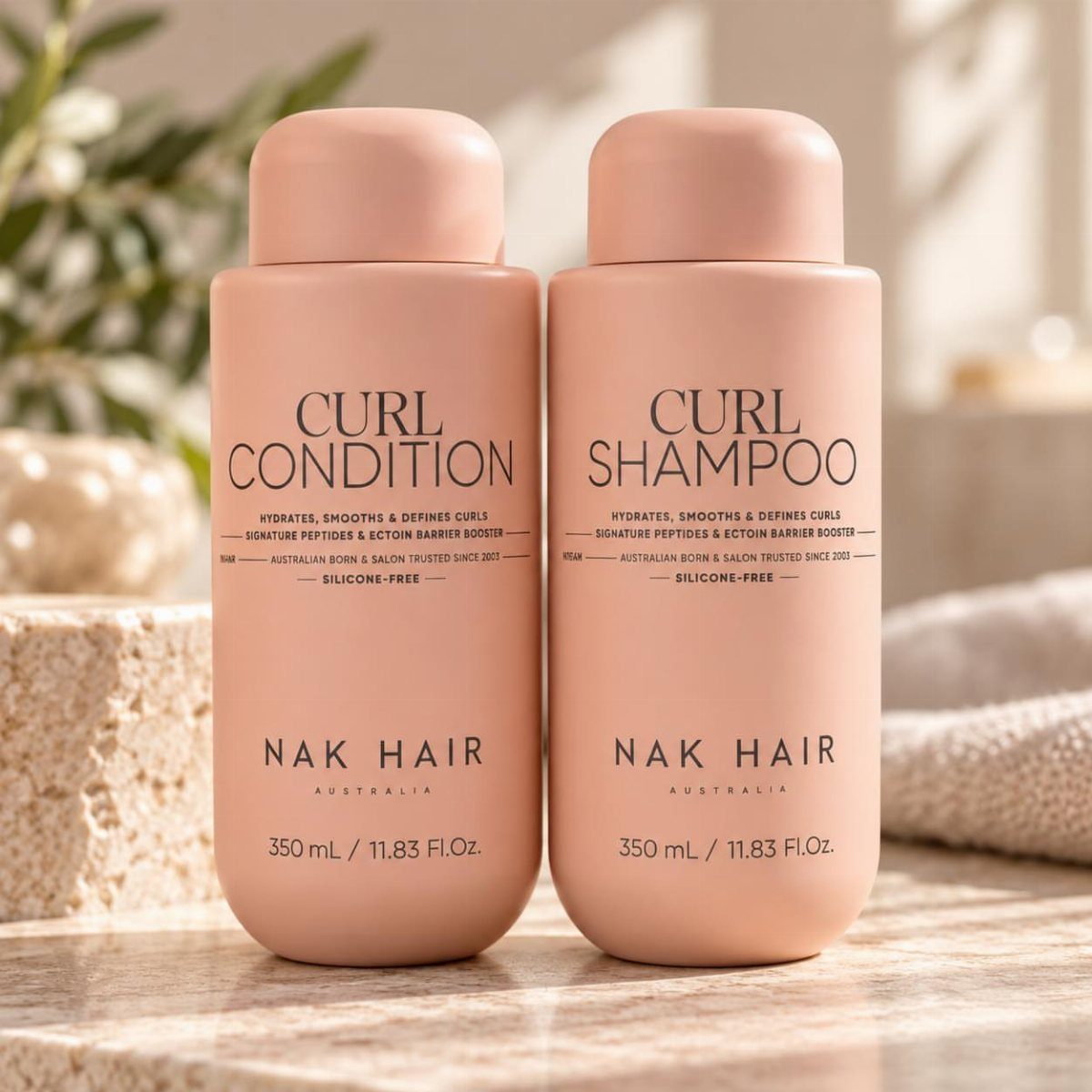
Switching to a silicone-free shampoo while keeping a silicone conditioner largely defeats the purpose, so matching both products is the cleaner move.
Curl formulas are a particularly good case for going silicone-free on both steps. Curls need moisture to move freely, and silicone buildup tends to block that absorption over time, leaving ringlets looking coated rather than defined.
Apply the conditioner from mid-shaft down, let it sit for a couple of minutes, and rinse thoroughly.
Recognizing Silicone Ingredients
Silicone ingredients hide behind long chemical names, but the endings give them away. Anything finishing in "-cone," "-xane," or "-conol" is almost certainly a silicone; "-paraben" flags a preservative worth noting separately.
Not all silicones behave the same way. Water-soluble silicones rinse out with regular washing and are far less likely to build up over time.
Fat-soluble silicones are harder to remove and tend to accumulate: Dimethicone, Cyclomethicone, Phenyl Trimethicone, Cetearyl Methicone, Dimethiconol, and Stearyl Dimethicone all fall into that category.
Amodimethicone sits in between. It acts as a fat-soluble silicone unless the same formula also lists Tricedeth-12 and Cetrimonium Chloride, in which case it rinses more cleanly.
Running a finger down the ingredients panel takes about 30 seconds once you know what the endings look like.
Switching and Clarifying Hair
Before a silicone-free routine can do its job, existing buildup needs to come off first.
A clarifying shampoo clears out product buildup, though removing non-water-soluble silicone deposits usually calls for one with sulfates rather than a sulfate-free formula. Follow it with a deep conditioner, since clarifying pulls moisture along with the residue.
After that first reset, expect a few weeks of adjustment.
Switching away from silicones often involves a rebalancing period as the scalp recalibrates its natural oil production. Hair may feel different during that window, sometimes heavier, sometimes drier, before it settles.
That adjustment is worth sitting through. Once the buildup clears and oil production stabilizes, silicone-free products can actually reach the hair shaft rather than sitting on top of a coating that was already there.
Frequently Asked Questions
What is silicone in shampoo?
Silicones are synthetic polymers made from silica that lay down a coating along each strand, smoothing the cuticle and keeping humidity from swelling the hair.
That coating delivers an instant shine and slip, which is why a new shampoo can make hair feel dramatically different after a single wash. Over time, though, the coating builds up on the shaft without actually conditioning the hair underneath.
Should you use a silicone-free shampoo?
For fine, curly, dry, or color-treated hair, silicone-free is worth trying. Over time, fat-soluble silicones layer up on the shaft, and that buildup can block moisture from getting in and leave curls looking coated rather than defined.
Labels that say silicone-free sometimes still include water-soluble silicones, so checking the ingredient endings yourself gives a clearer picture than the front of the bottle does.
Why avoid sulfates in shampoo?
Sodium lauryl sulfate and sodium laureth sulfate strip away more than just product residue, pulling the scalp’s natural oils along with it and setting off a cycle of dryness, frizz, breakage, and irritation.
Curly and color-treated hair are especially vulnerable because both already lose moisture more easily. A sulfate-free formula still cleans, just without that level of stripping.