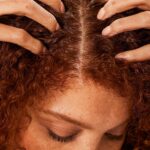
Raw spinach keeps more folate than cooked, so I toss a handful into smoothies or layer it in wraps to get oxygen moving to my follicles.
The list runs from quick plates and bowls to soups that need a bit more attention.
Genetics, hormone shifts, thyroid trouble and stress all slow hair growth in ways that extra nutrients can’t fix, so if you eat well and still lose hair, diet isn’t always the answer.
The last 3 entries cover when diet won’t solve the problem, which nutrients the research links to hair growth, and why supplements need careful handling.
1. Fatty Fish
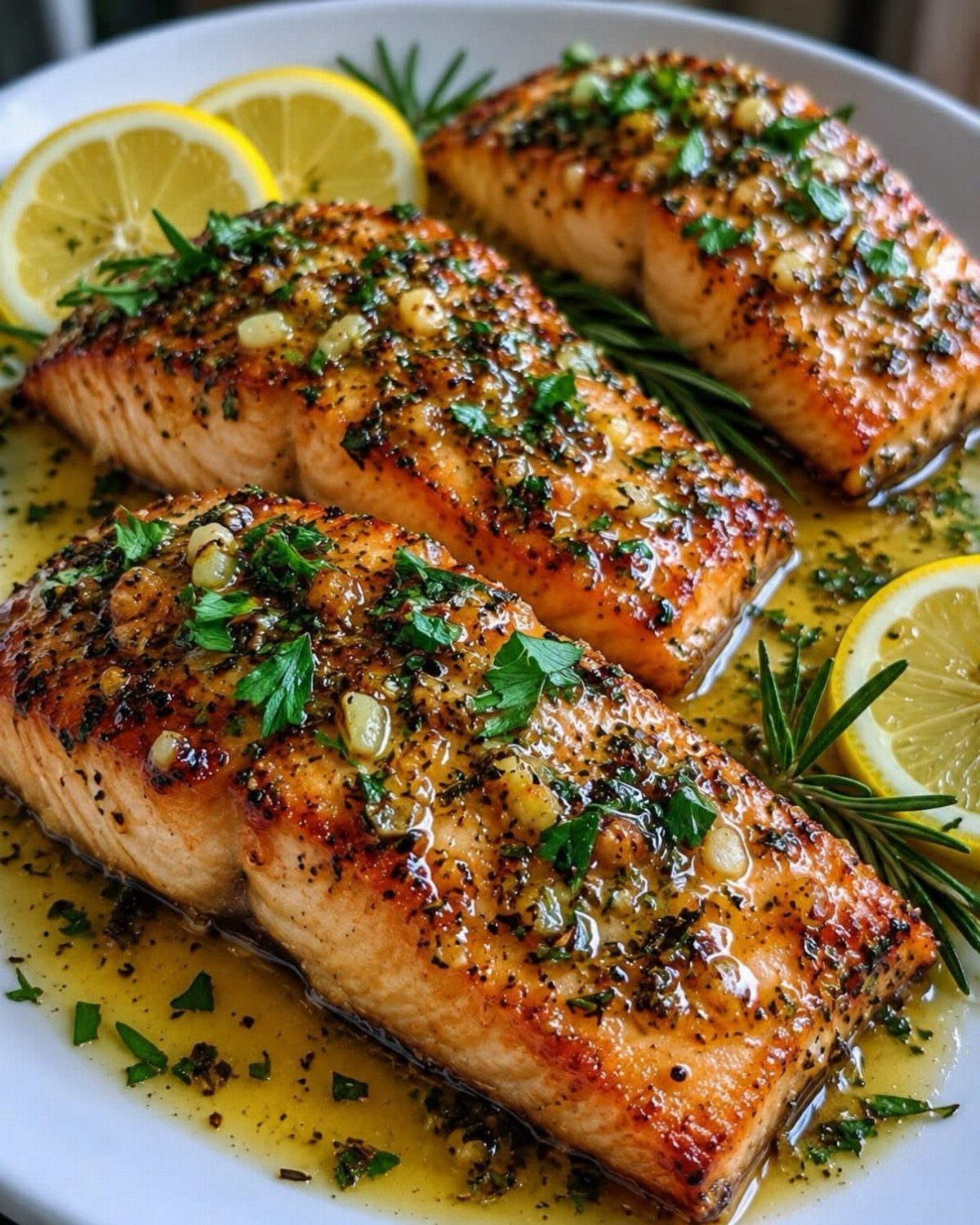
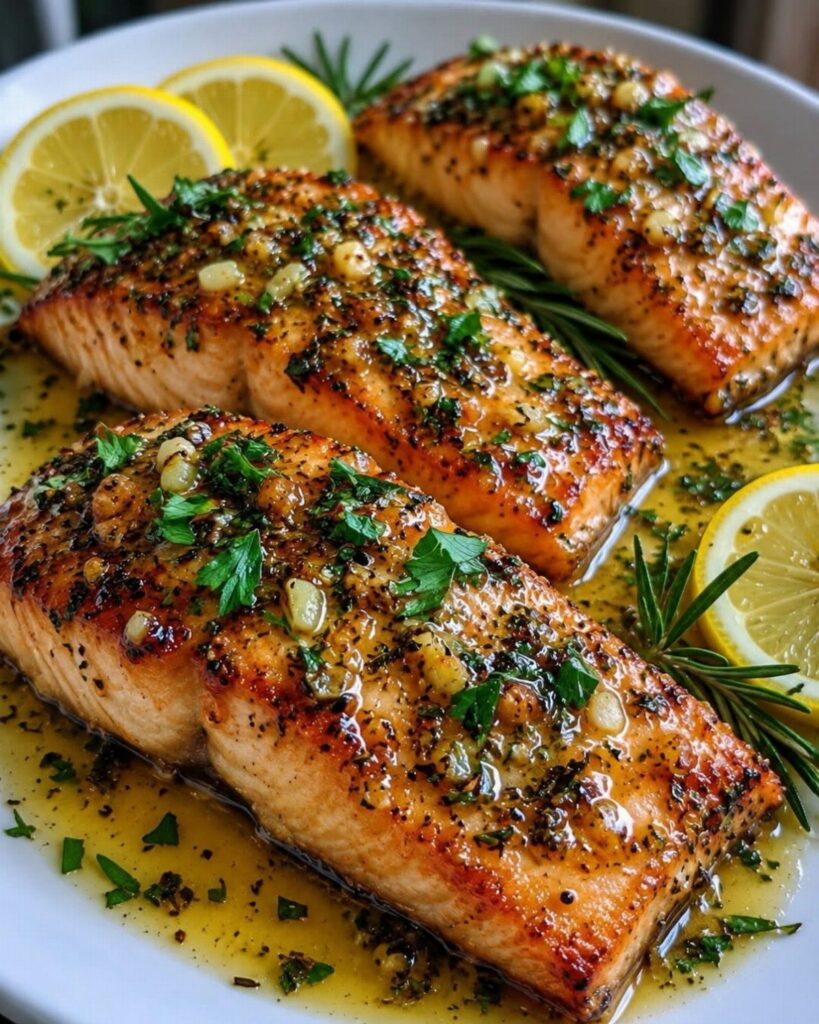
Salmon gives you omega-3 fatty acids and protein in one meal, two things hair follicles need to function properly. Omega-3s support scalp health, and protein makes up the structure of each strand.
Season the fillets with herbs, garlic and lemon, then roast or pan-fry them in butter or olive oil until the flesh flakes easily.
I try to eat fatty fish twice a week. If salmon is outside your budget, mackerel and sardines work the same way.
Omega-3s are found in the cells that line the scalp and also provide the oils that help to keep your scalp and hair hydrated.
2. Shrimp and Prawns
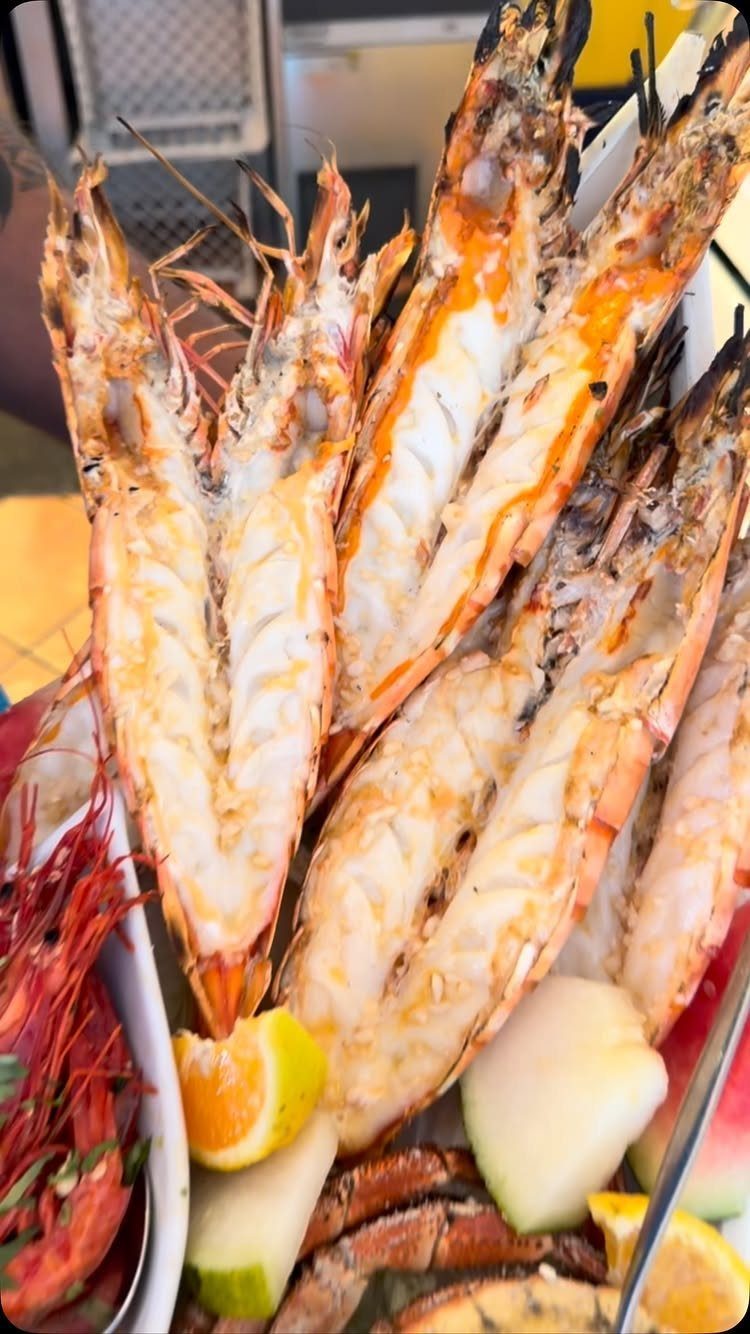
Shrimp and prawns deliver protein without much fat, and they contain zinc and iron, both of which play a role in hair growth. Butterflying them before grilling helps them cook evenly and pick up more char.
To butterfly, slice down the back of each prawn without cutting all the way through, then press it flat. Grill until the flesh turns opaque and serve with lemon wedges to cut through the richness.
These cook fast, so they work when you need something quick that still feels like a proper meal.
3. Berry and Fruit Smoothie Bowl
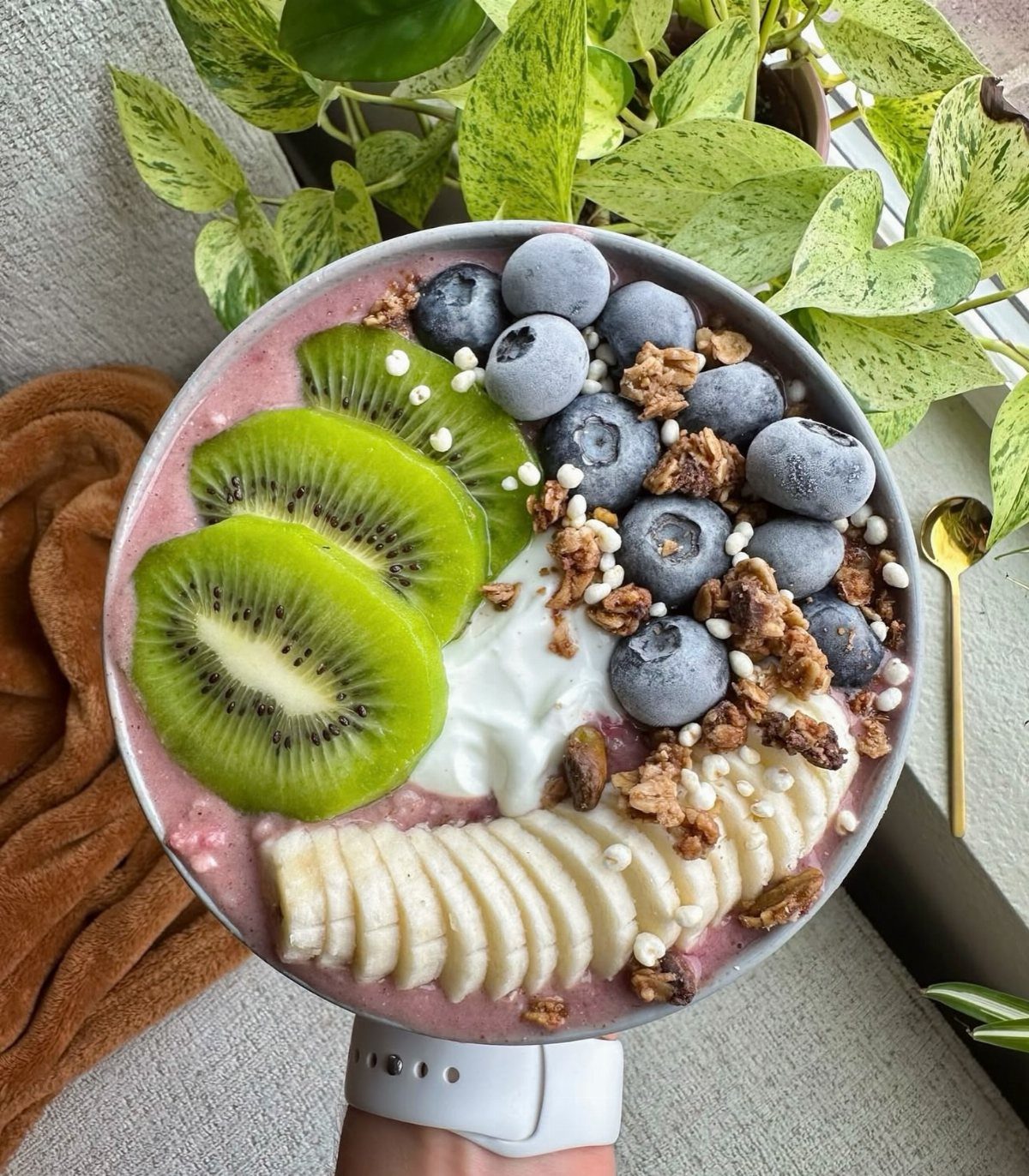
Berries are packed with vitamin C, which helps your body absorb iron and produce collagen, a protein that strengthens hair. This bowl has a pink smoothie base topped with kiwi, blueberries, banana slices and a dollop of yogurt.
Blend frozen berries with a banana and a splash of milk or juice until smooth, pour it into a bowl, then arrange your toppings. The yogurt adds protein, and the kiwi brings extra vitamin C.
I like this when breakfast needs to be fast but I still want something that feels filling and colorful.
4. Roasted Sweet Potatoes
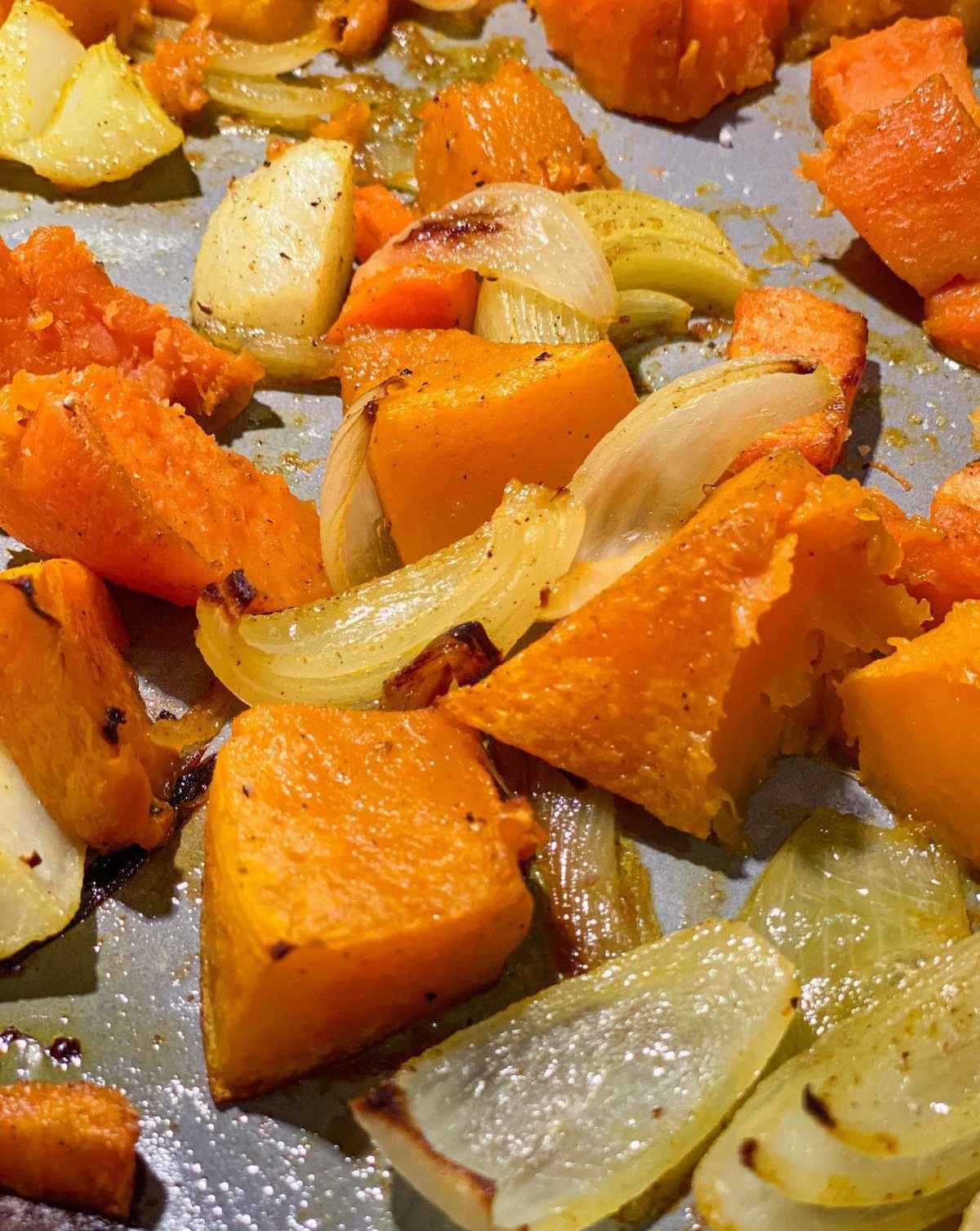
Sweet potatoes are high in beta-carotene, which your body converts to vitamin A, a nutrient that supports scalp oil production and helps hair grow. Roasting them with onions brings out the natural sweetness and caramelizes the edges.
Cut the sweet potatoes into cubes, toss with olive oil, salt and pepper, then spread them on a metal baking sheet with onion wedges. Roast until the edges turn crisp and golden, flipping halfway through.
These work as a side or a base for a bowl with greens and protein on top.
5. Egg and Avocado Plate
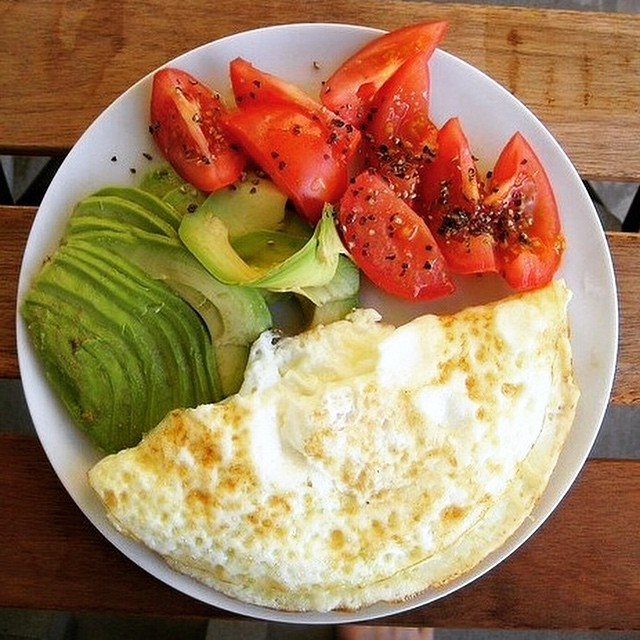
Eggs give you biotin and protein for hair structure, and avocado adds healthy fats and vitamin E.
Beat 2 eggs, pour them into a hot pan with a little butter, let the edges set, then fold it in half. Slice half an avocado and season the tomatoes with salt, pepper and a drizzle of olive oil.
This works for breakfast or lunch, and you can swap the tomatoes for spinach or bell peppers if you have them.
6. Sautéed Bell Peppers and Vegetables

Bell peppers are rich in vitamin C, which helps your body build collagen and absorb iron from other foods. Sautéing them with onions and zucchini in a cast-iron skillet softens them quickly and adds a bit of char.
Slice the peppers and zucchini, heat olive oil or butter in the skillet, then cook over medium-high heat, stirring occasionally, until the edges brown and the vegetables soften.
Red and yellow peppers have more vitamin C than green ones, but all three work. Serve this over rice, with eggs, or folded into a wrap.
7. Fresh Spinach Leaves
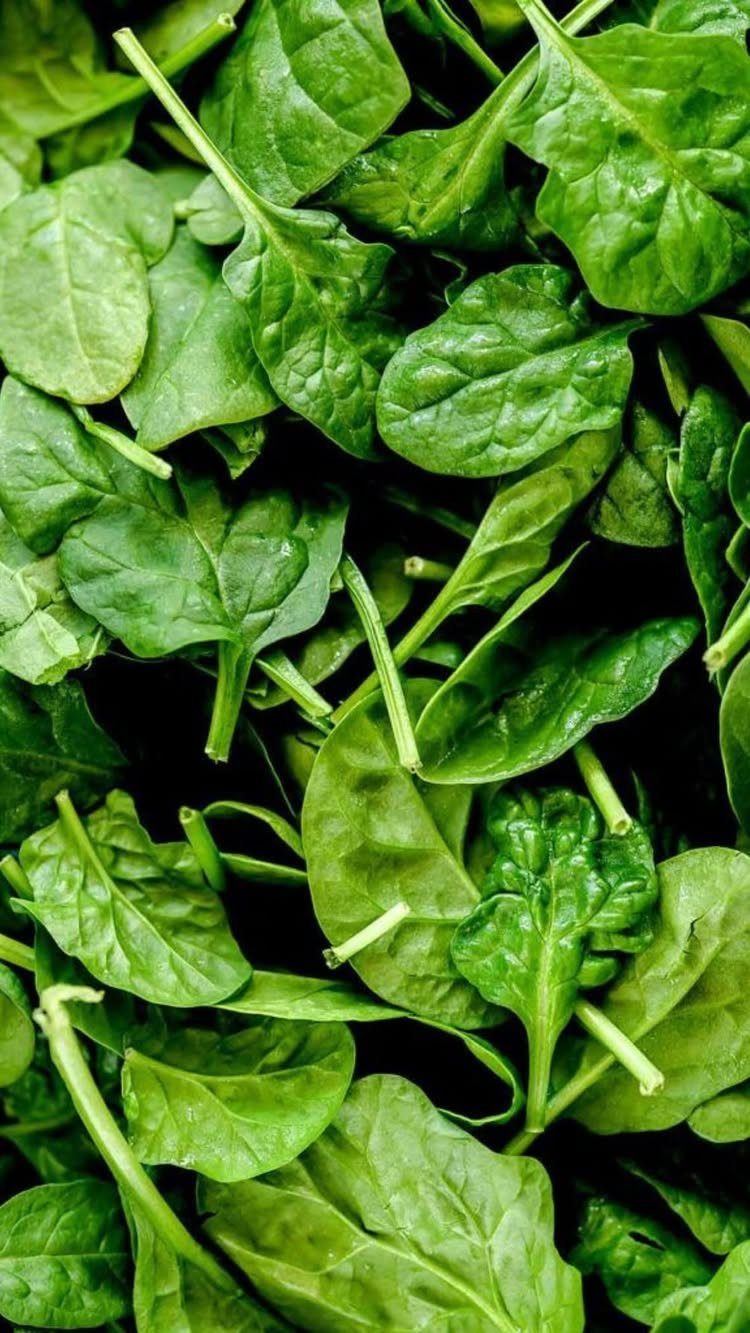
Spinach contains iron and folate, 2 nutrients that help oxygen reach hair follicles and support cell division, both needed for healthy hair growth.
A handful of raw leaves has more folate than cooked spinach, since heat breaks some of it down.
I add raw spinach to smoothies, layer it in wraps, or toss it into a salad with lemon juice. Lemon’s acidity improves how much iron your gut pulls from the greens.
If you cook it, a quick sauté in olive oil keeps more of the nutrients intact than boiling does.
8. Pumpkin Soup with Seeds
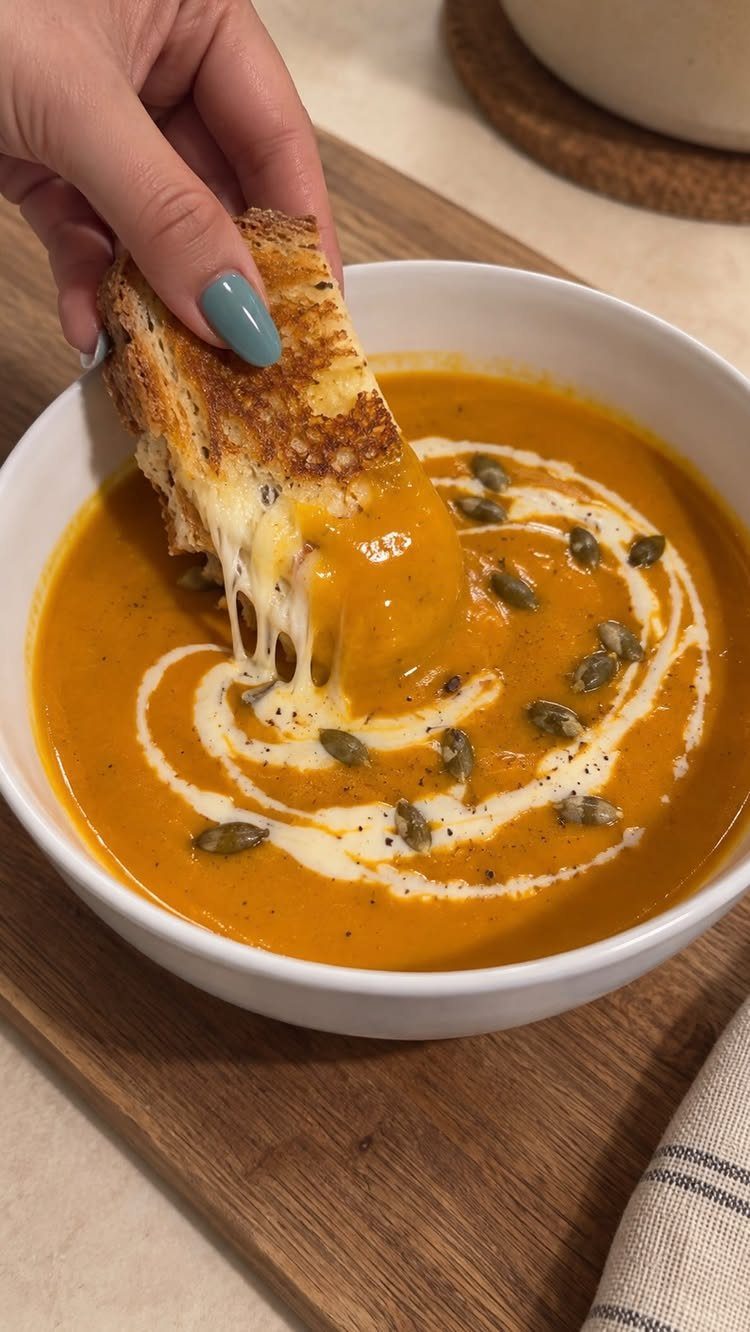
Pumpkin is high in beta-carotene, which converts to vitamin A for scalp health, and the seeds on top add zinc, a mineral that supports hair follicle repair.
Blending the cooked pumpkin with stock and a little cream gives you a smooth texture.
Roast pumpkin chunks until soft, blend with vegetable or chicken stock, then stir in cream and season with salt and pepper. Top with toasted pumpkin seeds and serve with bread for dipping.
This works as a light lunch or a starter, and the seeds add a bit of crunch that makes it feel more complete.
9. Vegetable and Poached Egg Broth
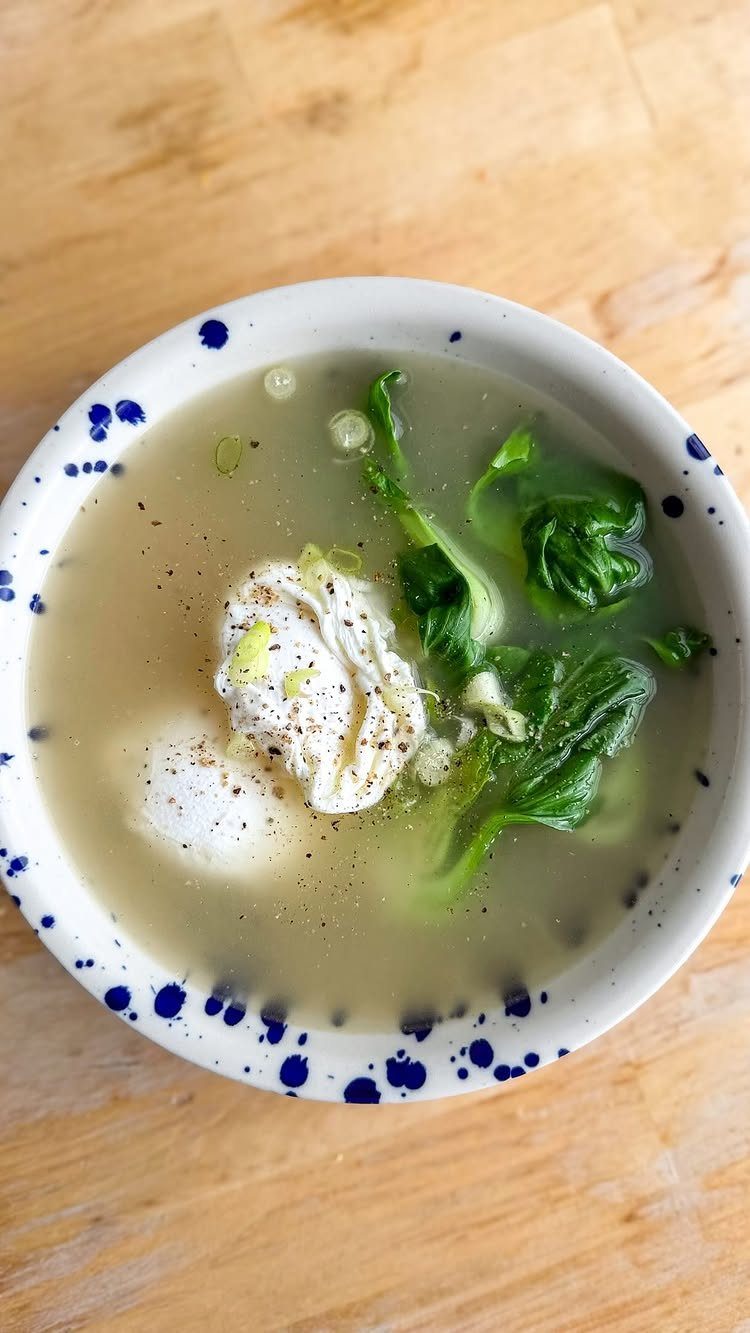
A clear broth with poached eggs and leafy greens gives you protein, B vitamins and iron without much effort. The eggs poach directly in the simmering broth, and the greens wilt in the last minute of cooking.
Bring vegetable or chicken broth to a gentle simmer, crack in the eggs, cover and cook until the whites set. Add a handful of spinach, bok choy or kale, stir until wilted, then ladle into bowls.
This cooks fast and feels lighter than most egg dishes while still being filling enough for a meal.
Diet Cannot Address Every Cause
If you have been eating a balanced diet and still notice persistent hair loss or thinning, diet alone may not be the cause.
Hair loss can stem from genetics, hormone shifts, thyroid trouble, stress, medication side effects or other health conditions that nutrition alone won’t fix.
Thyroid issues require a blood test to confirm, and hormonal changes during pregnancy or menopause often alter hair texture and density even when nutrient intake is adequate.
If you are losing more hair than usual or see noticeable thinning, consult your GP. They can check for underlying conditions and recommend treatment that addresses the actual cause rather than adjusting your diet further without a clear reason.
Evidence and Nutrient Deficiencies
Most of the research linking specific nutrients to hair growth focuses on people who have diagnosed deficiencies or conditions like anemia or telogen effluvium.
Evidence that eating more of a nutrient helps when you already get enough is limited or inconsistent.
Your hair follicle cycle depends on many factors, including age, genetics and hormones, not just what you eat.
A deficiency in iron, biotin, vitamin D or zinc can contribute to hair loss, but adding more when levels are already normal does not necessarily speed growth.
A varied diet that includes fruits, vegetables, whole grains, protein and healthy fats covers the nutrients hair follicles need. If you suspect a deficiency, a blood test will confirm it before you make changes.
Supplements Need Caution
Food sources are the safest way to get the nutrients hair follicles need. Supplements can fill a gap when a blood test confirms a deficiency, but taking too much of certain vitamins and minerals can cause problems.
Excess vitamin A has been linked to hair loss, and high-dose biotin supplements can interfere with lab test results, including thyroid panels. Iron in particular needs a doctor’s oversight: too much causes problems of its own.
If you suspect a deficiency, ask a healthcare professional to test your levels before you start taking anything. A multivitamin with moderate doses is a safer option than high-dose single nutrients.
Frequently Asked Questions
What food is best for hair growth?
No single food is best for hair growth. Hair follicles need a range of nutrients, including protein, omega-3 fatty acids, iron, zinc, and vitamins A, C, and E, which come from different foods.
Fatty fish, eggs, leafy greens, sweet potatoes, berries, and nuts all provide nutrients that support hair health when eaten as part of a varied diet.
What should I eat to stop hair fall in females?
Eggs, nuts, leafy greens, and fatty fish provide protein, biotin, iron, and omega-3s that hair follicles need to function.
What grows hair faster?
A diet with protein, antioxidants, iron, and omega-3 fatty acids supports healthy hair growth by preventing deficiencies that contribute to hair loss.
However, no food has been proven to make hair grow faster in people who already get adequate nutrients. Hair growth rate depends on genetics, hormones, and age, not just diet.