Hair grows about half an inch each month no matter what you do, but most people lose length to breakage faster than the follicles can replace it.
The difference between hair that reaches your shoulders and hair that stalls at your collarbone isn’t growth rate. It’s whether you’re protecting the strands you already have.
1. Eat Protein and Nutrient-Dense Foods
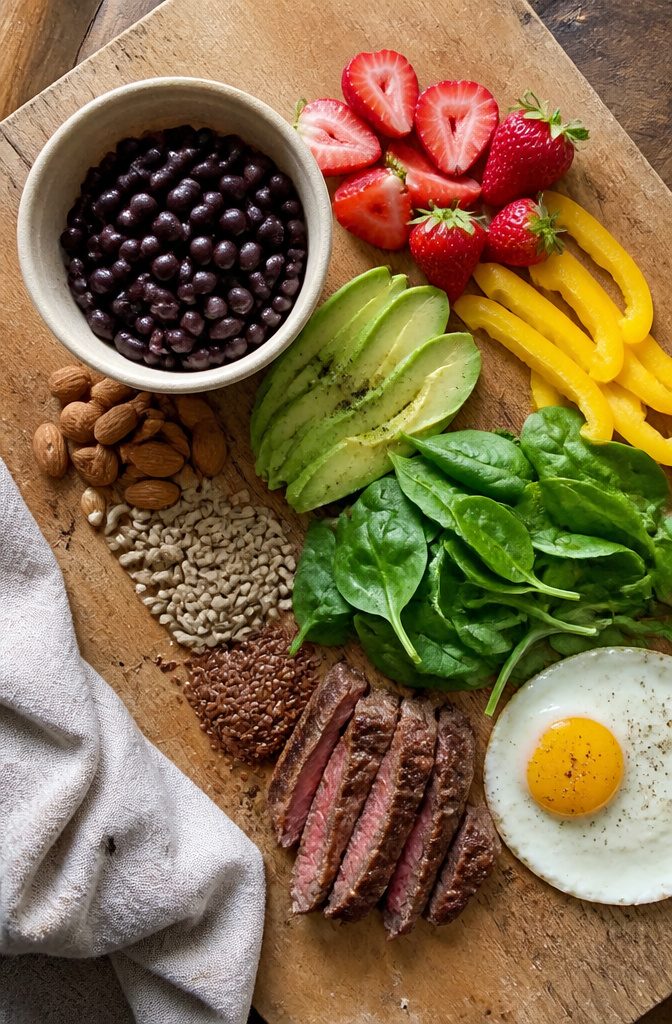
Hair is made mostly of keratin, a protein, so eating enough protein at each meal matters for growth.
Lean meats work, but if you prefer plant sources, black beans give you protein plus zinc: 3.5 ounces delivers 14% of the daily zinc a woman needs and 10% for men.
Sirloin steak at the same portion supplies 29 grams of protein. Eggs, fish, nuts and beans all show up in the diets that support healthy hair.
Vitamin E helps too. An ounce of almonds covers 48% of your daily need, sunflower seeds hit 50%, and a medium avocado provides 28%.
Vitamin A turns up in spinach (one cup gives 20% of the daily value) and sweet potato (one medium supplies 160%). For vitamin C, strawberries deliver 113% in a single cup, and one yellow pepper reaches 456% for women, 380% for men.
Flaxseed adds omega-3: two tablespoons contain 4.7 grams. One medium oyster provides 96% of the zinc a woman needs daily, 75% for men.
If your diet already covers these, you probably don’t need supplements. Some sources suggest checking with a clinician before adding them, since loading up past what your body uses can backfire.
2. Keep Your Scalp Clean and Healthy
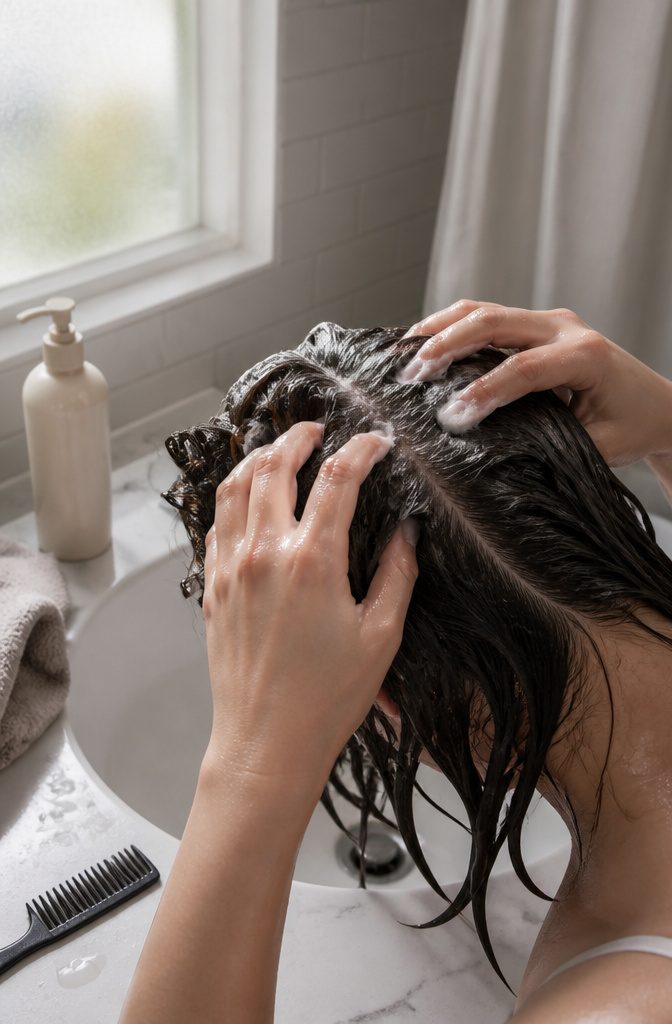
A clean scalp gives follicles the environment they need to produce hair at their natural rate. Buildup from styling products, oil and dead skin can clog the surface and slow things down.
Massage your scalp for three to five minutes each day.
The pressure brings blood flow to the follicles, delivering oxygen and nutrients that support growth. You can do this while shampooing or on dry hair before bed.
Exfoliation clears away what daily washing leaves behind. The L’Oréal Paris Elvive Hyaluron + Pure Oil-Erasing Serum uses salicylic acid to remove residue without stripping, leaving the scalp refreshed for up to 72 hours.
Section dry hair, apply the serum directly to your scalp, massage for about five minutes, then wait 15 minutes before rinsing. Use it once or twice a week, more often if you layer heavy styling products.
3. Limit Heat and Chemical Damage
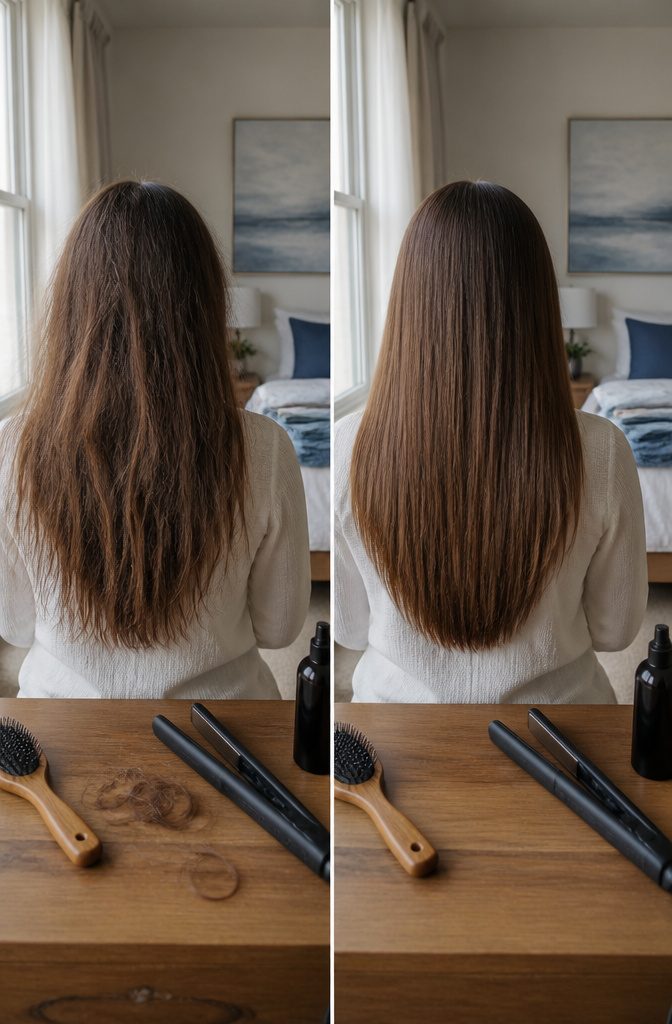
Heat tools and harsh chemical treatments weaken the hair shaft and lead to breakage that keeps length from building.
If strands seem to stall at a certain point, the problem may be less about growth and more about what’s snapping off before you can keep it.
Limit heat styling to medium settings around 250°F when you can, and use a heat protectant before picking up the dryer or flat iron.
Most good protectants work up to 450°F, which covers straighteners and curling irons set higher, but turning the temperature down cuts the risk of drying out strands in the first place.
Air-drying when time allows gives hair a break from all that thermal stress.
Chemical treatments absorb into the scalp and hair strand, and repeated exposure adds up. Read labels on everything you use, from oil to shampoo, and skip treatments that load the scalp with ingredients you wouldn’t want sitting there long-term.
Wet hair is more fragile than dry, so handle it gently and skip rough toweling that pulls strands out at the root.
4. Trim Split Ends Every 8 to 12 Weeks
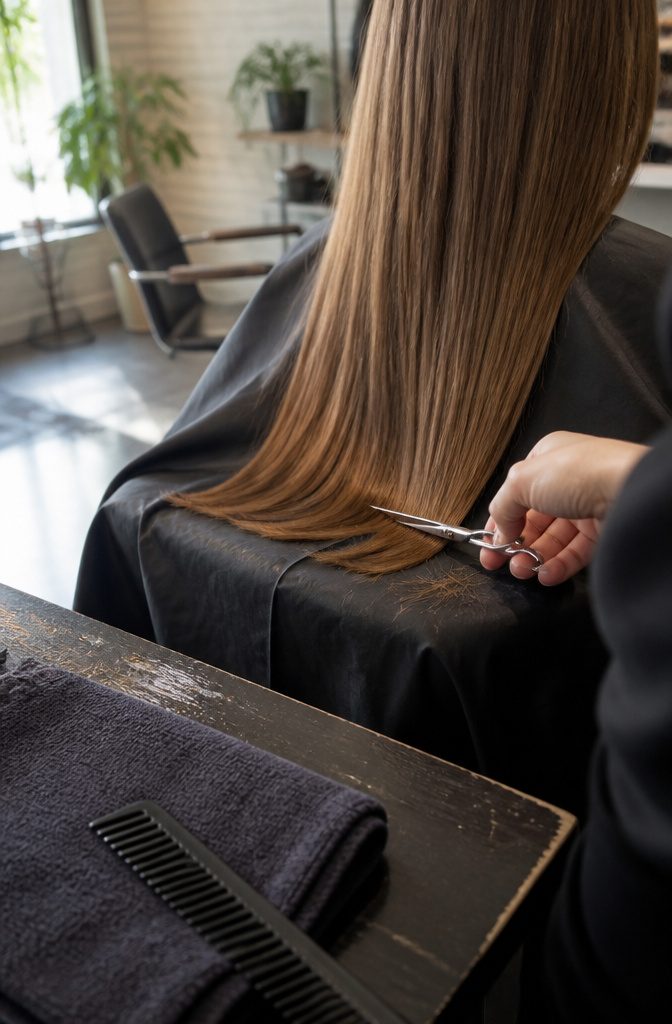
Trims don’t make hair grow faster at the roots, but they do keep you from losing length to breakage.
A split end that sits too long will travel up the strand, turning one frayed tip into damage that costs you inches. Trim every 8 to 12 weeks to remove those ends before they split upward.
Some stylists recommend taking off half an inch to an inch every three months; others suggest dusting trims every 6 to 8 weeks if you want to keep as much length as possible while staying ahead of damage.
I’ve seen the difference regular cuts make. After getting trims every four weeks for four months, then spacing them to every eight weeks, my hair looked longer and thicker at the ends instead of scraggly.
The cut doesn’t speed up growth, but it protects the length you already have.
5. Wash According to Your Hair Type
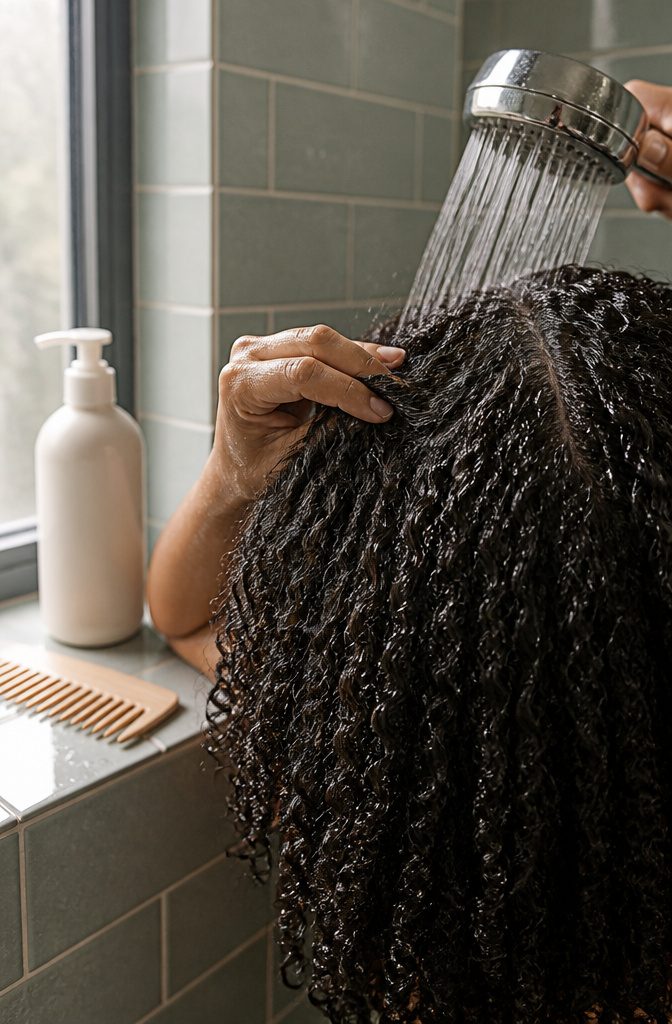
The right washing schedule depends on your hair type and how much oil your scalp produces. Straight, fine hair typically needs washing several times a week because oil travels down the strand quickly and the hair looks greasy faster.
Coils and tight curls can go a week or longer between washes since sebum moves more slowly along textured hair, and overwashing strips the oils that keep curls defined and healthy.
Washing too often dries out the hair and scalp, leaving strands brittle and prone to breakage. Washing too rarely lets product, oil and dead skin build up at the root, which can clog follicles and weigh hair down.
The balance point shifts with texture: if your scalp feels itchy or your roots look flat and greasy by day two, you probably need to wash more often.
If your ends feel dry or frizzy even when your scalp is fine, pull back to once or twice a week and see whether the texture improves.
6. Manage Stress and Support Overall Health

Chronic stress doesn’t just feel bad. It can push hair follicles into telogen effluvium, a form of shedding triggered by surgery, hospitalization, exams or other major upheaval.
The encouraging part is that this type of hair loss tends to improve on its own in 4 to 6 months once the triggering factor is resolved.
In the meantime, anything that brings cortisol down helps: yoga, a long walk, reading, even just stepping outside.
Regular movement supports hair at the scalp level. The CDC recommends 150 minutes of aerobic or muscle strengthening activity each week, which breaks down to 30 minutes a day.
That could be biking, powerlifting, gardening, walking or any other activity you’ll actually do. Hydration and consistent sleep matter too.
Your body produces melatonin during sleep, and that hormone has been shown to increase hair growth. If your general health is off, your hair will show it.
7. Use Conditioning Treatments Weekly
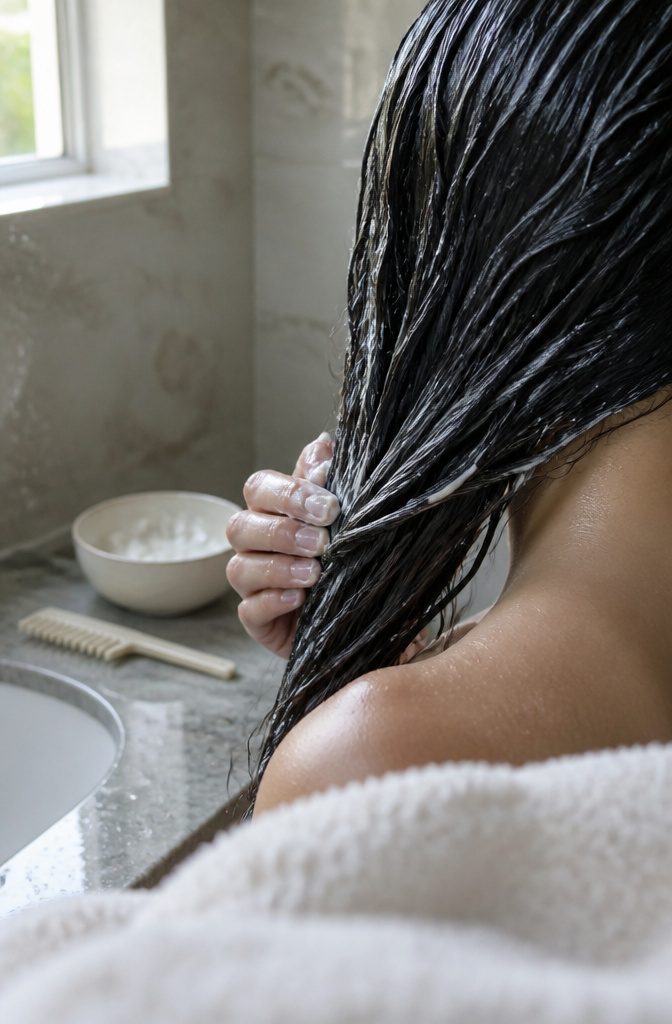
Masks and deep conditioners prevent breakage by moisturizing strands and keeping the cuticle intact, so hair that would otherwise snap off mid-shaft actually reaches length.
I use a treatment once a week, though you can stretch it to once a month if your hair is in good shape and not dealing with heat or color damage.
More than twice a week risks overconditioning, which can leave hair limp.
L’Oréal’s EverPure Bond Repair System is a four-piece routine that claims hair can be up to seven times stronger after use, addressing the brittleness that stops growth in its tracks.
Any strengthening mask will do similar work if it contains proteins or bond-building ingredients.
After rinsing out your conditioner, run cold water over your hair for a few seconds to help seal the cuticle.
The cold close smooths the outer layer, which cuts down on frizz and protects the strand from friction and moisture loss between washes.
8. Try Serums or Medical Treatments for Thinning
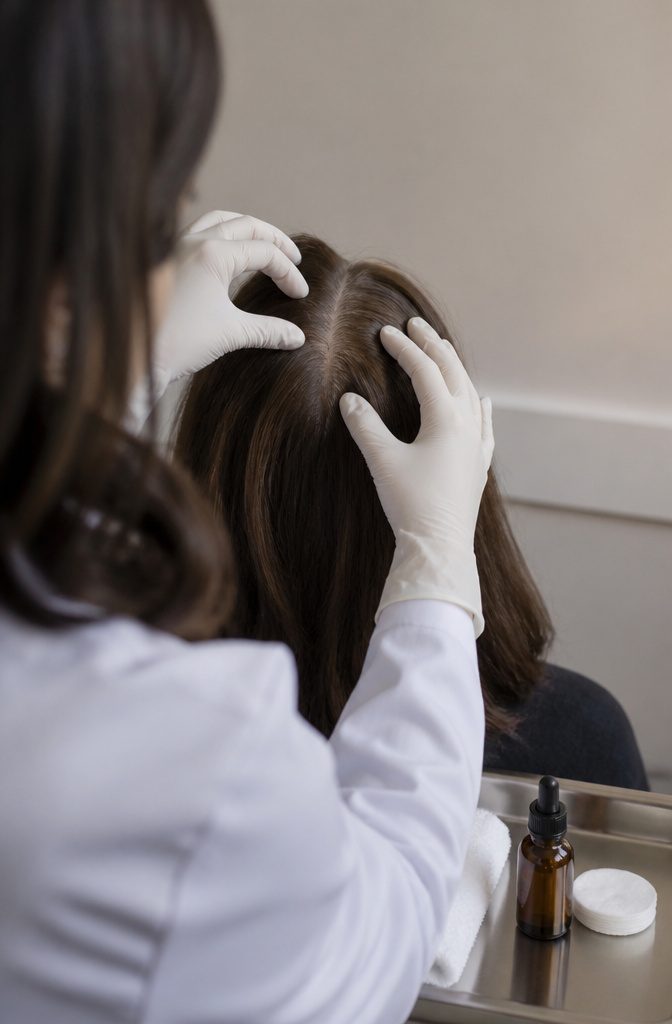
When thinning becomes noticeable enough to worry about, serums and medical treatments offer more targeted support than general care alone.
A daily serum can strengthen follicles and improve circulation to the scalp. Vegamour Gro Hair Serum is one option that’s used daily, though results take patience: allow six months before judging whether it’s working.
Fable & Mane Holiroots oil works as a pre-wash soak, one to two droppers massaged in for 10 minutes before shampooing. Application typically involves a few drops dispensed directly onto the scalp, massaged gently twice a day.
For medically diagnosed hair loss, dermatologists may prescribe minoxidil (sold as Rogaine in the US), spironolactone, finasteride, or corticosteroid injections depending on the cause.
Claims and evidence vary widely across products, and I’d recommend consulting a dermatologist if shedding feels unusual or sudden rather than treating it as a cosmetic concern you can solve at home.
9. Detangle Gently Starting at the Ends
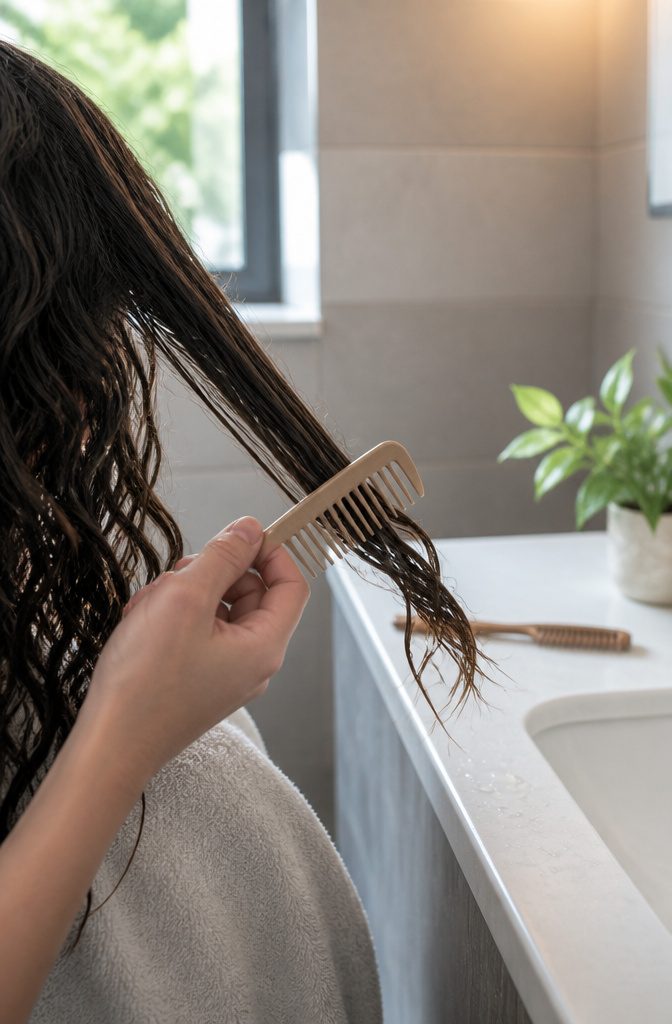
Aggressive brushing snaps hair before it has a chance to grow out. The strands are already fragile, especially when wet, and tugging through a tangle from the top down puts maximum tension right where the knot sits.
Start at the ends and work upward in short sections, clearing each small tangle before you move closer to the scalp.
Wet hair stretches and breaks more easily than dry, so after washing, reach for a wide-tooth comb and take your time. Remove knots without yanking out growth-phase strands that should still be attached.
Over-brushing causes the same damage in the other direction: constant friction weakens the hair shaft, and if you notice breakage near the mid-lengths, pulling a brush through too many times a day is often the reason.
10. Protect Hair While You Sleep

The way you move at night matters more than you’d think. Hair strands caught between your head and a cotton pillowcase face friction with every shift, lifting the outer cuticle and leaving you with frizz and breakage by morning.
A silk pillowcase keeps the cuticle layer intact, because its smaller, smoother fibers let hair glide instead of snag. The difference shows up as smoother hair when you wake and stronger, longer hair over time.
If you’re not ready to swap pillowcases, a loose bun secured with a scrunchie at the top of your head does similar work by keeping strands off the fabric entirely. The style you choose matters as much as the surface.
Loose plaits work well for finer, straighter hair, while two-strand twists and box braids suit natural hair better. Keep tension low: tight styles damage follicles and can lead to hair loss.
How Hair Grows in Phases
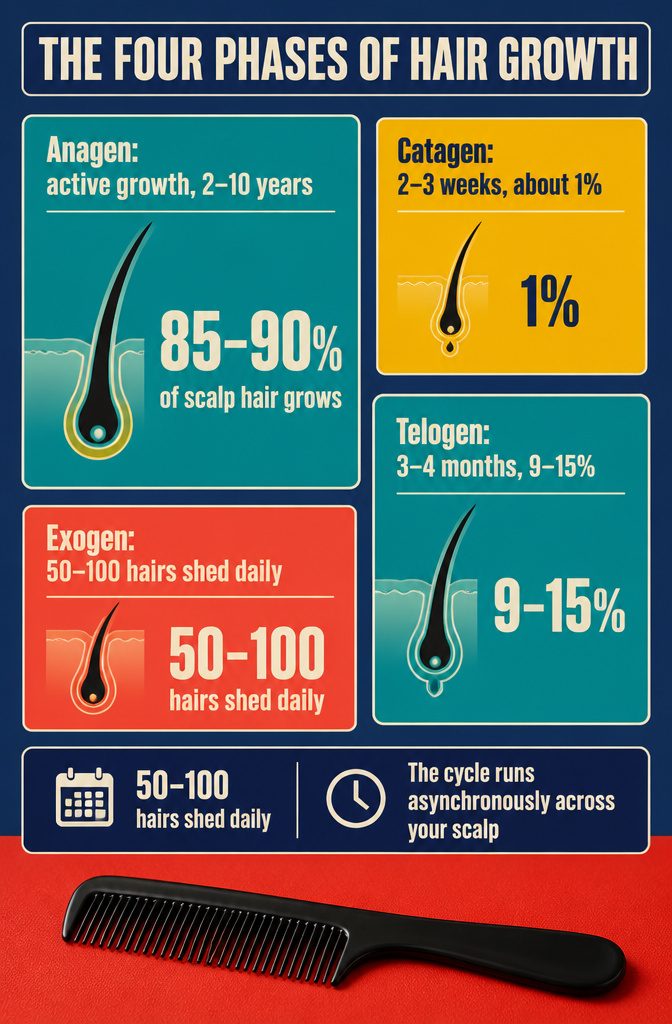
Your hair grows through four distinct phases that unfold on their own timeline, which is why no single treatment can speed up growth overnight.
The anagen phase is where active growth happens, and it lasts anywhere from two to ten years depending on your genetics. During this stretch, roughly 85 to 90 percent of the hair on your scalp is actively lengthening.
The catagen phase follows next, a brief two-to-three-week transition when growth stops and the follicle shrinks. Only about one percent of your hairs sit in this phase at any moment.
Then comes telogen, the resting phase. Growth pauses for three to four months while the follicle stays dormant, accounting for around nine to fifteen percent of your hair at a given time.
Finally, exogen arrives: the shedding phase, when old strands fall out to make room for new ones starting their anagen cycle.
Losing 50 to 100 hairs daily is normal, not a sign something is wrong. The cycle runs asynchronously across your scalp, so strands are always at different stages, which is why growth feels gradual and shedding never fully stops.
What to Expect: Half an Inch Per Month
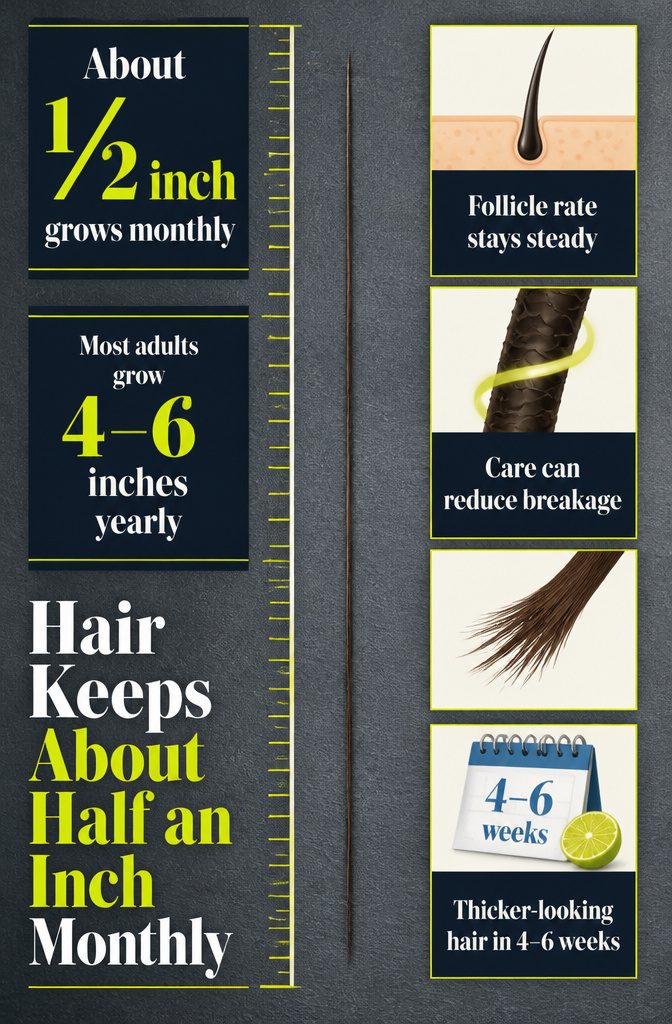
Hair grows about half an inch per month, or roughly 4 to 6 inches per year for most adults.
That rate holds steady no matter what you do; the methods in this article can’t speed up the follicles themselves, but they can help you keep the length that’s already growing instead of losing it to breakage or split ends.
The difference matters because hair that’s growing at the root can still snap off at the ends, leaving you stuck at the same length for months.
A routine that strengthens each strand and stops the fraying means more of what grows actually stays on your head.
If breakage has been holding you back, you may notice hair that looks thicker and breaks less often within 4 to 6 weeks of switching up your care.
Frequently Asked Questions
Can you grow your hair faster?
You can’t speed up the rate at which follicles produce new hair, since that’s set by genetics.
What you can do is prevent breakage and protect the length that’s already growing, so more of it stays on your head instead of snapping off at the ends.
What is the process of hair growth?
Hair moves through 4 phases: anagen (active growth lasting 2 to 10 years), catagen (a 2- to 3-week transition when growth stops), telogen (a 3- to 4-month rest), and exogen (shedding).
These phases run on different timelines across your scalp, which is why growth feels gradual and shedding never fully stops.
How soon will the effects of these tips on hair growth be visible?
Hair that’s stronger and breaks less often may show up within 4 to 6 weeks of changing your routine. The follicles themselves won’t grow faster, but you’ll keep more of the length that’s already forming instead of losing it to damage.
What foods promote hair growth?
Lean meats, black beans, eggs, fish, nuts, almonds, sunflower seeds, avocado, spinach, sweet potato, strawberries, yellow peppers, flaxseed and oysters all supply the protein, zinc, vitamins A, C and E, and omega-3 that hair needs.
Eating enough protein at each meal matters, since hair is made mostly of keratin.
Do hair growth serums work for growth?
Consistent use may strengthen follicles and support new growth, but results take time.
Allow 6 months before judging whether a serum is working, and if shedding feels unusual or sudden, see a dermatologist rather than treating it as something you can solve at home.
How often should I massage my scalp for hair growth?
3 to 5 minutes each day brings blood flow to the follicles, delivering oxygen and nutrients that support growth. You can do this while shampooing or on dry hair before bed.
What is the quickest your hair can grow?
Hair grows about half an inch per month, or roughly 4 to 6 inches per year for most adults.
That rate is set by genetics and holds steady no matter what you do, though healthy care helps you keep the length that’s already growing instead of losing it to breakage.
Should I brush my hair daily?
Brushing too often causes friction that weakens the hair shaft, and if you notice breakage near the mid-lengths, pulling a brush through too many times a day is often the reason.
When you do brush, start at the ends and work upward in short sections to avoid snapping strands.





