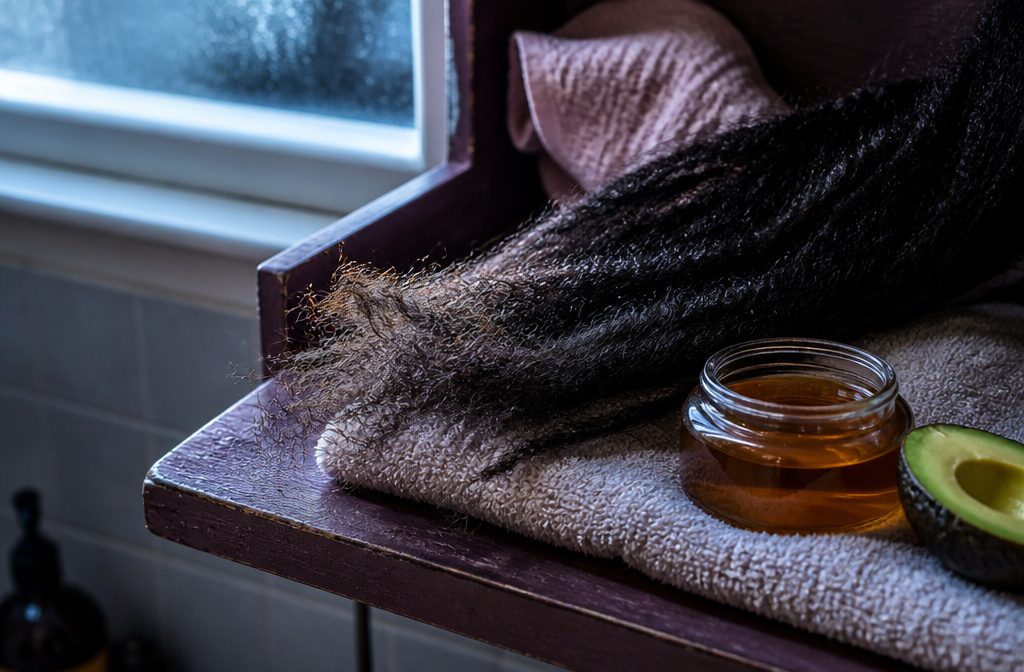
High porosity hair has a cuticle layer full of gaps that let moisture rush in fast but escape just as quickly, leaving strands dry, frizzy and prone to breakage.
The right products don’t just add water; they seal the cuticle after hydration so the strand actually holds what you gave it.
Heavier oils like castor and avocado work better than lightweight ones because their fatty acids physically fill the gaps where heat, bleach or rough handling lifted the cuticle.
What High Porosity Hair Means and Why Products Matter
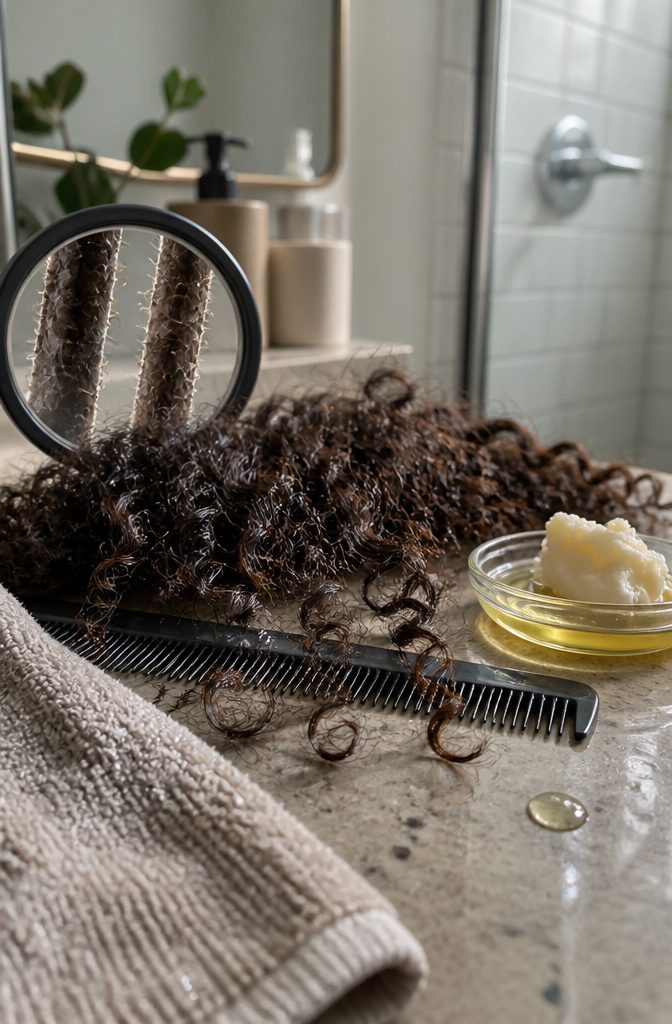
High porosity hair has a cuticle layer that sits raised or damaged, full of gaps where water and product slip in fast but escape just as quickly.
The structure lets moisture enter easily but gives it no reason to stay, so the hair dries out between washes, frizzes in humidity, tangles more than it should, and snaps under tension that smoother cuticles handle without trouble.
Heat tools, bleach, chemical relaxers, and even years of rough handling all lift the cuticle and widen those gaps, though genetics can set the pattern from the start.
Product choice matters because hydration alone solves nothing if the strand loses it an hour later.
I look for formulas that add moisture and then help the hair hold it, usually by layering oils or butters over damp, conditioned strands to seal the cuticle as much as raised edges allow.
You’re aiming for retention, not just another round of water that evaporates by lunchtime.
How I Know My Hair Is High Porosity
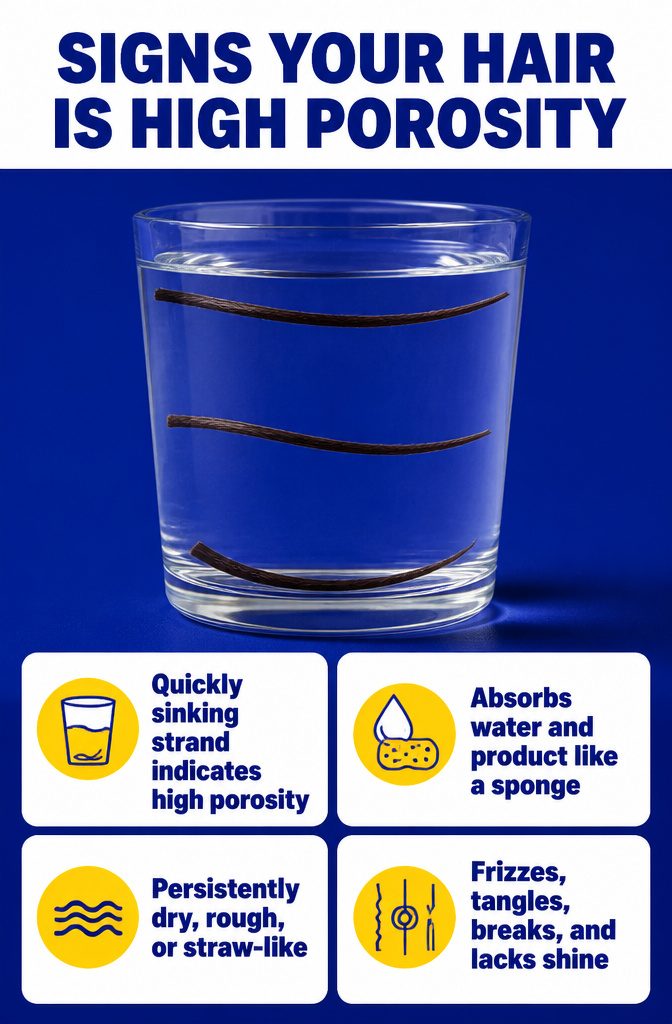
The strand-in-water test is the standard method: drop a clean strand into a glass of water, and if it sinks quickly to the bottom, the hair is high porosity.
Hair that floats for a while before sinking is low porosity; hair that descends to the middle and then gradually drops to the bottom is normal.
Beyond the test, high porosity hair shows a consistent set of problems:
- Gets wet quickly when you spray or wash it, absorbing water and product like a sponge
- Feels and looks persistently dry, even rough or straw-like to the touch
- Frizzes easily, particularly in humid weather
- Tangles and knots quickly because the raised cuticles catch on each other
- Breaks or snaps when you comb or style it
- Lacks shine, appearing dull even when clean
Drying speed gets mentioned inconsistently. Many sources say high porosity hair dries quickly, but others claim the opposite, so I wouldn’t rely on that alone.
1. Moisturizing Shampoo and Conditioner
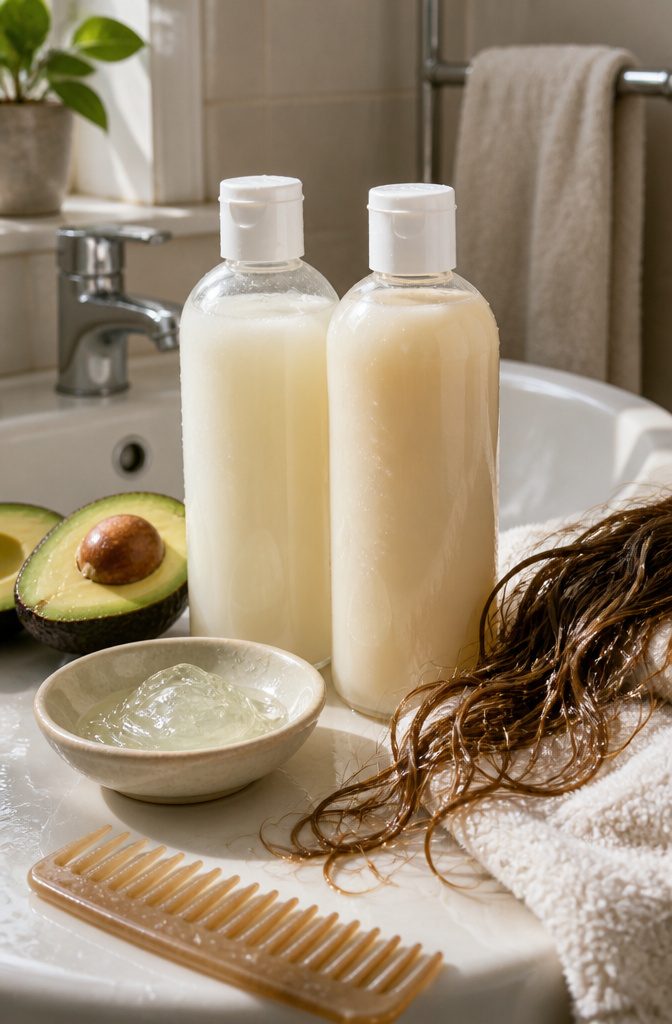
Your wash-day routine matters more than anything else you layer on afterward. Sulfate-free moisturizing shampoo and conditioner give high-porosity hair the hydration it needs without stripping what little moisture stays locked in naturally.
I start with Matrix Food For Soft shampoo and conditioner, both built around avocado oil and hyaluronic acid to hydrate while removing buildup.
L’Oréal Paris EverPure Moisture Shampoo and Conditioner work the same way: gentle cleansing, deep replenishment, no sulfates pulling moisture back out as you rinse.
Other solid options include DevaCurl No-Poo Decadence Milk Cleanser, which uses quinoa proteins to soften porous strands, and Olaplex No. 4 Bond Maintenance Shampoo, designed to hold internal moisture and prevent breakage.
Always rinse with lukewarm water instead of hot. Hot water opens the cuticle further, and high-porosity hair already loses moisture faster than it should.
2. Deep Conditioners, Masks, and Treatments
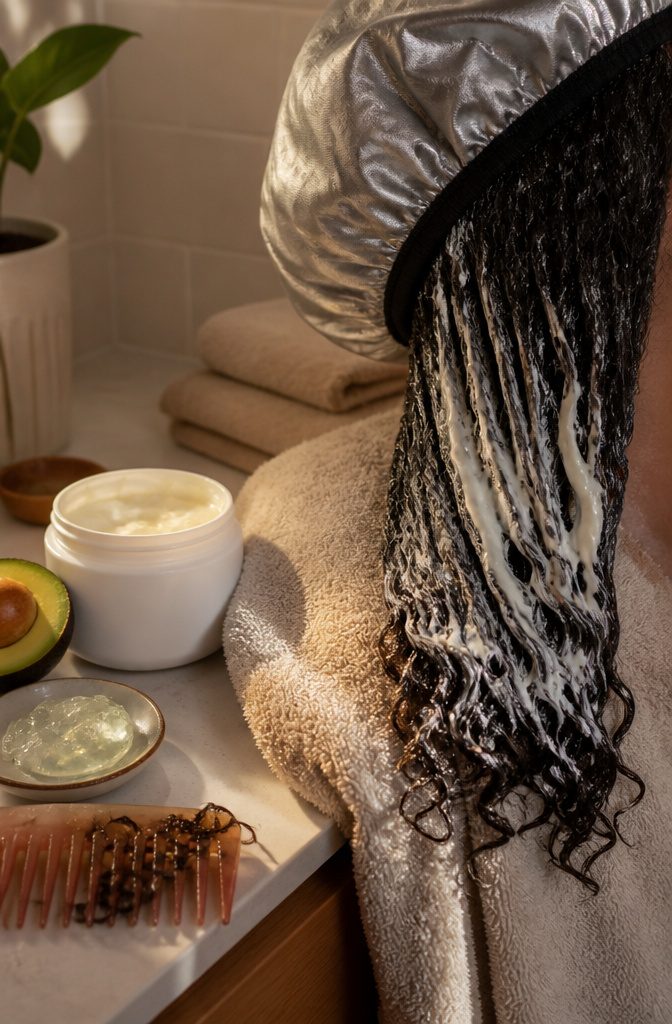
High-porosity hair drinks up moisture fast and loses it just as quickly, so weekly deep conditioning keeps it soft and manageable instead of dry and scraggly.
I reach for products that deliver serious hydration without weighing strands down. Matrix Food For Soft Hydrating Hair Mask, infused with avocado oil and hyaluronic acid, locks in moisture where it counts.
L’Oréal Paris offers solid deep conditioners too, including the EverPure Sulfate Free Deep Nourish Conditioner, formulated for dry, brittle hair that needs extra nourishment.
L’Oréal Paris recommends a weekly deep conditioning session with heat—a steamer, hooded dryer, or heat cap all work—to push hydration deeper into the hair shaft and help it stay there longer.
3. Leave-In Products, Oils, and Serums
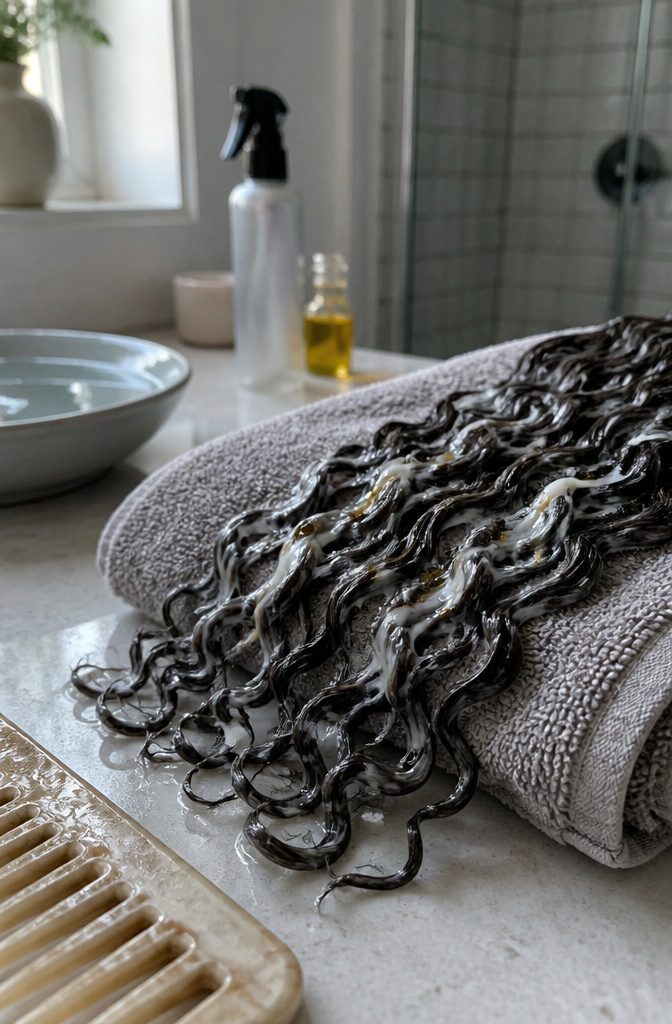
Leave-ins hold moisture in after you rinse everything else out, and high porosity hair loses water fast enough that something between wash days makes a real difference.
L’Oréal Paris Elvive Dream Lengths Curls Leave-in Conditioner works with hyaluronic acid and castor oil to soften curls and keep them hydrated long enough that you’re not re-wetting them every morning.
The same line’s Hyaluron + Plump Moisture Plump Serum sprays on as a creamy shot of hydration when your hair needs it but a full deep conditioning session isn’t happening.
For high-porosity hair, experts agree that oil should be layered when the hair is hydrated but not dripping wet, so it can seal moisture inside the cuticle rather than just coat the surface.
— Allure
Timing matters more than the product itself. Damp, towel-squeezed hair after your leave-in lets the oil lock water in instead of sliding off or sitting on top doing nothing useful.
L’Oréal Paris EverPure Bond Repair Oil-in-Serum and similar products from Matrix layer protection and shine without weight. If heat or chemical damage got you here, styling products that guard against further breakage belong in rotation too.
4. Hair Oils for Specific Needs
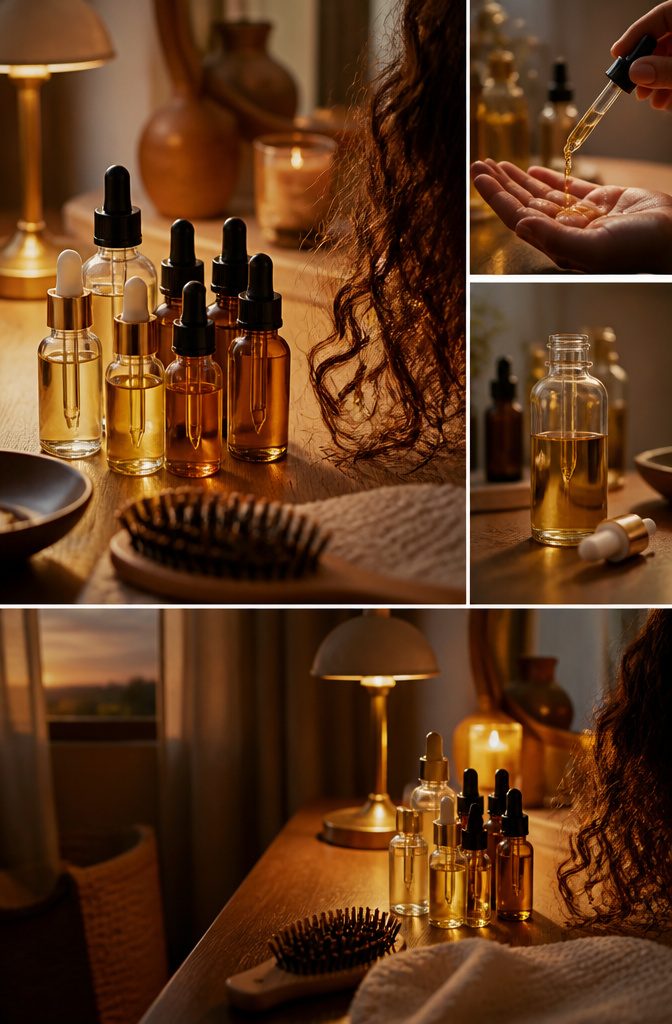
Each of these fits a different task, so pick by the one your hair resists most.
- Cécred Oil Ritual ($48) for damaged hair that breaks easily or feels rough along the length
- Hollywood Beauty Batana Oil ($9) for frizz that lifts the moment humidity climbs
- Kérastase Elixir Ultime ($62) for heat styling; wild camellia, marula and argan oils let the blow-dryer glide instead of catching and crisping the strand
- Ceremonia Aceite de Moska ($34) for buildup from heavy products that sit on the surface rather than absorbing
- Redken All Soft Argan-6 Oil ($38) for split ends traveling up the shaft
- Olaplex No.7 Bonding Oil ($30) for color-treated hair; protects to 450 degrees and seals without a greasy film
- Carol’s Daughter Strength 7 Oil Blend ($14) for tighter curls that dry out faster than looser patterns
High porosity hair drinks product fast but loses moisture just as quickly, so the oil you choose should seal the cuticle tight enough to hold what you just put in.
5. Oils and Butters as Sealants
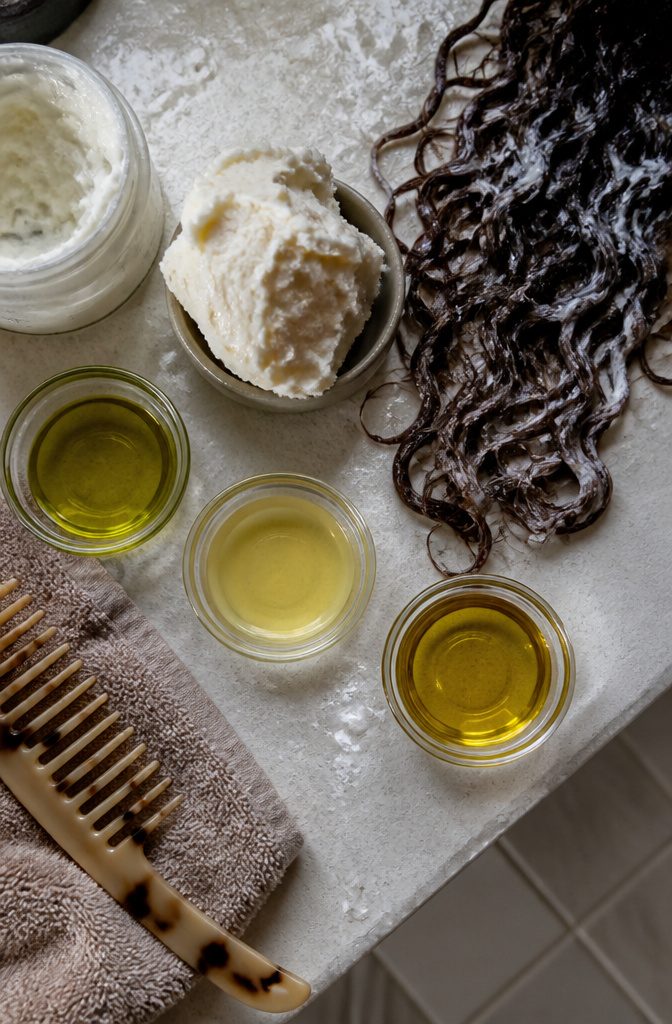
Oils and butters work as sealants after you have added moisture, not as moisture sources themselves.
High porosity hair has gaps in the cuticle that let water rush in and then straight back out, so you need to plug those gaps long enough for the hair to use what you gave it.
Heavier oils and butters do that job better than lightweight ones. Their fatty acids physically fill the space where the cuticle has lifted or been damaged, slowing how fast moisture evaporates.
Castor, avocado, and olive oil all carry enough weight to seal effectively.
Argan, jojoba, and grapeseed oils also appear often in products designed for this hair type. Shea and mango butter bring the same sealing benefit in a thicker form.
I rely on these after a leave-in conditioner or cream has gone on damp hair, because applying oil to dry hair does almost nothing for porosity. The sequence matters more than the specific oil you pick.
6. Protein Products and Treatments
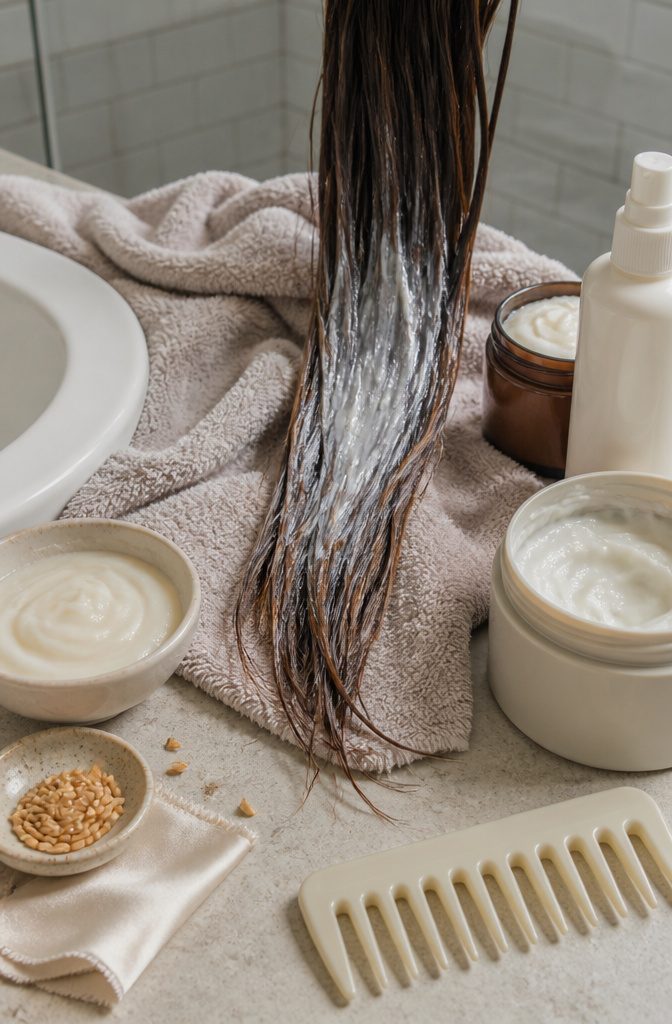
Protein conditioners and masks rebuild the internal structure of strands that have been weakened by heat, chemical treatments, or mechanical stress.
High-porosity hair often has gaps in the cuticle layer, and protein temporarily fills those gaps, making the strand more resilient to tension and breakage.
I use a protein treatment every one to two weeks, adjusting frequency based on how my hair responds.
Too much protein leaves hair stiff and brittle, so if strands start to feel hard or snap easily, back off and add more moisture for a week.
Look for products listing keratin, hydrolyzed wheat protein, or silk protein in the first half of the ingredient list.
These bind to the damaged sites along the hair shaft and shore up weak points. After a protein mask, I always follow with a moisturizing conditioner or leave-in to balance the strengthening with enough slip and hydration.
Protein alone is not enough, but paired with the right moisture routine, it keeps high-porosity hair from turning to straw.
7. LOC or LCO Layering
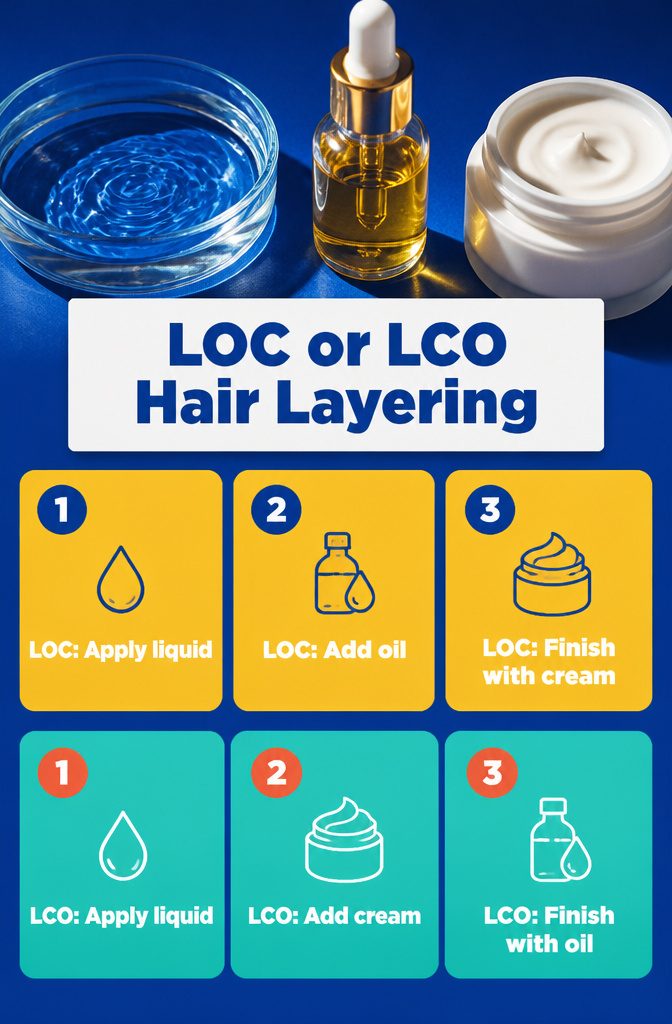
High-porosity hair holds onto moisture better when you layer products in a specific sequence.
The LOC method applies liquid first (water or a water-based leave-in conditioner), then oil (lightweight options like argan, jojoba, or grapeseed), and finally cream (a butter or cream to seal everything in).
The LCO method flips the last two steps, finishing with oil instead of cream.
Both work, and I find the choice comes down to texture: LCO leaves hair feeling lighter because oil sits on top, while LOC gives slightly more definition and frizz control with that final cream layer.
L’Oréal Paris formulas like Elvive Dream Lengths No Haircut Cream Leave In work well as the cream step, and HeyCurls also covers both sequences for anyone who wants to test which one their hair prefers.
8. Pre-Shampoo Oil Treatment
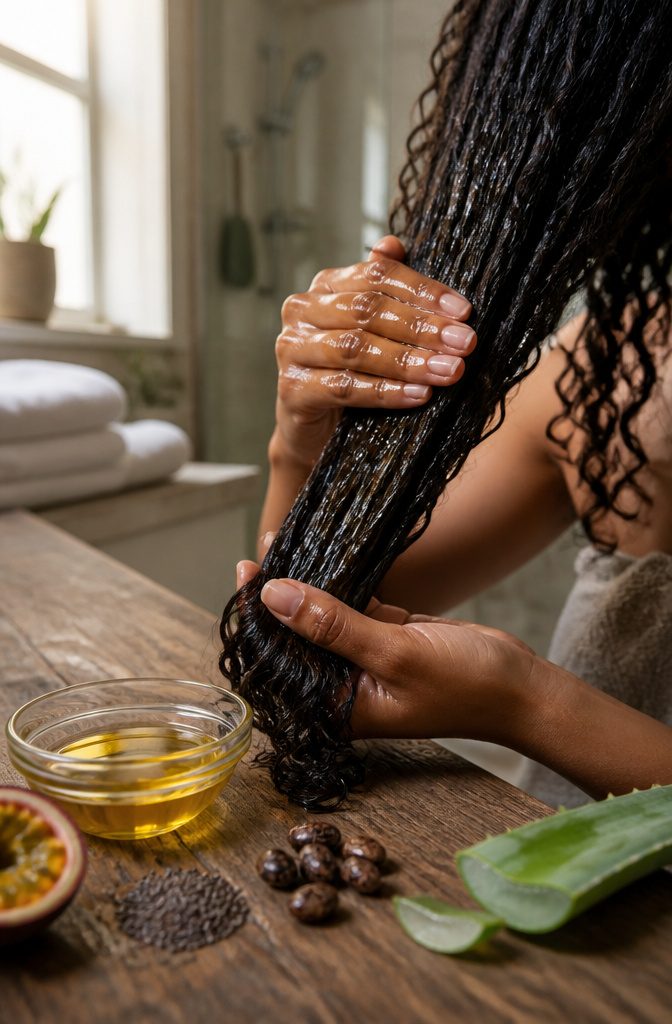
Pre-shampoo oil pulls buildup and debris off the strand before you wet it, which matters more on high-porosity hair than most people expect.
Any film sitting on the cuticle blocks moisture from reaching the core, so washing over it just traps dryness underneath.
Ceremonia Aceite de Moska dissolves that barrier first with passionfruit, castor and chia seed oils, then rinses clean so the conditioner you use afterward can actually penetrate. Aloe calms irritation without weighing anything down.
I like this step for anyone dealing with scalp flaking or excess oil at the root, and it works especially well after color or lightening, when porosity spikes and buildup becomes stubborn.
Nanoil recommends their pre-wash oil for damaged hair and suggests applying every two to three days until the texture improves, then spacing out as the cuticle smooths.
9. Clarifying or Detoxifying Products
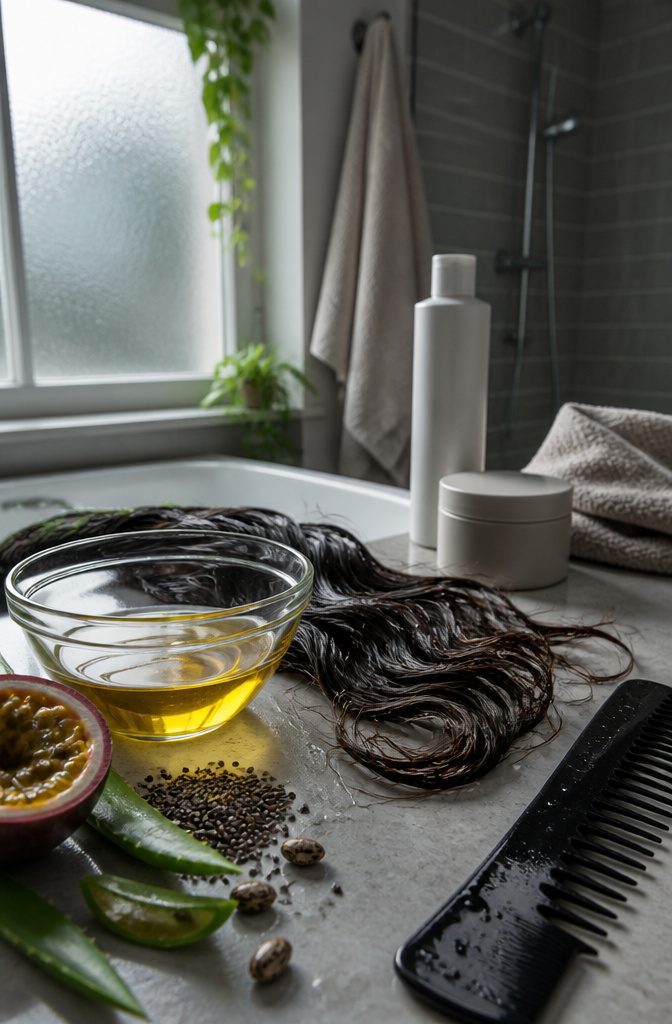
Product buildup sits on the cuticle and blocks moisture from reaching the strand beneath, which matters more when the hair is already porous and leaking water.
L’Oréal Paris recommends a clarifying shampoo once a month to strip away the residue from heavy creams, oils and styling products, keeping the scalp clean and the hair able to absorb what you put on it afterward.
Allure covers a pre-wash oil that clears buildup before you even reach the shampoo.
Ceremonia’s Aceite de Moska uses castor, chia seed and passionfruit oils to dissolve debris and excess sebum at the root and along the shaft, forming a light protective film when rinsed. The aloe vera keeps the scalp balanced.
Running the oil first means the conditioner and sealing products that follow actually reach the core rather than sitting on top of old product. Then follow with clarifying shampoo to finish the reset.
10. Heat Protectants and Heat-Conscious Styling Products
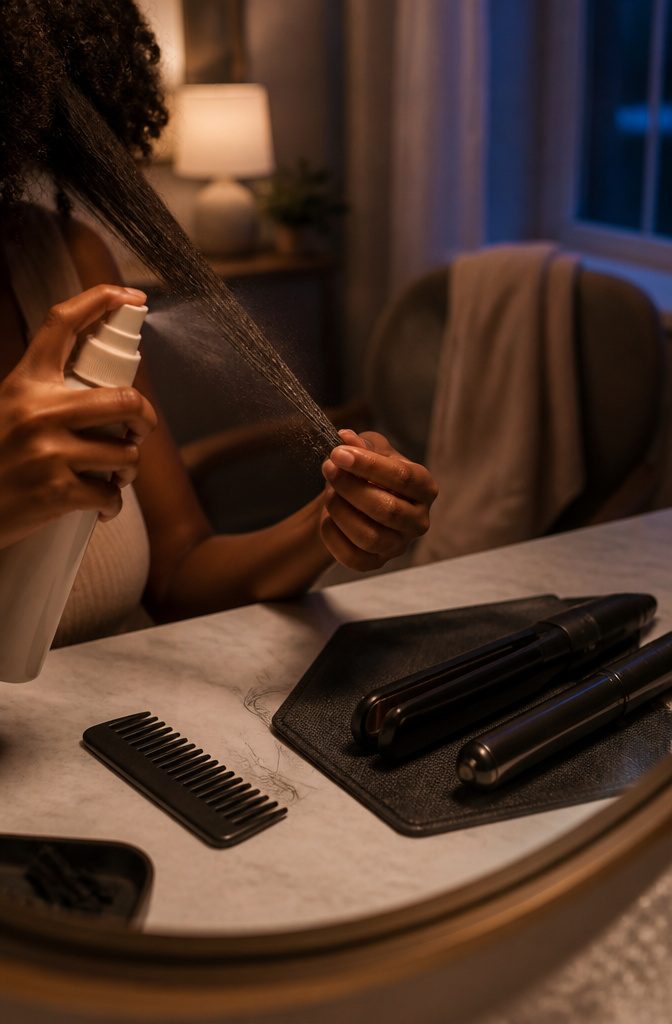
High-porosity hair loses moisture quickly once heat styling opens the cuticle even further, so a protectant rated to at least 450°F covers the temperatures a flat iron or curling wand actually reaches.
HSI Professional Argan Oil Heat Protector hits that mark and works on damp hair before you blow-dry or on dry hair right before you use a hot tool.
L’Oréal Paris and Matrix both make protectants built for high temperatures, and you want one that coats the strand before heat hits it rather than waiting until after the damage starts.
If you air-dry most of the time and only straighten or curl for an event, the protectant still matters for those occasional passes because each one chips away at a cuticle that already struggles to stay closed.
11. Metal Detox Routine
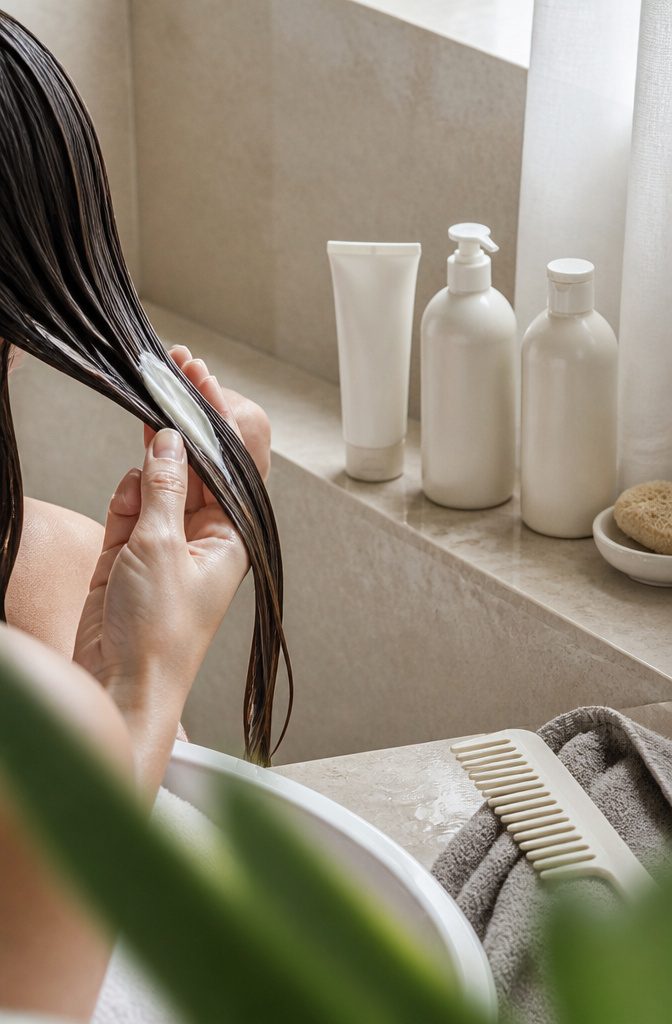
L’Oréal Professionnel’s Metal Detox range uses 2% Glicofiller to refill micro-breaks in the cuticle and cortex, addressing the structural gaps that make high-porosity hair absorb and lose moisture so quickly.
The pre-shampoo treatment is the anchor: it resurfaces the fiber by reinforcing weakened zones before you even wet your hair, so the shampoo and conditioner that follow can do their work on a smoother, less porous base.
I like that this routine treats porosity as a mechanical problem, not just a hydration one.
You’re adding moisture and reducing the number of entry points through which water and metal deposits from tap water flood in and disrupt the strand.
The result is hair that holds onto what you give it, breaks less easily, and reads as stronger when you run your hands through it.
12. Protective Styling
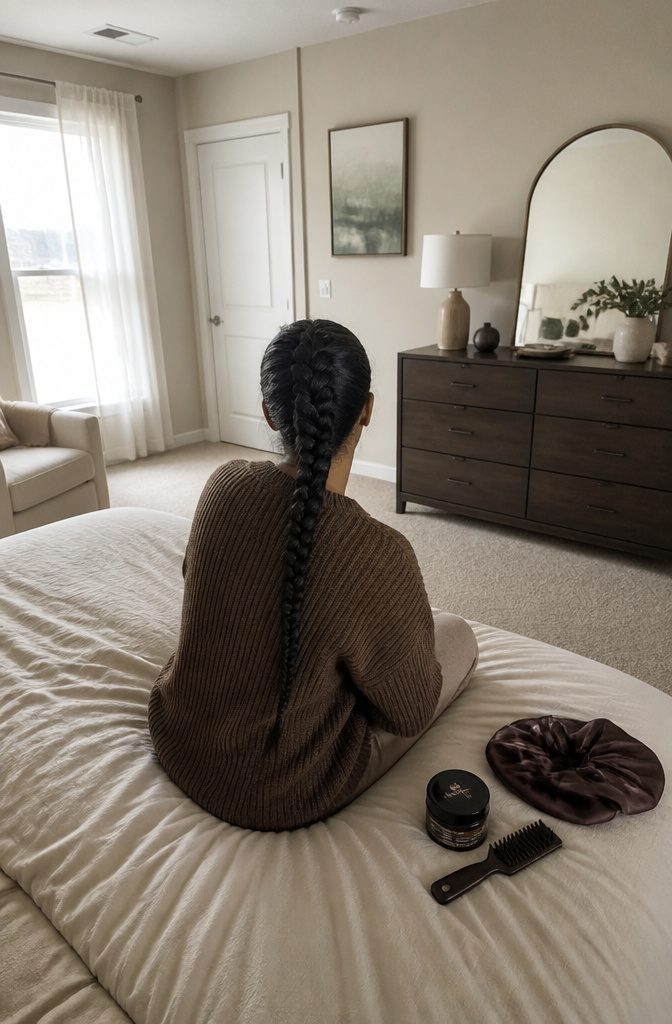
High-porosity hair breaks more easily than other types, and constantly handling it to restyle or rearrange it only makes the problem worse.
Protective styling keeps manipulation low enough for the hair to grow without snapping off. Braiding your hair, wearing wigs, or adding extensions all count as protective styling because they reduce how often you touch, comb, or reshape each strand.
Natural hair clip-ins work particularly well if you want fuller or longer hair without the daily work: clip them in once and leave them. The less you disturb high-porosity hair between washes, the less breakage you see over time.
I still apply leave-in products and sealants before putting hair into a protective style, but once the style is in, the hair stays put and I avoid the repeated tugging that would otherwise thin the ends.
How to Apply Oil to Damp Hair
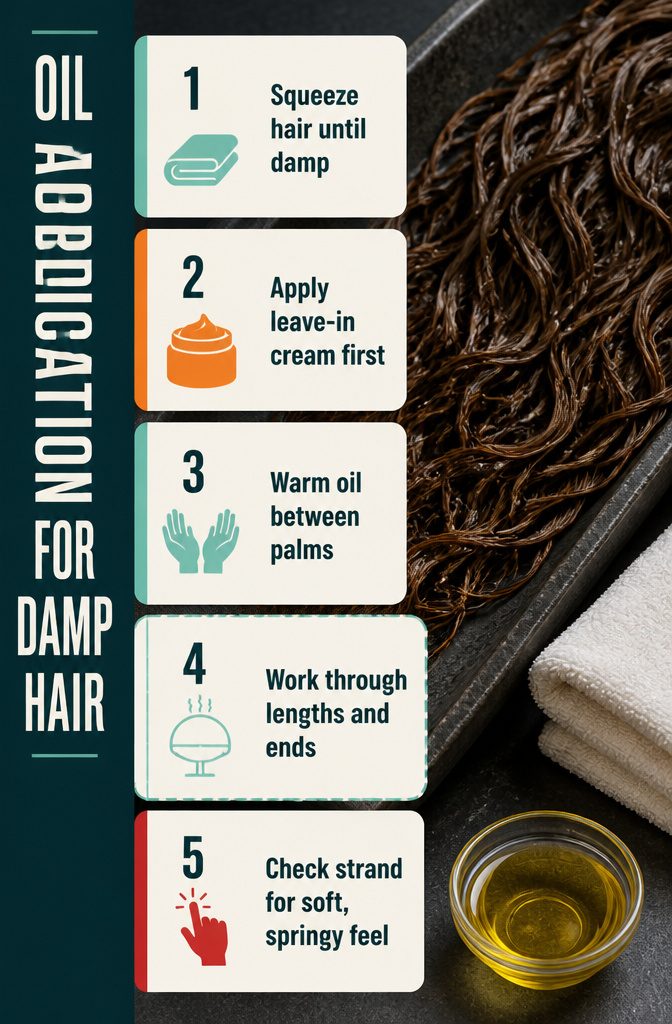
- Squeeze excess water from your hair with a towel after washing, so the hair is damp but not dripping. The cuticle needs moisture inside before oil can seal it there; on soaking wet hair the oil slides off, and on dry hair it will only smooth surface frizz.
- Apply your leave-in conditioner or cream first. These humectants pull water into the strand, and the oil you add next locks it down.
- Warm a small amount of oil between your palms, then work it through mid-lengths and ends. I skip the roots and let the weight of the oil settle where porosity runs highest.
- For deeper absorption, apply heat from a steam cap or hooded dryer for 20–30 minutes. This step is optional but pushes the oil further into the cuticle after a clarifying shampoo.
- Test absorption by touching a strand after a few minutes. Soft, springy, non-tacky hair with little transfer to your fingers means the oil has absorbed; if it slides onto your hand easily, it is still sitting on the surface.
Ingredients That Strengthen and Seal the Cuticle
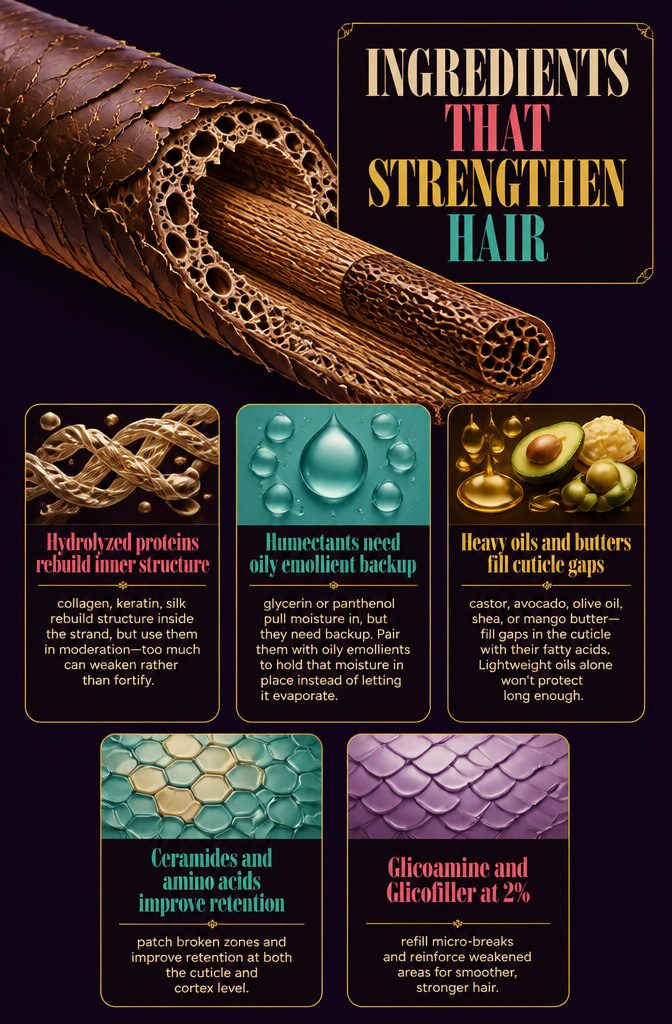
High-porosity hair needs ingredients that work on two fronts: strengthening the cortex from within and sealing the cuticle to slow moisture loss. Here’s what does both jobs:
- Hydrolyzed proteins (collagen, keratin, silk) rebuild structure inside the strand, but use them in moderation—too much can weaken rather than fortify.
- Humectants like glycerin or panthenol pull moisture in, but they need backup. Pair them with oily emollients to hold that moisture in place instead of letting it evaporate.
- Heavier oils and butters—castor, avocado, olive oil, shea, or mango butter—fill gaps in the cuticle with their fatty acids. Lightweight oils alone won’t protect long enough.
- Ceramides and amino acids patch broken zones and improve retention at both the cuticle and cortex level.
- Glicoamine and Glicofiller (at 2% concentration) refill micro-breaks and reinforce weakened areas for smoother, stronger hair.
Coconut oil divides opinion: one source flags it as too heavy for high-porosity hair, while another lists it among oils to skip entirely. I’d test it on a small section first or choose something less divisive.
Handling and Washing to Limit More Damage
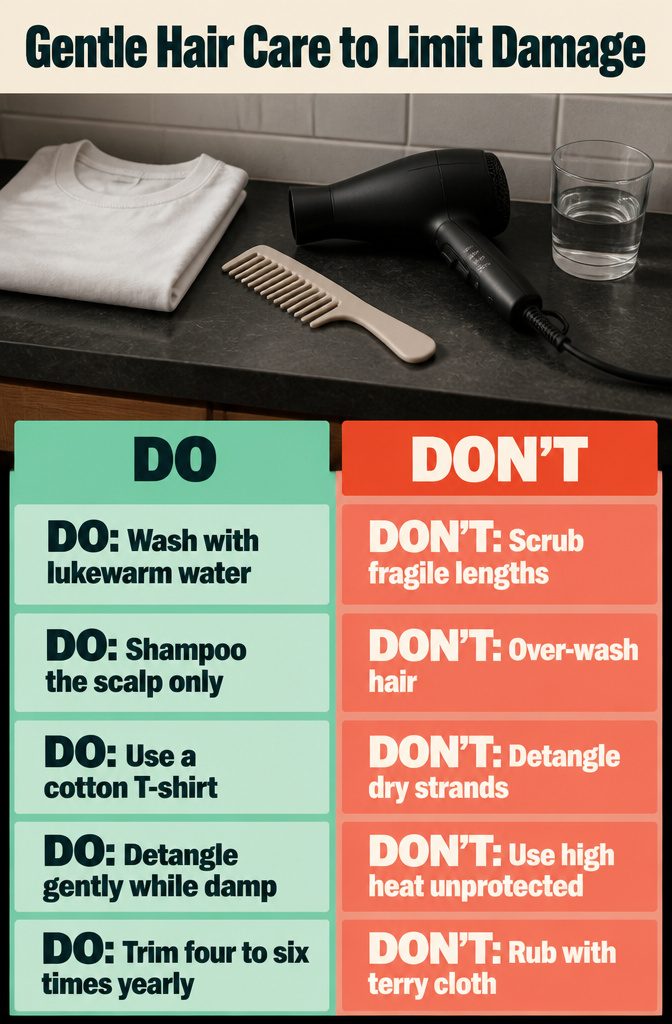
The quickest way to protect high-porosity hair from additional damage is to adjust how you handle and wash it.
- Wash with lukewarm water only. Hot water lifts the cuticles further, letting even more moisture escape. Lukewarm closes them gently.
- Apply shampoo to your scalp, not the length. The ends are already fragile. Let the lather rinse through them rather than scrubbing product directly onto damaged sections.
- Wash only when your hair actually needs it. Over-washing strips natural oils and drives more dryness into strands that already struggle to hold moisture.
- Dry with a cotton T-shirt instead of a towel. The smooth fibers cause less friction and breakage than terry cloth.
- Detangle gently on damp hair, never dry. Use a detangler for slip and work through knots with care. High-porosity strands tangle fast and snap easily.
- Air-dry whenever you can, and when you do use heat, keep the setting low and always apply a heat protectant first.
- Trim at least four to six times a year. Chemical processing, heat, sun exposure, tight updos, and repeated friction all worsen porosity. Regular cuts remove the most damaged ends before splits climb the hair shaft.
Daily, Weekly, and Monthly Routines
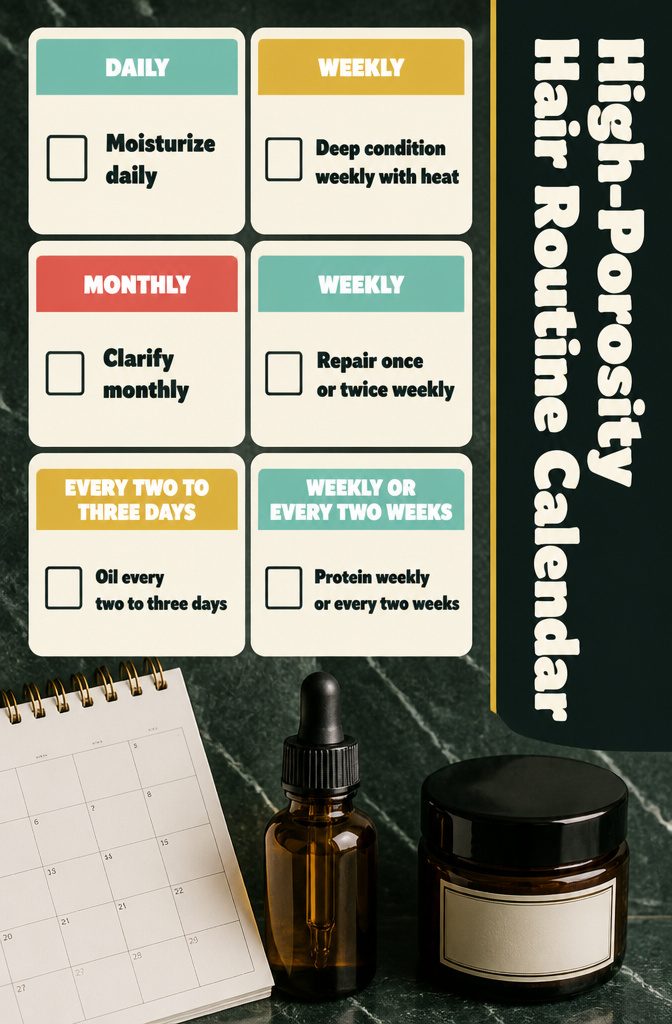
Timing these steps matters as much as the products themselves.
L’Oréal Paris recommends daily moisturizing to keep water in the hair, weekly deep conditioning with heat to push moisture deeper, and a monthly clarifying shampoo to strip the buildup that blocks absorption.
Nanoil pushes harder for extremely damaged hair: intensive repair once or twice a week and oil treatment every two to three days until you see improvement.
Protein conditioner or a protein mask fits in weekly or every two weeks, depending on how much strength your hair needs versus how much moisture.
I lean toward the twice-a-week oil if breakage is bad, then pull back to weekly once it calms down.
Frequently Asked Questions
What’s the difference between low-porosity and high-porosity hair?
Low-porosity hair resists absorbing moisture because the cuticle lies flat and tight, while high-porosity hair has a raised or damaged cuticle that lets water and product rush in fast but escape just as quickly.
The structural difference means low-porosity hair needs help opening the cuticle to let moisture in, and high-porosity hair needs help keeping moisture from leaking back out.
How do I know if I have high porosity hair?
Drop a clean strand into a glass of water.
If it sinks quickly to the bottom, the hair is high porosity. You can also spray a section with water: if it absorbs almost instantly and feels damp right away, that signals high porosity too.
Which ingredients should I look for in high porosity hair products?
Look for hydrolyzed proteins like keratin, collagen, or silk to rebuild internal structure, humectants like glycerin or panthenol to pull moisture in, and heavier oils or butters such as castor, avocado, olive oil, shea, or mango butter to seal the cuticle and slow moisture loss.
Ceramides, amino acids, and glicoamine at 2% concentration also patch broken zones and improve retention.
What’s the best way to apply hair oil to high-porosity hair?
Apply oil to damp, towel-squeezed hair after your leave-in conditioner or cream has gone on, not to soaking wet or dry strands.
Warm a small amount between your palms and work it through mid-lengths and ends, where porosity runs highest. For deeper absorption, apply heat from a steam cap or hooded dryer for 20 to 30 minutes.
How can I tell if my hair has absorbed the oil instead of the oil just sitting on top?
Touch a strand a few minutes after applying oil.
Soft, springy, non-tacky hair with little transfer to your fingers means the oil has absorbed. If it slides onto your hand easily, it is still sitting on the surface.
How can I fix my high porosity hair?
Layer moisture and sealants to slow water loss, use protein treatments every 1 to 2 weeks to fill gaps in the cuticle, and deep condition weekly with heat to push hydration deeper into the strand.
Wash with lukewarm water only, clarify monthly to remove buildup, and trim at least 4 to 6 times a year to remove the most damaged ends before splits climb the shaft.





