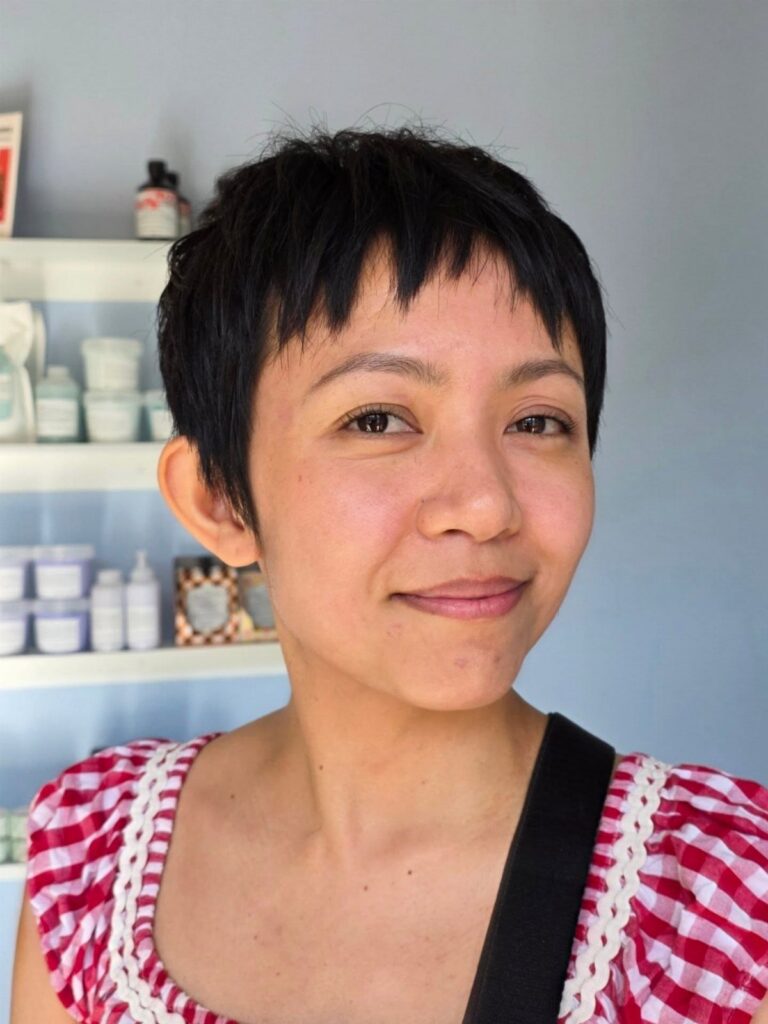
Pixie cuts, bobs, mid-lengths, bangs, and layers all show up here, with styling guidance and advice on when to bring a doctor into the conversation.
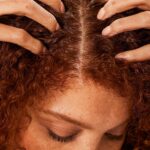
One question does most of the narrowing: where does the thinning actually show on your head?
1. Blunt Bob
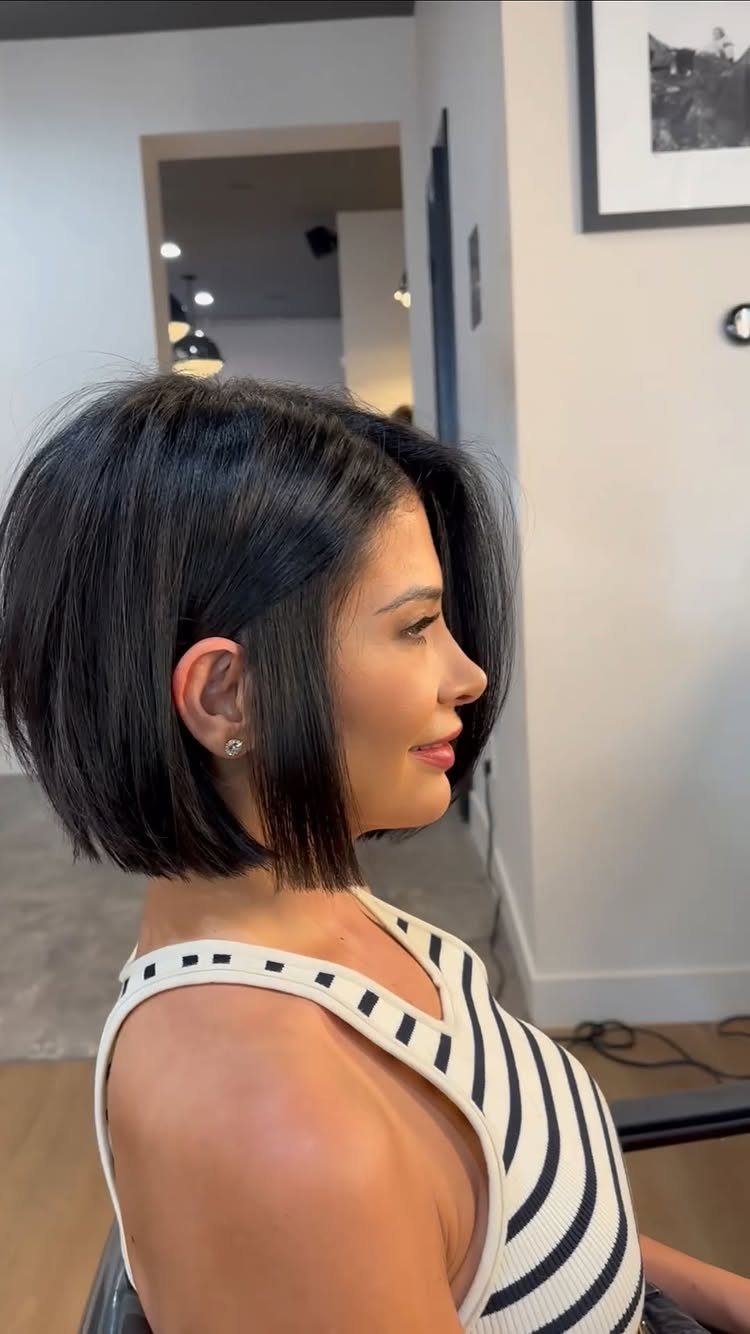
A blunt bob works for thinning hair because the clean, even cut along the bottom creates a solid visual edge, and that edge reads as density even when the hair itself is fine.
The line is everything here. Ask your stylist for a one-length bob cut straight across, no graduation, so the ends stack at exactly one weight.
A little texture spray, worked through by hand, gives it shape without flattening it down.
Thin hair is often the weakest around the front hairline, says stylist Scott Ade at Larry King Salon.
2. Full Fringe
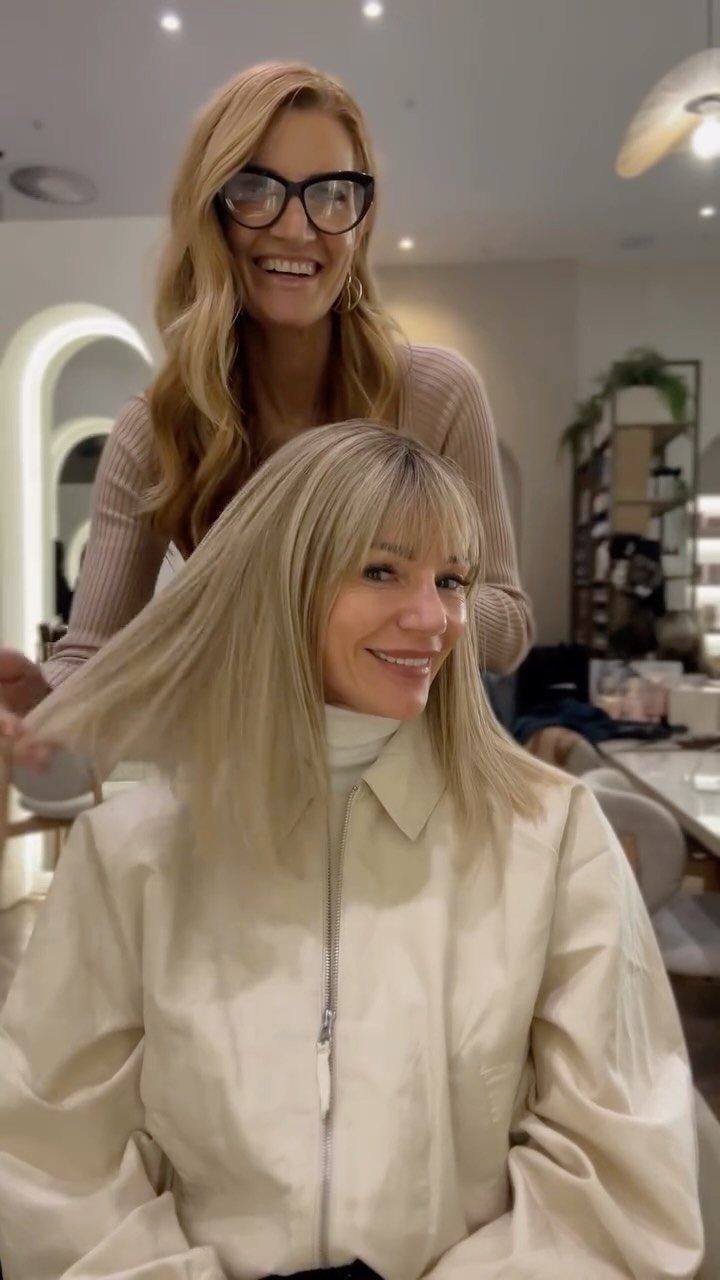
Bangs are one of the fastest ways to make a hairline look fuller, and a full fringe does it more directly than any other version.
A full fringe drawn straight across the forehead shifts the eye away from thinning at the crown or temples.
For fine hair, a soft, slightly wispy fringe holds better than a blunt-cut block; it moves naturally and doesn’t show sparse spots the way a heavy, stiff fringe can.
3. Blunt Wavy Bob
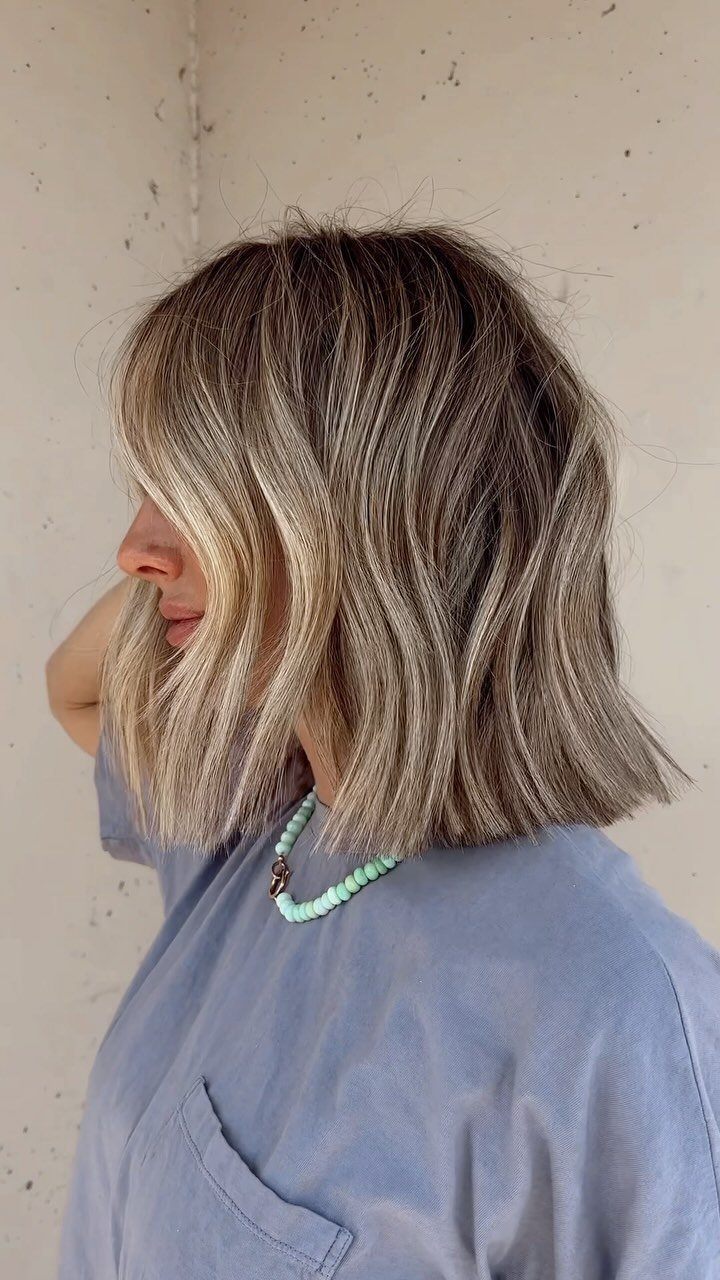
Texture is what separates this from a standard blunt bob. The wave adds visible bulk through the mid-lengths, and the blunt perimeter underneath holds the shape together so the ends still look solid.
If your hair has natural wave, a blunt cut at chin length lets that wave do its own work. If it doesn’t, a large-barrel curling iron or flexi rods on dry hair will get you close.
4. Textured Pixie
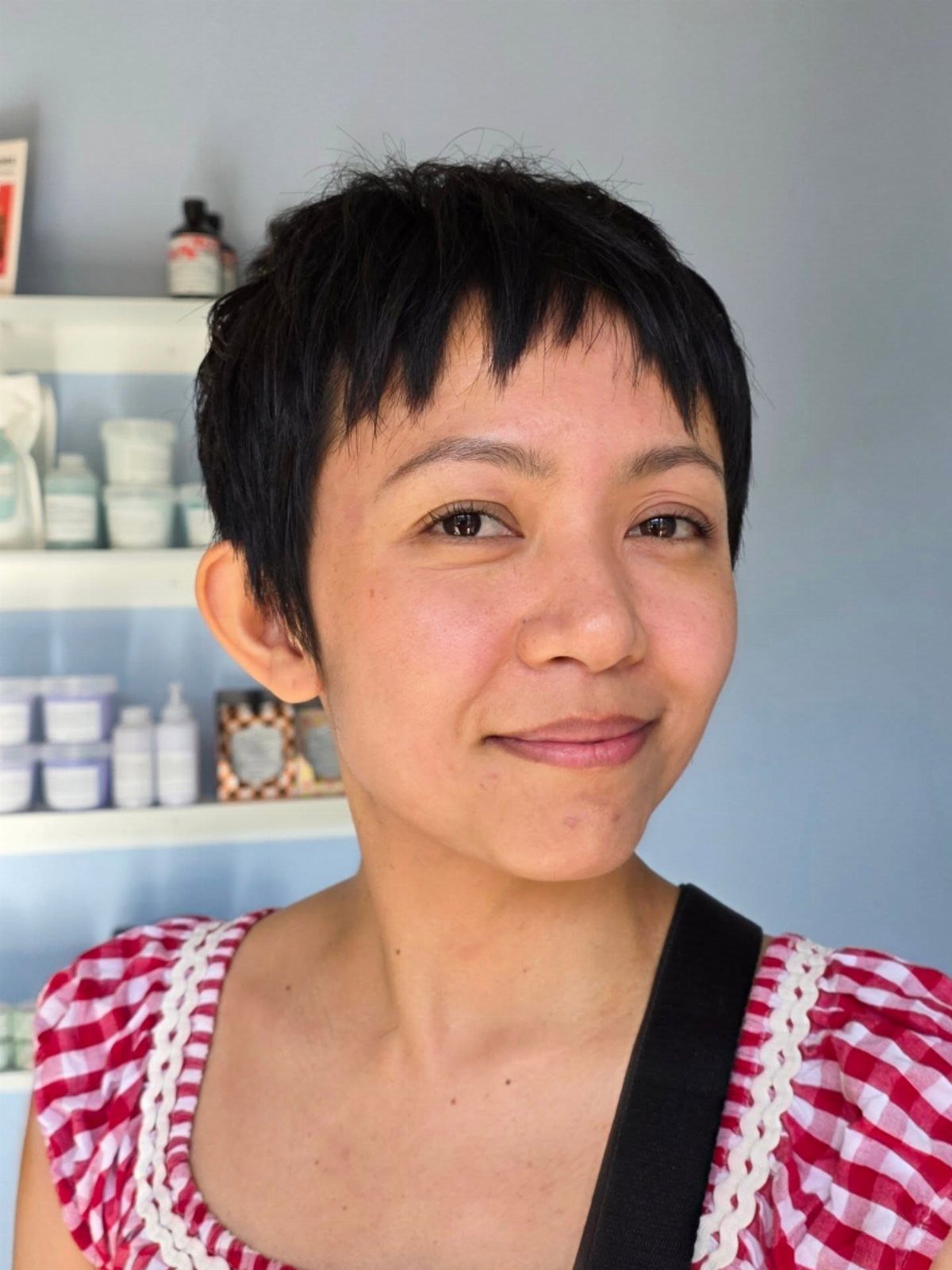
Short cuts can feel like a gamble with thinning hair, but a textured pixie sidesteps the problem by building volume right into the structure of the cut.
The longer, choppy layers on top give the stylist material to work with, and the contrast between those layers and the shorter sides creates the appearance of thickness. Ask specifically for choppy point-cutting on top rather than a smooth blend.
5. Side-swept Bangs
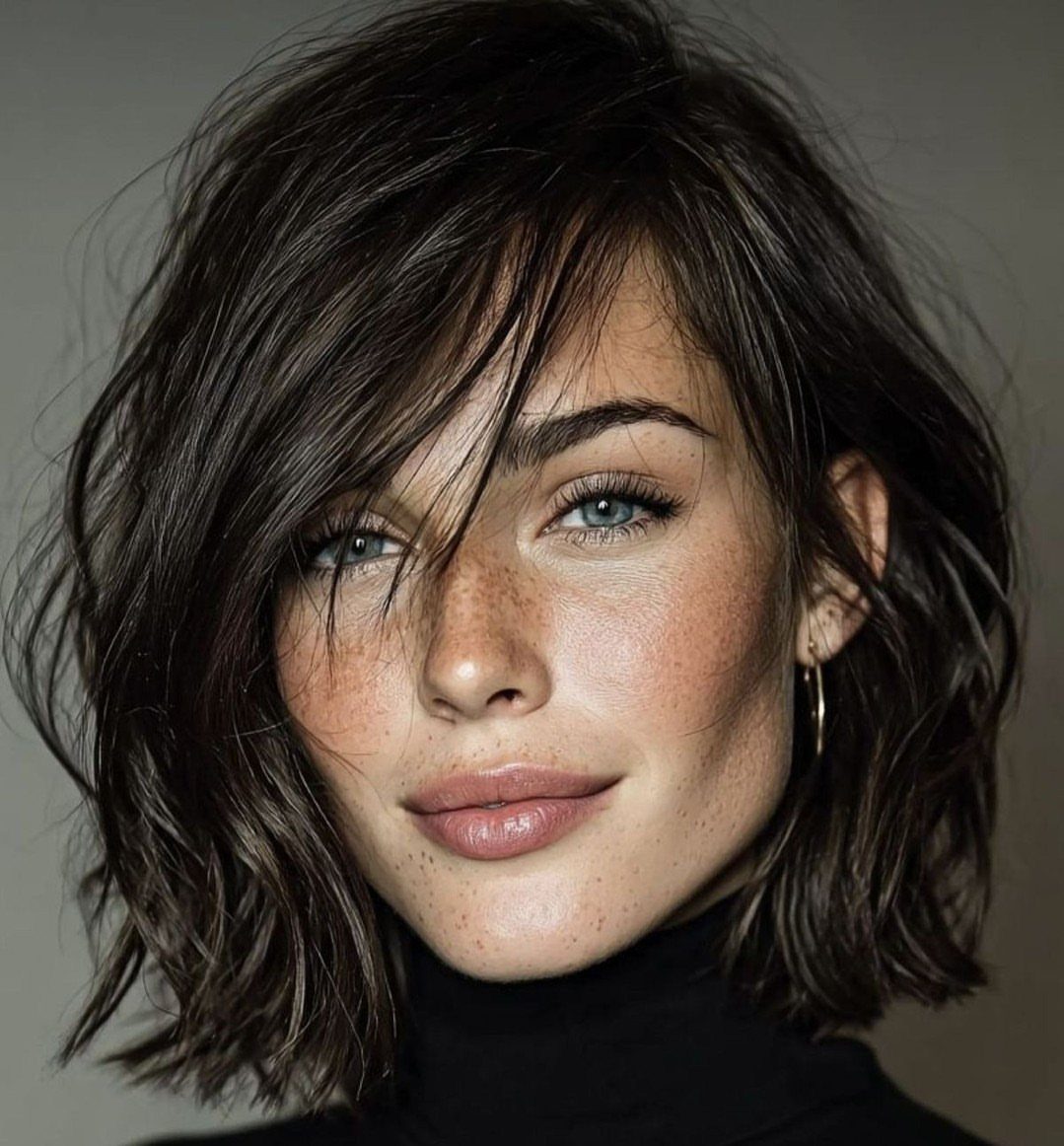
Side-swept bangs solve a specific problem: a hairline that looks sparse at the temples or a part that’s widening at the front.
The sweep crosses that area and fills it in visually. Blow-dry them across with a round brush to set the direction; they’ll hold better than air-dried.
6. Pixie with Fringe
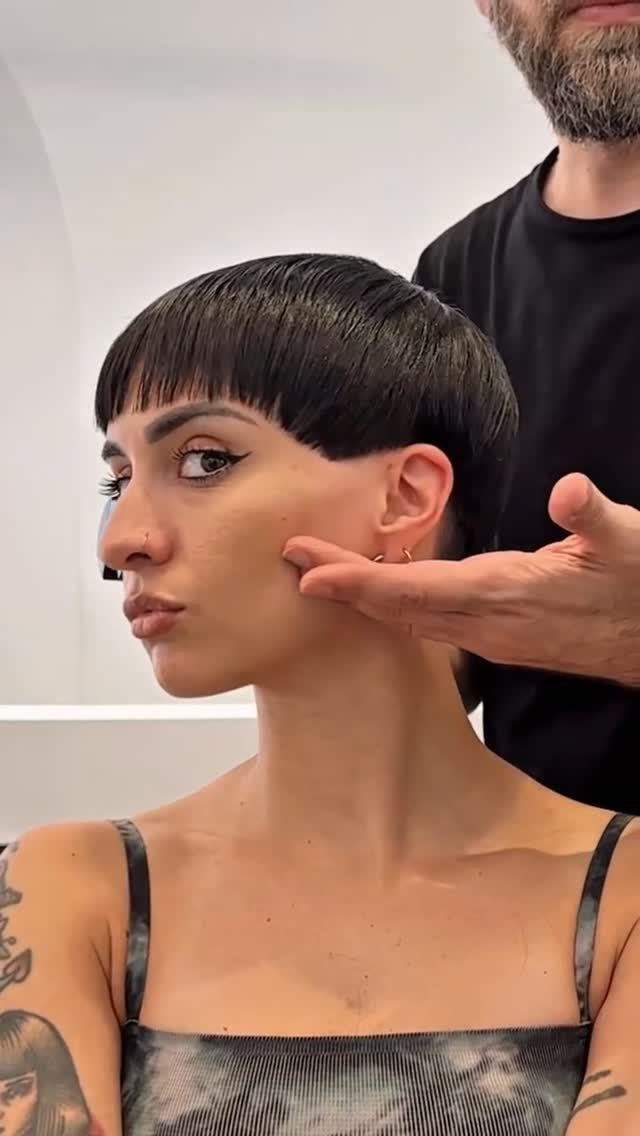
A pixie on its own can expose the hairline, but a fringe changes that entirely by covering the front and anchoring the whole cut.
Keep the fringe trimmed regularly; once it grows out and loses its clean line, the whole cut loses its point.
7. Pixie-bob
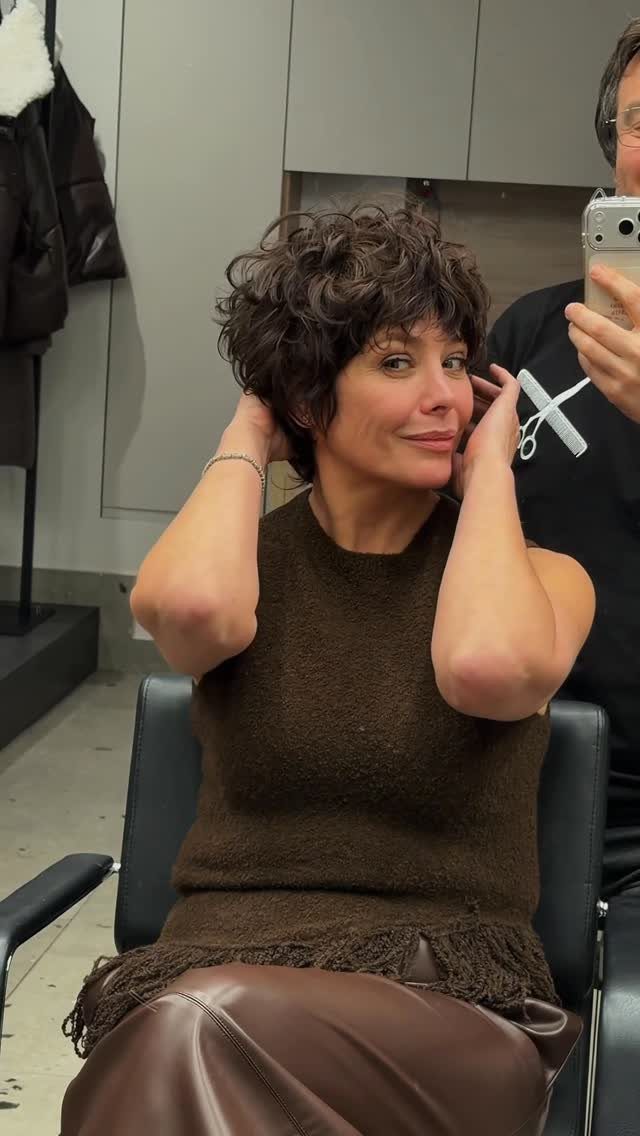
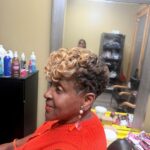
The pixie-bob sits between the 2 cuts it borrows from: shorter than a bob at the back, longer than a pixie at the sides, which gives it a softness that a straight pixie doesn’t have.
For thinning hair, the curly texture shown here is doing real work. Curl adds volume without adding length, and the face-framing pieces at the front keep it from reading as flat.
If your hair is straight, ask your stylist to point-cut the ends and work in a few soft layers at the front.
8. Curtain Bangs
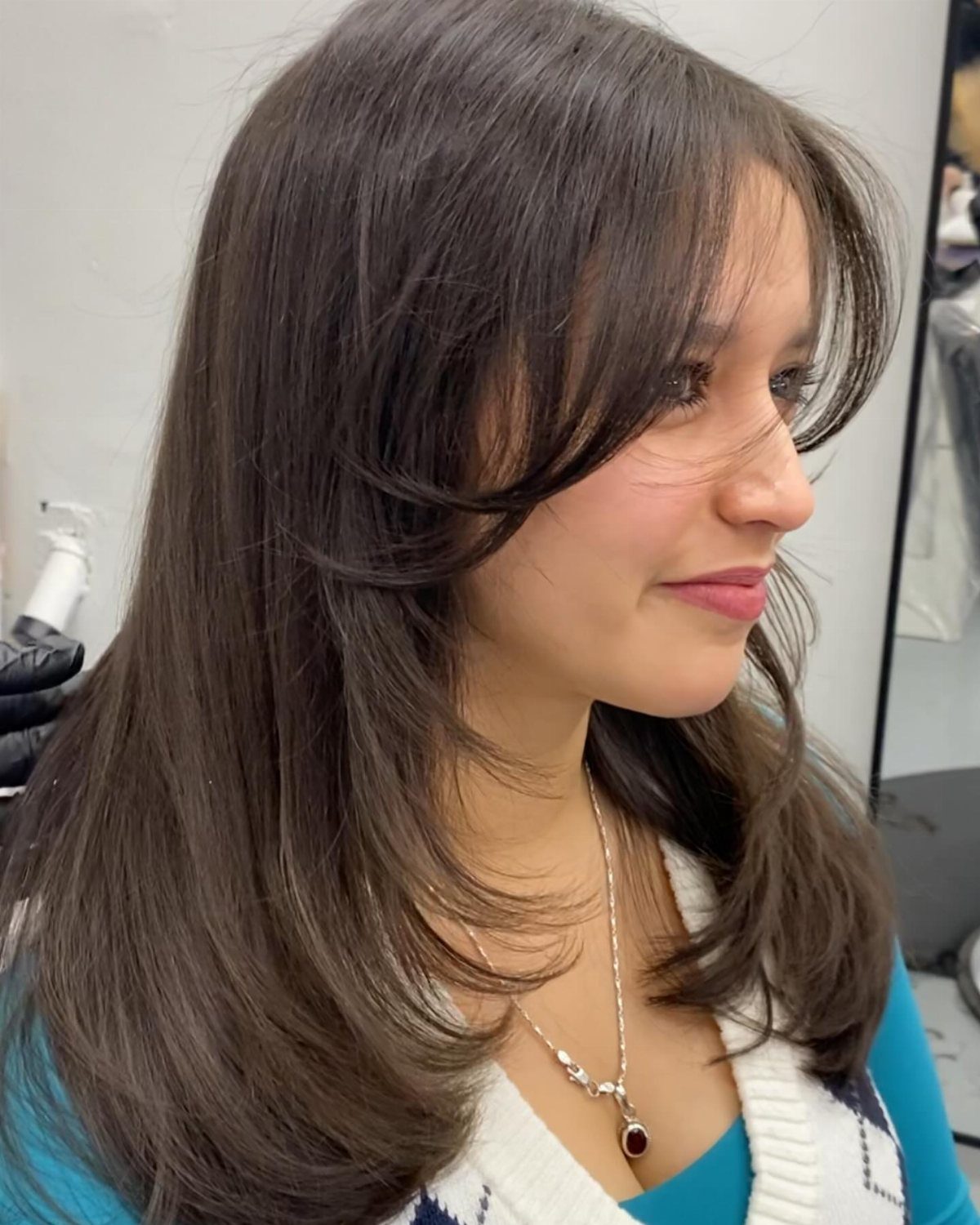
Curtain bangs split at the center and fall toward the temples, which is exactly where thinning tends to show first.
That diagonal line draws the eye inward and downward, away from any sparseness at the hairline or part.
Unlike a full fringe, they don’t require daily precision styling; a round brush and low heat set the part and the sweep, and they air-dry passably on a rushed morning.
They suit almost any length, as the photo shows, but they work especially well when kept long enough to blend into the rest of the hair.
9. Face-framing Layers
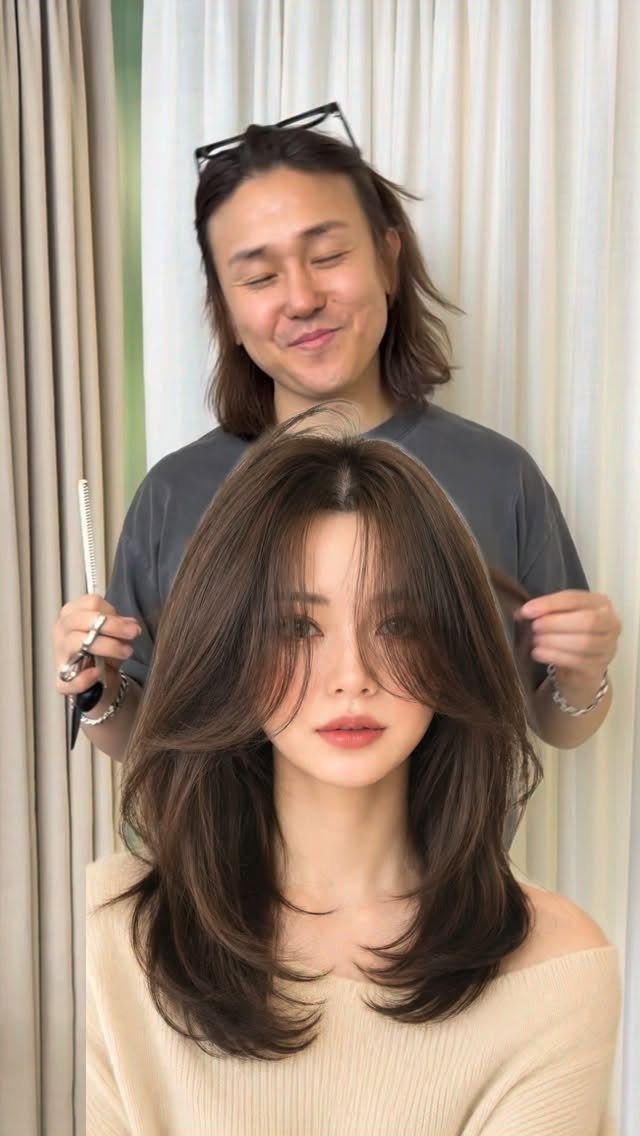
Shorter pieces cut around the face add width at the cheekbones and temples without touching the length or weight behind them.
For fine hair, that distinction matters. Taking length off the back thins the ends; face-framing layers concentrate the movement where it reads most, right around the face, while the rest stays full.
Ask for the shortest face-framing pieces to start at the chin or just above it, so they blend gradually rather than creating a visible step.
10. Shaggy Layers
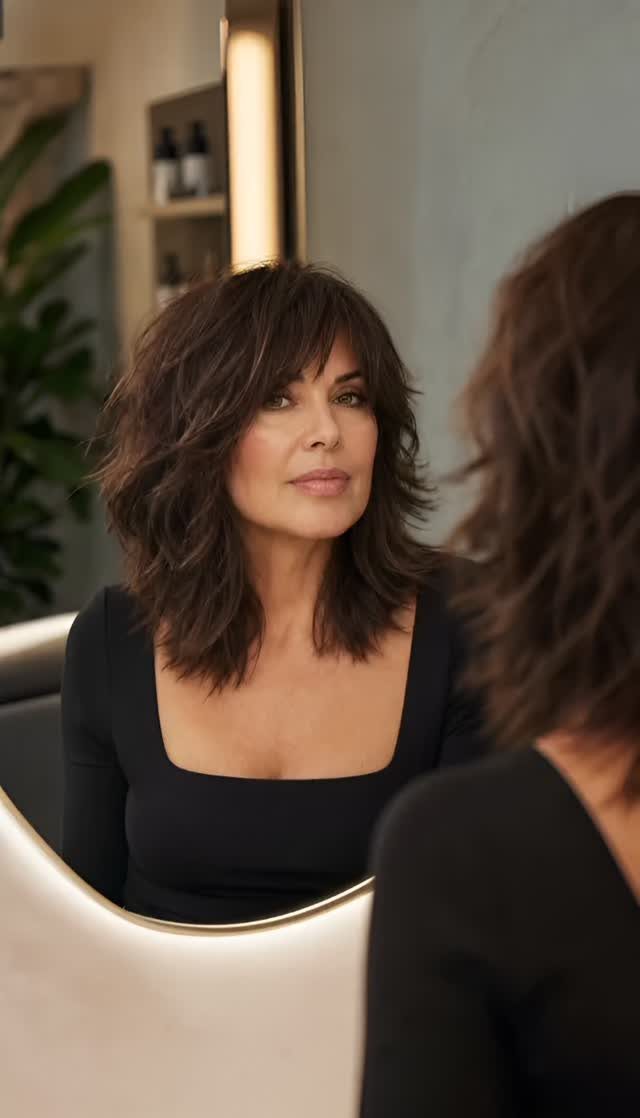
A shaggy cut works by removing weight from the interior of the hair rather than from the perimeter, which lets the ends stay full while the layers create movement through the mid-lengths.
The result looks deliberately textured, and that tousled quality is flattering for fine hair because it reads as thickness rather than revealing it.
A small amount of texturizing cream or paste, worked through on damp hair before diffusing, sets the separation and keeps the layers from collapsing flat.
11. Layered Mid-length Cut
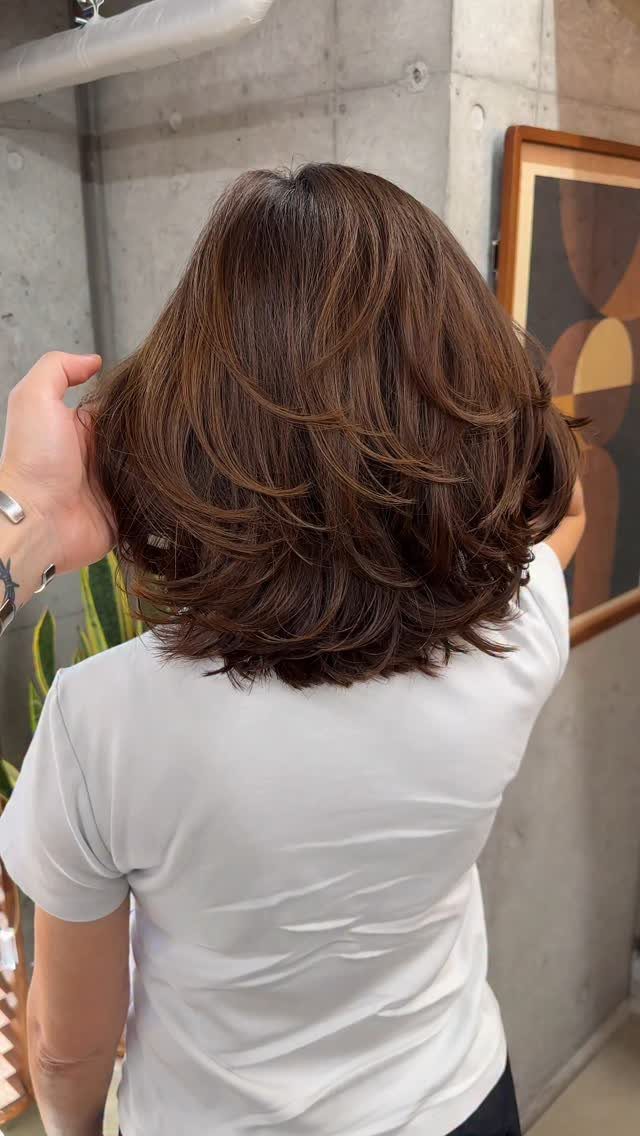
Mid-length hair sits in a useful range for thinning hair: long enough to carry soft layers, short enough that the ends don’t drag the volume down.
The layers shown here add movement through the back without sacrificing the weight at the perimeter. That balance is what keeps the ends looking full rather than wispy.
Blowdrying with a round brush, working upward from the ends, lifts the layers away from the scalp and sets them in the direction they were cut.
Styling for Root Volume
Root lift comes from product choice before it comes from technique.
A lightweight mousse or root-lifting spray applied to damp hair gives the roots something to hold onto during the blow-dry; heavy conditioners or oils cancel that out, so keep those on the lengths only.
Dry the roots first, directing them opposite the way they naturally fall, on medium or low heat. Flipping the head forward while you dry the crown is unglamorous but it works.
Once the roots are set, large rollers or Velcro rollers at the crown hold the lift while everything cools.
When to Seek Medical Advice
A good cut changes what the eye reads, not what is actually happening at the follicle.
If shedding has increased noticeably, if the part is widening over time, or if there are smooth patches, scalp pain, or any inflammation, that is a dermatologist visit, not a styling question.
Scarring conditions in particular respond to early treatment; waiting makes them harder to address. A GP can rule out systemic causes like thyroid changes or nutritional deficiencies before referring on.
Consultation and Trim Planning
Walking in and saying "I have thinning hair and want more fullness" is a better starting point than naming a cut cold.
From there, a stylist can assess your actual density, growth pattern, and how your hair behaves on a normal day, which is worth more than any single photo.
Bring 2 or 3 reference images and, if possible, a photo of your own hair on an average morning. That second photo tells the stylist what they are actually working with.
Ask directly about home styling time and how the cut grows out, since a shape that requires a trim every 5 or 6 weeks to stay crisp is a different commitment than one that holds for longer.
Frequently Asked Questions
Which haircut is best for thin hair in women?
A blunt bob or a textured pixie are the 2 cuts that do the most work for thinning hair, though the right answer depends on where the thinning is.
A blunt bob creates a solid visual edge at the ends that reads as density even when the hair itself is fine; a textured pixie builds volume directly into the structure of the cut through choppy layers on top.
For mid-length hair, a layered cut that keeps weight at the perimeter while adding movement through the back is a strong middle option.
Are layers good for thin hair?
Face-framing layers and light internal layers work well; too many layers cut throughout is where the problem starts.
The face-framing approach adds width at the cheekbones and temples without touching the length or weight behind, which is the distinction that matters for fine hair.
Over-layering can make the ends look wispy and stringy, so the goal is targeted placement rather than layers all over.
What should you avoid with thin, fine hair?
Heavy creams, oils, and rich conditioners flatten fine hair and should stay off the roots entirely. Over-layering is the cut mistake most worth avoiding: too many layers through the lengths makes the ends look stringy rather than full.
On the styling side, avoid overdrying or overworking the hair with heat, since that is when volume collapses; medium heat and keeping products lightweight are the 2 habits that protect what the cut creates.
Can the right hairstyle make thinning hair look thicker?
Yes, though it changes the appearance rather than the underlying density. A blunt perimeter, choppy layers, and bangs that cross sparse areas at the hairline all create the impression of thickness by controlling where the eye goes.
A cut alone is not a treatment for thinning, so if the part is widening over time or there are smooth patches or scalp changes, that warrants a dermatologist visit alongside any styling choices.
Does thin hair look better short or long?
Shorter cuts tend to look fuller because removing length removes the weight that drags volume down, but long thin hair is a real option.
A shoulder-length or collarbone-length cut gives the most flexibility: light enough to stay bouncy, long enough to carry layers and styling variety. Ultimately it comes down to personal preference, and the bigger factor is cut technique rather than length alone.
What can a woman do for thinning hair?
On the cut side, the most effective moves are a blunt perimeter to fake density at the ends, bangs to cover a thinning hairline, and face-framing layers to add width at the temples without sacrificing length.
For styling, a lightweight root-lifting product applied before blow-drying, combined with Velcro rollers at the crown while the hair cools, adds lift that holds.
If shedding has increased noticeably, the part is widening, or there are any smooth patches or scalp changes, a GP or dermatologist can check for systemic causes like thyroid changes or nutritional deficiencies before a referral.