Salt lifts the layer of styling residue, oil and flaked skin that shampoo alone can’t shift. The scrubs below range from gentle pink Himalayan formulas for sensitive scalps to coarser white granular options that cut through heavier buildup.
Most people use a scrub once a week, though very oily scalps can go twice and thick hair that doesn’t collect much buildup can stretch it to twice a month.
1. Charcoal Scalp Scrub
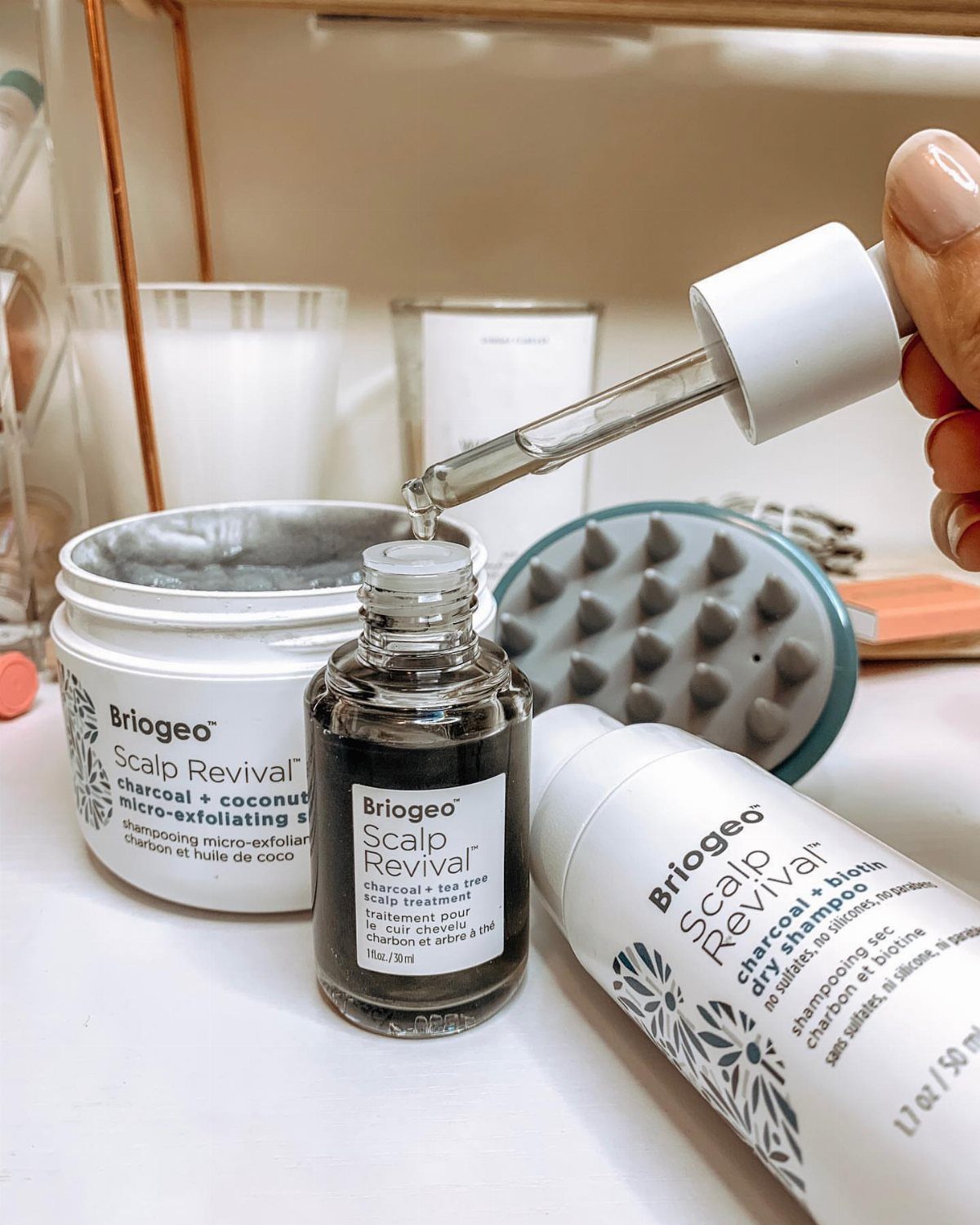
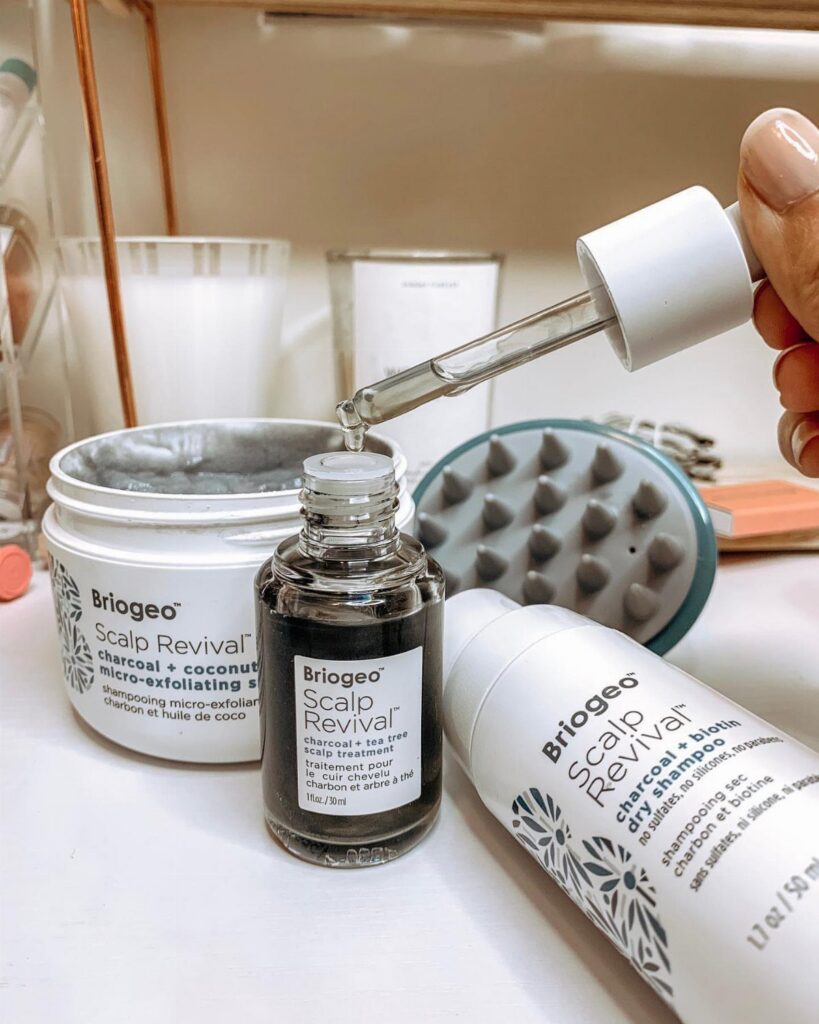
Charcoal pulls oil and product residue off the scalp while the scrub lifts away dead skin and flakes.
If your scalp feels heavy between washes or you use a lot of dry shampoo, this combination clears out what regular shampoo leaves behind.
Apply it to damp hair before shampooing, work it through with your fingertips in small circles, then rinse thoroughly. The charcoal can be drying if used too often, so once a week is enough for most people.
2. NatureLab Perfect Shine Scalp Scrub
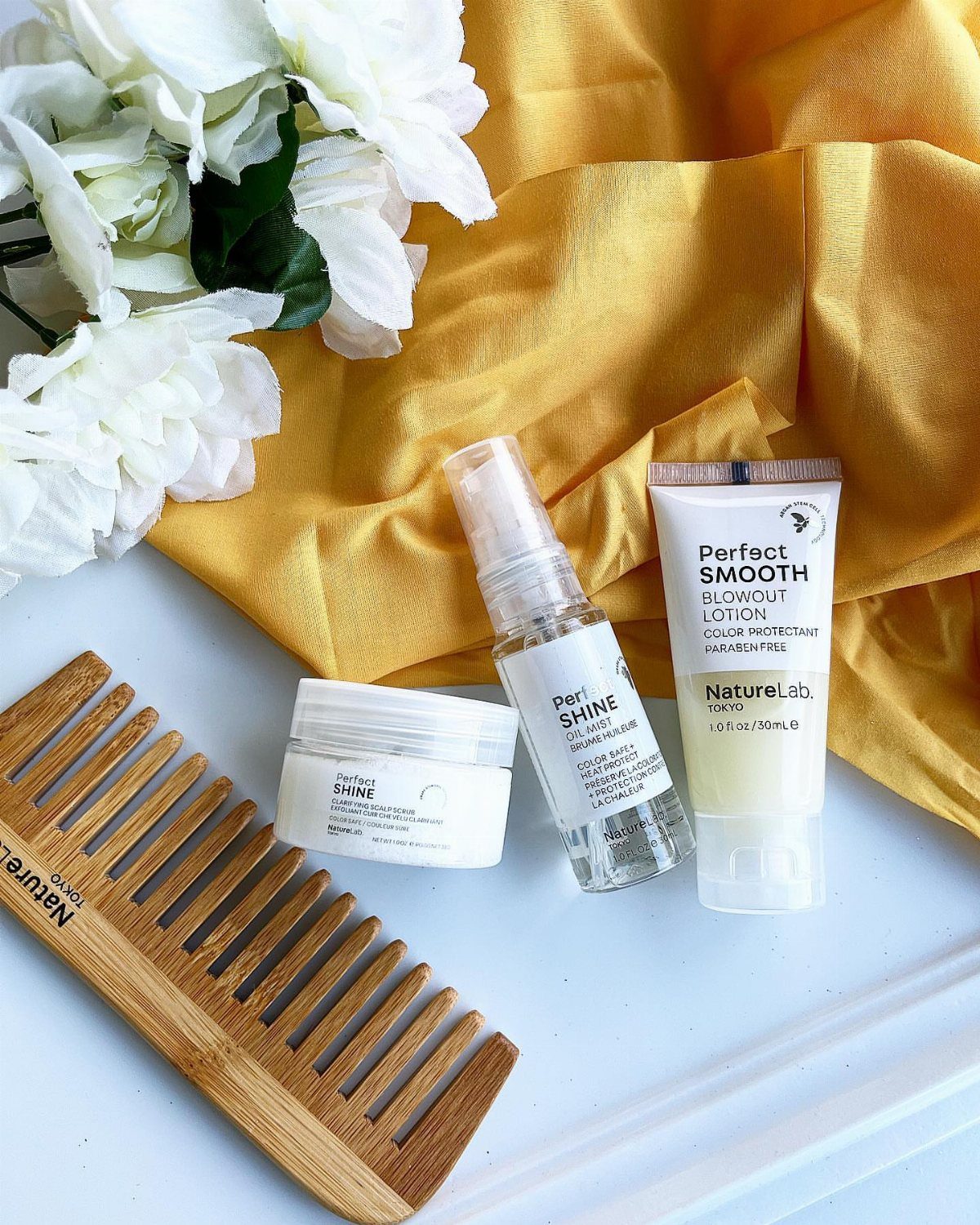
This scrub smooths the scalp while conditioning the hair itself, which makes it less stripping than most salt treatments. I’d reach for it if my hair tends to tangle or frizz after a typical scalp scrub.
Use it on wet hair, massage gently at the roots, and let it sit for a minute before rinsing. The formula is gentler than straight salt, so you can use it twice a week without overdoing it.
3. Scalp Scrub for Dandruff
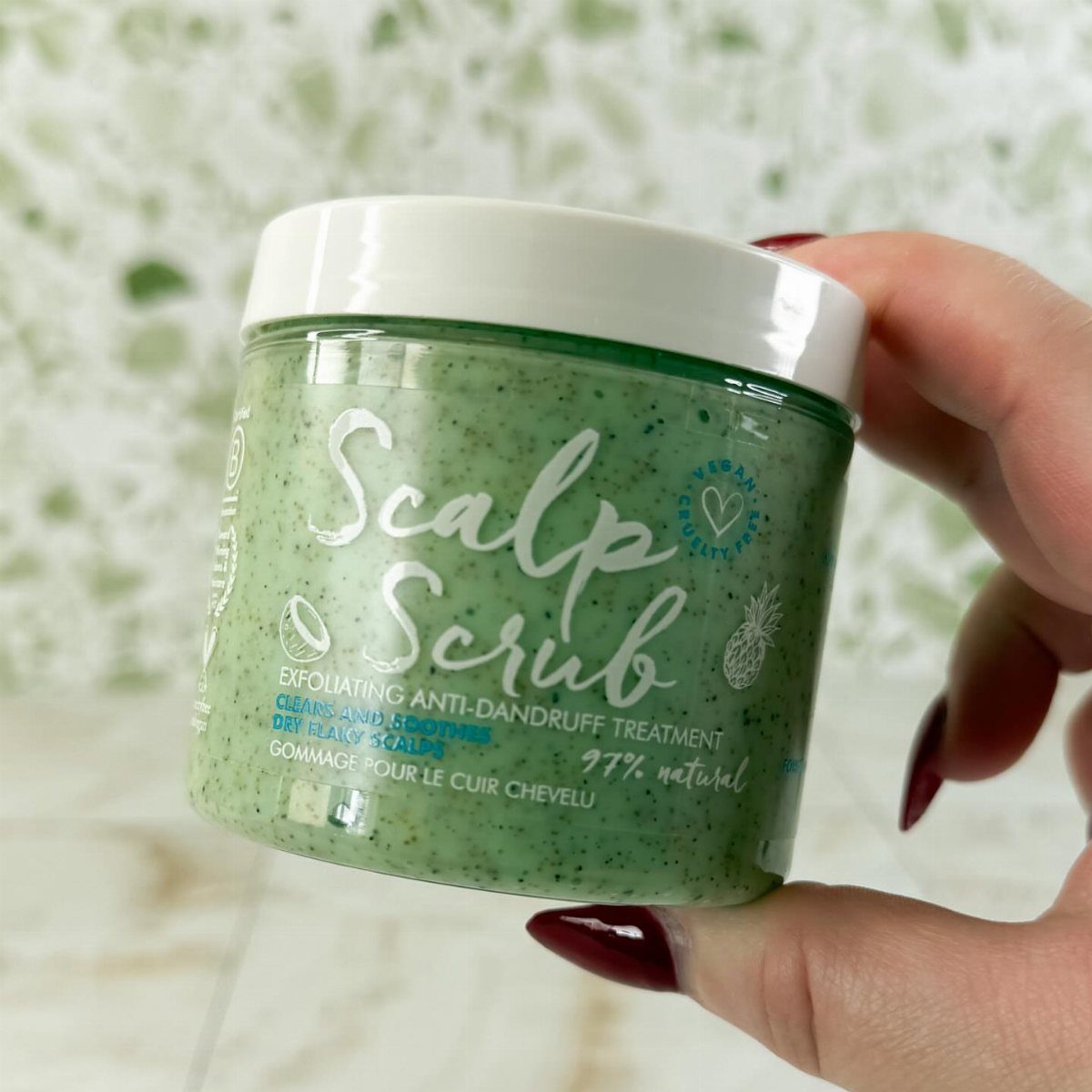
Flakes need exfoliation to lift them off the scalp, and this scrub does that while treating the underlying irritation that causes them to form. The green granular texture is coarse enough to scrub but dissolves as you work it through.
Massage it into a damp scalp, focusing on areas where flakes gather, then rinse and follow with your usual shampoo. If dandruff is persistent, pair this with a medicated shampoo a few times a week.
4. Sea Salt Scalp Scrub
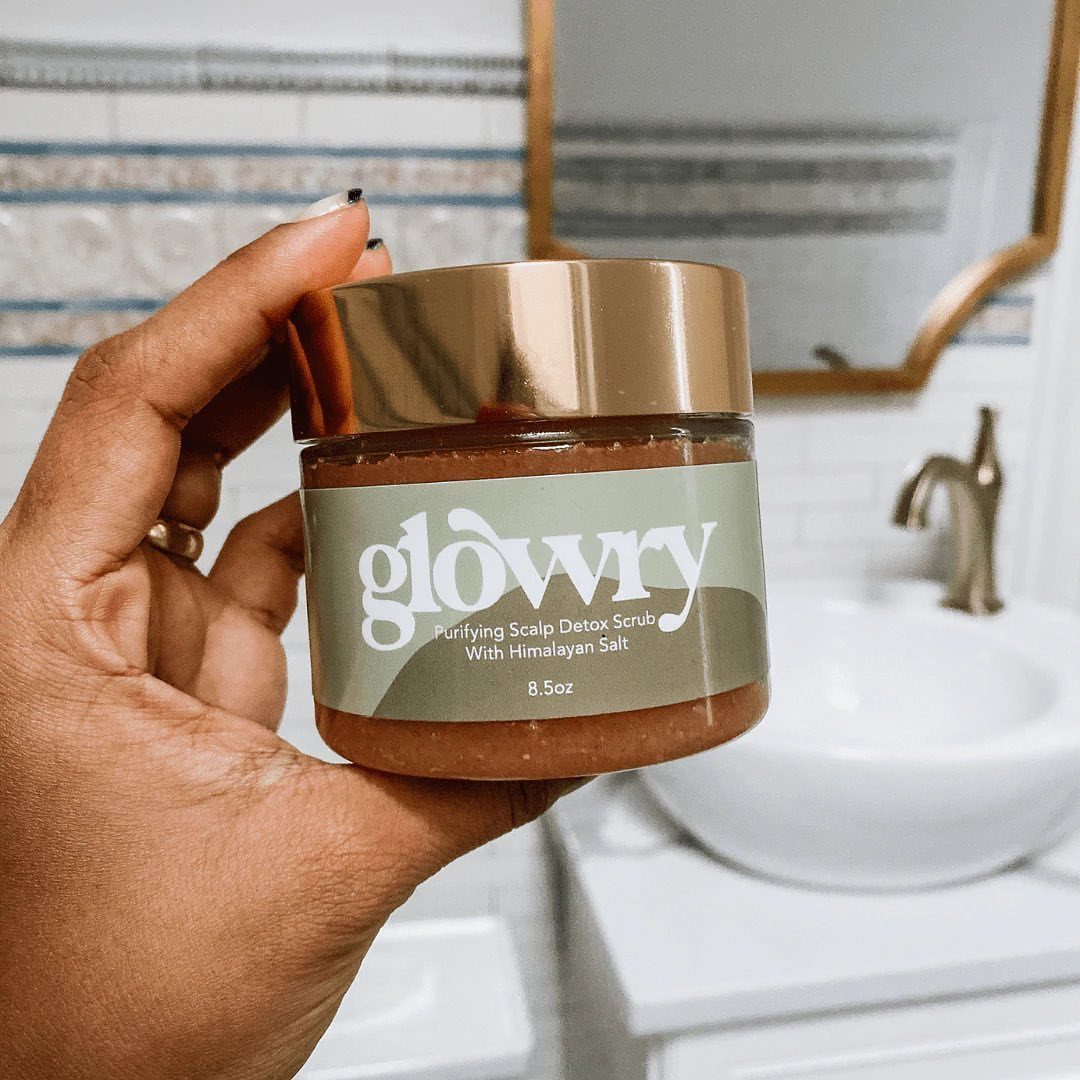
Sea salt draws out oil and buildup without weighing hair down, which makes it useful for fine or oily hair types. They dissolve faster and feel less abrasive on a sensitive scalp.
Work it through damp roots, scrub until the granules dissolve, then rinse completely. Salt can be drying, so follow with conditioner on the lengths and skip this step if your scalp is already tight or flaking from dryness.
5. Pink Himalayan Salt Scalp Scrub
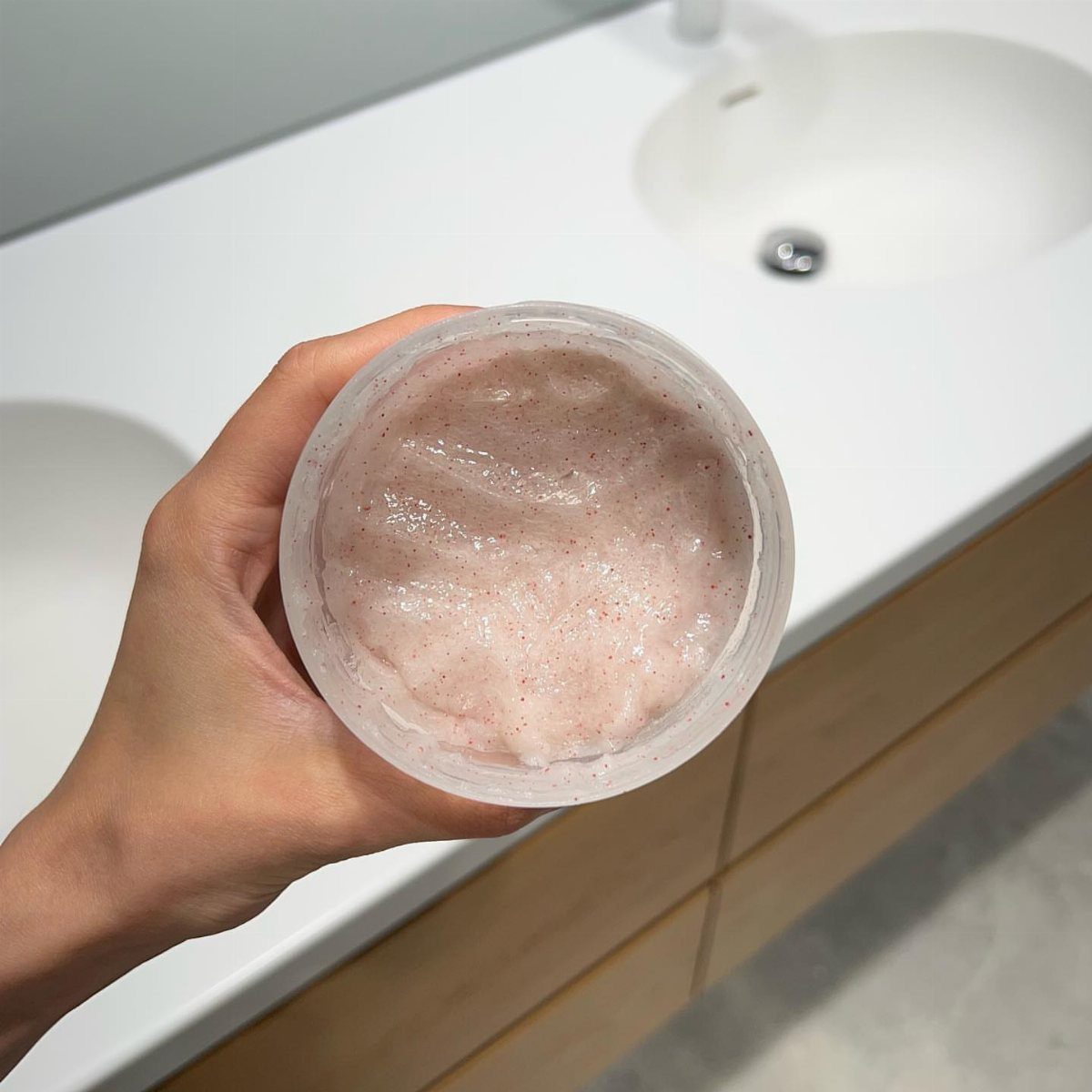
The pink salt has a finer texture than white sea salt, which makes it gentler on sensitive scalps while still clearing away buildup. The light pink color comes from trace minerals, though the scrubbing action is what does the work.
Scoop a teaspoon into your palm, add a little water to loosen it, and massage through damp hair at the roots.
Rinse thoroughly and condition the ends. This version suits normal to oily scalps that need regular detoxing without irritation.
6. Homemade Lemon Salt Scalp Scrub
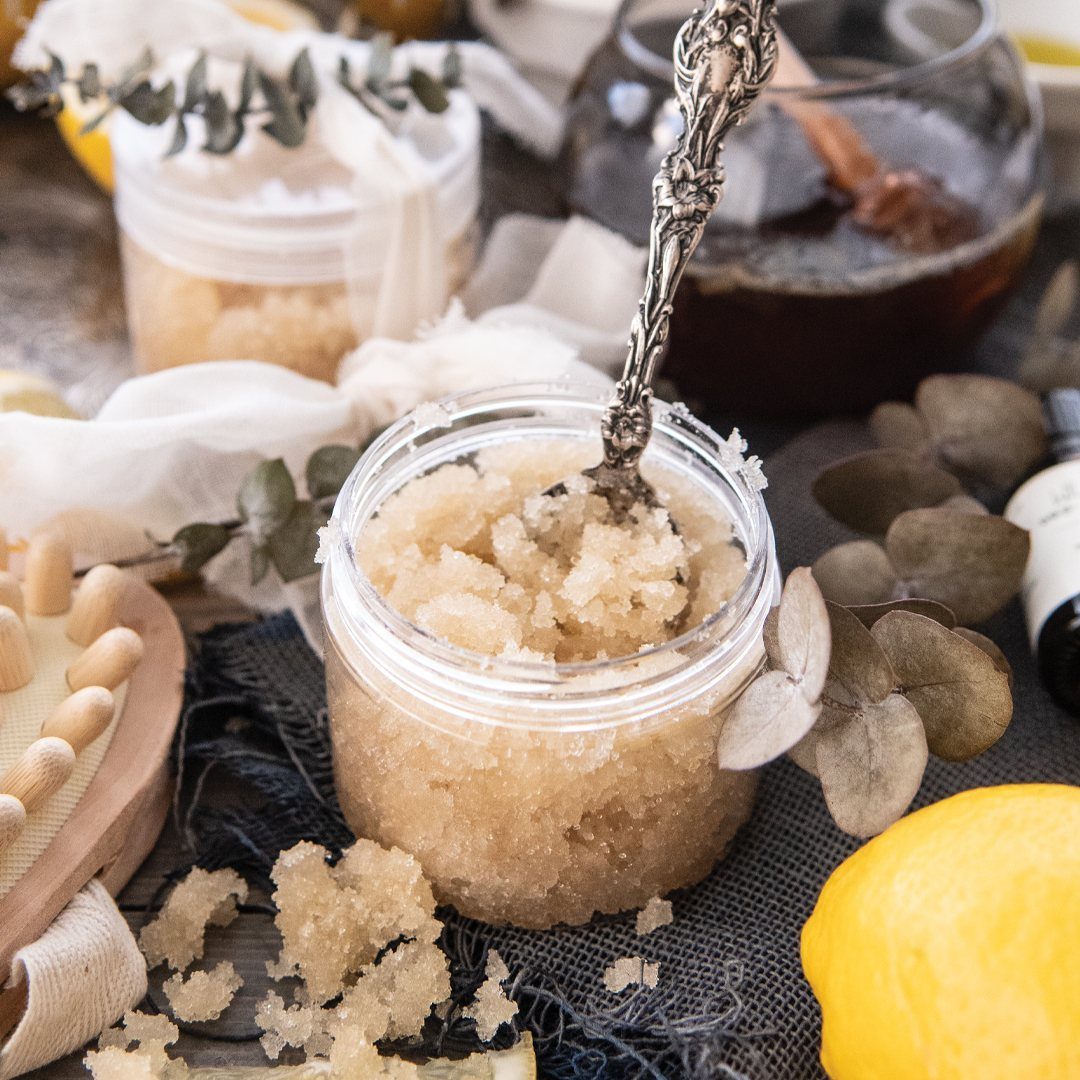
Lemon juice cuts through oil and leaves the scalp feeling clean, while the coarse brown salt scrubs away dead skin and product residue. The eucalyptus adds a cooling sensation that feels good on an itchy or congested scalp.
Mix coarse salt with fresh lemon juice and a few drops of eucalyptus oil until it forms a thick paste. The lemon can lighten hair slightly with repeated use, so skip this if you’re trying to preserve color.
7. White Granular Salt Scrub
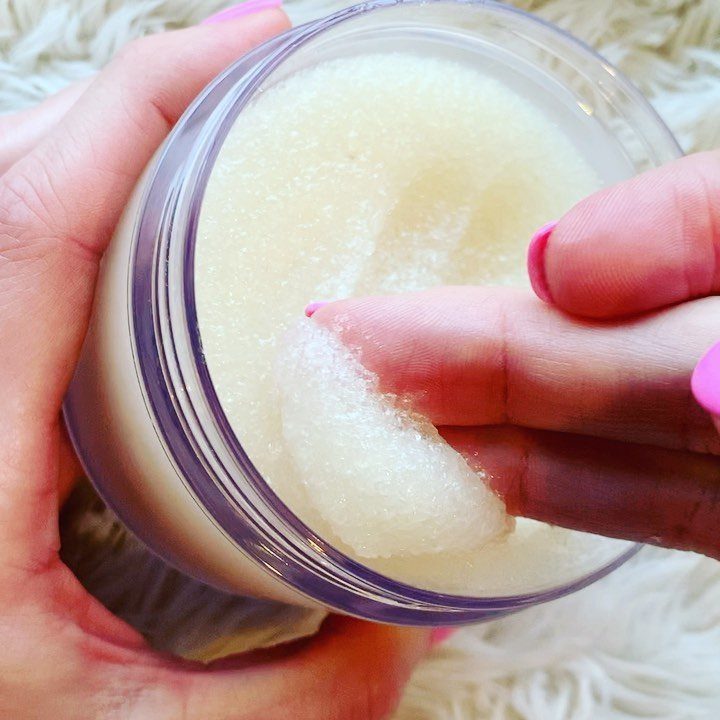
Plain white salt scrubs the scalp clean and breaks down without needing extra ingredients. The thick texture clings to your fingers, which makes it easier to control where you place it.
Scoop roughly a teaspoon onto damp roots, massage in slow circles until the granules soften, then rinse.
Salt pulls moisture out of the scalp as it clears buildup, so this suits oily scalps better than dry ones. Use it weekly and follow with conditioner on the lengths to keep the hair from feeling stripped.
Frequency and Scrub Technique
Most people do well with a scrub once a week.
If your scalp is very oily or you use a lot of styling products, twice a week works, but more than that risks irritation. Coarse or thick hair that doesn’t collect much buildup can go twice a month instead.
Part your hair and work in sections so you reach the whole scalp, focusing on the hairline and crown where buildup collects. Avoid using your nails or scrubbing hard.
Rinse completely before shampooing. A scrub with oil or butter built in may be enough on its own; save conditioner for mid-lengths and ends.
Sensitive Scalp Considerations
If you have psoriasis, eczema, or dermatitis, pick a fragrance-free, hypoallergenic scrub made for sensitive scalps. Fragrances, sulfates, and some essential oils can irritate, so read the label carefully.
Patch test any scrub before you put it all over your scalp. Put a dab behind your ear or on your inner wrist and check the next day for redness or itching.
All-natural sea salt scrubs are less likely to cause irritation than ones with artificial chemicals. If you have a scalp condition or a history of sensitivity, check with your doctor before adding a scrub to your routine.
But if you have a sensitive scalp, she recommends avoiding anything with added fragrance or sulfates, “since those can trigger irritation and undo the benefit of the scrub itself.”
DIY Scrub Storage
Keep homemade scrubs in a clean glass jar with a lid, stored in a cool, dark, dry spot away from moisture.
Scrubs made with dry ingredients and oils last up to 4 weeks at room temperature.
Stir the mixture well before each use, especially if oil has separated or settled at the top.
Frequently Asked Questions
Can a scalp scrub help with dry scalp?
A scrub clears flakes and buildup, but salt can pull moisture out as it exfoliates, which makes it better suited for oily scalps.
If dryness is the main problem rather than buildup or flakes, a scrub may make things worse. Choose a formula with oil or butter, scrub less frequently, and condition your lengths afterward.
Can Epsom salt be used in a scalp scrub?
Epsom salt dissolves too quickly to scrub effectively, so sea salt or coarse salt works better for exfoliation. If you want to make a DIY version, start with coarse sea salt and mix it with oil like olive or coconut.
Homemade scrubs with fresh ingredients like yogurt or honey should be used once and discarded, while those made with dry ingredients and oils last up to 4 weeks at room temperature.
What removes buildup from the scalp?
A salt scrub lifts product residue, oil, and dead skin off the scalp through exfoliation, which clears clogged follicles and prevents buildup from weighing hair down.
Work it into wet roots with circular motions until the grains break down, then rinse and shampoo. Heavy users of dry shampoo or mousse will find it keeps roots fresher longer.
Who should use a scalp scrub in their haircare routine?
A scrub suits people with oily roots, flakes, itchiness, or buildup from styling products and dry shampoo.
Fine or oily hair types benefit most since salt clears oil without adding weight. If your hair is dry, thick, curly, or textured and doesn’t collect much buildup, you may not need one.
Are there any potential downsides or risks to using a scalp scrub?
Scrubbing too hard or too often can irritate the scalp, and some ingredients like fragrance or sulfates may cause reactions on sensitive skin. Test a small amount behind your ear 24 hours before your first full use.
Can you over-exfoliate your scalp? If so, what are the signs that someone is exfoliating too often?
Using a scrub more than twice a week can make the scalp tender, tight, or more flaky, and may increase shedding.
Most scalps handle one session every 7 days; oil-prone types or product-heavy routines can double that. If your scalp feels sensitive or you see more flakes, cut back and let it recover.
What ailments does a salt scrub help?
A salt scrub clears symptoms tied to itchy scalp, dandruff, and oily roots by lifting flakes and buildup that regular shampoo leaves behind.
Scrubbing lifts away dead cells and clears blocked follicles that cause irritation. If flaking continues after 3 or 4 sessions, add a targeted anti-dandruff shampoo.
Is this okay for sensitive skin?
Anyone with existing sensitivity or a diagnosed scalp condition should ask their doctor first.
Look for fragrance-free, hypoallergenic options and test a dab on skin 24 hours ahead. Plain sea salt formulas skip synthetic additives that can trigger reactions.
Can I use table salt?
Coarse sea salt works better because the larger granules scrub more effectively and dissolve at the right pace.
Table salt is too fine and breaks down too fast to exfoliate properly. Pink Himalayan salt or brown salt both have the texture needed for a good scrub.
Do I have to use apple cider vinegar?
Fresh lemon juice works in place of apple cider vinegar in equal amounts.
Both cut through oil and leave the scalp feeling clean. Lemon juice will gradually lighten strands, so avoid it if you want to keep your color intact.
Do I use this before or after shampooing?
Apply the scrub to damp hair before shampooing so you can rinse out any lingering salt and buildup.
Follow with your usual shampoo, then use conditioner on mid-lengths and ends. Oil-based scrubs can replace shampoo entirely in some routines.
What is a sea salt scrub for the scalp and how does it work?
Sea salt scrubs lift dead skin, product residue, and excess oil off the scalp through physical exfoliation, which unclogs follicles and clears buildup that regular shampoo misses.
The granules dissolve as you massage them through damp roots, leaving the scalp clean without weighing hair down.