Hair masks for growth break into 3 types: spray-on rosemary water you keep refrigerated, a creamy blend you rinse out after wrapping your head in a towel, and raw onion juice rubbed directly onto the scalp.
Pick based on whether you can tolerate the smell and mess, since onion juice drips and lingers even after washing.
Dry application lets the oil reach the cortex without competing against surface moisture. Space applications about a week apart, closer if damage is severe, and assess texture after a month of consistent use.
1. Rosemary Hair Spritz

This is rosemary water spritzed onto the scalp and lengths between washes. It’s gentle enough to use daily, and the spray format means you get direct contact with the roots without weighing hair down.
I keep mine in the fridge for up to a week. Mist onto dry or damp hair, concentrating at the hairline and part, then massage it in with your fingertips.
The scent is clean and herbal, not heavy. If you prefer ready-made, look for rosemary hydrosols or mists with rosemary extract listed high in the ingredients.
2. Creamy DIY Hair Mask
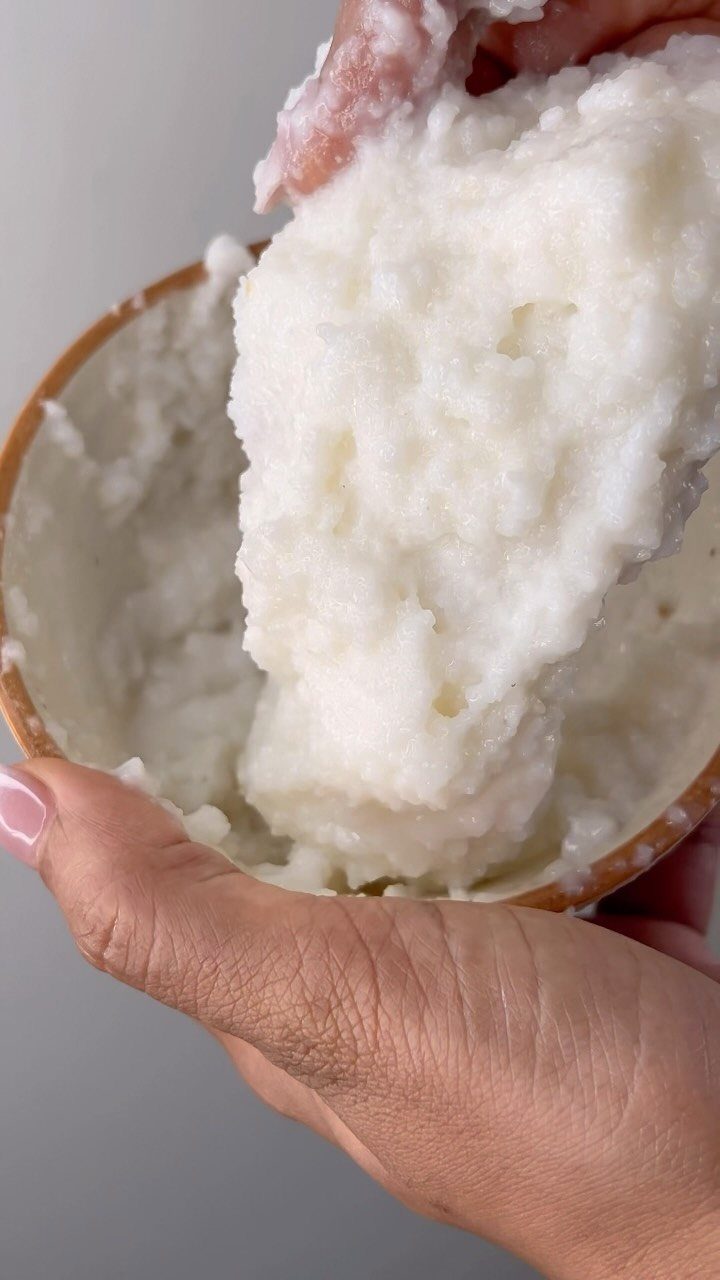
You massage this thick paste through from scalp to tips, then shampoo it out. The texture gives slip and weight, which helps coat every strand without dripping everywhere.
Most versions start with Greek yogurt or mashed avocado as the base, then add honey for moisture and an oil like coconut or olive. Mix until smooth, scoop it out with your fingers, and work through damp hair in sections.
The yogurt option rinses cleaner than avocado, which can cling if your hair is fine. I find the smell mild and slightly sweet.
If you want to calm and soothe your scalp, consider a hair mask with aloe vera, which has anti-inflammatory properties. It also contains vitamins C, E, and B-12, folic acid, and choline, which may help strengthen and nourish your hair.
3. Onion Juice Scalp Treatment
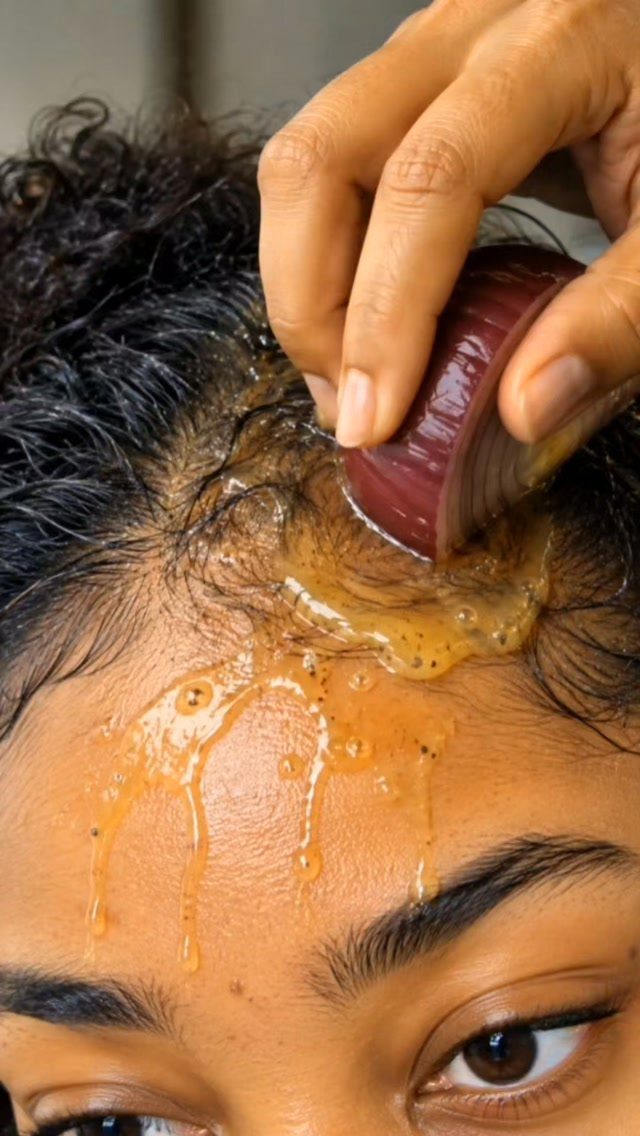
This is raw onion juice applied directly to the scalp to encourage blood flow at the follicle. The sulfur compounds in onion are what make it worth trying, but the method is polarizing because of the smell and the mess.
Cut a fresh red onion in half, rub the cut side onto your scalp in slow circles, or blend the onion and strain the juice into a bowl to apply with a cotton pad.
The liquid drips, so lean over a sink or do this in the shower.
The smell lingers even after washing. If that’s a dealbreaker, skip this one.
Application and Frequency
Towel off the excess water, then work the product through in sections if your hair is thick or long.
Oil-based masks may absorb better on dry hair, since water can form a barrier that keeps the oil from penetrating the strand.
Start at the roots if you’re treating the scalp directly, or begin mid-shaft and work toward the ends if your hair tends to get greasy.
Tuck your hair into a shower cap, then wrap a towel over it to trap heat and stop anything dripping down your neck.
Use masks once weekly, or up to 2–3 times weekly if your hair is very dry.
Wash it all out with water that’s warm, not hot. Hot water can cook egg-based masks, making them harder to remove.
Patch Testing and Response
Patch test before applying any new mask fully. Test the mix on your inner wrist or behind your ear first, then watch that spot for any redness or itch before you commit to a full head.
Hair can need 4–6 washes to settle into a new product, especially if you’re switching from formulas with heavy silicones. Judge results after that window unless irritation shows up earlier.
Stop using a mask if you notice dryness, buildup, increased breakage, or scalp irritation. Dryness means the formula is too stripping; buildup signals too much oil or protein for your hair type.
Adjust frequency or rinse more carefully before dropping a product that otherwise suits you. If the problem persists, the formula isn’t right.
Frequently Asked Questions
What is a hair mask?
A hair mask is a deep-conditioning treatment with more concentrated ingredients than instant conditioner, left on for 20 minutes or longer.
It works to nourish and hydrate hair the way a face mask works for skin. Homemade versions start with pantry staples such as egg, honey, or avocado, while store-bought formulas arrive ready to use.
Does a hair mask promote hair growth?
Masks support growth by delivering nutrients, improving scalp circulation, and protecting against damage, but reduced breakage doesn’t necessarily mean new follicle activity. The benefit comes from keeping existing strands intact and healthy rather than triggering faster growth at the root.
What are some homemade hair masks that can help with hair growth?
The rosemary water spritz misted onto the scalp daily is gentle and direct. A creamy paste made from Greek yogurt or mashed avocado, honey, and coconut or olive oil coats every strand without dripping.
What ingredients work well in a hair mask?
Eggs provide protein to strengthen strands, honey pulls in and retains moisture, and coconut or olive oil helps coat and protect.
Avocado seals the cuticle to resist breakage, and rosemary stimulates the scalp. Which ingredient works best depends on whether your hair is dry, oily, or prone to frizz.
How often should I use a hair mask for hair growth?
Once a week suits most hair types, though very dry or damaged strands can handle 2 or 3 sessions.
Start at the lower frequency and adjust based on how your hair responds. Too often and you risk buildup or heaviness, too rarely and you won’t see the moisture and strength benefits.
How do I apply a hair mask?
Work the product through damp, towel-dried hair in sections, starting at the roots for scalp treatments or mid-shaft if your hair gets greasy.
How do I know if a hair mask is actually working?
Judge after 4 to 6 washes, since hair needs time to adjust to new products.
Improved manageability, better moisture balance, and less breakage mean it’s working. Pull back if your scalp turns itchy or flaky, or if hair feels coated rather than soft.