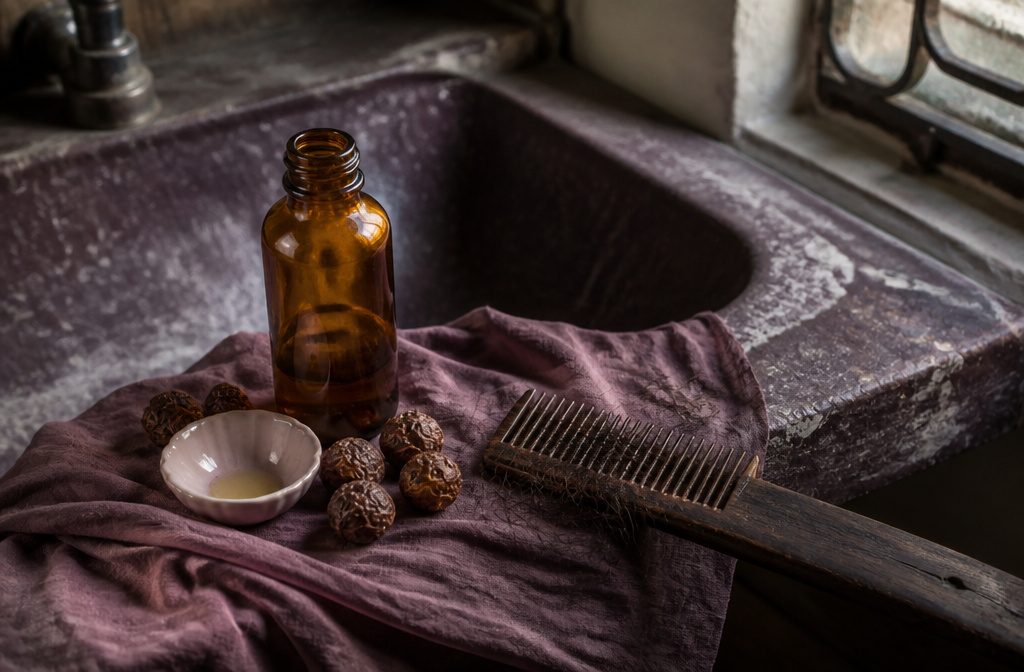
Amla oil is an infusion of dried Indian gooseberry fruit in a carrier oil like sesame or coconut, used in hair care for conditioning, scalp health and reducing breakage.
It does not speed up how fast your follicles produce new strands, but it may help you keep more of the length your scalp already grows by cutting down on shedding and snap.
A 2012 study found that amla inhibited the same enzyme targeted by finasteride, though human trials proving visible regrowth do not yet exist.
What Amla Oil Is and What the Bottle Contains
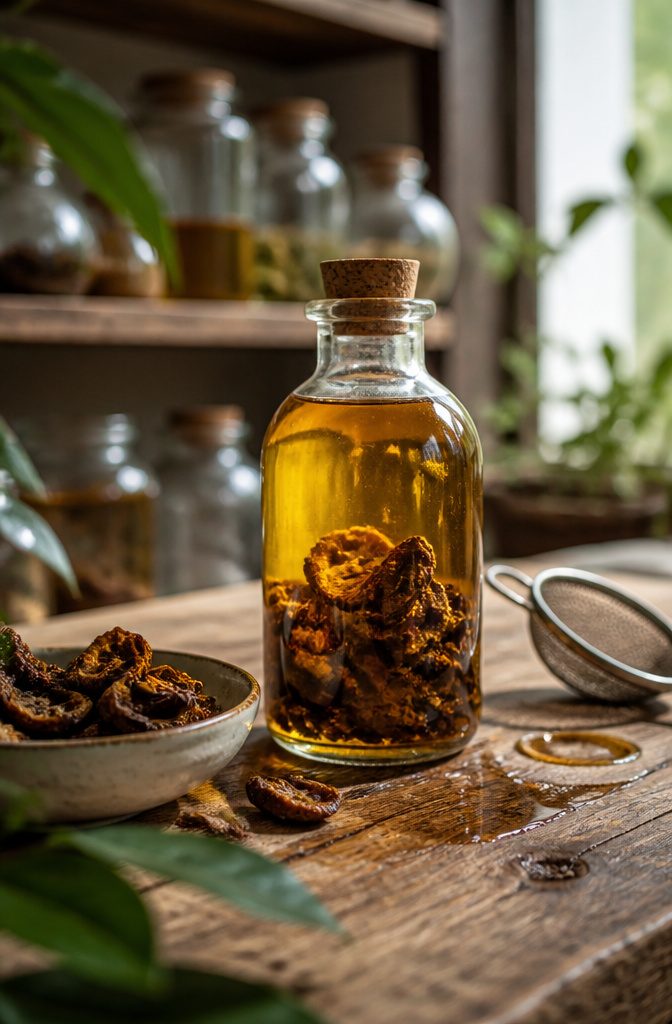
Amla oil is made by infusing dried Indian gooseberry fruit (Phyllanthus emblica) in a carrier oil, not by steam distilling the plant.
The infusion method is simple: dried amla soaks in sesame oil, coconut oil, or sometimes mustard oil, and the fruit’s vitamin C, antioxidants, tannins, and fatty acids slowly move into the oil.
That process keeps more of the plant’s natural pigments and helpful compounds than distillation would.
Some commercial bottles use mineral oil as the base instead of a plant oil.
Mineral oil costs less but sits on top of the scalp rather than absorbing, which can lead to buildup and clogged follicles over time. If you see "amla essential oil" on a label, it’s usually still an infused oil.
True essential oils require steam distillation, and amla fruit doesn’t yield one that way. Cold-pressed or clearly labeled infused oils are the ones to look for.
What the Research Shows About Hair Growth

The research behind amla oil is an odd patchwork. A 2012 study found that amla oil inhibited 5-alpha reductase, the same enzyme targeted by finasteride, the prescription drug used to treat male pattern hair loss.
That finding is often cited as evidence that amla promotes growth, but the leap from enzyme inhibition in a study to visible regrowth on your head is not straightforward, and human trials proving that effect do not yet exist.
Several small animal studies have shown amla oil promoting fur growth in rabbits and rats, sometimes described as significant and rapid.
One Pakistani study found the effect in rabbits but not in sheep, concluding that species with a distinct fat layer in the skin respond differently. Animal studies can’t tell us what happens in people, and the evidence stops there.
When people report "rapid" growth, what they are actually experiencing is a massive reduction in breakage and hair fall. You aren’t growing hair faster; you are simply keeping the length your scalp is already naturally producing.
That distinction matters. Amla oil does not speed up the rate at which follicles produce new hair.
What it may do is help you hold onto more of what grows by cutting down on shedding and breakage, so length accumulates instead of snapping off.
Conditioning and Softness
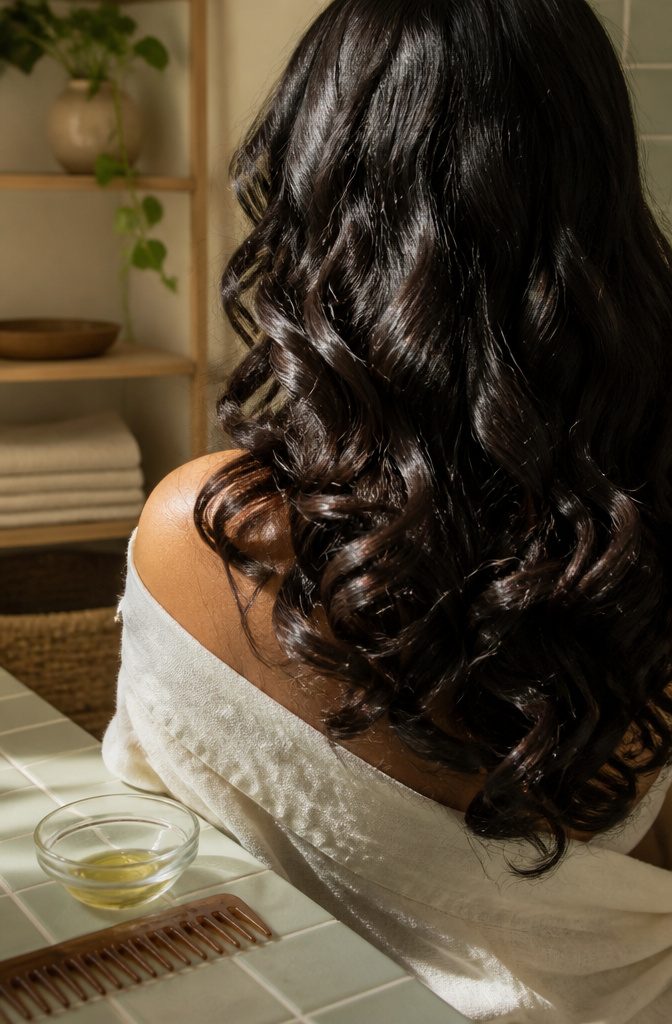
Amla oil softens hair and adds shine by coating the strands, the kind of surface improvement you notice right away when you smooth a few drops over damp ends or work it through before washing.
The oil sits on the hair rather than changing its structure, so the effect lasts until the next wash.
That coating also makes hair easier to detangle and reduces frizz, which is why it works well on curly and coily textures that tend to catch and tangle when dry.
These are cosmetic changes.
The oil makes hair look and feel better without addressing growth or follicle health, and results vary depending on hair type and how much oil you use. A light hand keeps the benefit without the weight.
Scalp Comfort and Flaking
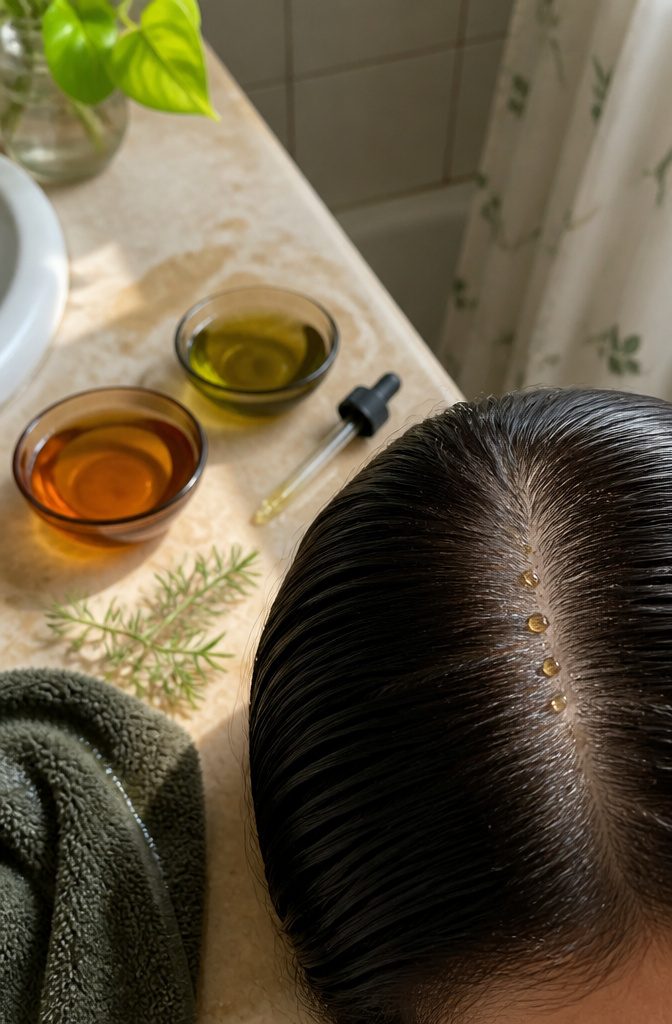
Amla oil shows up in scalp treatments meant to calm flaking and irritation, particularly when the weather shifts or product starts to pile up.
The oil may help balance scalp oils and reduce inflammation, clearing buildup that can clog follicles and trigger dandruff or itch.
That penetration matters because surface oils coat without delivering much at root level, while amla appears to absorb and carry nutrients deeper into the scalp.
Mix one tablespoon of amla oil with a teaspoon of neem oil and two drops of tea tree oil, part the hair, and apply only to the scalp.
Massage gently, leave it on for 20 to 30 minutes, then rinse well with a gentle shampoo. Tea tree oil is strong, so two drops is enough.
I like this treatment when the scalp gets cranky after sweat or overuse of styling products, though scalp comfort is a separate issue from whether hair actually grows faster or thicker.
Reducing Breakage and Shedding
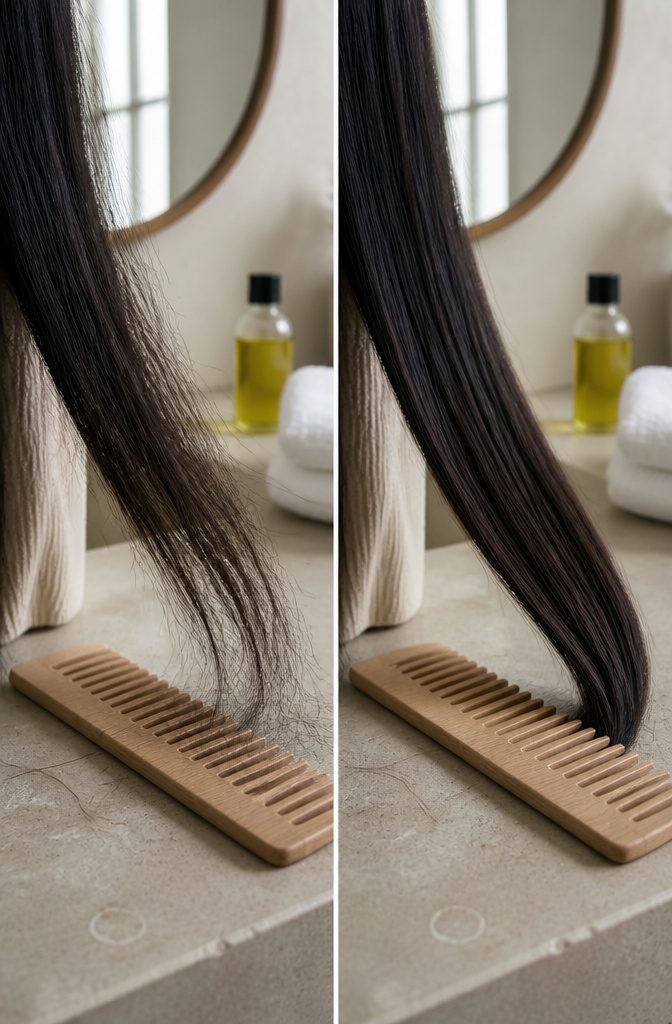
Growing hair faster and keeping the hair you grow are two different things.
Hair comes out of the follicle at roughly half an inch each month no matter what you put on it. That rate is wired into your genes, your age, and your overall health, and amla oil cannot override it.
What amla oil does is stop you losing length to breakage and fall. When strands snap at the shaft or pull free at the root, the length your scalp produces never makes it past your shoulders.
Amla’s phytonutrients and minerals strengthen each strand from the root up, so fewer break under tension and fewer shed during stress or seasonal shifts.
You are not accelerating growth. You are simply keeping what grows.
Claims About Greying
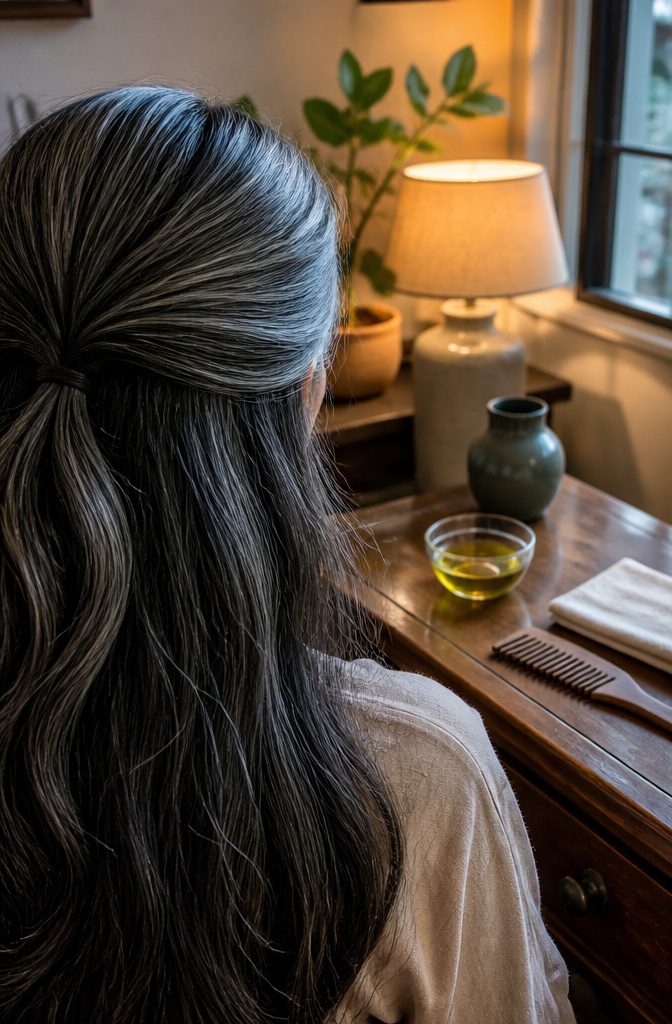
Claims About Greying
In Ayurvedic tradition, amla is said to prevent premature greying, a benefit that appears in product descriptions and historical texts but sits outside the growth and enzyme research covered earlier.
The idea is that amla nourishes pigment-producing cells in the follicle, keeping color longer.
Medical News Today lists "reduce premature pigment loss from hair, or greying" among the potential benefits, though it frames these as still being confirmed by modern science rather than established effects.
I would not buy amla oil expecting it to reverse grey that has already appeared, but if you are using it for other reasons and notice your natural color holding longer, that aligns with what sources report.
The traditional use is old enough that generations of Indian households relied on weekly amla oil massages as part of hair care, and greying was always named as one of the things it helped delay.
Scalp Massage and Pre-Wash Treatment
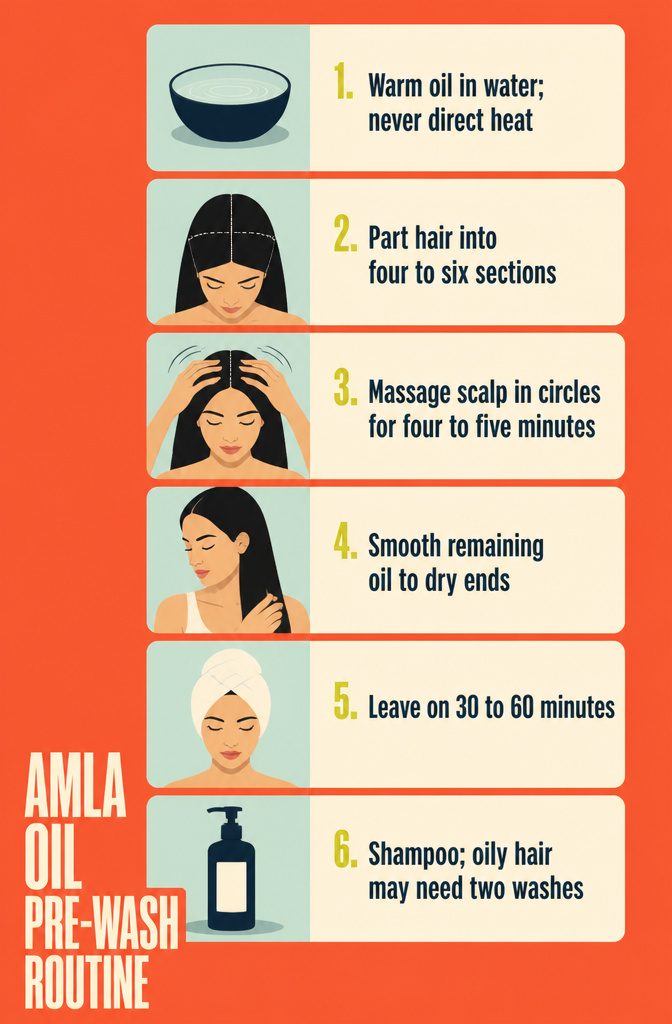
Scalp Massage and Pre-Wash Treatment
- Warm 1 to 2 teaspoons of amla oil in a bowl of warm water for a minute. Use a tablespoon if your hair is long. Never heat it directly.
- Section dry or slightly damp hair into four to six parts so the oil reaches the scalp evenly.
- Massage the oil into the scalp with your fingertips in slow circles for four to five minutes. That little massage wakes up the scalp and spreads the oil more evenly.
- Smooth any remaining oil down to the ends, where hair tends to be driest.
- Leave it on for 30 to 60 minutes, or one to two hours if your hair is very dry. You can also leave it overnight with a towel on your pillow.
- Wash with a mild shampoo. Oily hair may need two rounds, followed by conditioner on the ends.
Hair Masks With Yogurt or Aloe
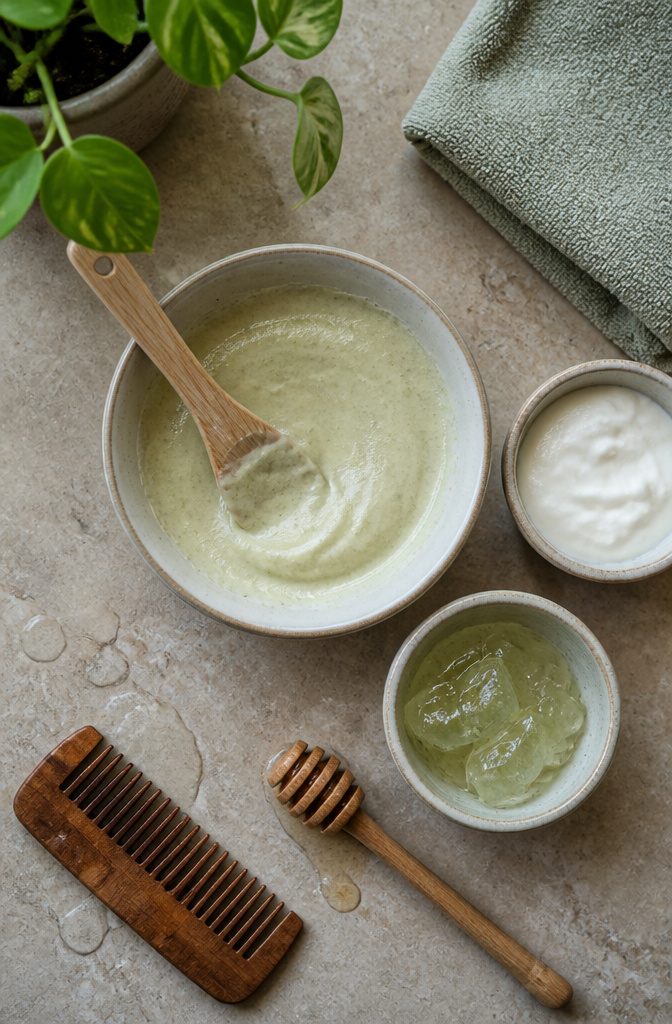
Two masks come up often enough that they deserve their own moment. The first combines one tablespoon amla oil with two tablespoons of either aloe gel or plain yogurt, left on for thirty minutes before rinsing.
The second adds a teaspoon of honey to the tablespoon of amla and two tablespoons of yogurt, and you leave that version on for thirty to forty-five minutes.
I like the yogurt option for the lactic acid, which gently loosens dead skin on the scalp without scrubbing, and the honey holds moisture without weighing hair down the way heavier oils can. Both versions rinse clean with shampoo.
These are specific recipes rather than a universal formula, so if your hair runs oily at the roots, cut the amla back by half or skip your scalp entirely and work the mask through mid-lengths and ends only.
Light Application to Ends
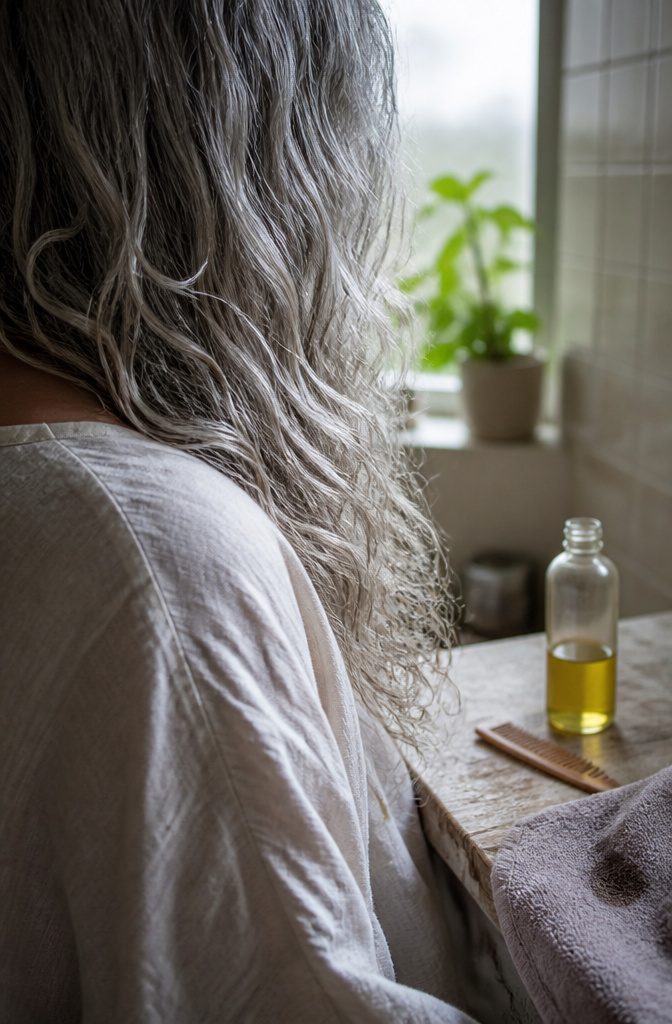
If your hair is coarse, curly, or very dry, rub 2 or 3 drops of amla oil between your hands and smooth it onto damp ends after washing.
Just the ends, not the whole head. Too much will make hair look oily fast.
This approach uses far less oil than the pre-wash treatments I covered earlier. It is a leave-in method meant for shine and frizz control rather than scalp treatment.
The oil helps seal in moisture on damp hair, and a lot of people like it on grey or white strands because the soft shine can make silver hair look less dull.
It will not change color, but it can make hair look nicer. That is often the win.
Diluted Tonic
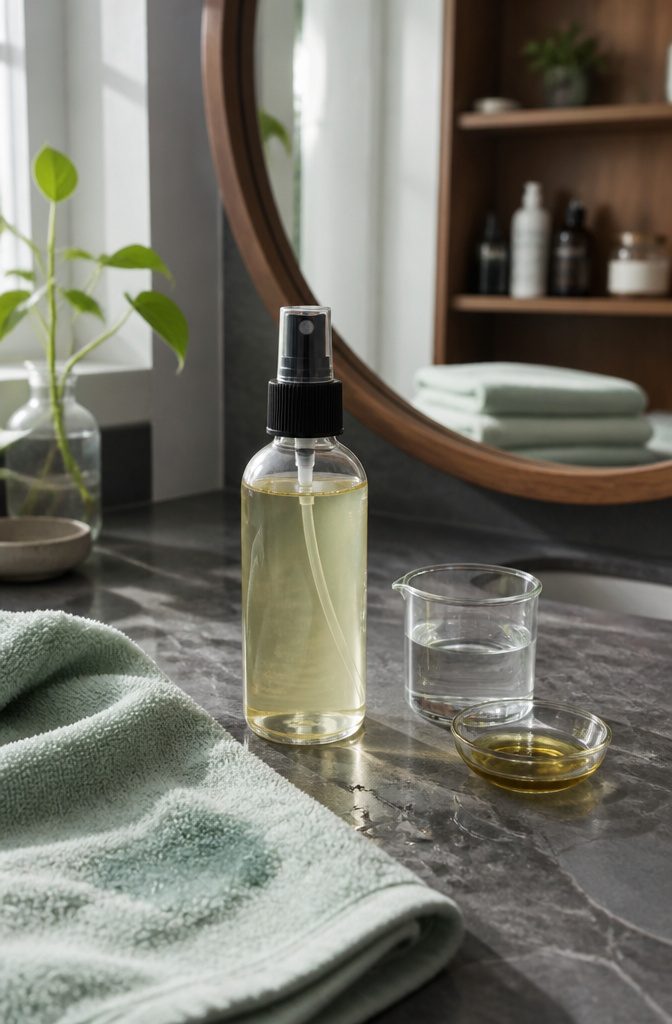
When you buy amla oil, concentration matters. The product comes in different strengths, and a weaker mix isn’t necessarily worse for your hair.
Researchers testing various dilutions found that a 7.5 percent solution with water delivered the best results, which means most of the bottle is water and only a fraction is active oil.
This approach sits somewhere between a pre-wash scalp massage with straight oil and a lightweight leave-in. The diluted tonic gives you the compounds amla is known for without the weight or the cleanup that comes with undiluted oil.
Pay attention to the percentage listed on the label and follow the instructions that come with it, since different brands mix their formulas at different strengths.
How Often and How Long
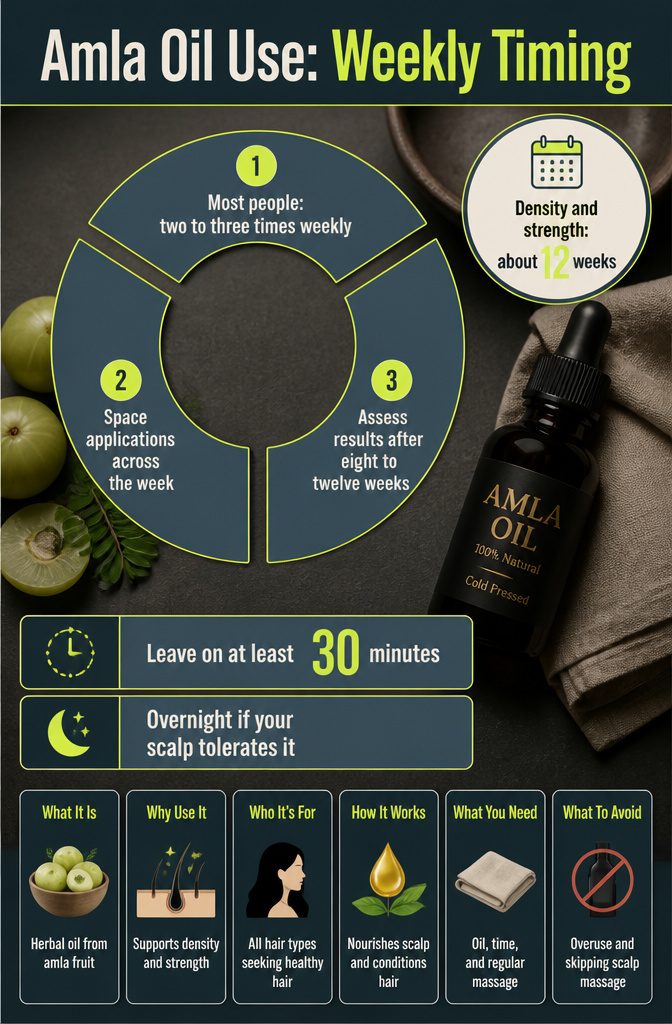
Two to three times a week is the pattern that works for most people. That sits just above the one to two times weekly some sources mention, but either range keeps you consistent without overdoing it.
Regular scalp massage matters more than the amount you use in any single session, and spacing applications across the week rather than clustering them gives the oil time to do its work without building up.
Timing matters as much as frequency. Noticeable improvement in density and strength typically takes about 12 weeks of steady use, though you may want to give it eight to twelve weeks before deciding whether it’s working.
That timeframe assumes you leave the oil on for at least thirty minutes before washing it out, or overnight if your scalp tolerates it.
Some people rinse after an hour; others prefer a full pre-wash treatment the night before. Wash-out timing depends on how oily your hair feels and whether you’re applying it to the scalp, the lengths, or both.
Reading the Label for Purity
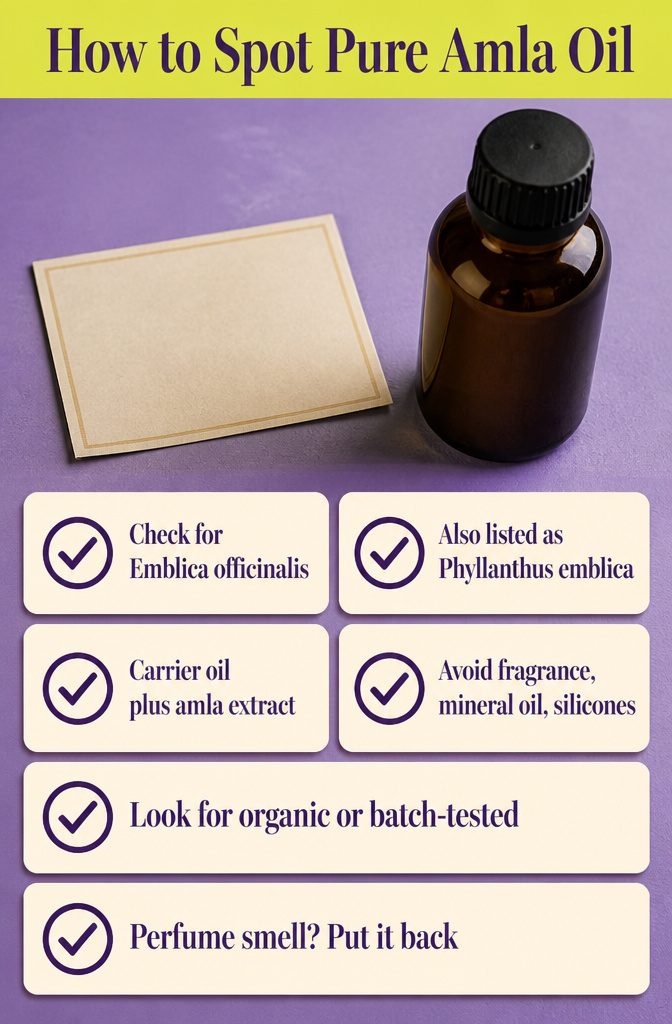
The label tells you whether you bought pure amla or a padded blend. Here’s what separates the two:
- Botanical name listed: Look for Emblica officinalis or Phyllanthus emblica on the ingredient panel. That confirms you have actual amla, not a fragrance approximation.
- Short ingredient list: A clean bottle shows a carrier oil (sesame and coconut are the most common), amla fruit extract, and nothing else. Mineral oil, liquid paraffin, synthetic fragrance, parabens, PEGs and silicones are fillers that crowd out the plant material and can irritate the scalp.
- Infused, not essential: Amla oil is made by steeping fruit or powder in a base oil. It is not steam-distilled like an essential oil, so the color should be naturally dark and the smell mild and earthy, never sharp or chemical.
- Third-party certification: Organic, cold-pressed or batch-tested labels add confidence that what the front of the bottle promises matches what is inside.
The plainest bottle often wins. If it smells like perfume or lists a dozen ingredients, put it back.
Patch Testing and Irritation

Before committing to amla oil, run a 24-hour patch test. Place a single drop on your inner forearm and wait a full day before applying the oil to your scalp.
Some sources stretch that wait to 48 hours, which makes sense if your skin tends toward sensitivity. Amla oil is usually gentle, but rare cases of lichen planus pigmentosus, inflammation and irritation have been reported.
If you have light or color-treated hair, strand testing matters.
Some amla blends can leave a faint tint on blonde or silver hair over time. Test a hidden section first and wait a day or two before going all in.
And keep the oil away from your eyes. If contact happens, rinse well with cool water.
Mixing With Other Oils
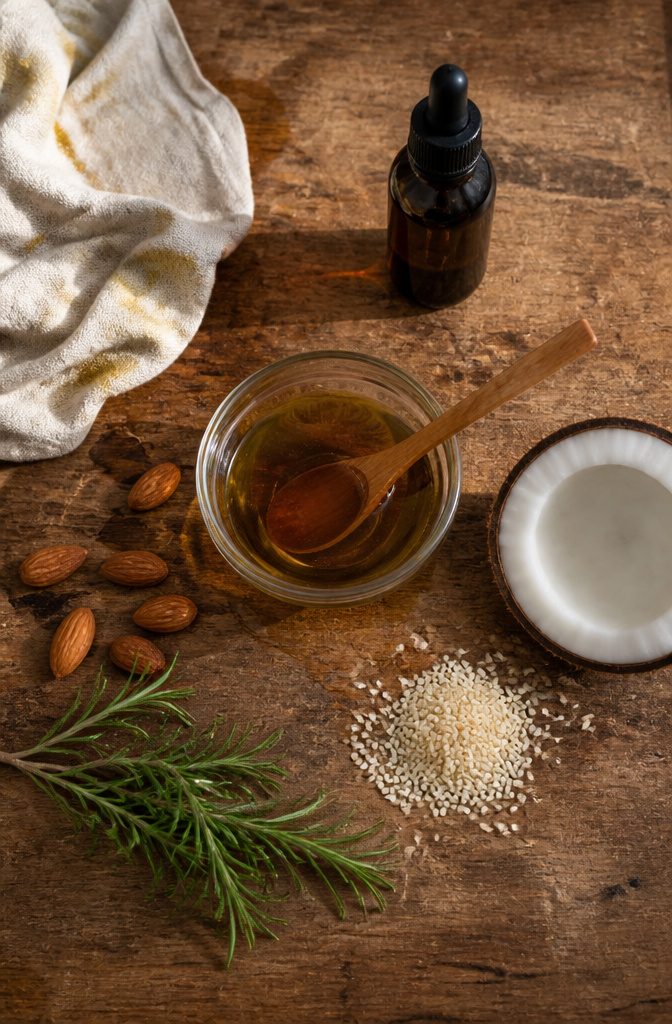
Amla oil works alone, but blending it with coconut, sesame, almond, or bhringraj oil adjusts the weight and spread if your hair runs thick or fine.
Castor oil adds grip and moisture hold. Rosemary, neem, tea tree, jojoba, and rosewater show up in combinations aimed at scalp comfort or scent.
One tested ratio: two tablespoons amla oil, one tablespoon castor oil, three drops rosemary essential oil.
Warm the blend slightly, massage it into the scalp for five minutes, pull the rest through the lengths, and leave it thirty to sixty minutes before washing. That combination leans heavy, so it suits pre-wash day better than daily use.
These are optional. Amla oil does not need a carrier or an essential oil to work, and adding more ingredients means more variables if something irritates.
If you do blend, keep essential oils to two or three drops. More does not improve the result and can overwhelm the scalp.
What Amla Oil Should Not Replace
Amla oil is a cosmetic treatment, not a medical one, and should not replace professional care for hair loss or scalp conditions. The studies showing hair growth effects were conducted in animals, not people, and the human evidence remains limited.
If you notice sudden or persistent shedding, patches of thinning, or a scalp that itches, flakes or feels sore despite home care, see a dermatologist.
Amla can improve how hair looks and feels, but it cannot treat androgenetic alopecia, telogen effluvium, or infections that need prescription intervention. Think of it as part of maintenance, not medicine.
Frequently Asked Questions
Does amla oil really work for hair growth?
Amla oil does not speed up how fast hair grows out of the follicle, which is genetically set at about half an inch per month.
What it does is reduce breakage and shedding so you keep more of the length your scalp already produces, which can make hair look fuller and longer over time.
Human studies proving regrowth do not exist yet, though animal studies and enzyme research suggest potential.
How often should I use amla oil for hair growth?
Two to three times a week works for most people. That keeps you consistent without overdoing it, and spacing applications across the week gives the oil time to work without building up on the scalp.
Can I leave amla oil on overnight?
Yes, you can leave it on overnight if your scalp tolerates it. Put a towel on your pillow and wash the oil out with shampoo the next morning.
Is amla oil suitable for all hair types?
Amla oil suits most hair types, but use less if your scalp runs oily. On fine or oily hair, skip the scalp entirely and work it through mid-lengths and ends only, or use a diluted tonic instead of straight oil.
Can I mix amla oil with other oils?
Yes, amla oil blends well with coconut, sesame, almond, bhringraj, or castor oil.
One tested ratio is 2 tablespoons amla, 1 tablespoon castor, and 3 drops rosemary essential oil, though amla works fine on its own and adding more ingredients means more variables if something irritates.
How do I know if my amla oil is pure?
Check the label for the botanical name Emblica officinalis or Phyllanthus emblica and a short ingredient list showing only a carrier oil and amla fruit extract.
Avoid bottles listing mineral oil, liquid paraffin, synthetic fragrance, parabens, or silicones, and look for organic or cold-pressed certification if available.
What are the disadvantages of amla oil?
Amla oil can leave a faint tint on blonde or color-treated hair over time, so strand test first.
Rare cases of irritation and inflammation have been reported, which is why a 24-hour patch test on the inner forearm matters before applying it to the scalp. Using too much will make hair look oily fast.
Can I use amla oil on my hair every day?
Two to three times a week is better than daily use. Applying amla oil every day can lead to buildup on the scalp and weigh hair down, and regular use matters more than frequency in a single week.