Hair type and scalp condition do most of the sorting here, and the list covers how to adjust your choice across creamy, gel-based, and thick conditioning formulas.
Frequency matters too, and the section on adjusting use to hair type covers exactly how often each formula should go on. Application method shifts with texture as well, with separate techniques shown for straight strands and curly hair.
1. Homemade Creamy Green Hair Mask
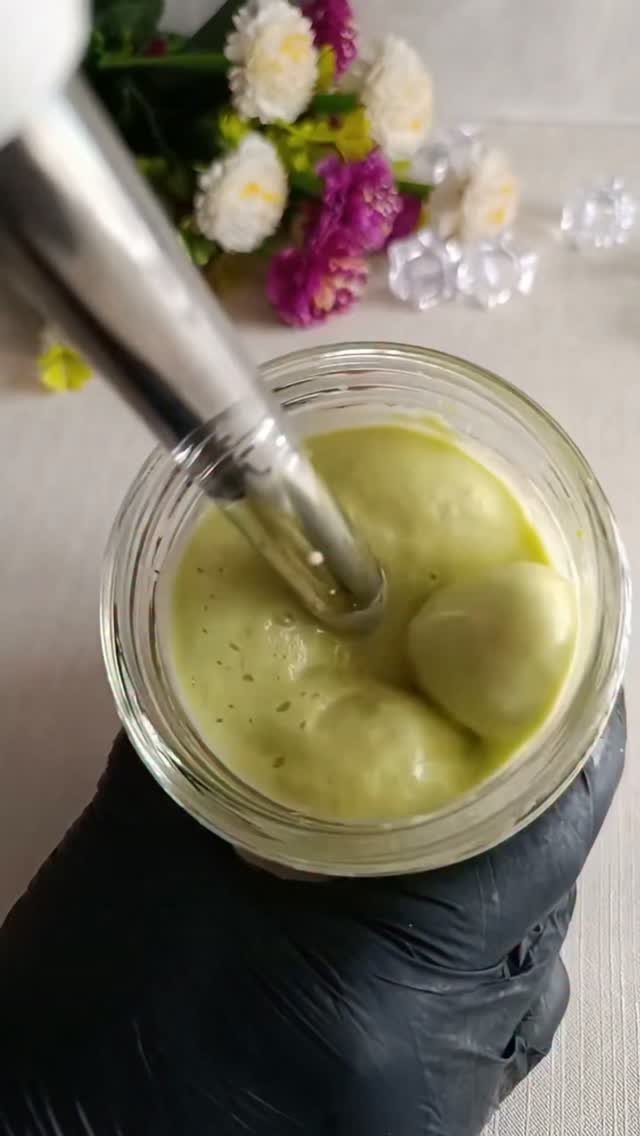
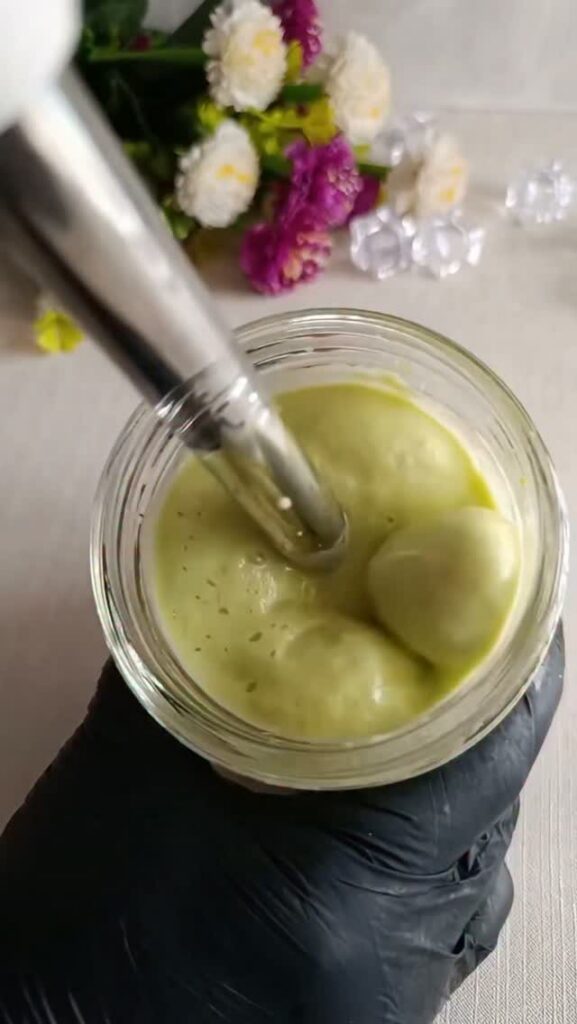
The pale green color is the giveaway: this is an avocado-based mask, and blending it smooth with an immersion blender in a glass jar is the right move for a lump-free result.
Avocado brings fatty acids that coat dry or brittle strands, and a small spoonful of honey thickens the mix and helps it stay on hair rather than sliding off. Blend until the texture is fully even before you apply it.
Let it sit under a shower cap until you feel it warming into the hair, then rinse thoroughly. Avocado residue clings, so a second shampoo pass is often necessary.
2. Applying Mask to Curly Hair
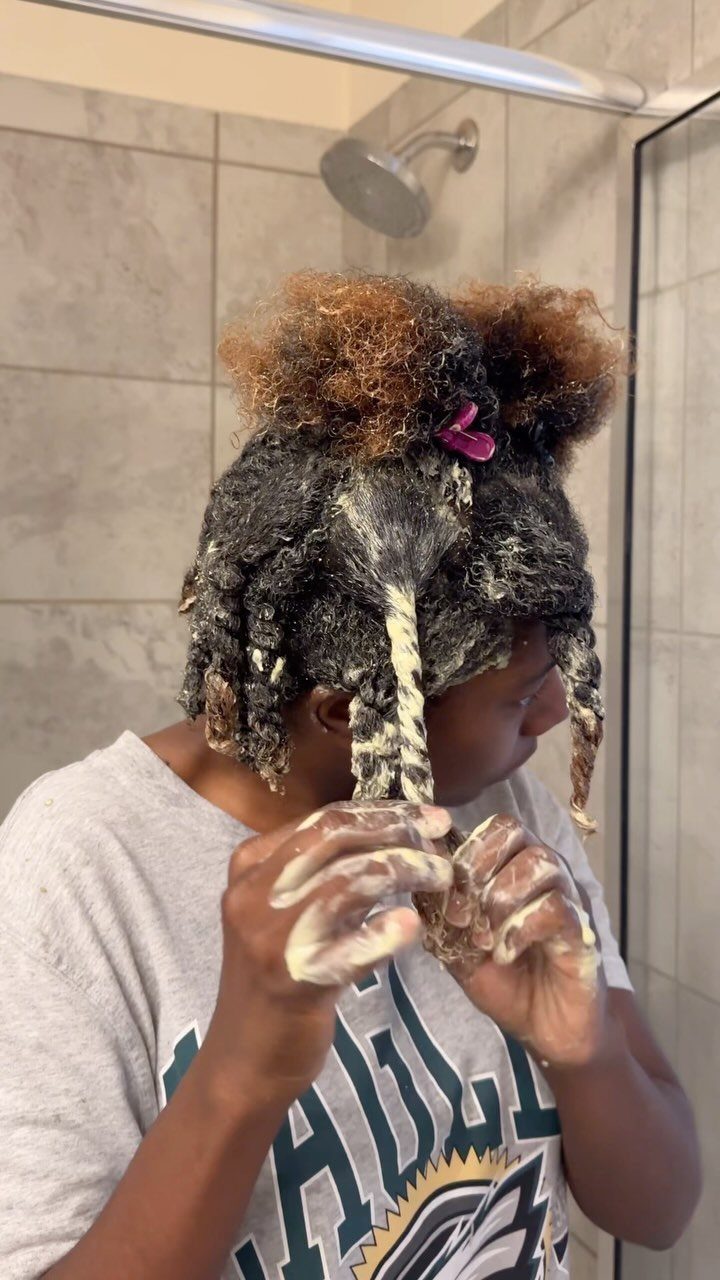
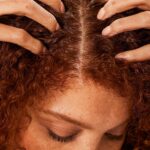
Curly hair drinks up moisture faster than most textures, so a thick, generous mask applied section by section is one of the more useful things you can do for it at home.
Start at the ends, where dryness and breakage concentrate, and work toward the roots rather than the reverse.
Parting the hair into 4 sections before you start means every curl gets coated, not just the outer layer. A wide-tooth comb run through each section while the mask is on distributes it evenly and detangles at the same time.
Cool water when you rinse helps the cuticle lie flat.
3. Gel-based Translucent Hair Mask
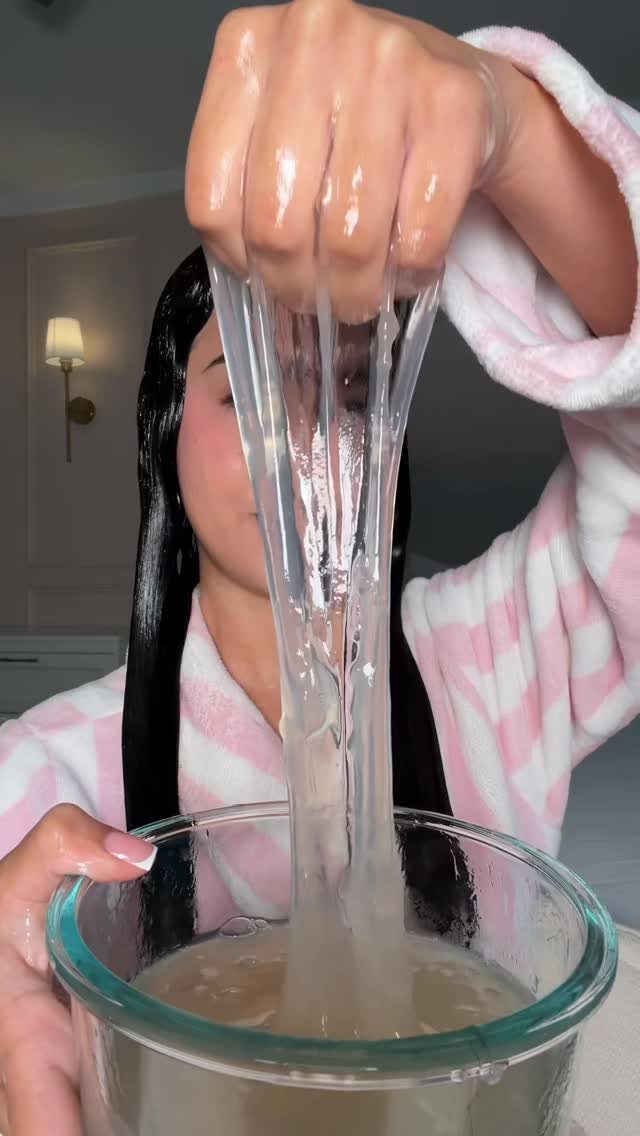
Aloe vera gel straight from a leaf or a bottle produces exactly this texture: clear, thick, and stretchy in a way no cream-based mask replicates.
It suits oily or buildup-prone scalps better than heavier masks because it conditions without adding weight. Apply it generously to damp hair, working from roots to ends, and the gel clings rather than dripping.
A few drops of argan or jojoba oil mixed in beforehand gives drier ends more slip without making the whole mask feel greasy.
4. Thick White Conditioning Mask
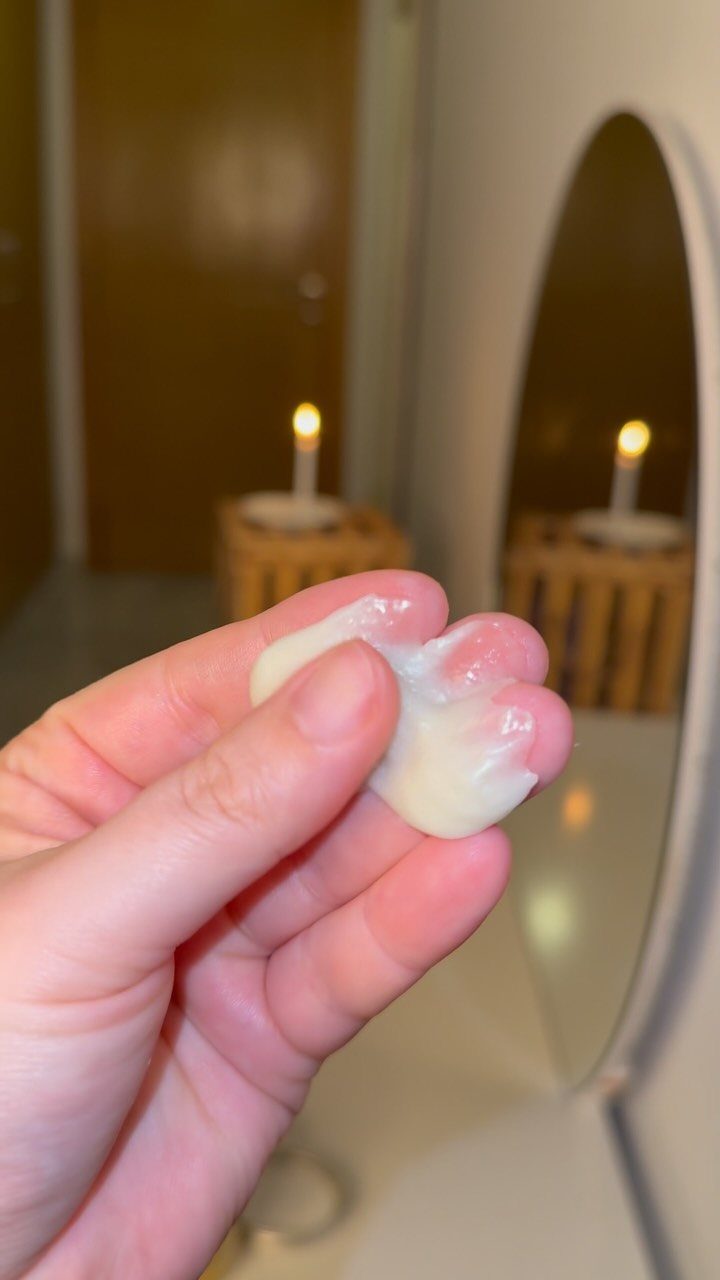
A dollop this size is about right for one full application to shoulder-length hair; longer hair needs more, and running short mid-application is the most common mistake.
Masks this white and opaque are usually coconut oil or shea butter based.
Both soften the hair shaft, though coconut oil is generally the lighter, easier-rinsing choice for fine hair. Warm the amount you need between your palms before applying so it melts slightly and spreads without dragging.
5. Strand Application on Straight Hair
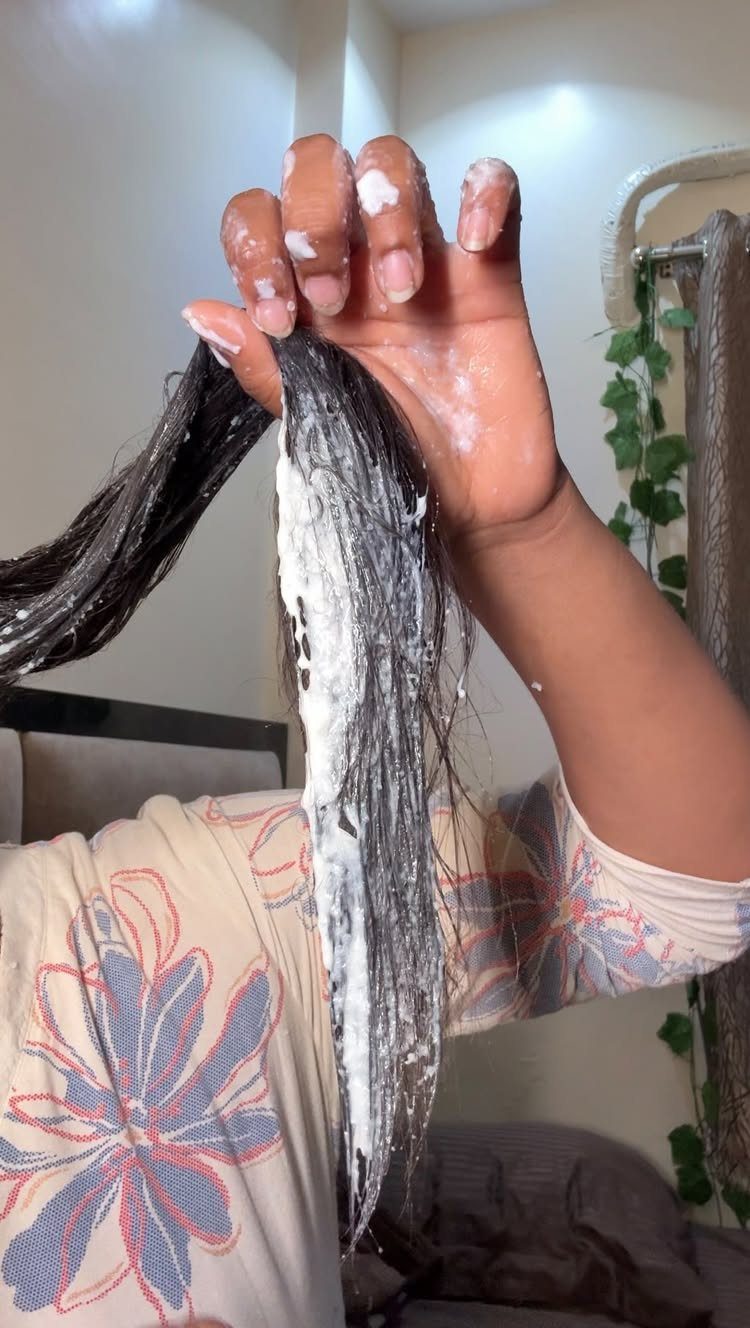
Working a mask down individual strands rather than raking it through all at once is the method that actually coats straight hair evenly, because straight strands lie flat and the mask slides right off them otherwise.
Take a section, hold it taut, and smooth the mask from mid-shaft to the tip before moving on. Roots rarely need it unless your scalp is very dry.
This approach uses more product than a quick all-over application, so mix enough beforehand. Straight hair shows residue more than curly, so rinse until the water runs completely clear.
Adjusting Use to Hair Type
Dry or damaged hair benefits from a mask once or twice a week.
Oily hair does better with less: once every 2 weeks is enough, and going more often than that can leave fine or oily hair feeling weighed down rather than improved.
If you’ve been consistent for several weeks and your hair isn’t responding, that’s a signal to reassess the ingredients rather than the frequency. A stylist or dermatologist can usually point you toward what your specific hair actually needs.
Mask Application Routine
Start on freshly washed, towel-dried hair: the mask distributes more evenly when strands aren’t bone dry or dripping wet.
A processing cap for around 20 minutes works well for a standard treatment.
For overnight use, a shower cap keeps the mask contained, but a towel over the pillow adds an extra layer of protection since some moisture will work its way out regardless.
Hair masks that contain protein ingredients shouldn’t be used overnight. Protein treatments are great if you’re only using them on your hair for 20 minutes or so, but keeping protein on your hair for several hours can make your hair too heavy.
Frequently Asked Questions
What is a hair mask?
A hair mask is a deep conditioning treatment designed to restore moisture, improve shine, and smooth the cuticle, going further than a standard rinse-out conditioner.
You apply it to washed hair, leave it on for several minutes, and rinse it out. Some masks suit a quick 20-minute treatment; others can be left on overnight depending on the ingredients.
Do DIY hair masks actually work?
Yes, when the ingredients match what your hair actually needs.
Avocado and coconut oil deliver fatty acids that coat dry or brittle strands; aloe vera gel adds softness without weighing down finer hair; shea butter works into the shaft to soften it.
Frequency and fit matter more than most people expect: the wrong mask used too often leaves hair flat and heavy rather than healthier.
What is a good home remedy for extremely dry hair?
Avocado blended smooth with a small spoonful of honey is one of the most effective options for very dry hair.
The fatty acids in avocado coat brittle strands, and the honey helps the mask cling rather than slide off. Apply it under a shower cap, then shampoo twice when rinsing since avocado residue clings to hair.
Which DIY hair mask works best for dry, frizzy hair?
For dry, frizzy hair, coconut oil is the most direct ingredient to reach for. Its fatty acids penetrate the shaft itself, and that same coating effect shields the cuticle during washing, which cuts down on protein loss.
Use about 1 teaspoon for fine hair or 1 tablespoon for thick hair, melt it between your palms, work it through dry hair, leave it on for 10 minutes, then rinse and shampoo.
What is the best hair mask for bleached hair?
Bleached hair needs deep moisture and protein support. A mask combining almond oil, aloe vera, agave nectar, and shea butter addresses both: the oils replenish what bleach strips out, and aloe vera seals the cuticle.
Apple cider vinegar diluted with equal parts water is another option that can balance scalp pH and reduce frizz, applied with a spray bottle and left on for 30 minutes.
Should you apply a hair mask from roots to ends or ends to roots?
Starting at the ends and working toward the roots makes more sense for most hair types, since dryness and breakage concentrate at the ends.
Are overnight hair masks safe?
Most moisturizing masks are safe to leave on overnight, but a few ingredients shouldn’t stay on that long.
Protein-based ingredients like egg can cause breakage if left on for hours rather than minutes, and egg also risks developing a bad smell overnight.
Apple cider vinegar should also be skipped for overnight use since it can strip protein from the hair shaft over extended contact.
How do you use an overnight hair mask?
Apply the mask to freshly washed, towel-dried hair so strands are damp but not dripping.
Divide hair into sections, work the mask through starting at the ends and moving toward the roots, run a wide-tooth comb through each section for even distribution, then cover with a shower cap.
Can you use a DIY hair mask on hair extensions?
Yes, with one adjustment: keep the mask away from the roots and bonds. Oils in most homemade masks can cause bonded extensions to slip if applied near the attachment points.
Focus application on the mid-lengths to ends, and argan oil is a good ingredient choice since it conditions without making the hair feel heavy.