Pre-wash oil soaks in without the weight, and dropper bottles make it easy to hit dry ends instead of greasy roots. Your hair texture and where you actually need moisture tell you which approach works.
Botanical oils pull rosemary, hibiscus or fenugreek into the carrier over days in the jar, and you can make a batch by covering dried herbs with jojoba or sweet almond oil, shaking it daily, then straining after a week or two.
1. Applying Hair Oil Before Washing
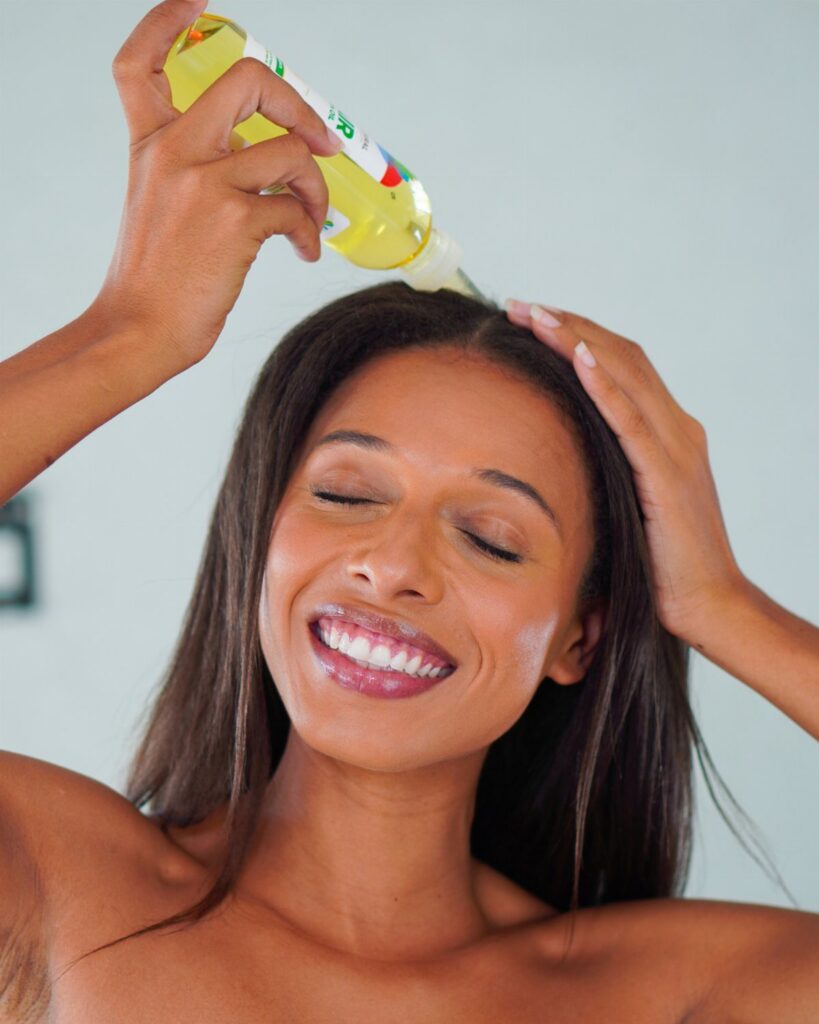
Oil sits on your hair before you shampoo, letting moisture work in without the weight staying all day. This suits dry or damaged hair that needs extra hydration but gets greasy fast if oil sits on it too long.
Warm the oil slightly between your palms, work it through from roots to ends, then tie your hair up while you wait.
Shampoo twice to lift it all out. The pre-wash timing means you get the treatment without adjusting how your hair behaves the rest of the week.
2. Botanical-infused Herbal Hair Oil
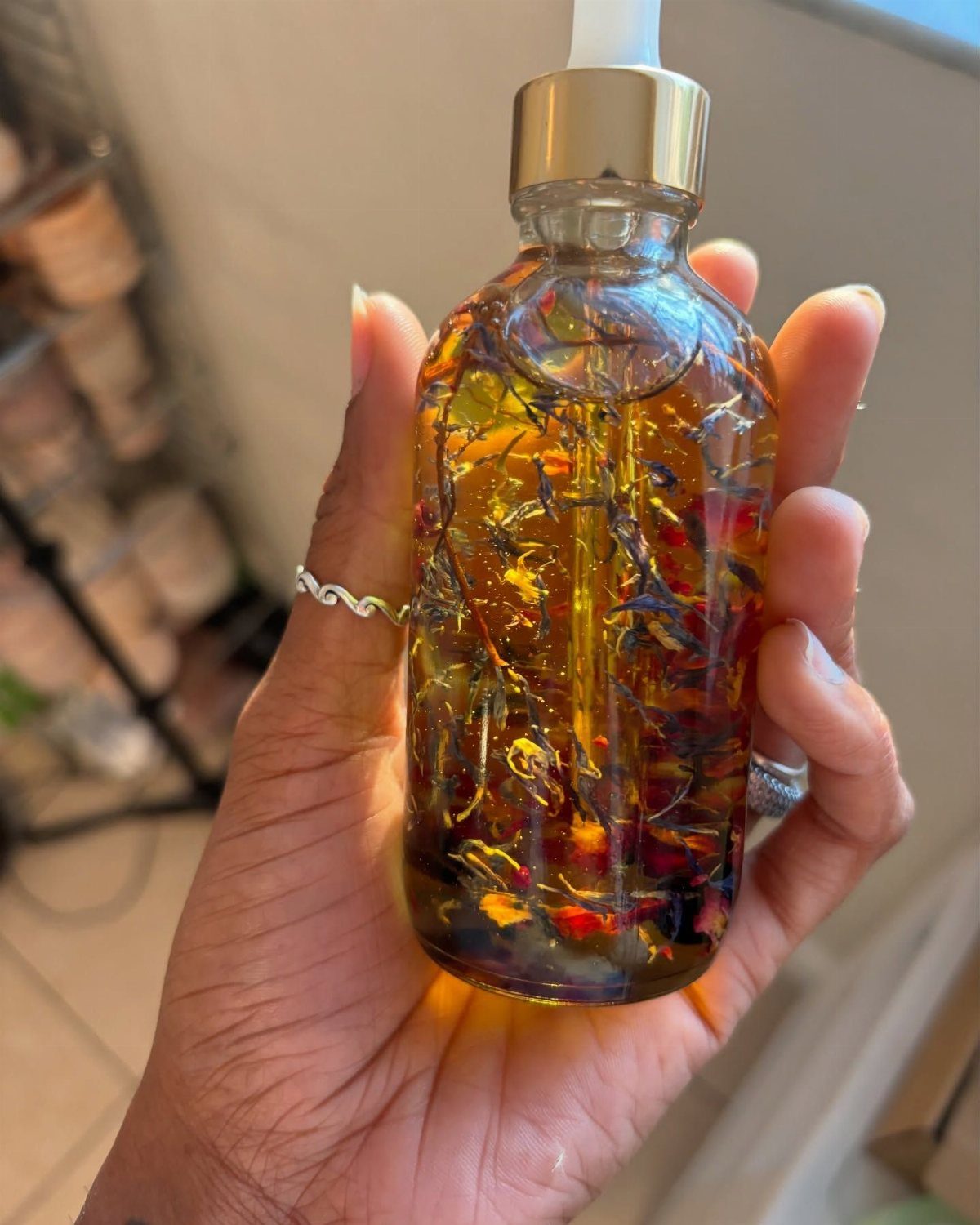
Dried herbs, flowers and roots sit inside the oil for days or weeks, pulling their compounds into the base. Rosemary, hibiscus and fenugreek are common additions, each tied to circulation, shine or strength depending on which tradition you follow.
You can buy botanical oils ready-made or infuse your own by filling a glass jar with dried herbs and covering them with a carrier oil like jojoba or sweet almond.
Leave it in a warm spot, shaking it every few days, then strain out the solids. The oil keeps for several months in a cool, dark place.
3. Ancestral Cosmetics Hair Oil Application
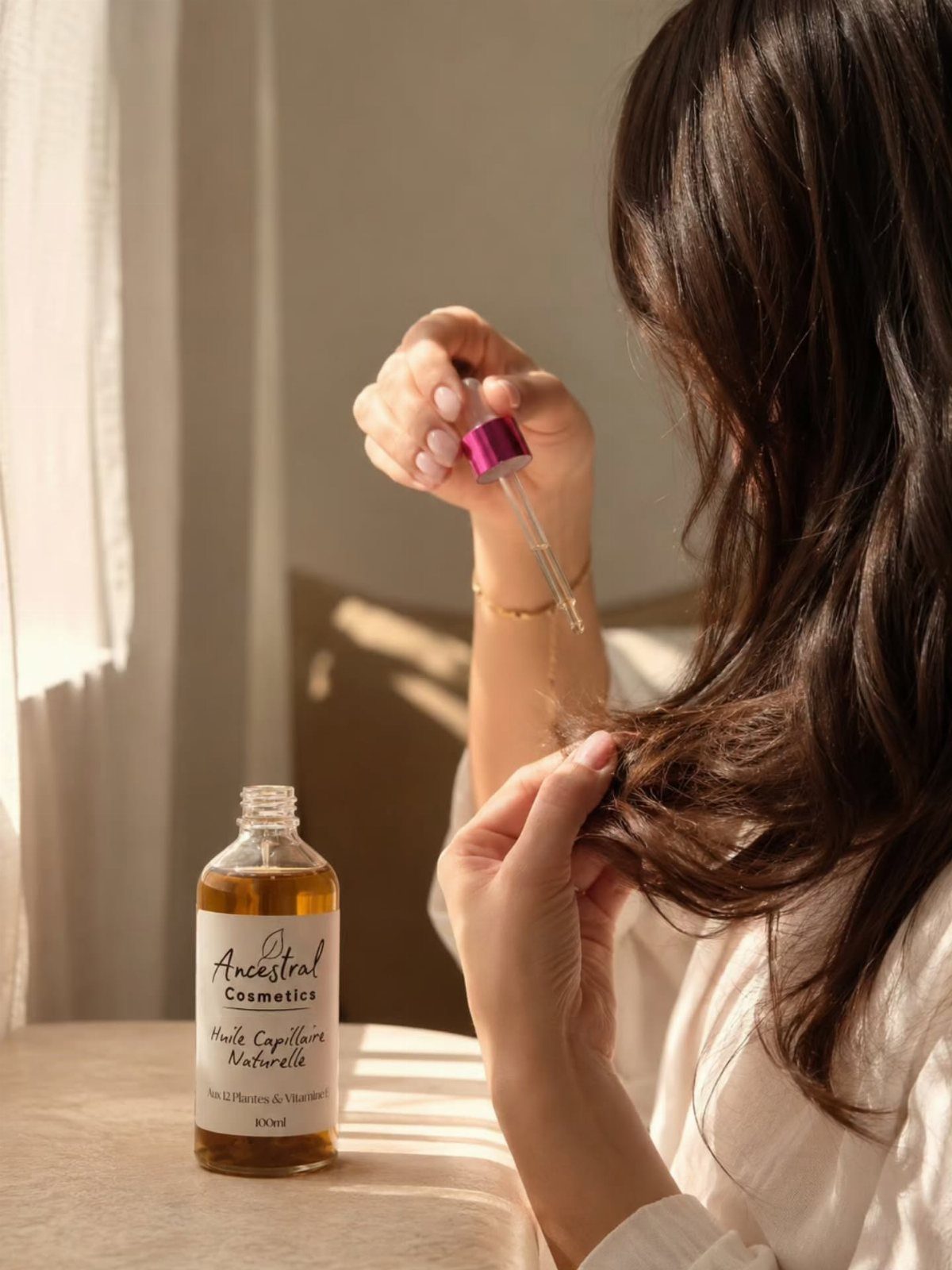
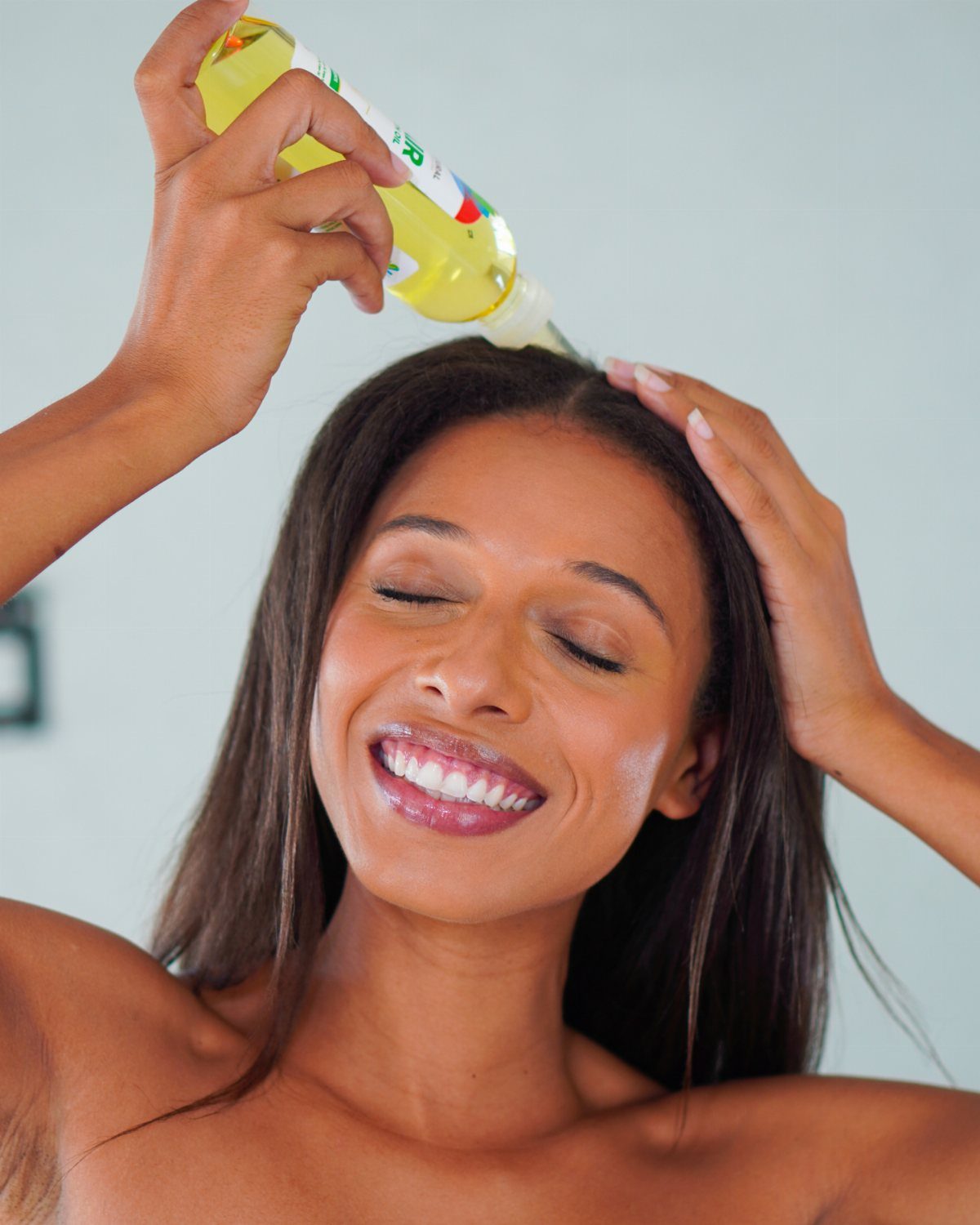
A dropper lets you control exactly how much oil lands on each section, which matters when you want moisture on your ends but not at your roots.
This method suits fine or wavy hair that needs targeted hydration without losing volume.
Divide your hair into sections, squeeze a few drops onto your fingertips, then smooth it through the mid-lengths and ends.
Start with less than you think: a few drops per section usually covers it, and you can always add more if your hair drinks it in.
4. Scalp Massage Oil Treatment
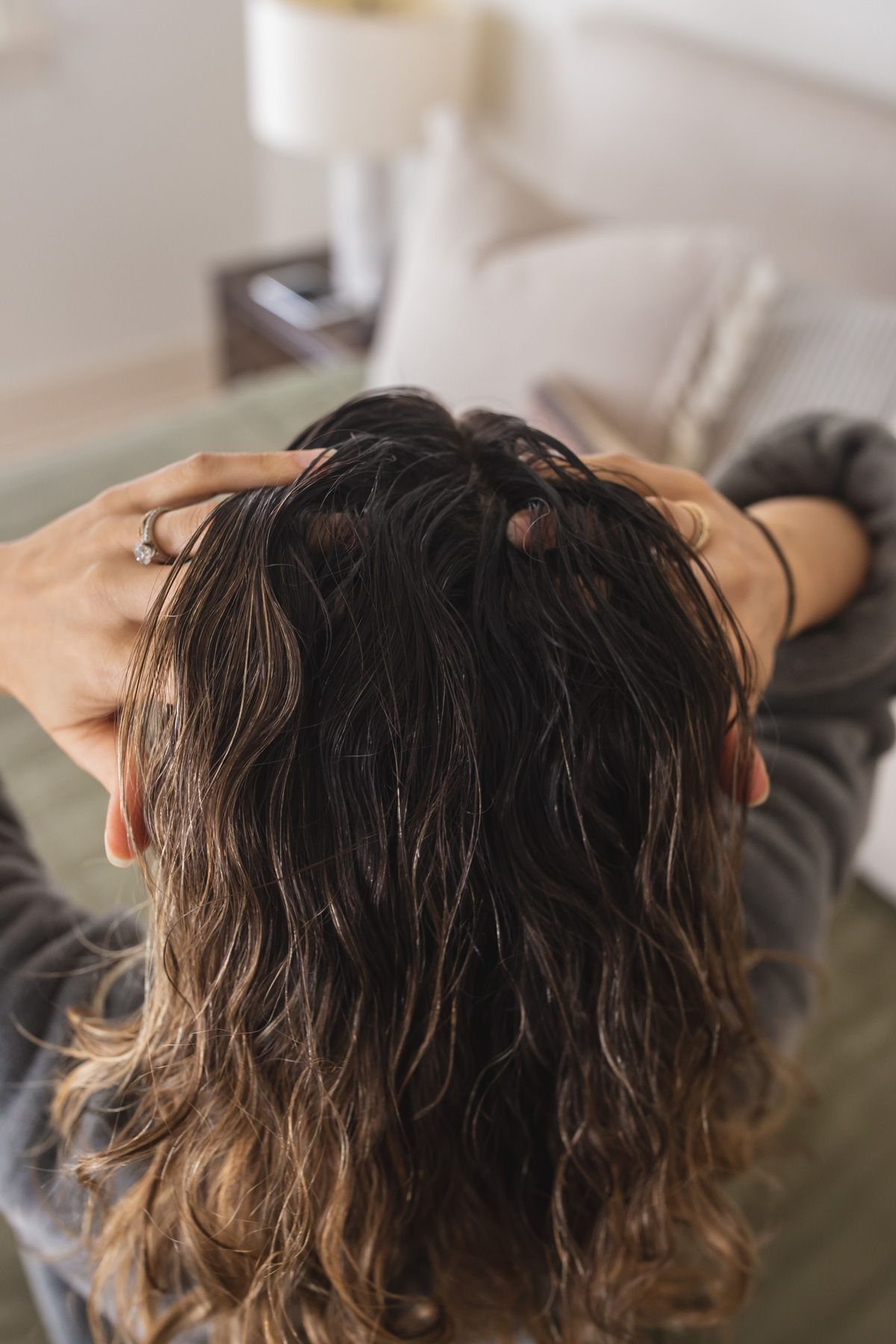
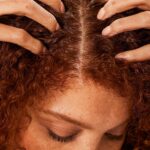
Massaging oil into your scalp with your fingertips increases circulation and spreads the oil across every inch of skin, not just where you happened to pour it. This suits anyone dealing with dryness, flaking or slow growth.
Use your fingertips in small circles, pressing firmly enough to move the scalp without dragging your hair.
Start at your hairline and work back toward your crown, then down the sides. The oil can sit before you wash it out.
Natural Texture and Representation
The phrase "pelo malo" translates to "bad hair" and has historically labeled curly and kinky textures as something to fix or straighten. That messaging pushes against what naturally grows, and it still shapes how some people see their own hair.
Latina-owned brands built around curls and coils are pushing back by designing products that work with texture instead of against it.
Productos Latina, founded by Pilar García, formulates Curly Hair Method–approved masks and styling products with walnut oil, argan oil, berries, biotin and vitamin E; you can order from their site or pick up at Ulta.
When brands center natural texture in their formulas and marketing, it gives people permission to wear what grows. That shift matters as much as the product itself.
Frequently Asked Questions
What are the benefits of using hair oils?
Hair oils seal in moisture, smooth damage and stop breakage, so hair comes out shinier and softer. They act as emollients but also carry nutrients that work deeper than surface conditioning, especially when you let them sit before washing.
Which homemade hair oil is best?
Coconut, olive, almond and argan oils are the most commonly used, with coconut and olive topping preferences in surveys of hair oil users.
You can also infuse any of these with dried herbs like rosemary, hibiscus or fenugreek by letting them sit together in a jar for a few weeks, then straining out the solids.
What are the best Mexican oils for preventing split ends and damage caused by dryness?
Argan, jojoba, avocado, coconut and moringa each tackle split ends and keep dry hair from snapping. Each one delivers moisture and nutrients that strengthen the hair shaft and stop frayed ends from splitting further up the strand.
How do you say hair oil in Spanish (Mexico)?
"Aceite para el cabello" is the formal term, while "aceite para el pelo" is what you’d hear in everyday conversation. Both mean the same thing, just different levels of formality.