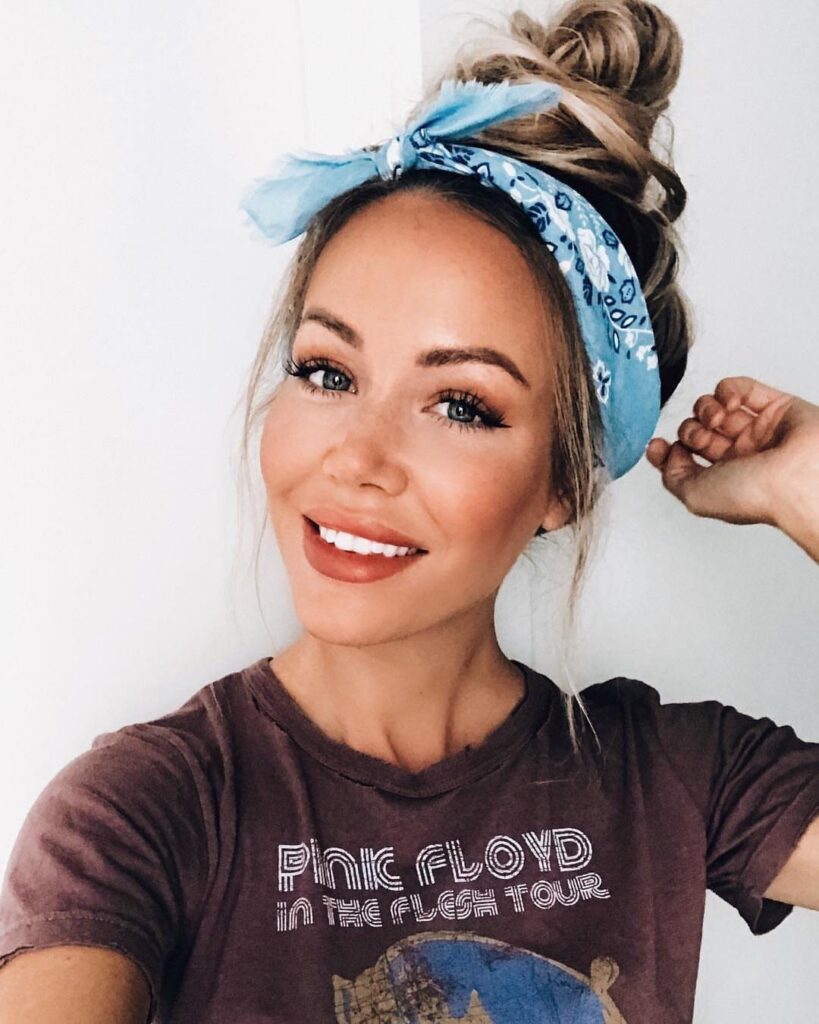
Second-day hair ranges from a 2-minute messy bun that hides roots entirely to a French braid that takes the most time but holds the longest.
The single thing that picks your style is how much of your hair needs to stay hidden: styles like the top knot and textured faux hawk keep everything up, while the half-up options leave length down for anyone whose ends are fine.
Oily roots are easier to work with for braiding than clean hair is, because the natural grip keeps each section from slipping as you cross it over.
1. Messy Bun
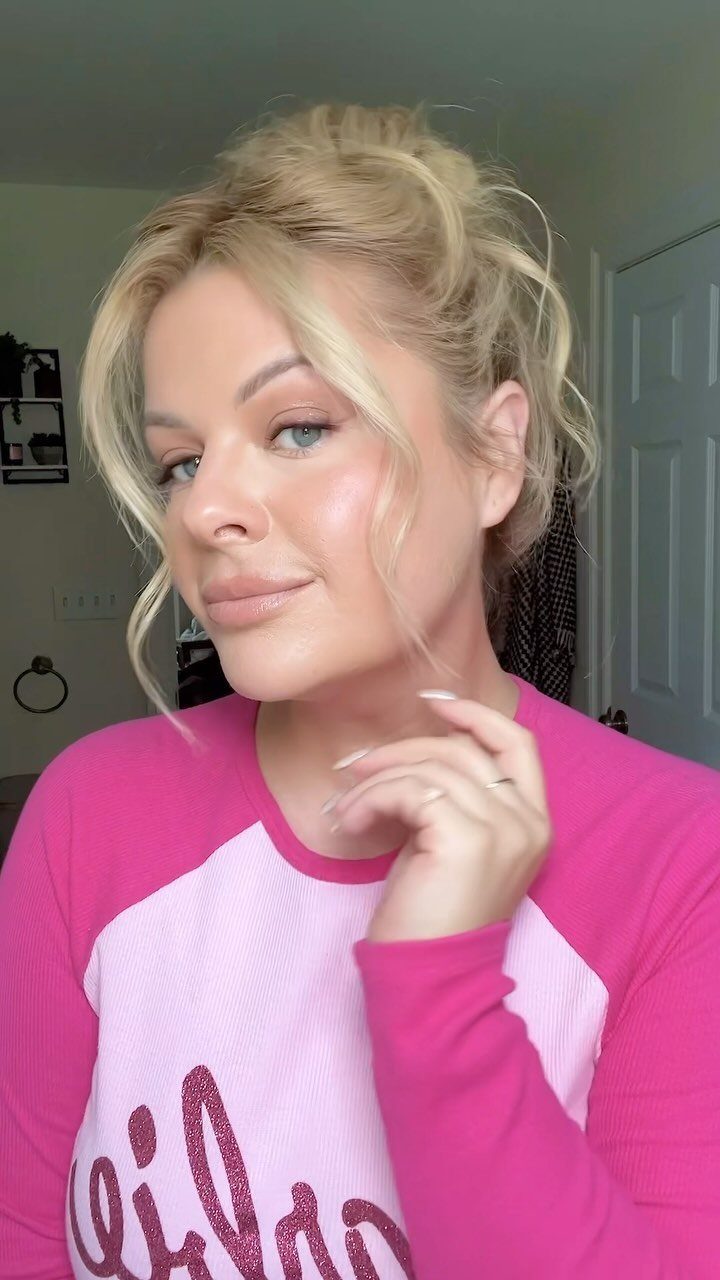
The messy bun is dry shampoo’s best friend: piling hair up hides oily roots completely, and the undone texture actually looks better with second-day grip than with freshly washed hair.
Spray dry shampoo at the roots, work it in, then gather everything into a high or mid ponytail.
Twist loosely, wrap, and pin without pulling tight. Pull a few pieces loose at the temples.
Fine hair can split the ponytail into 2 sections before wrapping and press them together; the layered volume reads as thicker than a single twist would.
2. Half-up Half-down
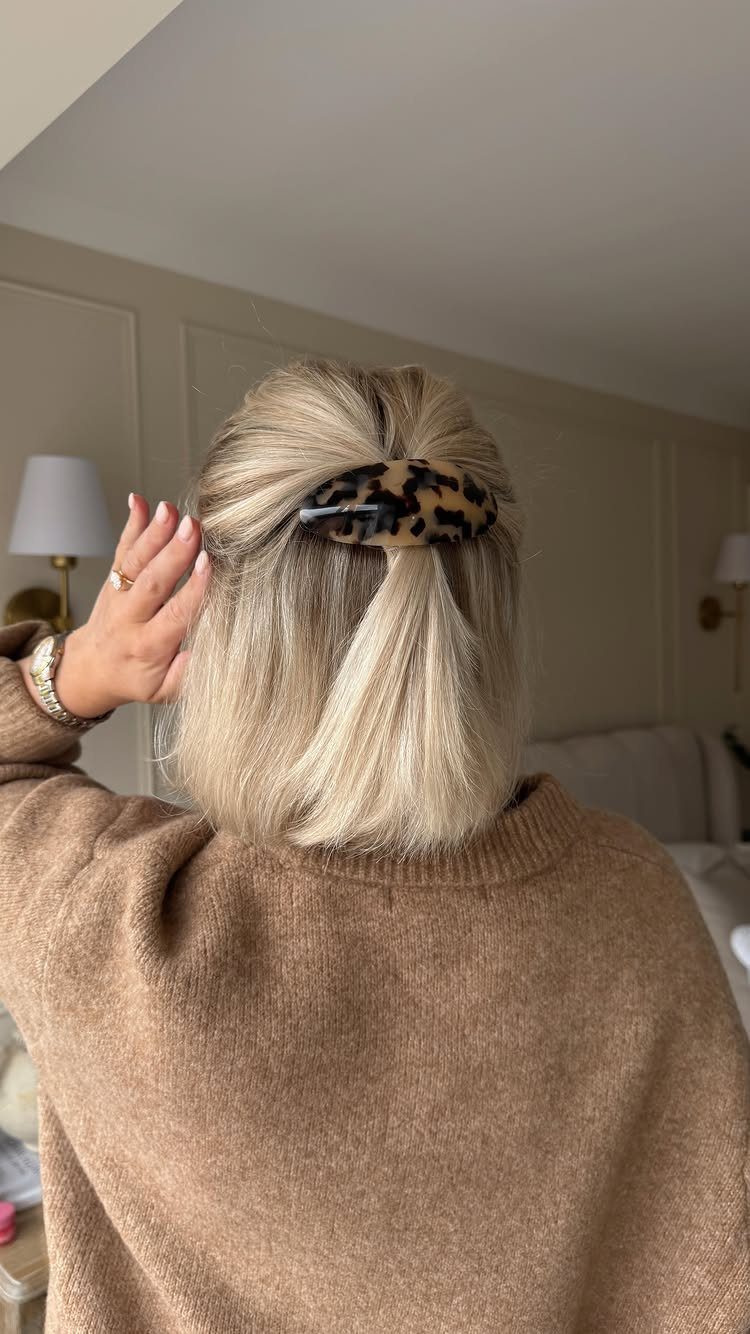
Clipping the top half back while the rest falls loose does real work on oily roots: the upper layer covers them, the clip holds everything in place, and the style still reads as deliberately put-together.
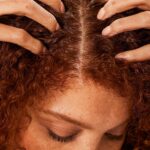
Grab the crown section, twist once or leave it flat, and secure at the back of the head. Dry shampoo at the part line first keeps the lifted section from going flat by midday.
3. Top Knot
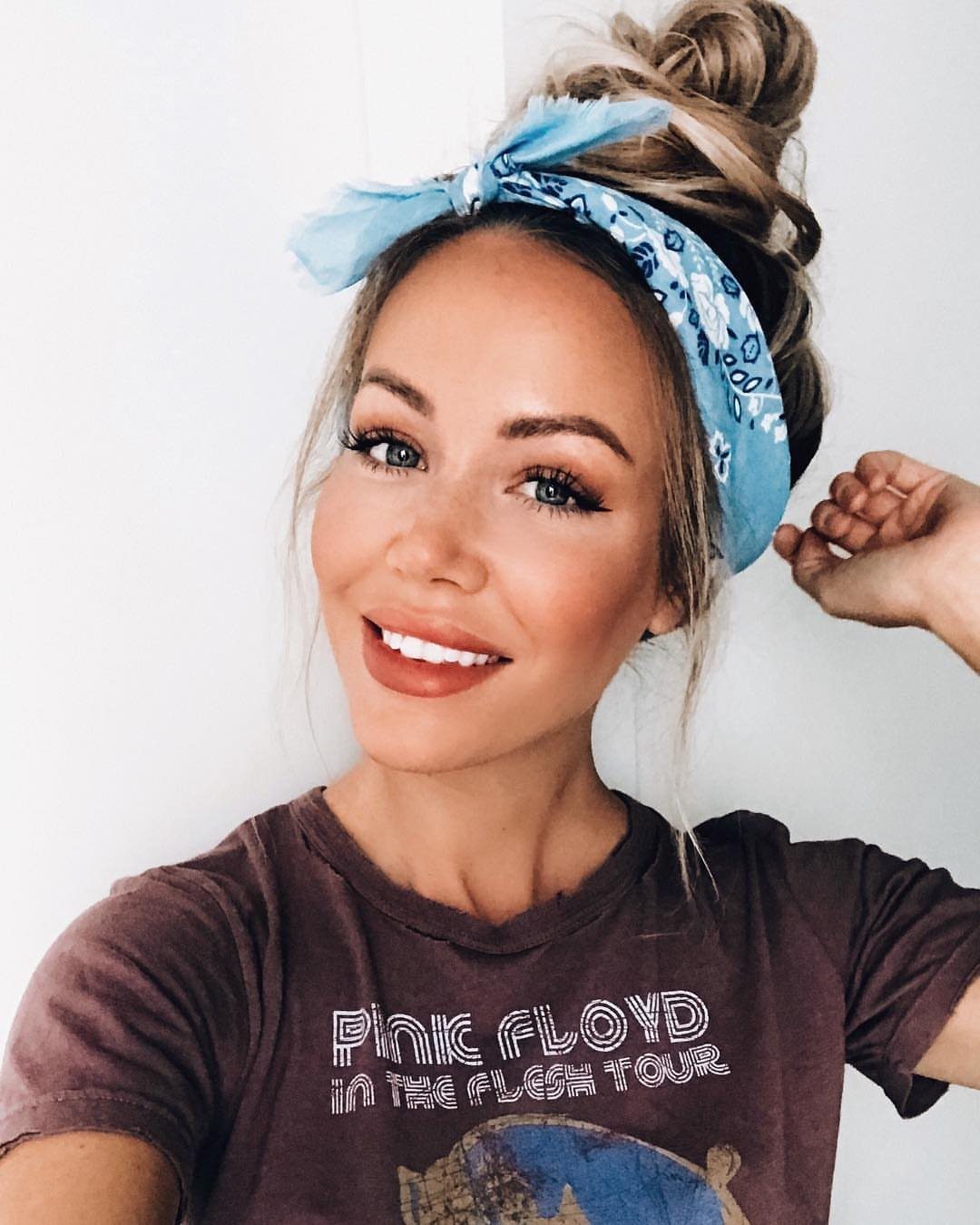
Gathering everything to the very top of the head before knotting it is what separates this from a regular bun, and that height is what makes the proportions work.
Spray dry shampoo, brush it through, then pull hair straight up into a ponytail at the crown.
Twist the length into a rope, coil it at the base, and pin it down. A headband covers any uneven sections at the hairline and keeps flyaways down without extra product.
4. Ponytail
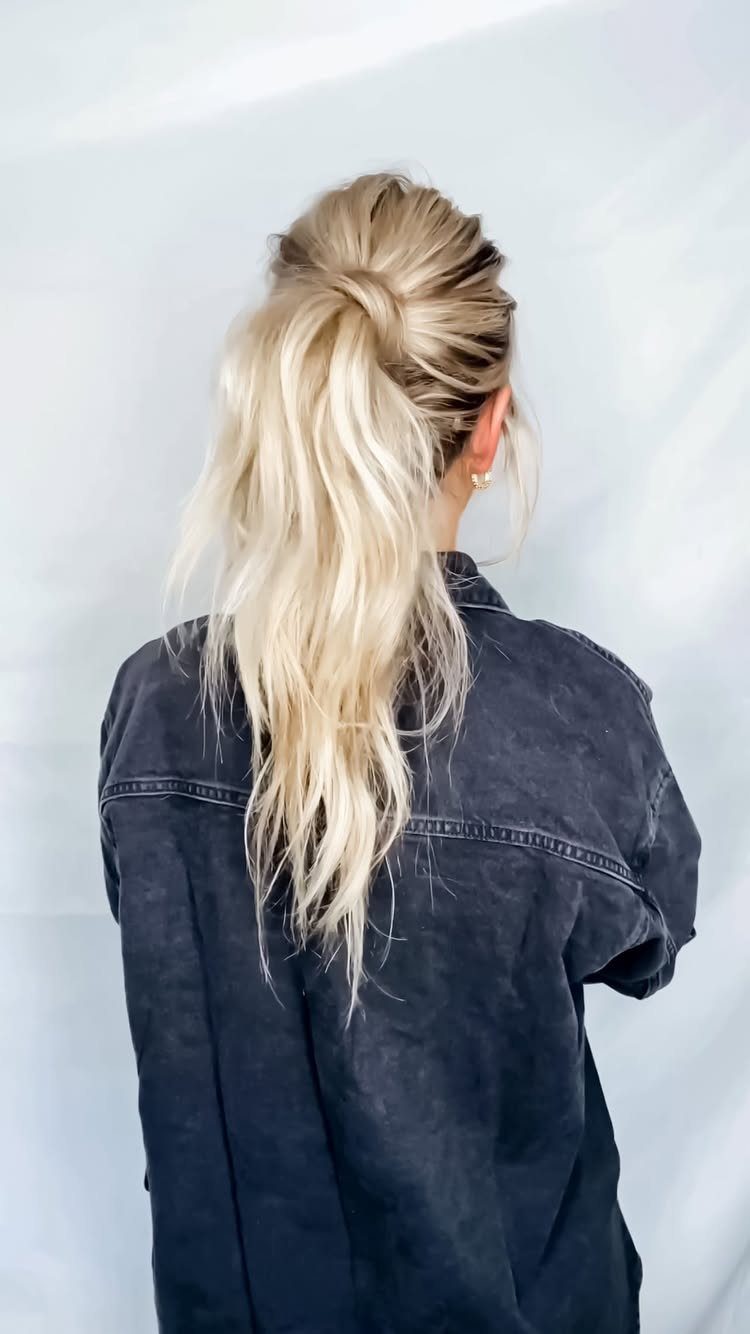
Dry shampoo gives a ponytail something it genuinely needs: the texture to grip itself and hold volume through the day rather than sliding flat by noon.
Spray at the roots, flip the hair forward and work the product in, then flip back and pull into a ponytail at whatever height suits you.
For extra lift at the crown, gently tug the hair above the elastic after securing it. A small piece wrapped around the base hides the elastic cleanly.
5. Braided Ponytail
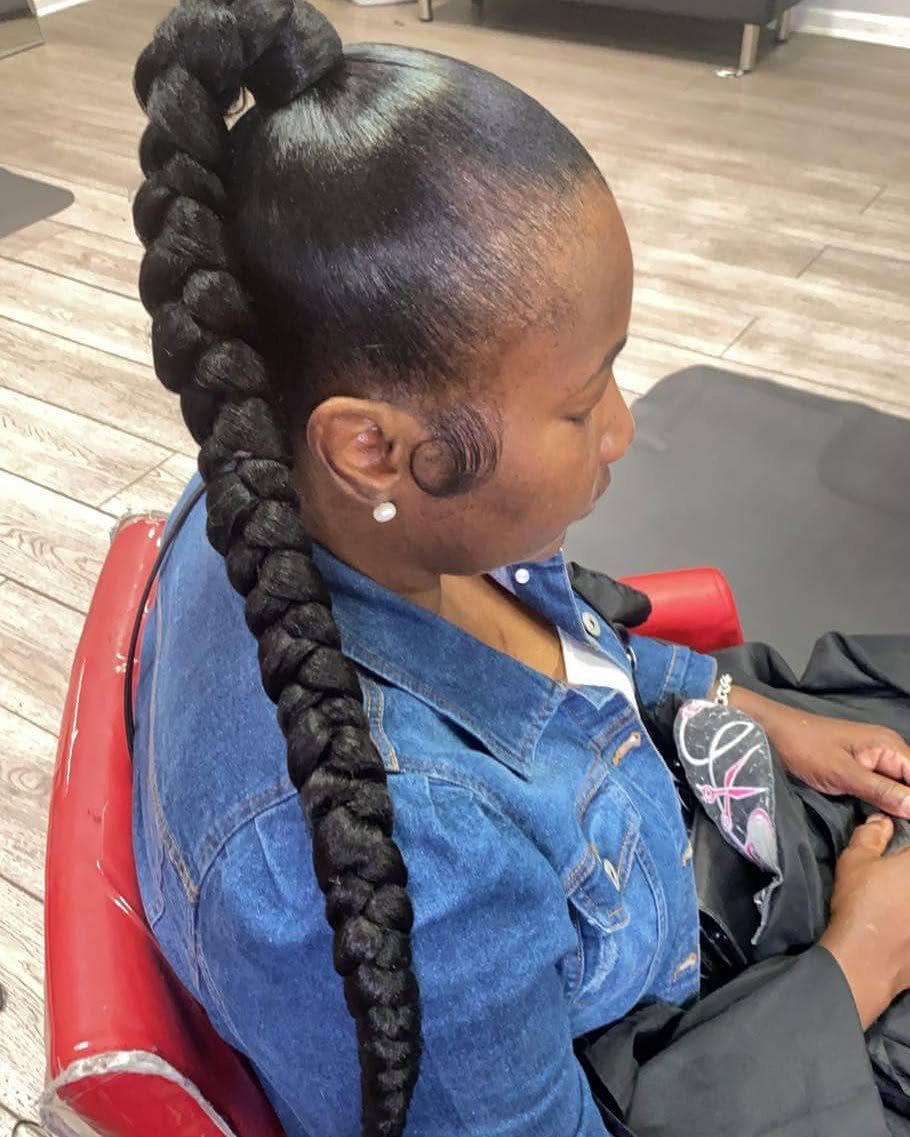
Braiding the length after securing the ponytail adds structure that holds its shape for hours, and the braid reads as polished without requiring much extra time.
Divide the length into 3 sections and braid straight down, keeping even tension. Secure the end with a small elastic.
For more volume, gently tug the edges of each braid section outward after finishing. Dry shampoo at the roots before you start gives the ponytail enough grip to sit high without slipping.
6. Soft Voluminous Curls
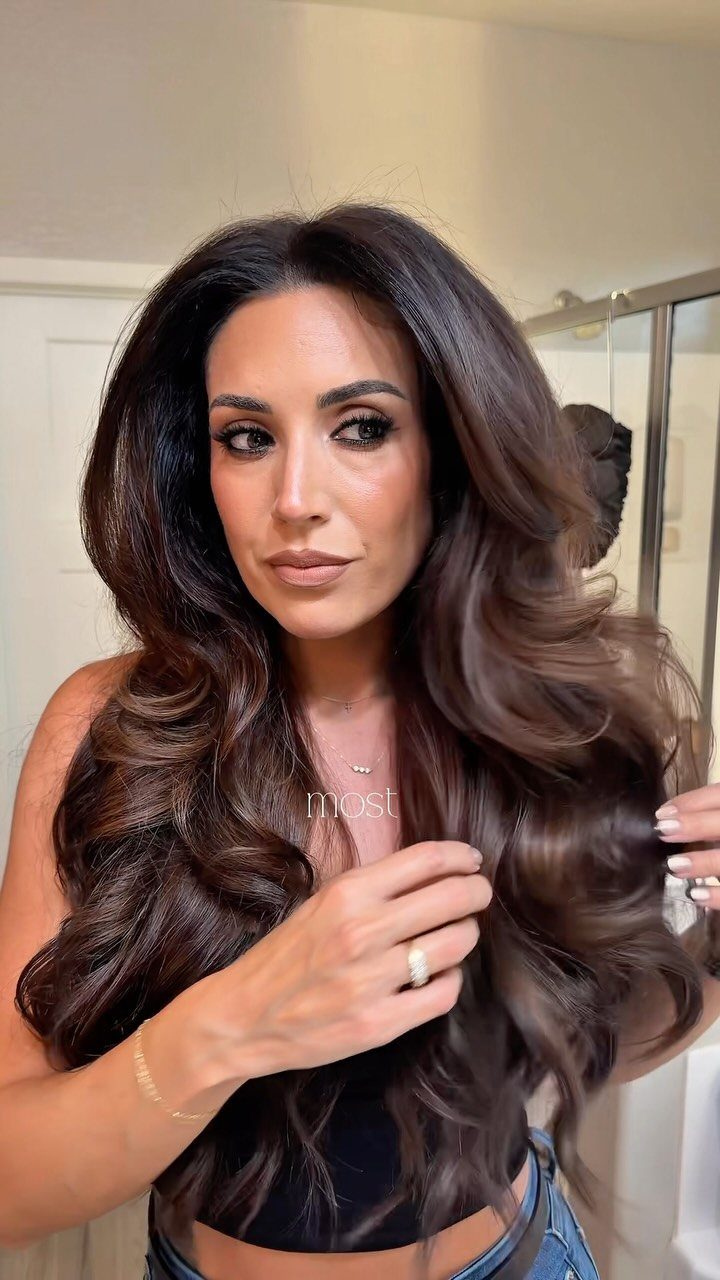
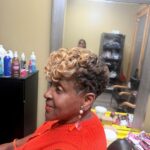
Soft curls worn down are the one style here that leans into dry shampoo for volume and hold rather than as a root fix, and the result is fuller than freshly washed hair usually manages on its own.
Work dry shampoo through the mid-lengths and ends before curling. Use a large-barrel iron and alternate the direction of each section away from the face.
Once cool, break the curls apart with fingers rather than a brush to keep them soft instead of crisp. A light-hold spray at the roots keeps the volume from collapsing.
7. Half-up Top Knot
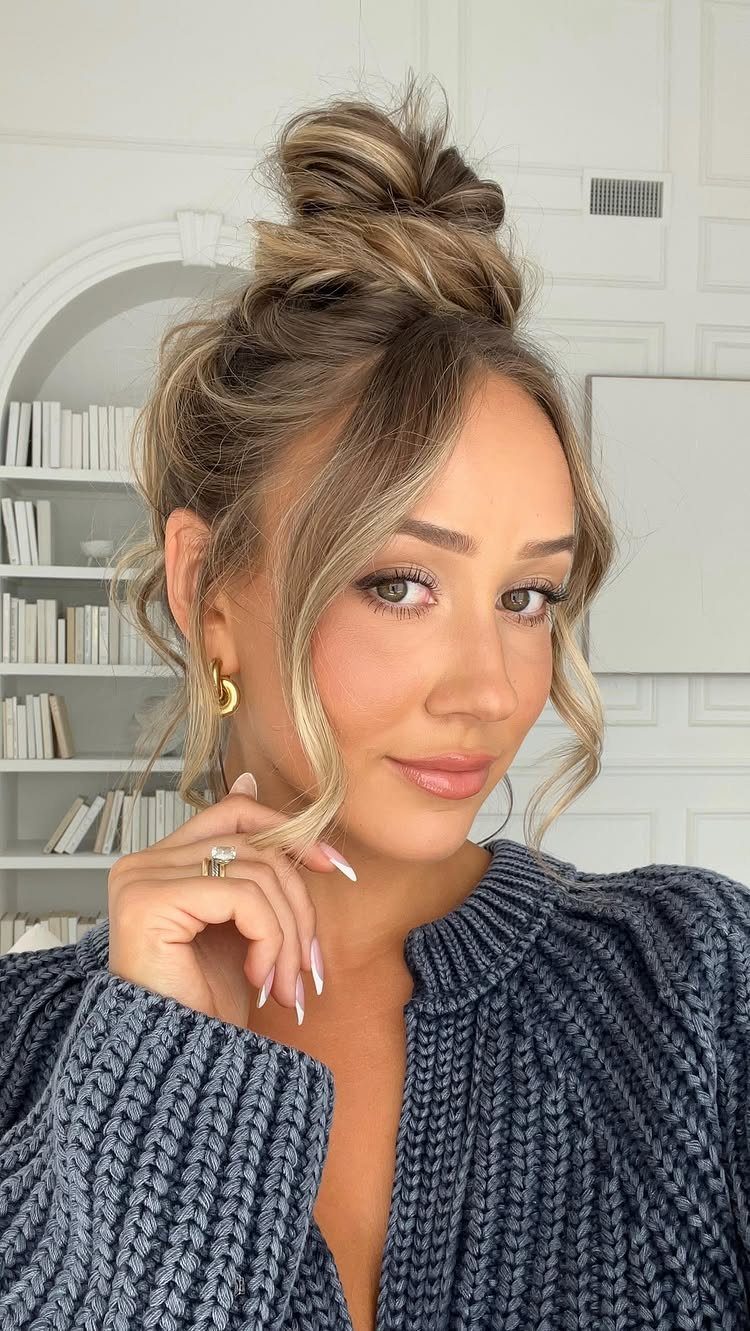
Knotting just the top section while the rest falls loose gives you half the polish of an updo with none of the commitment, and the contrast between the knot and the loose ends below it reads as genuinely styled rather than pulled-together-in-a-hurry.
Spray dry shampoo at the roots, then take the top section from temple to temple and gather it at the crown.
Twist, loop through once, and pin. Don’t tighten it all the way; a slightly loose knot holds its shape while still looking relaxed.
The length underneath benefits from a little product too. Running dry shampoo through the mid-lengths gives the loose hair the same grip and body as the knotted section above it.
8. Textured Faux Hawk
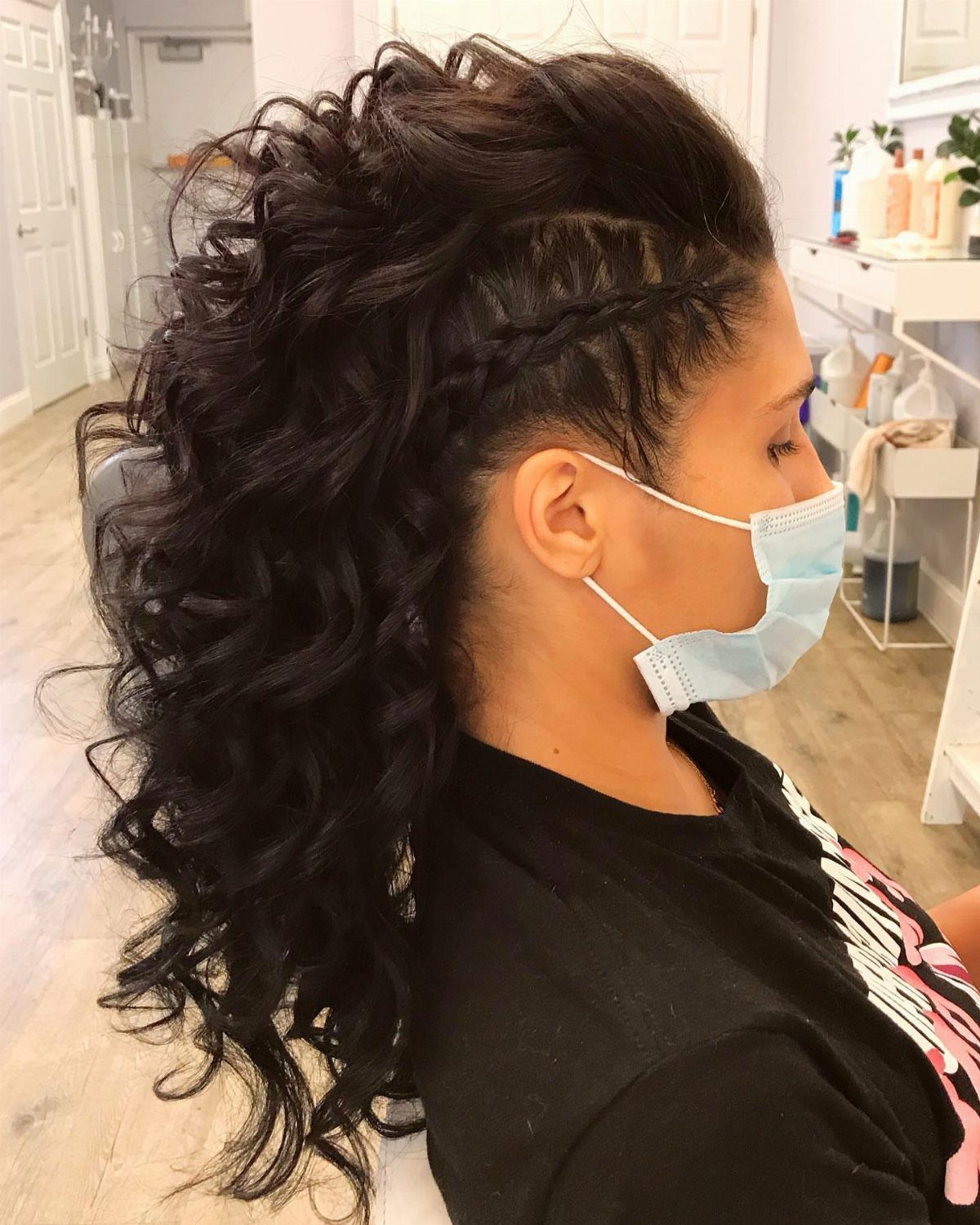
Lifting the sides and pinning them toward the center creates a faux-hawk ridge down the middle, and dry shampoo is what makes it stay there, giving each section enough grip to hold against gravity for hours.
Work dry shampoo into the roots and along the lengths before you start. Repeat from the other side, then pin both at the center so they meet.
Repeat on the other side, overlapping slightly so the pins are hidden. The texture dry shampoo leaves behind keeps the ridge from flattening.
Curly or wavy hair gets extra mileage from this because the natural texture fills in the shape between the pinned sections.
9. Braided Half-up Style
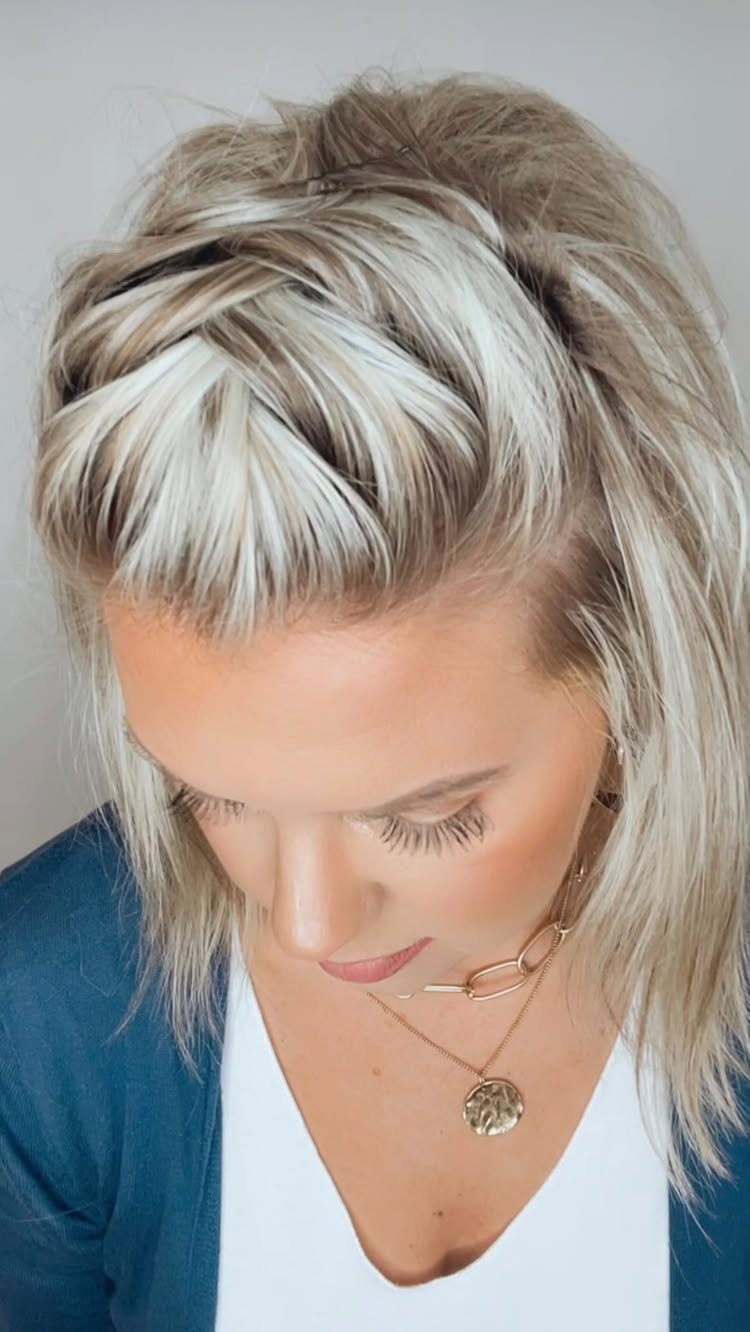
Pulling a braid across the crown and anchoring it into a half-up style gives the look more structure than a clip or elastic alone, and second-day hair handles it better than freshly washed hair does.
Day 2 or 3 hair with a little dry shampoo or texture spray gives the sections enough grip to hold the shape.
Dry shampoo at the part line first. Then take a section from one side, braid it across toward the back of the head, and secure it with the rest of the top section.
The braid sits flat against the head and reads as deliberate without requiring much extra time.
10. Half Knot
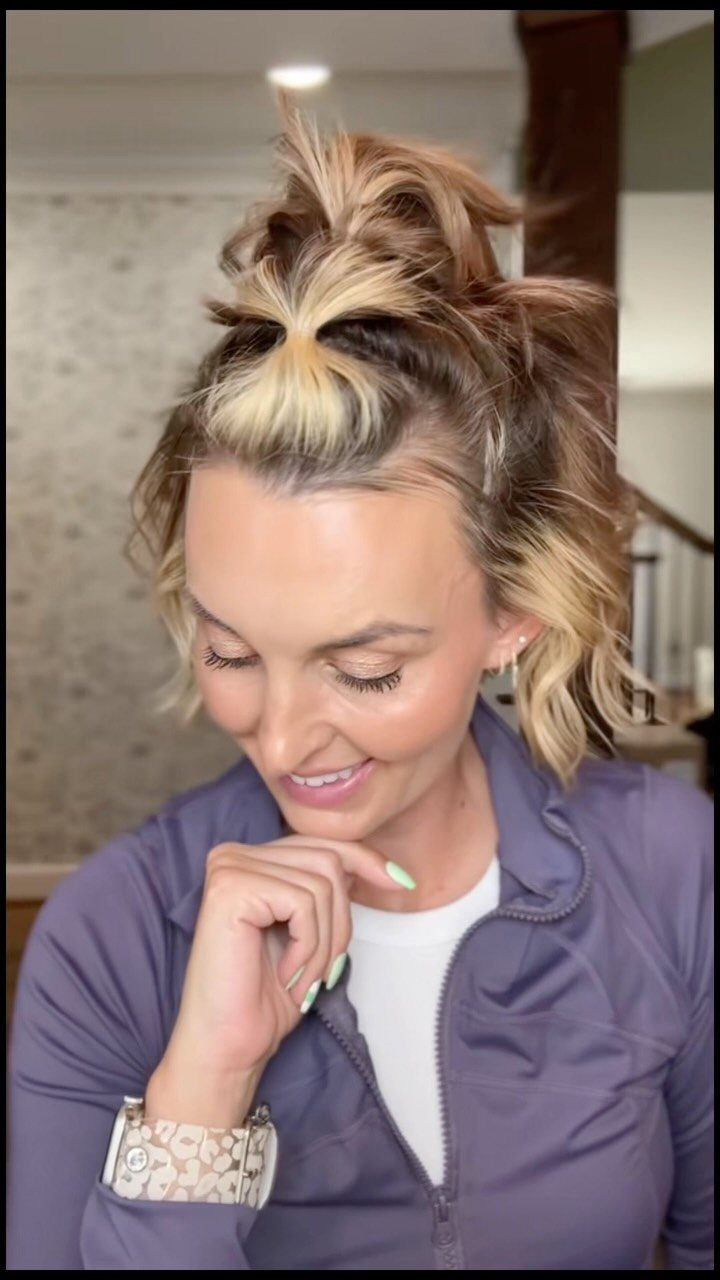
A half knot pulls the top section back and ties it in a loose knot rather than securing it with a clip or elastic, which keeps the style casual while still getting the crown section off the face.
Take the top section, twist it once, loop it through itself, and pin the ends underneath. The knot should sit slightly loose; tightening it too much pulls out the volume that dry shampoo puts in.
The wavy ends left down below it do most of the visual work, so running dry shampoo through the length before you start pays off here.
11. Texturized Pony
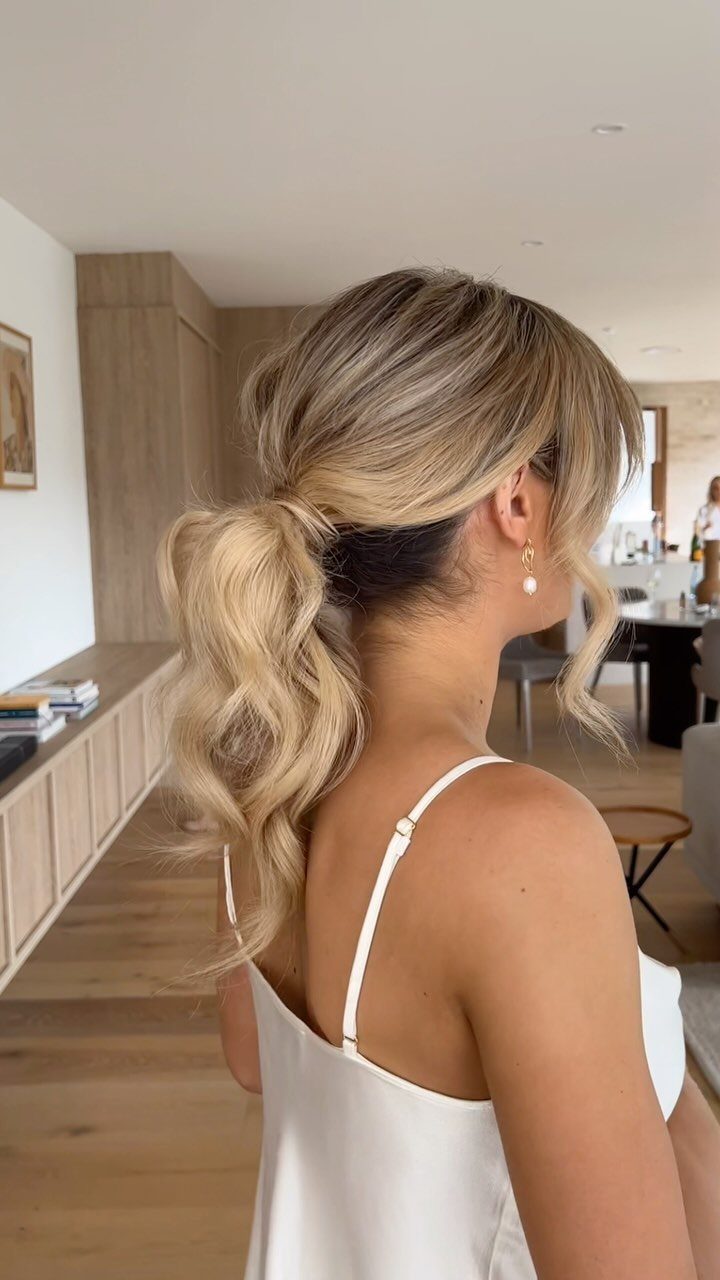
A low ponytail with tousled texture and a few pieces left loose at the front is the version of a ponytail that looks most like you did not try very hard, which is its appeal.
Spray dry shampoo at the roots and through the mid-lengths, scrunch it in, and pull everything back loosely at the nape rather than pulling tight.
Leave a few strands out at the temples and let them wave or bend naturally. The elastic should sit low enough that the crown keeps its volume rather than going flat.
Finger-tousling the ponytail itself after securing it loosens any sections that clumped together on the way back.
12. French Braid
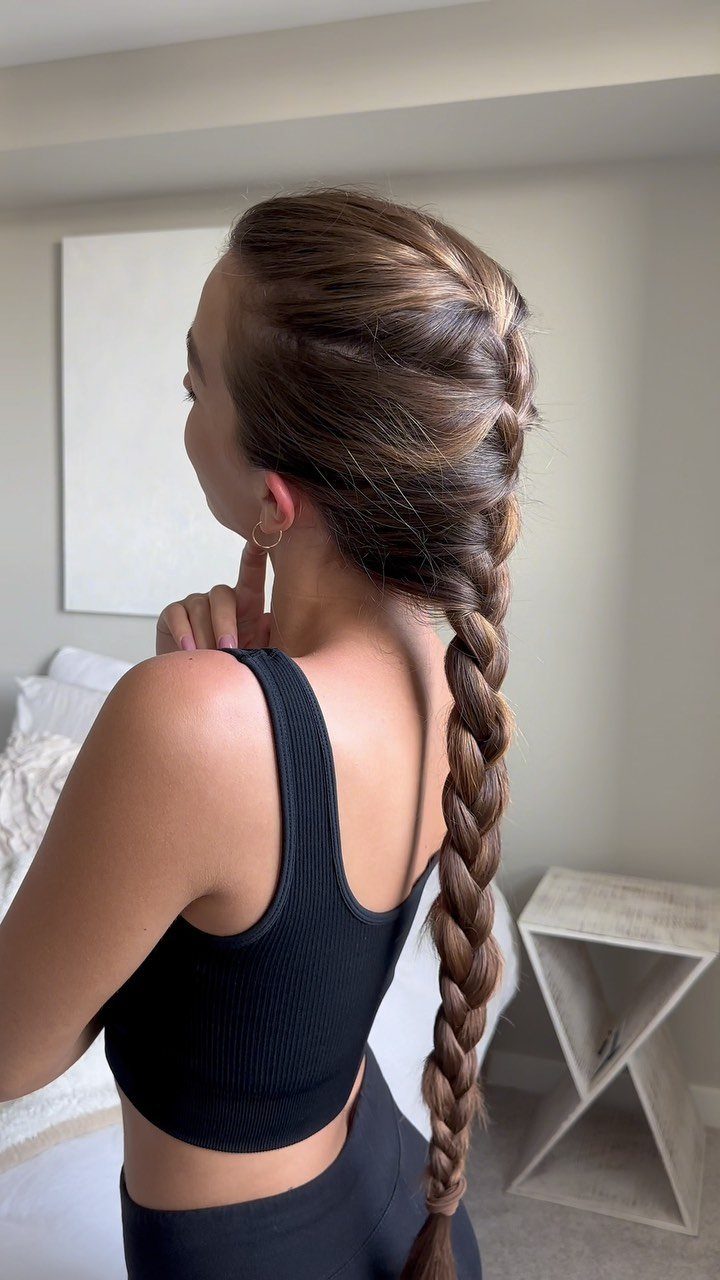
A French braid takes the most time of any style here but holds the longest, and oily hair is genuinely easier to work with because the natural grip keeps each section from slipping as you cross it over.
A light pass of dry shampoo at the roots before you start separates the sections cleanly without stripping the grip that makes braiding easier.
Part the hair at the center or side, then begin at the crown: 3 sections, add hair from the sides as you cross each one over, and work down to the nape.
Dry Shampoo Application and Limits
Dry shampoo works only on dry hair. A quick hit of cool air from the blow dryer helps it settle and builds in a touch of volume.
Most sources say not to rely on it more than 2 days running.
It absorbs oil and sweat well enough to buy you time, but it does not clean the scalp the way washing does, and buildup at the roots over multiple days can leave hair looking dull and heavy rather than refreshed.
Dry Shampoo for Hair Texture
Fine or straight hair gets real volume from dry shampoo because the powder expands the space between strands and gives them something to grip. A light pass through the mid-lengths before heat styling builds body that lasts.
Curly hair is different. Brushing or combing dry curls after application breaks up the curl pattern and produces frizz instead of definition.
Dark hair may show white residue if the product is not fully worked in; darker-tinted formulas exist for this, though any shade benefits from thorough massaging before the excess is brushed out.
Sweat and Post-workout Styling
Applying dry shampoo over active sweat tends to paste the product against the scalp rather than absorb anything useful. Wait until sweat has dried completely, or speed that along with the cool setting on a blow dryer, before applying.
One practical workaround is to spray dry shampoo before a workout rather than after. Applied to dry roots before exercise, it slows oil and sweat buildup so the hair needs less work once you are done.
Taking hair down from a ponytail or bun immediately after exercise lets the roots breathe and dry faster before you style.