Iron deficiency stands out as the nutrient gap that sends women to the dermatologist, so you’ll see it come up more than once here.
Some of these are staples you probably already eat, others less obvious: red bell peppers, for instance, deliver more vitamin C than citrus does.
Which ones matter most depends on where your diet actually falls short, because the research behind these recommendations is clearest when a real deficiency is driving the shedding.
1. Fatty Fish
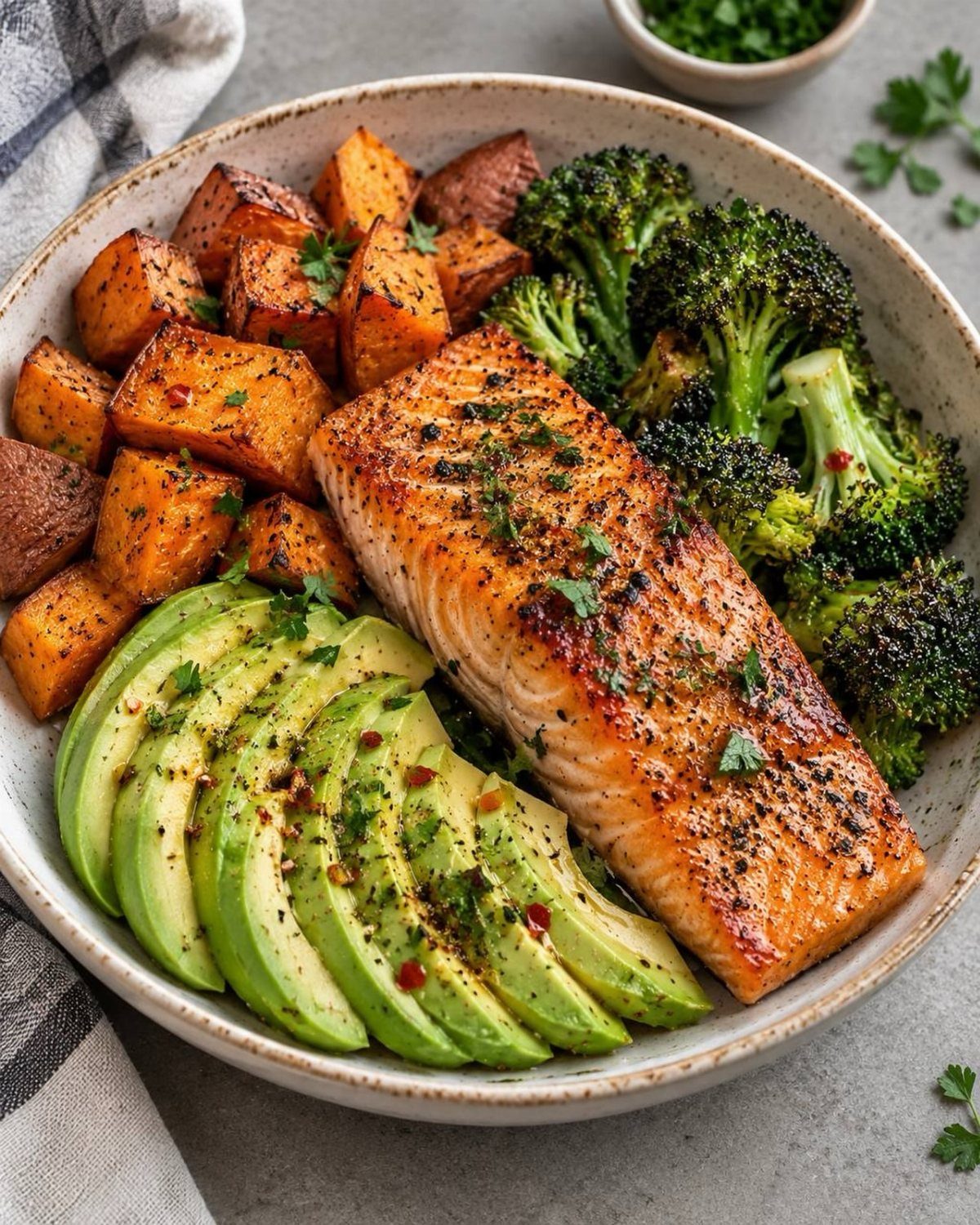
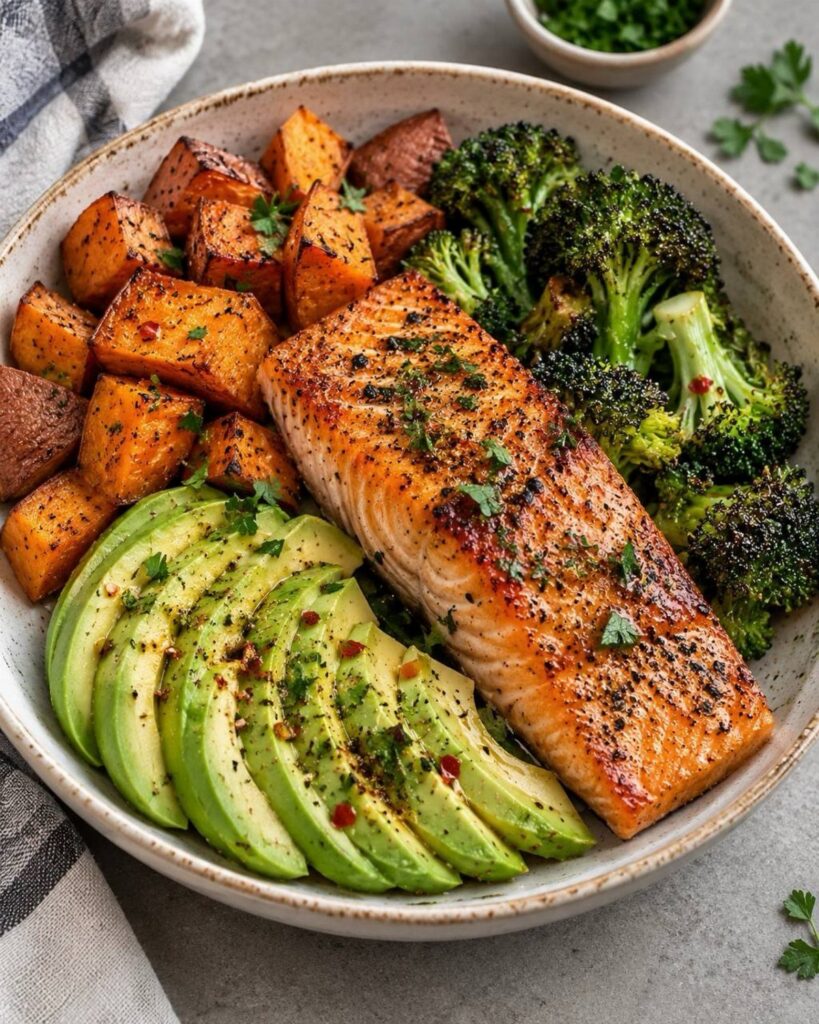
Salmon and other oily fish earn their place here because they deliver 2 things hair follicles depend on: protein to build the shaft itself, and omega-3 fatty acids, which support the scalp’s oil layer.
Sardines and mackerel work just as well as salmon and cost considerably less.
As hair is made of protein, ensuring you have adequate protein foods in your diet is crucial for making hair strong and healthy. If you are not consuming enough protein, your hair is likely to become dry, brittle and weak.
2. Leafy Greens
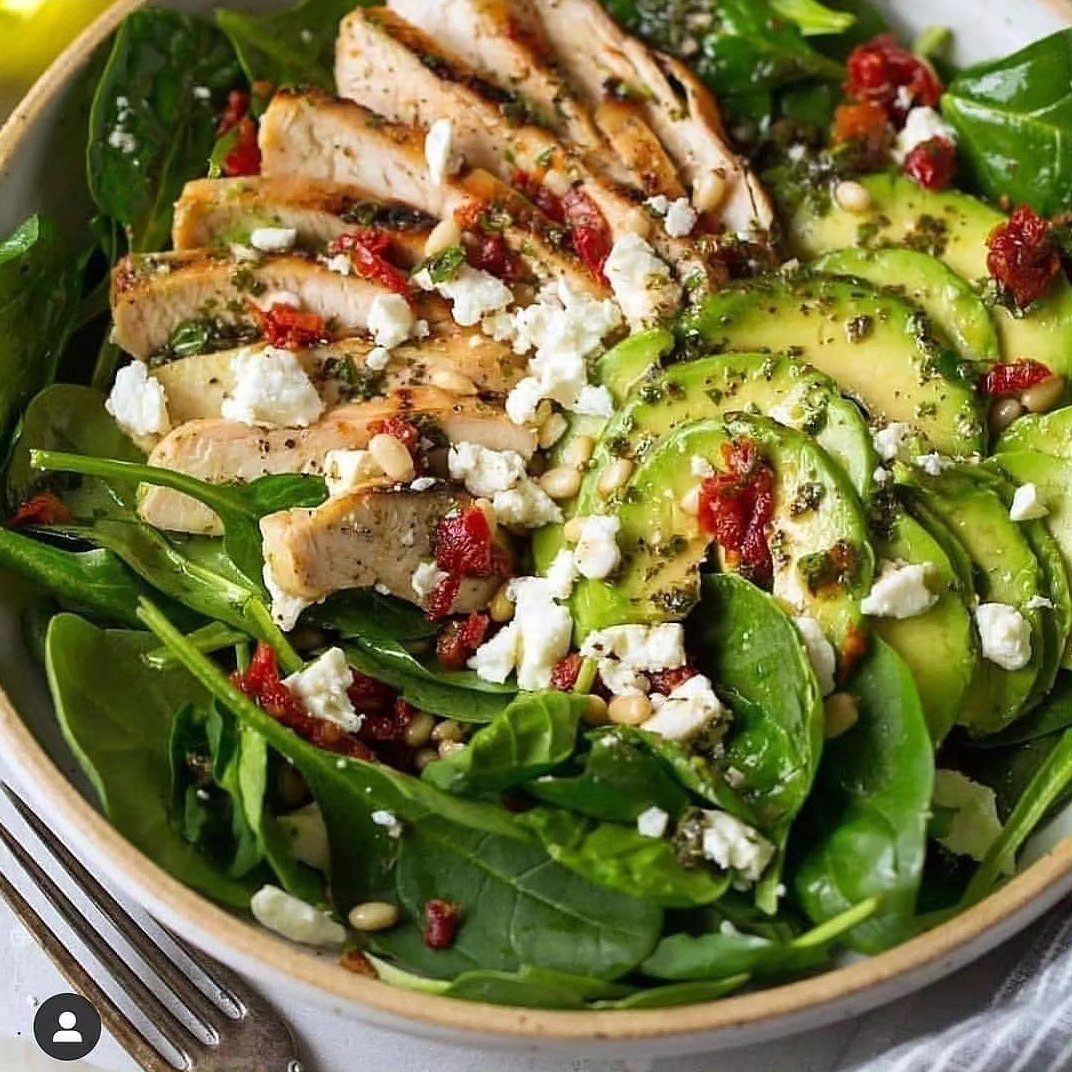
Spinach is probably the most practical leafy green for hair because it packs iron, folate, and vitamins A and C into a single ingredient.
Iron in particular matters: low iron is one of the more common diet-related reasons hair sheds faster than it should.
Raw spinach is fine in a salad, but lightly cooking it increases iron absorption slightly. Pair it with a vitamin C source, which the tomatoes here already provide.
3. Avocados
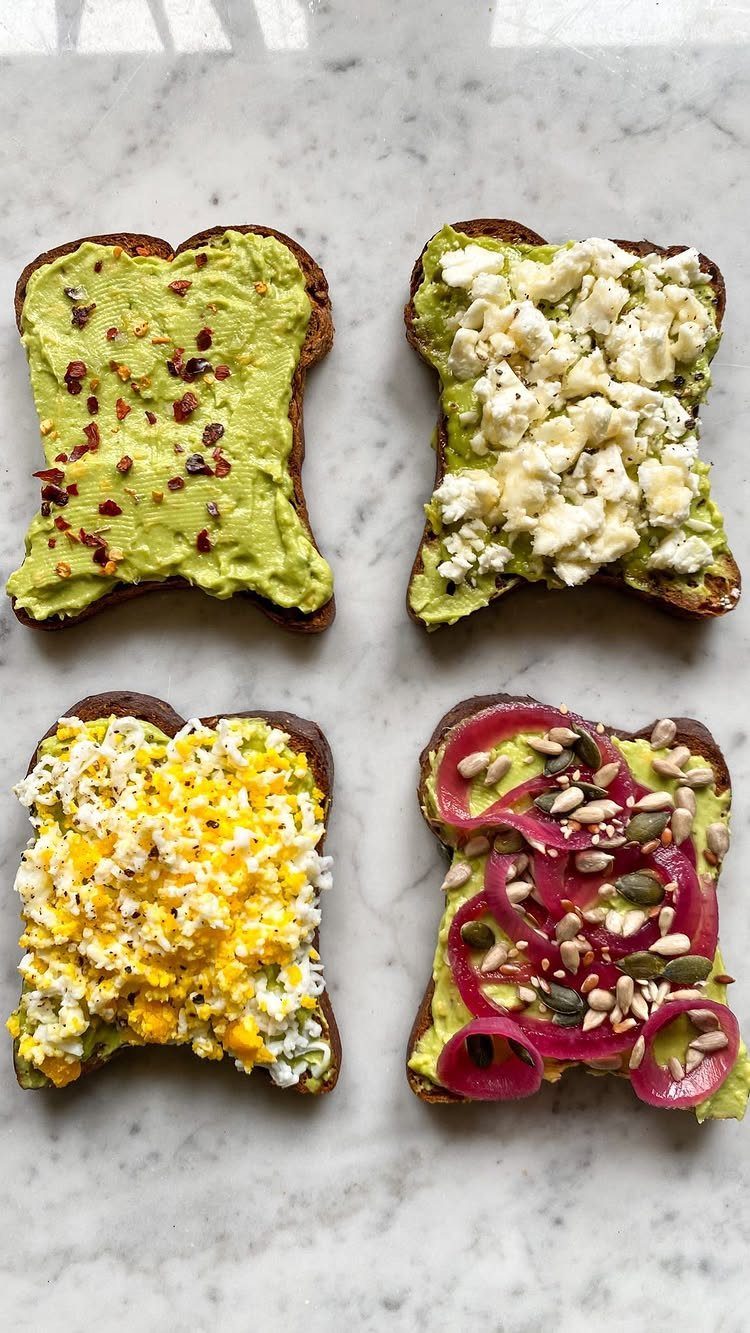
Vitamin E is avocado’s main claim for hair. It’s a fat-soluble antioxidant that protects the scalp’s skin barrier, and avocado delivers it alongside the healthy fats the body needs to absorb it.
Avocado toast is about as easy a daily habit as any of these foods get.
4. Lean Chicken
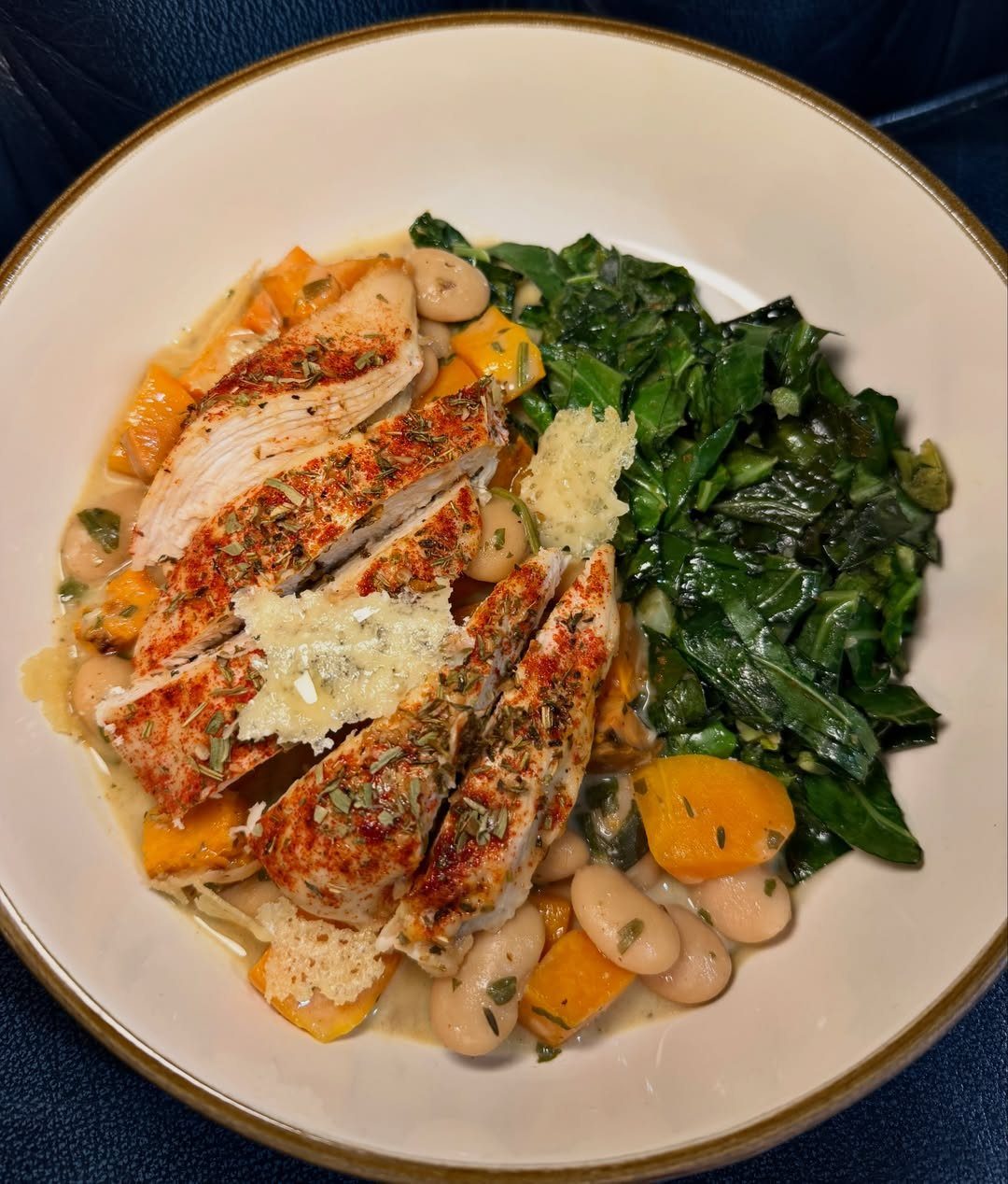
Protein is the structural material hair is made of, and chicken breast is one of the most efficient ways to get it without a lot of dietary fat. Low protein intake is a real, documented cause of increased shedding.
Pairing chicken with greens and legumes in the same bowl also adds iron, which reinforces what protein starts. Turkey breast is an equally good swap.
5. Sweet Peppers
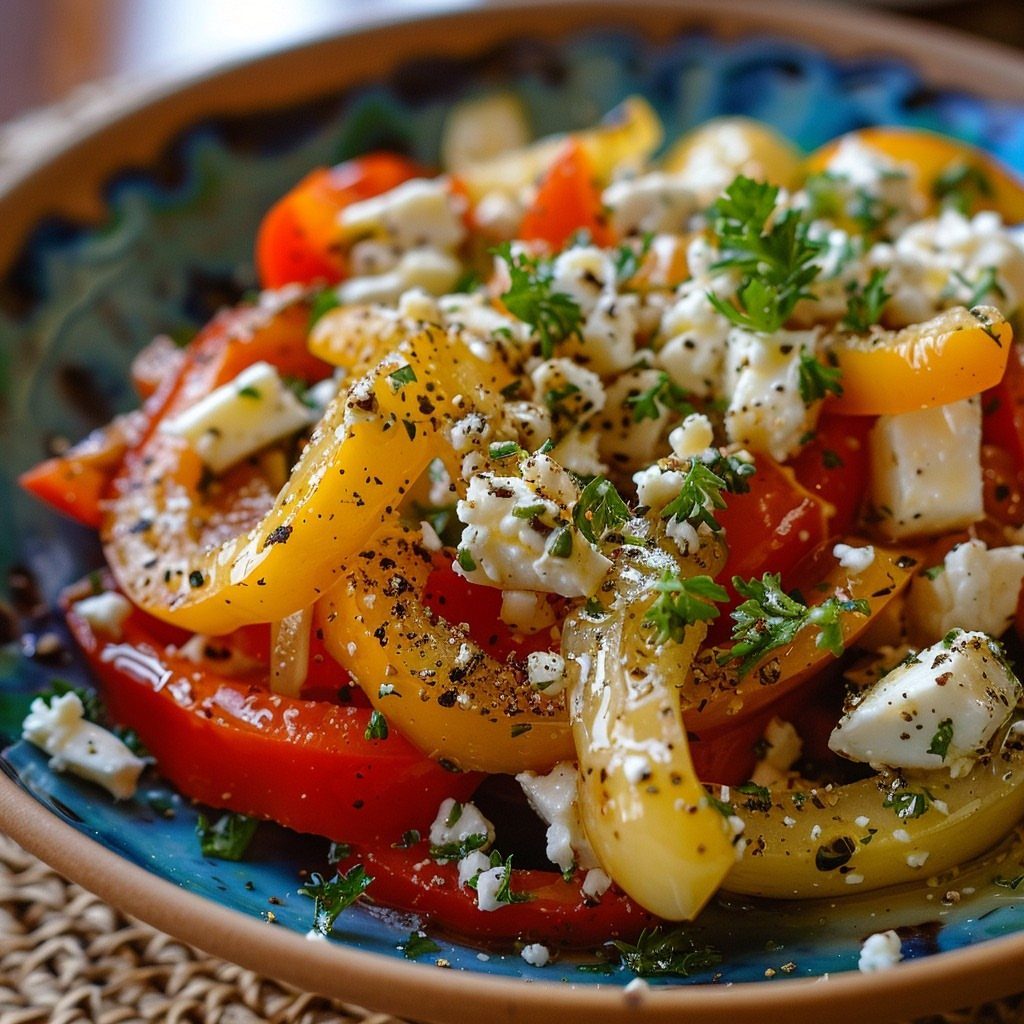
Red and yellow sweet peppers contain more vitamin C per gram than oranges.
That matters for hair because vitamin C drives collagen production, and collagen is part of the structure that anchors follicles in the scalp. Vitamin A, also present in sweet peppers, supports sebum production on the scalp.
Raw sliced peppers retain more vitamin C than cooked versions. Feta adds a little protein to round out the snack.
6. Greek Yogurt
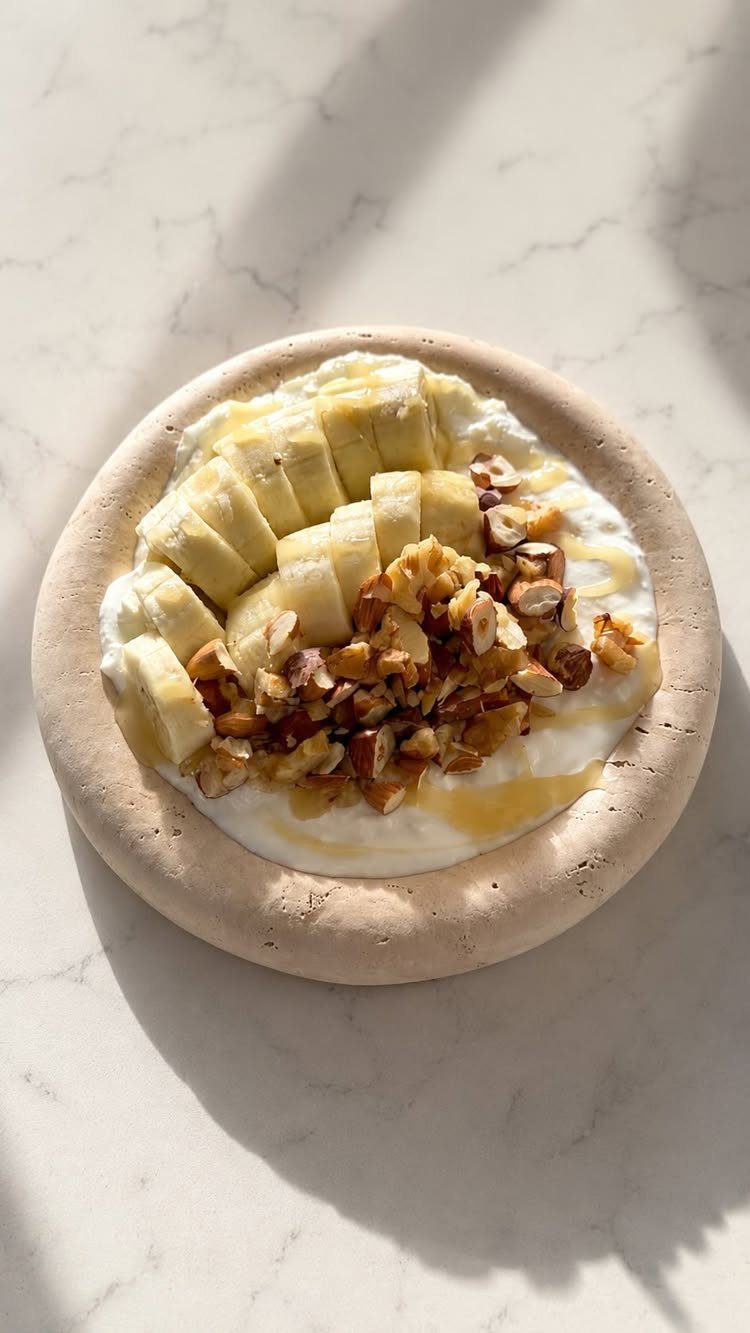
Greek yogurt is a high-protein dairy option that also supplies pantothenic acid, a B vitamin tied to follicle health, along with live cultures that support gut function.
Protein from dairy sources is complete, meaning it contains all the essential amino acids hair growth requires.
Plain Greek yogurt with fruit and nuts keeps added sugar low while still being something most people will actually eat every day.
7. Beans and Legumes
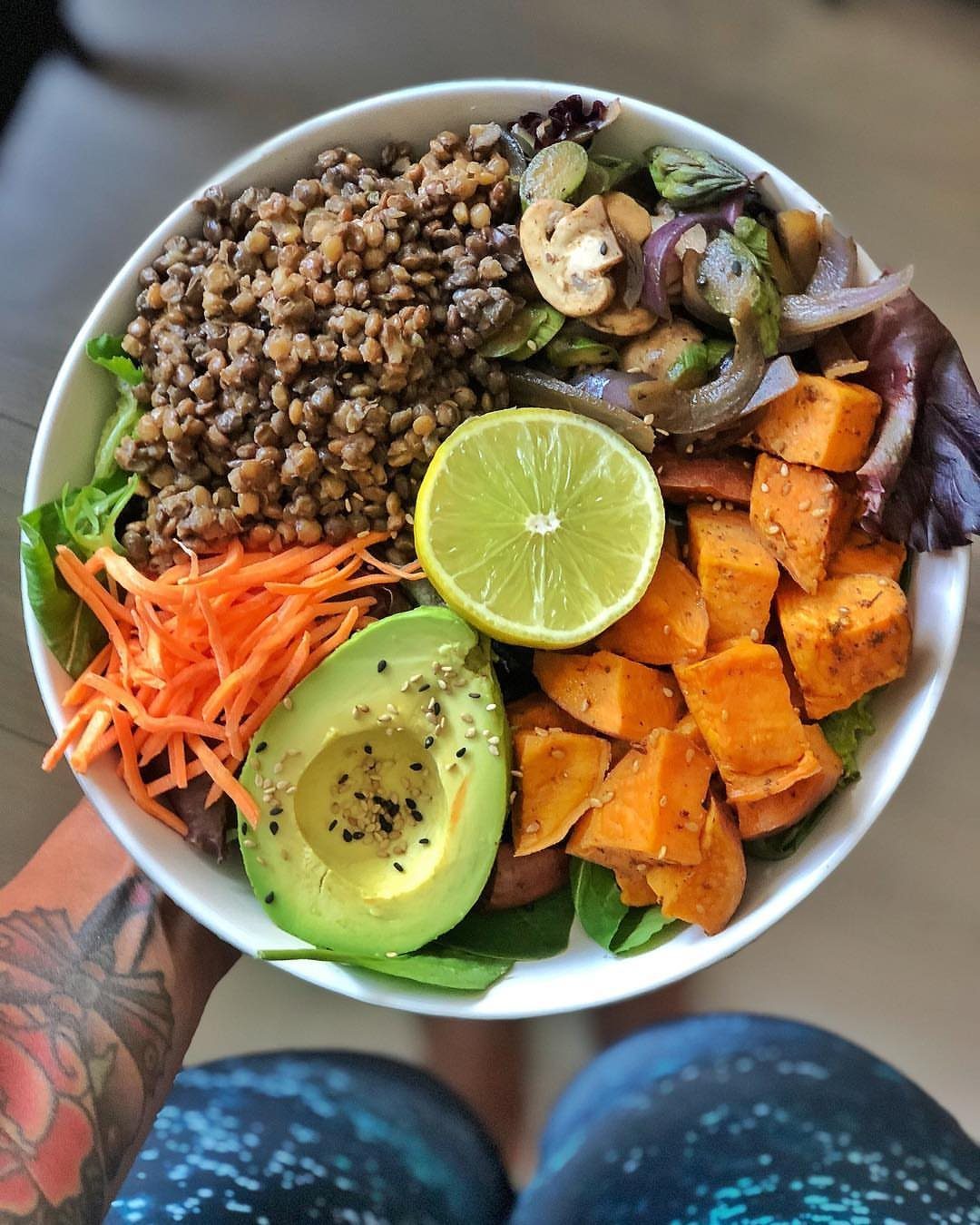
Lentils, chickpeas, and other legumes give plant-based eaters a way to cover protein, iron, and zinc in one ingredient category, which matters because all three show up in the short list of nutrients whose deficiency is actually linked to increased shedding.
The iron in plant sources is non-heme, which absorbs less efficiently than iron from meat. Pairing legumes with a vitamin C source, like the lime in that bowl, closes most of that gap.
Zinc is harder to get from food than iron, and legumes are one of the few plant foods that deliver a meaningful amount.
Evidence and Diet Limitations
Most of the research behind these food recommendations was done on people who already had a diagnosed deficiency or a specific hair loss condition.
That leaves a real gap: it’s genuinely unclear whether eating more of these foods makes a measurable difference if your levels are already normal.
That distinction is worth holding onto.
Diet matters most when hair loss is actually driven by poor nutrition. When it isn’t, food changes alone are unlikely to reverse shedding, no matter how clean the eating gets.
Supplements and Excess Nutrients
Food first is the right default, and most people can cover these nutrients without supplementing at all.
If you’re considering adding iron on top of a reasonable diet, talk to a doctor before doing it; too much iron carries real risks, and the same goes for vitamin A and selenium, where excess intake can actually contribute to hair loss rather than prevent it.
High biotin intake is a separate concern: it can skew certain lab results, which matters if you’re having bloodwork done.
Other Causes and Medical Advice
Nutrition is one variable among several. Genetics, age, hormonal shifts including thyroid dysfunction, certain medications, and significant stress can all drive shedding that no amount of dietary adjustment will fix.
A blood test is the only way to confirm what your thyroid is actually doing; symptoms alone won’t tell you.
If the shedding is considerable or has been going on for a while, the right move is a conversation with your doctor before trying any treatment. Getting the actual cause identified first saves a lot of time.
Frequently Asked Questions
What is the healthiest food for your hair?
No single food tops the list, but fatty fish, leafy greens, and legumes together cover the nutrients most directly tied to follicle health: protein, iron, omega-3s, and zinc.
The pattern that shows up consistently in the research looks a lot like a Mediterranean-style diet, heavy on plant foods, whole grains, lean proteins, and healthy fats.
What matters most is covering the full range rather than eating a lot of any one thing.
Can foods affect hair growth?
Diet has a real effect on hair, particularly when shedding is driven by a nutritional gap. Low iron and low protein are 2 of the more documented dietary causes of increased shedding, and both are addressable through food.
Can vitamins help with hair growth?
Vitamins and minerals are part of the normal hair-growth cycle, so deficiencies in iron, vitamin C, zinc, or B vitamins can show up as increased shedding or slower growth.
Supplements are worth considering only when intake from food falls short; for most people eating a varied diet, they are not necessary.
Excess intake of certain nutrients, including iron, vitamin A, and selenium, can actually make shedding worse, so supplementing without confirmed deficiency is not a straightforward win.
What stimulates female hair growth?
A diet that covers protein, iron, and key vitamins is the foundation, since deficiencies in any of those slow the growth cycle. Beyond food, limiting heat and chemical treatments reduces breakage that masks growth.
For persistent shedding, options like minoxidil and rosemary oil have the most evidence behind them; one study of 100 participants found rosemary oil produced similar results to minoxidil after 6 months, with the likely mechanism being increased blood flow to the follicles.
What are the common causes of hair loss?
Genetics, age, and hormonal shifts are the most common drivers, including changes after pregnancy and during perimenopause. Thyroid dysfunction, certain medications, significant stress, and nutritional deficiencies, particularly low iron or protein, can all trigger increased shedding as well.
Crash diets and repeated cycles of weight loss and regain are also linked to hair becoming more brittle and prone to breakage.
How long does it take to see results from eating better for hair health?
About 3 months is a reasonable minimum before expecting visible change, since hair grows roughly half an inch per month and the growth cycle means new growth takes time to appear.
Changes to the diet affect follicle activity relatively quickly, but the hair those follicles produce has to grow long enough to see. Patience matters more than perfection here.