Keratin forms from the amino acids in protein, and biotin, iron and vitamin A direct how follicles build each strand.
If growth has slowed, iron from spinach, omega-3s from fatty fish, selenium from shrimp or vitamin C from citrus and berries all support the follicle cycle at different points.
1. Fatty Fish
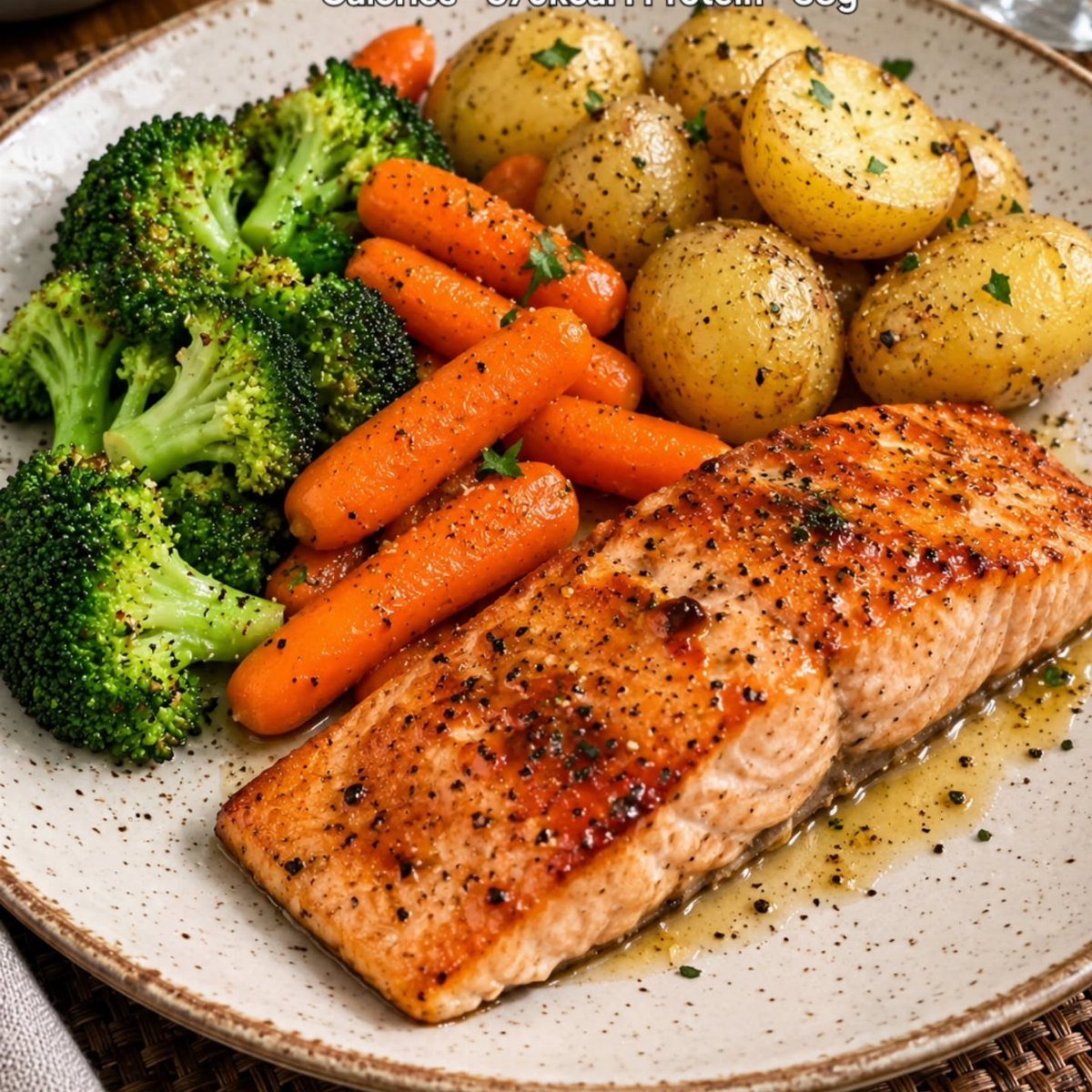
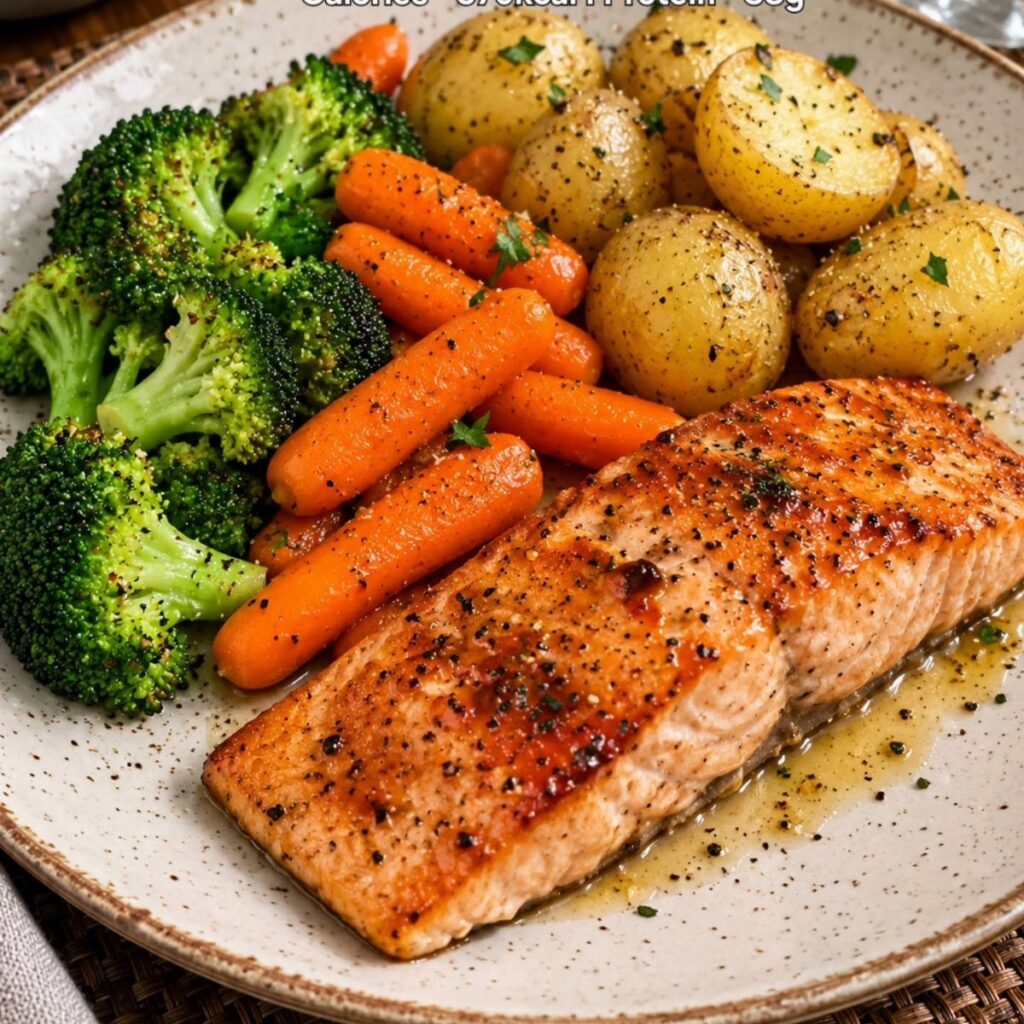
Salmon, mackerel and sardines give you omega-3s, which keep your scalp in good shape and feed the follicle. They also supply protein, which hair needs to grow.
I tend to sear or bake salmon fillets and serve them with roasted vegetables or a side of greens. Canned sardines work too, and they’re easier to keep on hand.
2. Berries
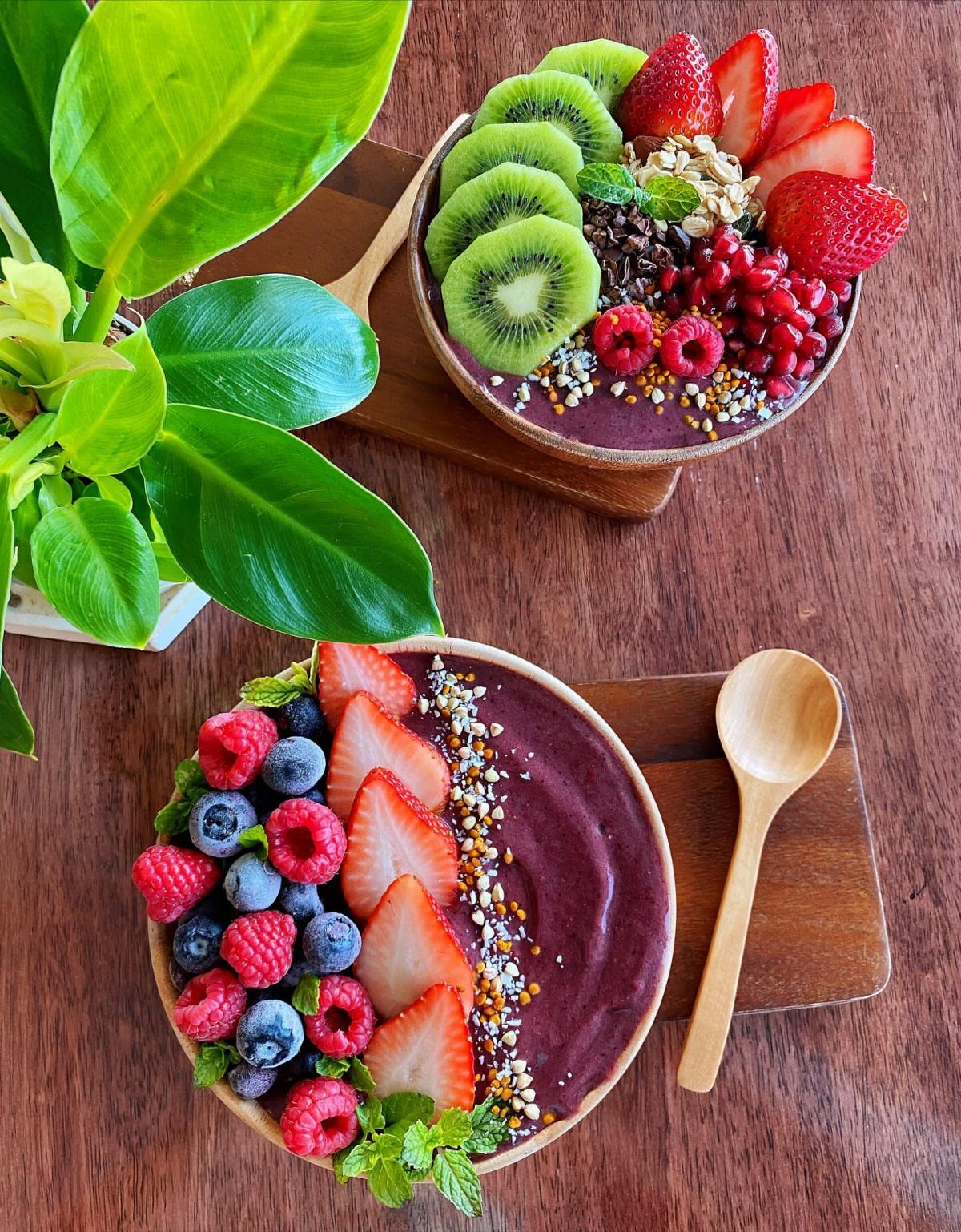
Strawberries, blueberries and raspberries are loaded with antioxidants that shield follicles from damage. They also deliver vitamin C, which your body needs to build collagen and pull iron from plant sources.
Fresh berries work in smoothie bowls, on top of yogurt, or mixed into overnight oats.
Frozen berries cost less and blend easily. I like layering them with granola and a base of blended banana or acai for texture.
3. Chia Seeds
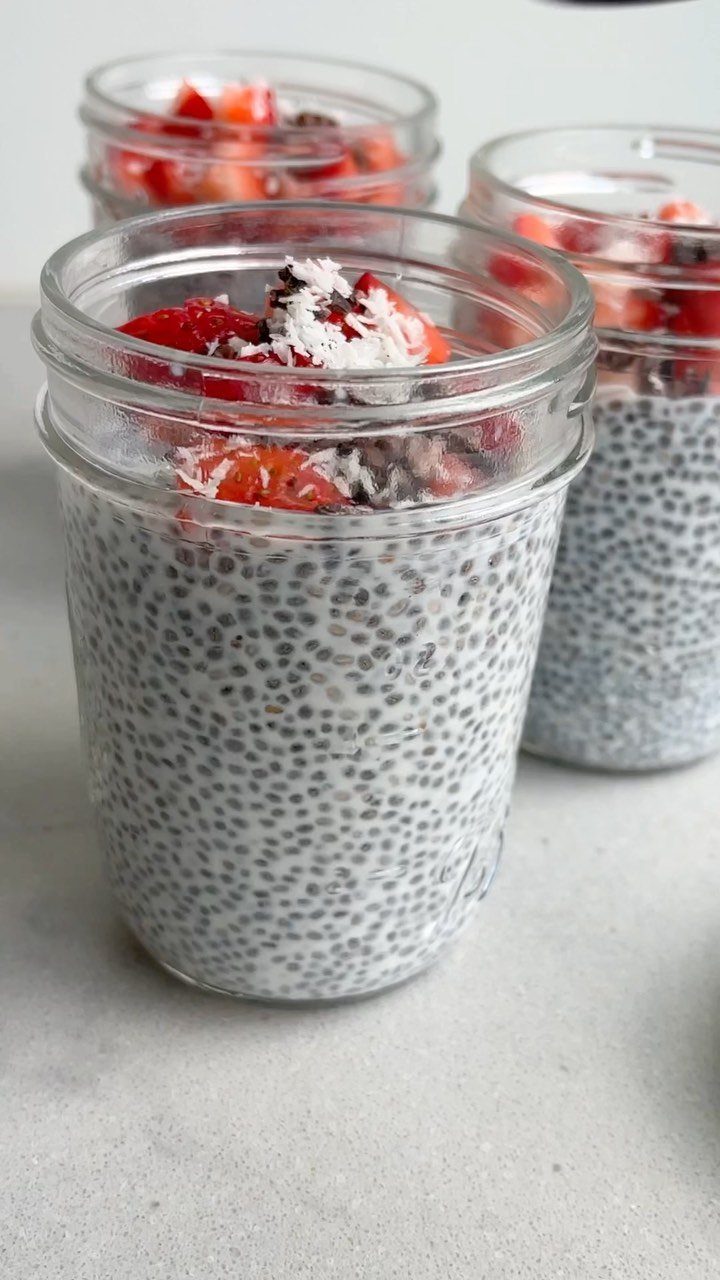
Chia seeds deliver omega-3 fatty acids, zinc, selenium, and vitamin E in a small package. They’re easy to add to breakfasts or snacks without changing much about what you already eat.
Soak them in milk or a dairy-free alternative overnight to make pudding.
The seeds absorb liquid and turn thick and gel-like. You can also sprinkle them over salads or stir them into smoothies.
4. Avocado and Cottage Cheese Toast
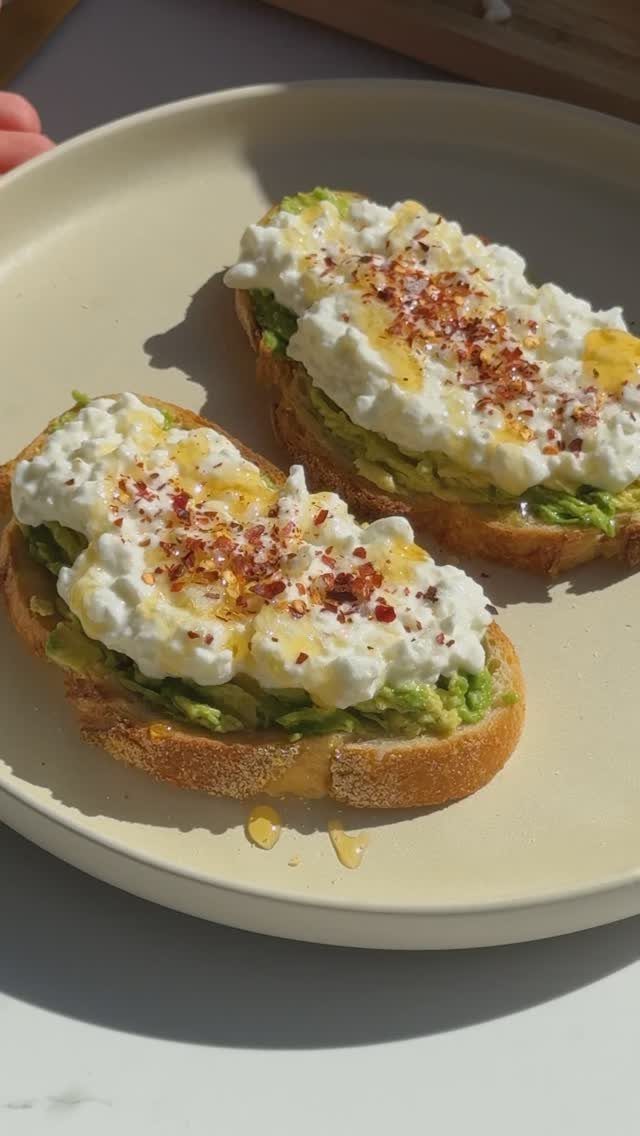
Mashed avocado and cottage cheese layered on toast gives you healthy fats, protein, and biotin in one meal. The red pepper flakes add heat, and a light drizzle of honey balances the richness.
I use whole grain or sourdough for the extra fiber. Mash the avocado with a fork, spread it on the toast, then spoon the cottage cheese over the top.
Season with the pepper flakes and honey just before serving. It holds up for breakfast or lunch.
5. Spinach and Grapefruit Salad
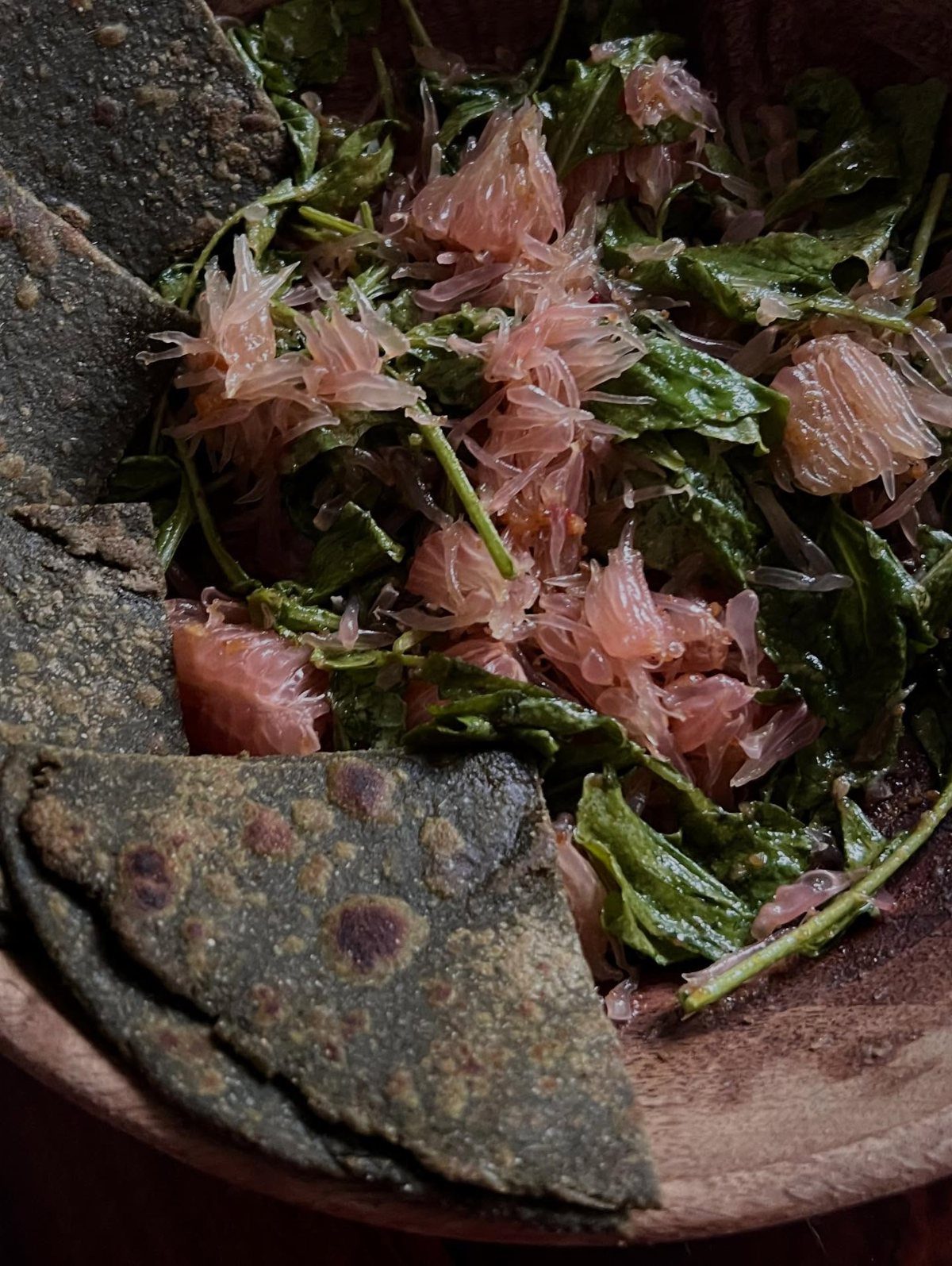
Pairing it with pink grapefruit segments adds vitamin C, which helps your body use the iron in the greens.
Toss the spinach and grapefruit together in a bowl.
You can add a simple vinaigrette or leave it plain. The seed crackers on the side add crunch and extra nutrients.
6. Fresh Tangerines
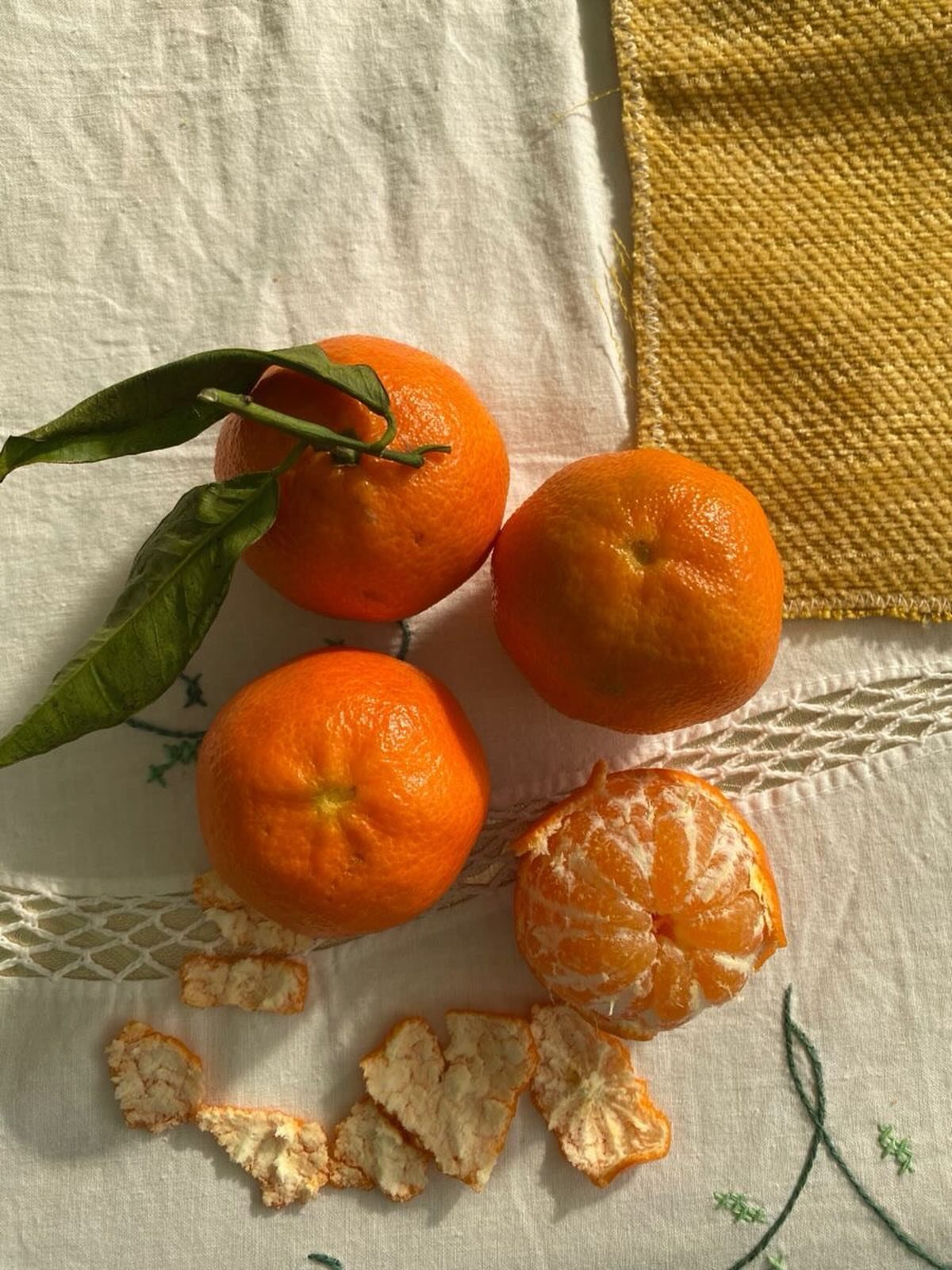
Tangerines supply vitamin C, which helps produce collagen and supports the structure of hair. They’re easy to peel and eat on their own, which makes them a low-effort snack.
I keep a few in the fridge and grab one when I need something quick.
The peel comes off in large pieces, and the segments separate cleanly. If you’re not a fan of citrus on its own, tangerine segments work well in salads or mixed into yogurt.
7. Lobster Tail and Scallops
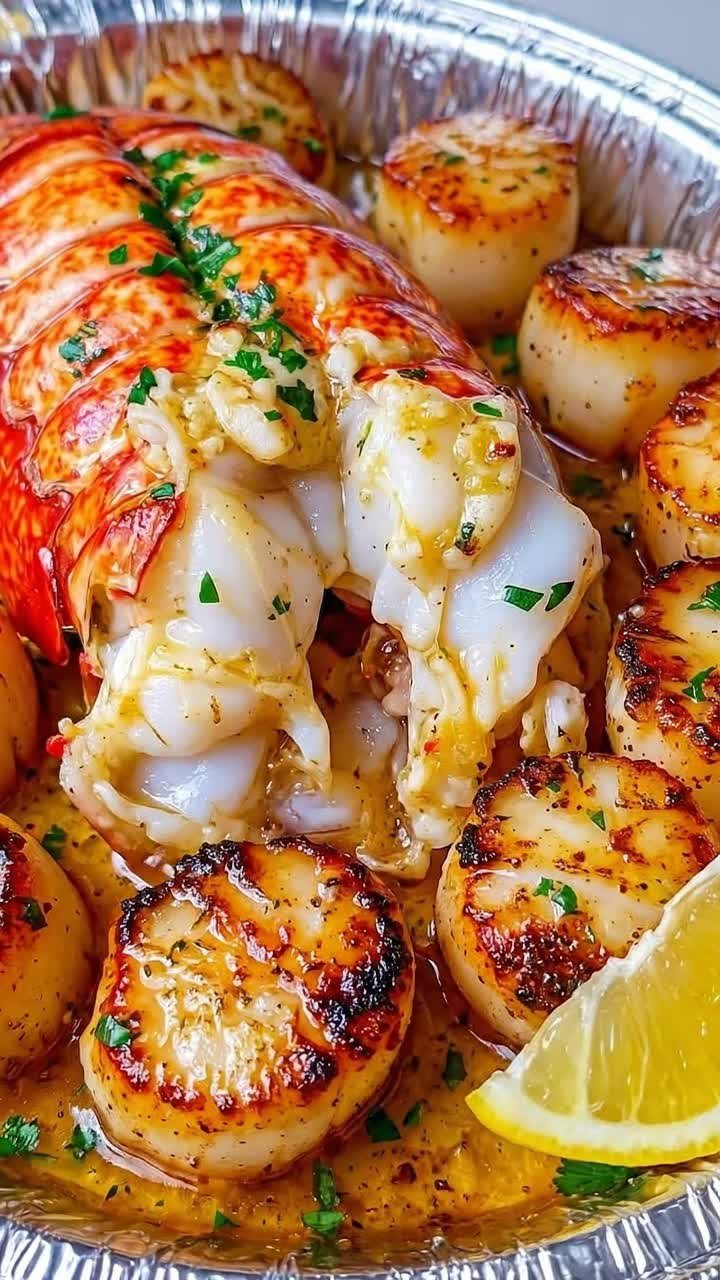
Lobster and scallops both supply zinc and protein, which support hair structure and follicle health. The garlic butter adds flavor, and lemon juice brightens the richness.
Sear scallops in a hot pan with a little oil until they develop a golden crust on each side.
Lobster tails can be broiled or baked. Brush both with melted butter mixed with minced garlic and chopped parsley before serving.
8. Shrimp and Poached Egg Salad
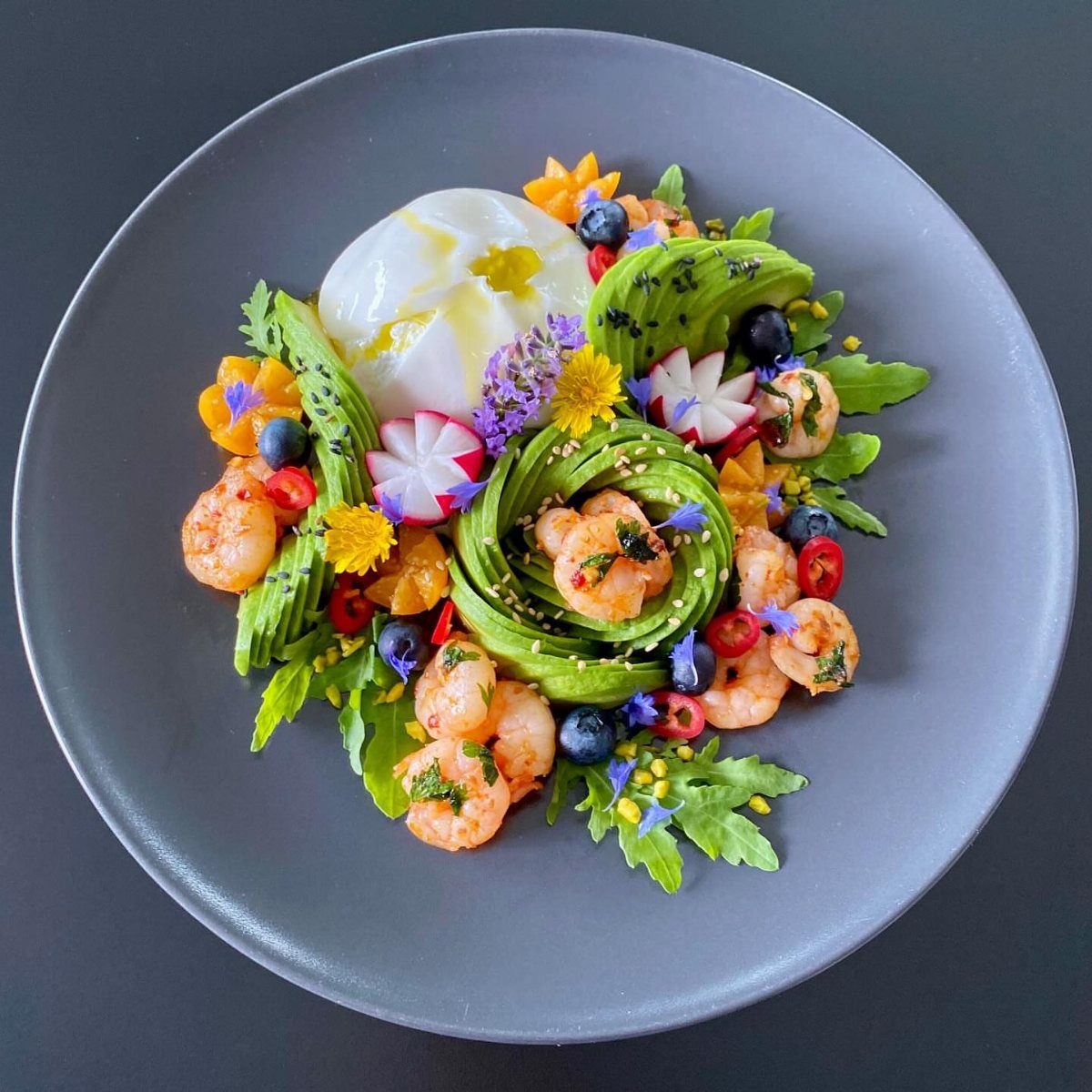
Shrimp gives you protein and zinc, the poached egg adds biotin, and avocado supplies healthy fats. Blueberries bring antioxidants, and the mix keeps the meal interesting without much work.
Poach the egg in simmering water with a splash of vinegar.
Sauté or grill the shrimp until they turn opaque. Arrange everything on a bed of greens, season with salt and pepper, and add a light vinaigrette if you want it.
9. Tomato Avocado Mozzarella Salad
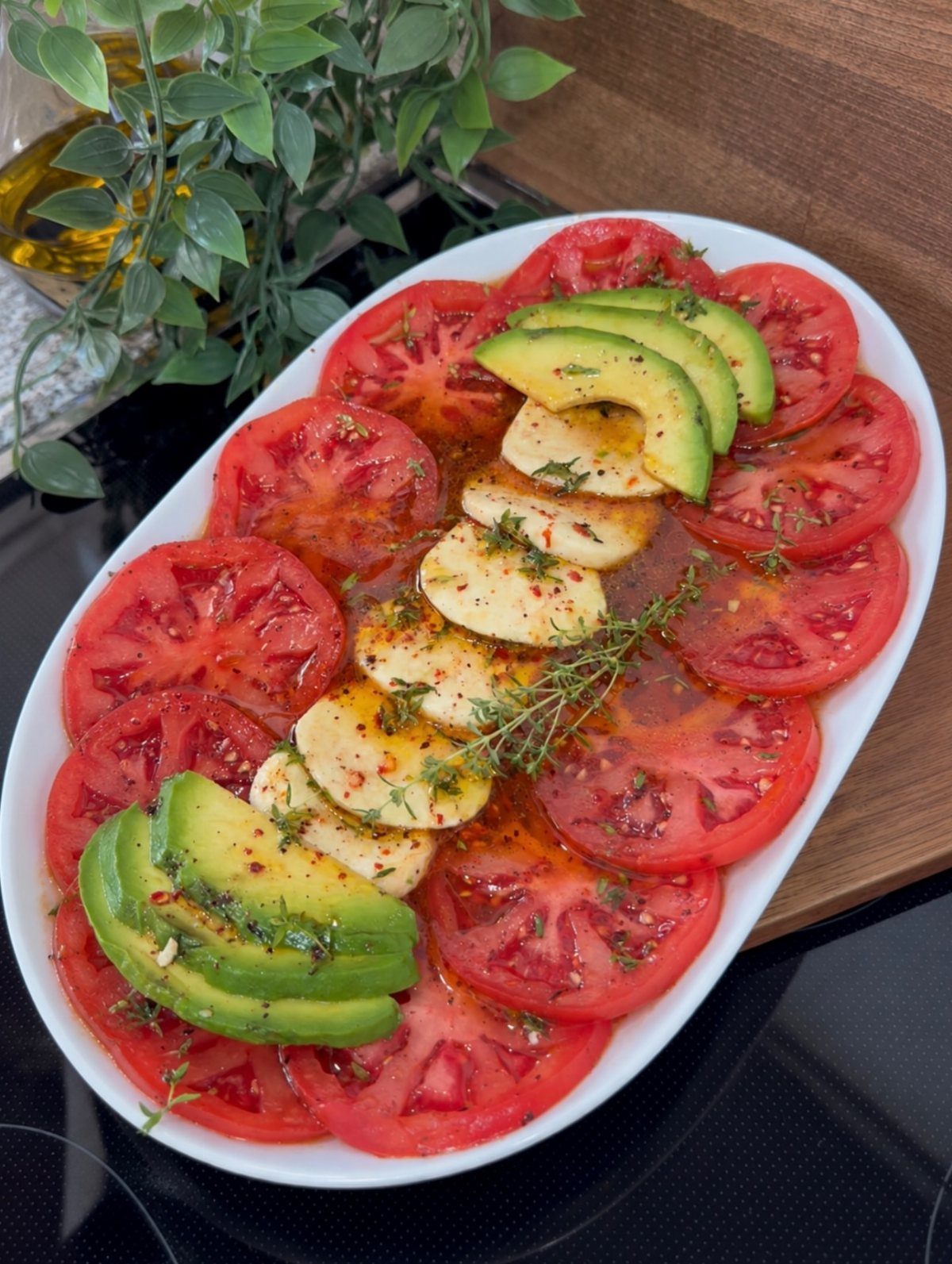
Tomatoes, avocado and mozzarella give you healthy fats, vitamin E, and lycopene. The combination is quick to put together and works as a side or a light meal.
Slice the tomatoes and avocado into even pieces.
Arrange them on a platter with mozzarella rounds, drizzle with olive oil, and finish with fresh basil or oregano. Add salt and black pepper just before serving.
10. Quinoa and Black Bean Bowl
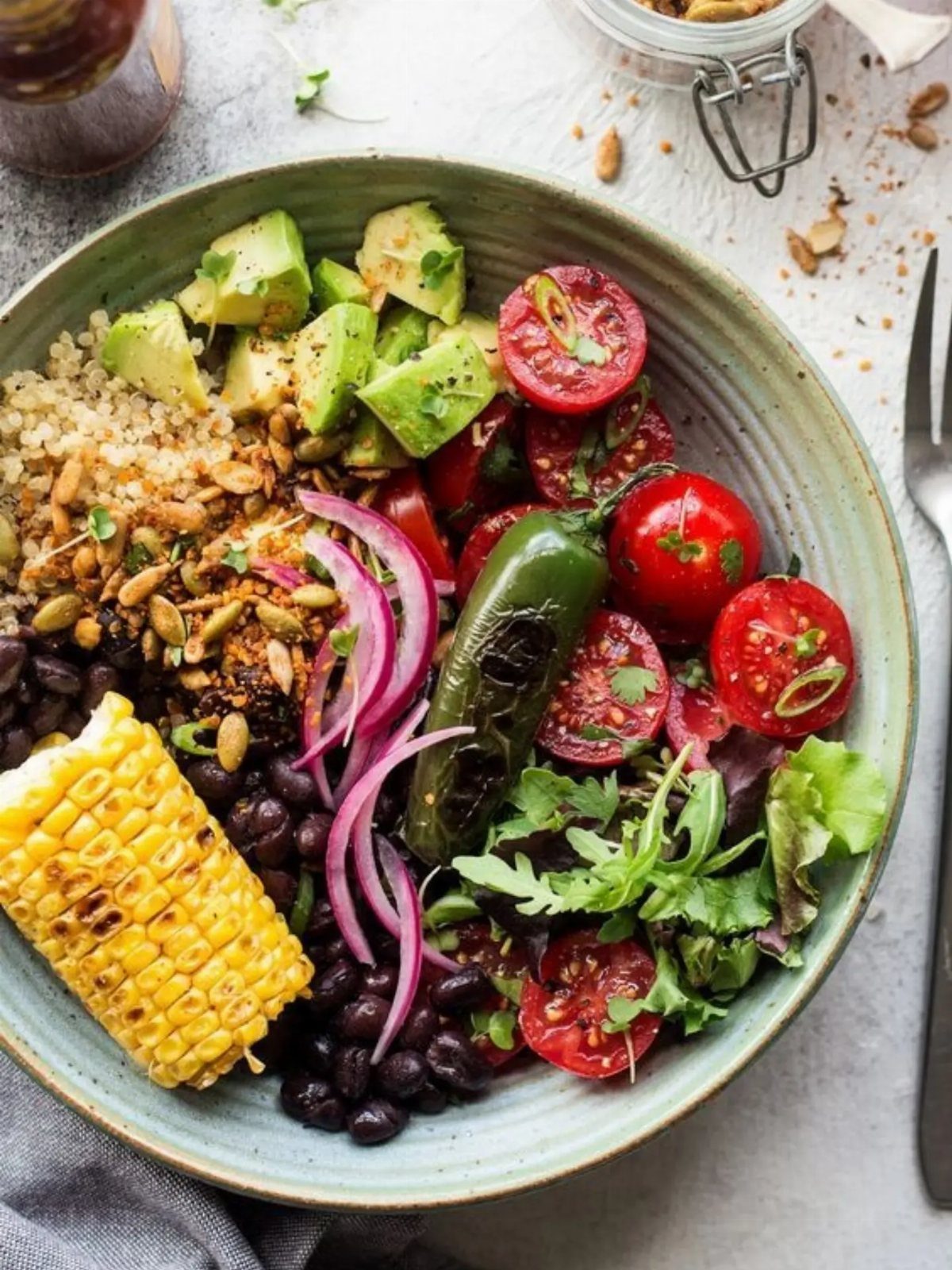
Quinoa gives you protein and iron, black beans add more of both, and avocado brings healthy fats. The mix of textures and colors makes it filling without feeling heavy.
Cook the quinoa according to package directions. Rinse and warm the black beans.
Pile everything into a bowl and dress with lime juice and olive oil. You can add cumin or chili powder if you want more flavor.
11. Sautéed Spinach and Mushrooms
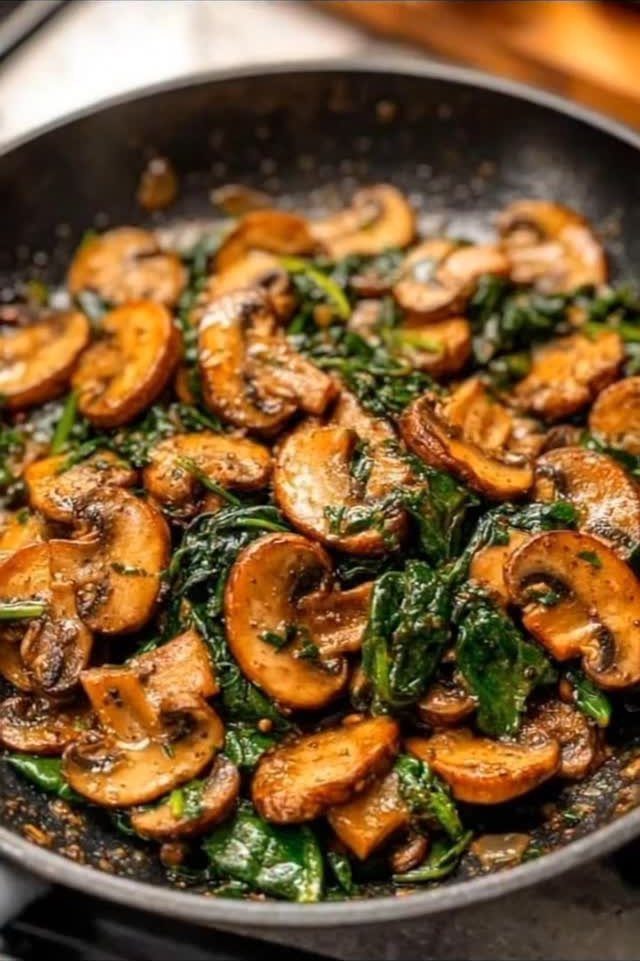
Mushrooms supply selenium and B vitamins, spinach gives you iron and folate. Cooking them together takes a few minutes and works as a side dish or stirred into eggs.
Heat oil or butter in a pan over medium heat. Add sliced mushrooms and cook until they release their moisture and start to brown.
Toss in the spinach and cook until it wilts. Season with salt, pepper, and garlic if you like.
12. Fruit and Yogurt Bowl
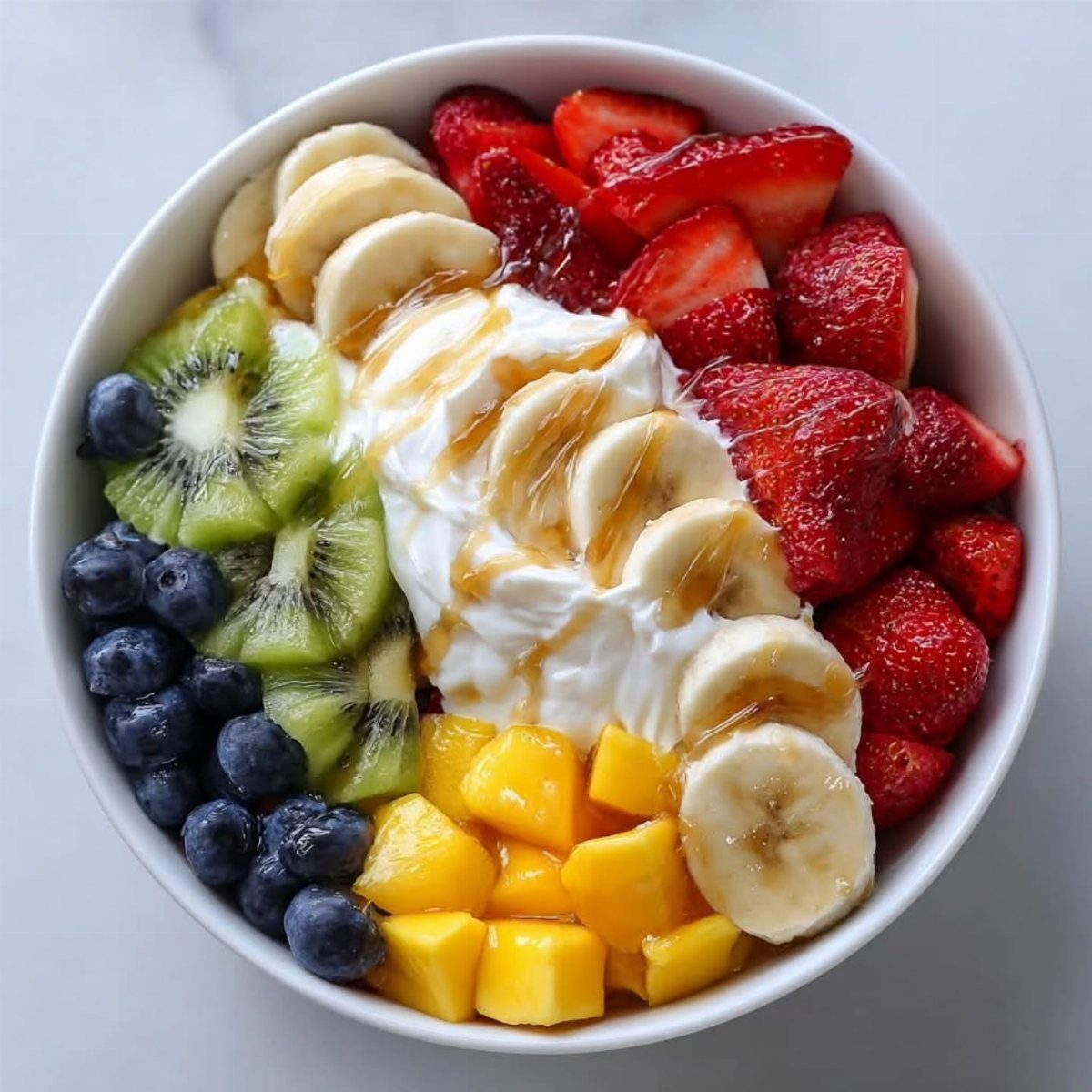
Mixed fruit gives you vitamin C and antioxidants, yogurt adds protein, and honey brings a touch of sweetness. The bowl is easy to change based on what you have.
Slice the fruit into bite-sized pieces and arrange them in a bowl. Spoon yogurt in the center or on the side.
Drizzle honey over the top. Greek yogurt works well if you want more protein.
Balanced Diet and Deficiencies
A balanced diet matters because hair is built from what you eat.
Keratin, the protein that forms hair structure, relies on biotin, vitamin A, and protein to assemble correctly. When those nutrients run short, growth slows and strands weaken.
Without enough iron, your follicles get less oxygen and hair turns thin and brittle. Low vitamin D links to alopecia.
A lack of omega-3 fatty acids dries out the scalp and makes hair snap more easily. Zinc shortages weaken structure and slow the whole cycle down.
Not every type of hair loss responds to diet.
If shedding increases suddenly, a clinician can check for underlying issues and measure specific deficiencies. Addressing those gaps through food or supplements gives your scalp what it needs to support healthy growth.
Lifestyle and Hair Care
Staying hydrated keeps your scalp from drying out, which reduces breakage. Drinking enough water supports moisture at the root level, where it counts.
Less sugar and fewer processed foods mean less inflammation, which helps hair stay healthy. Chronic stress disrupts the growth cycle, so managing it through sleep schedules or other methods helps hair stay on track.
Avoid excessive heat styling and harsh chemical treatments.
Both damage the outer layer of the strand and lead to breakage over time. Tight hairstyles pull at the root and can weaken follicles, so looser styles reduce that stress.
Adequate sleep supports regeneration across the body, including the scalp. Oral supplements can fill gaps in iron, vitamin D, or zinc when diet alone falls short.
Alcohol and Processed Foods
Ultra-processed foods can trigger inflammation, which harms skin and scalp health.
Sweet, fatty, or salty packaged snacks are fine occasionally, but regular intake raises the risk of issues like atopic dermatitis. Frying and high-fat diets have been linked to skin aging in some studies.
Heavy alcohol consumption over time shows up in facial aging and can affect hair health as well. Refined carbohydrates, high-mercury fish, and greasy foods also appear on lists of things to moderate.
No diet is perfect, and the occasional slice of pizza or birthday cake is not going to wreck your progress.
Long-term patterns matter more than single meals. Moderating processed foods and alcohol gives your body cleaner fuel for growth.
Frequently Asked Questions
What makes up 90% of hair?
Keratin, a structural protein, makes up most of each strand.
What to drink for thicker hair?
Drinking enough water stops the scalp flaking and keeps strands flexible enough to resist snapping. Water supports moisture where follicles need it, which helps hair stay strong and healthy.
What is good for women’s hair growth?
Protein-rich foods, fatty fish, leafy greens, nuts, seeds, and berries all supply nutrients that support follicle health and hair structure. Salmon and mackerel deliver omega-3s and protein, spinach provides iron and vitamins, and berries bring antioxidants and vitamin C.
What is the effect of nutritional deficiency on hair?
When iron drops too low, follicles starve for oxygen and strands come out thin.
Low vitamin D shows up in alopecia cases, too little omega-3 leaves the scalp dry and hair prone to breaking, and zinc shortages mess with both structure and the speed of the growth cycle.
Can diet alone stop hair fall?
Diet does not fix every cause of hair loss. When shedding spikes, a doctor can test for the gaps that matter and treat what sits underneath, giving follicles the support they need.