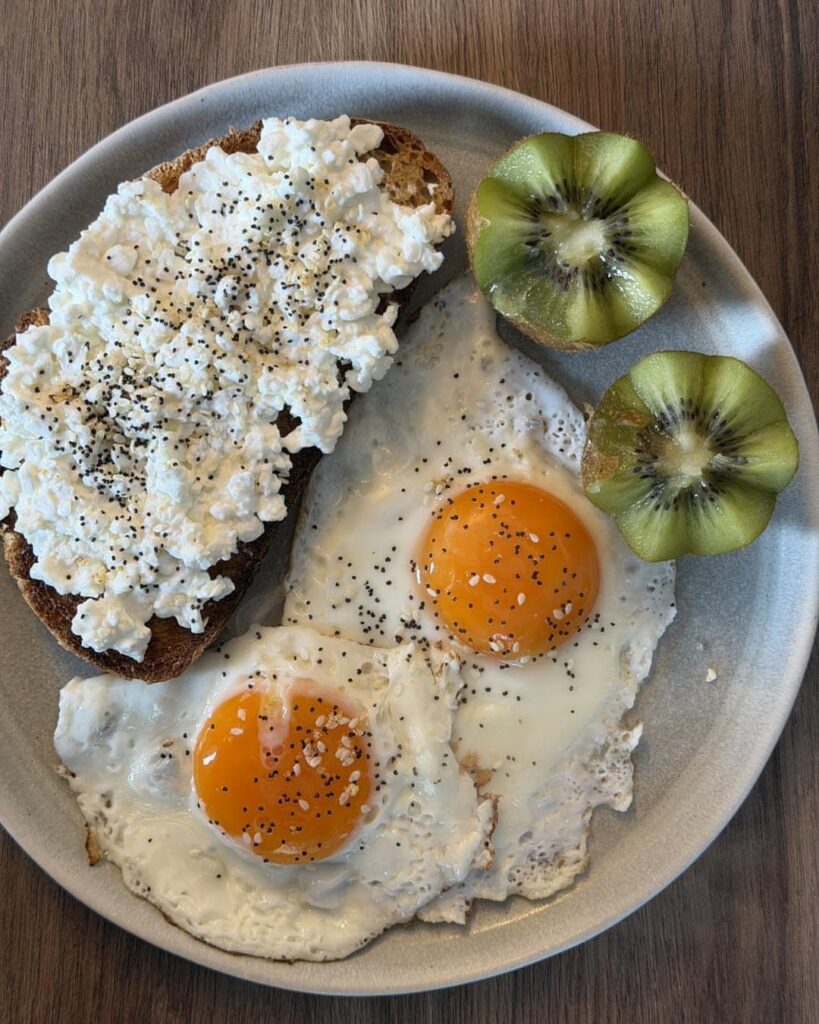
Keratin makes up the hair shaft, and your body synthesizes it from the protein you eat, so a steady supply beats trendy superfoods.
When the follicle runs short on protein, biotin, iron, zinc or B vitamins during its 2- to 7-year growth phase, that phase ends early and the strand stops lengthening.
1. Eggs
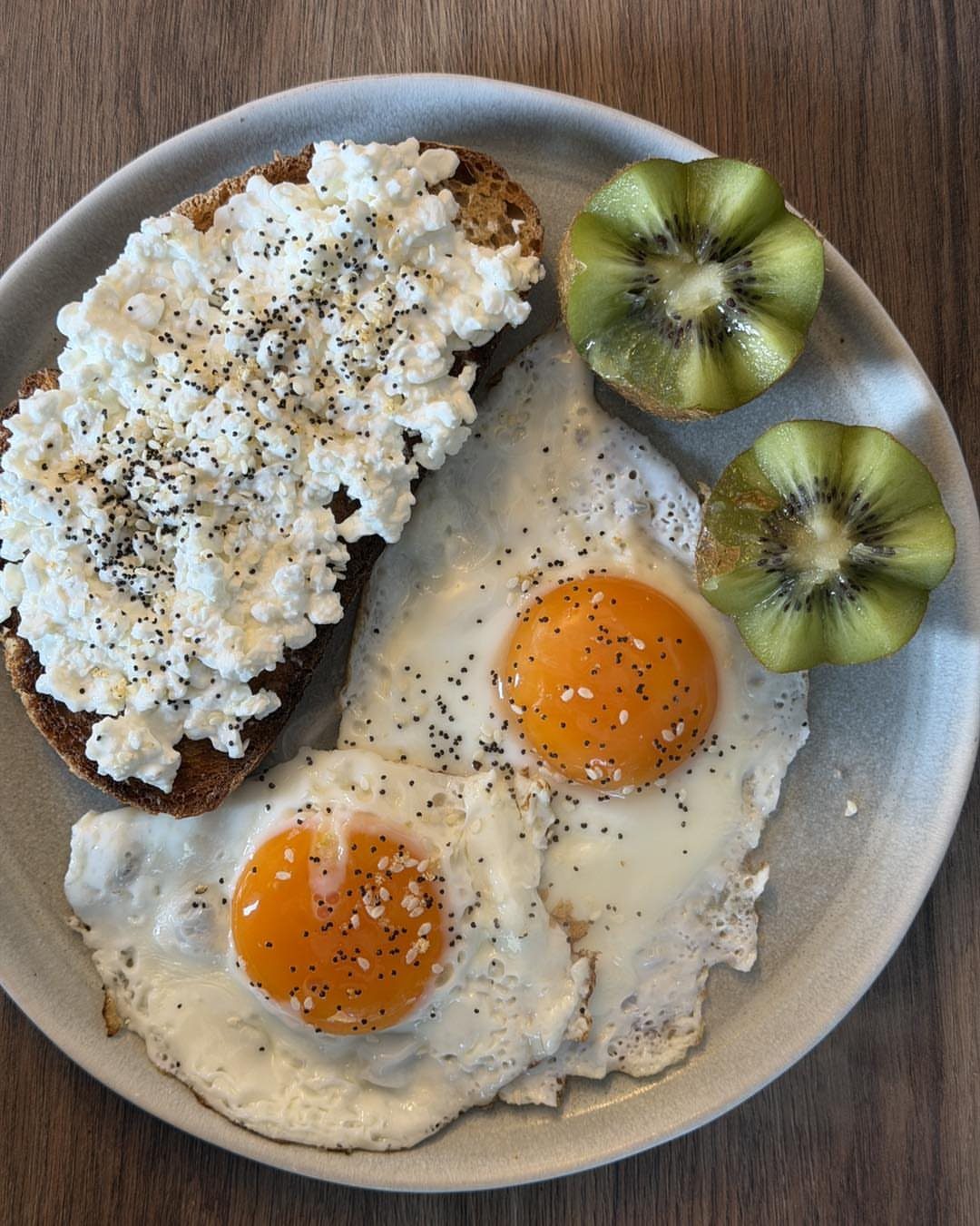
Eggs deliver complete protein along with biotin, both tied to keratin production and the structure of each hair strand. The protein helps rebuild what’s shed, while biotin supports the cells that form hair itself.
I go through a lot of eggs when I’m focused on hair growth. They’re quick to cook, pair with almost anything, and one or two at breakfast keeps the protein consistent without planning much.
2. Fatty Fish
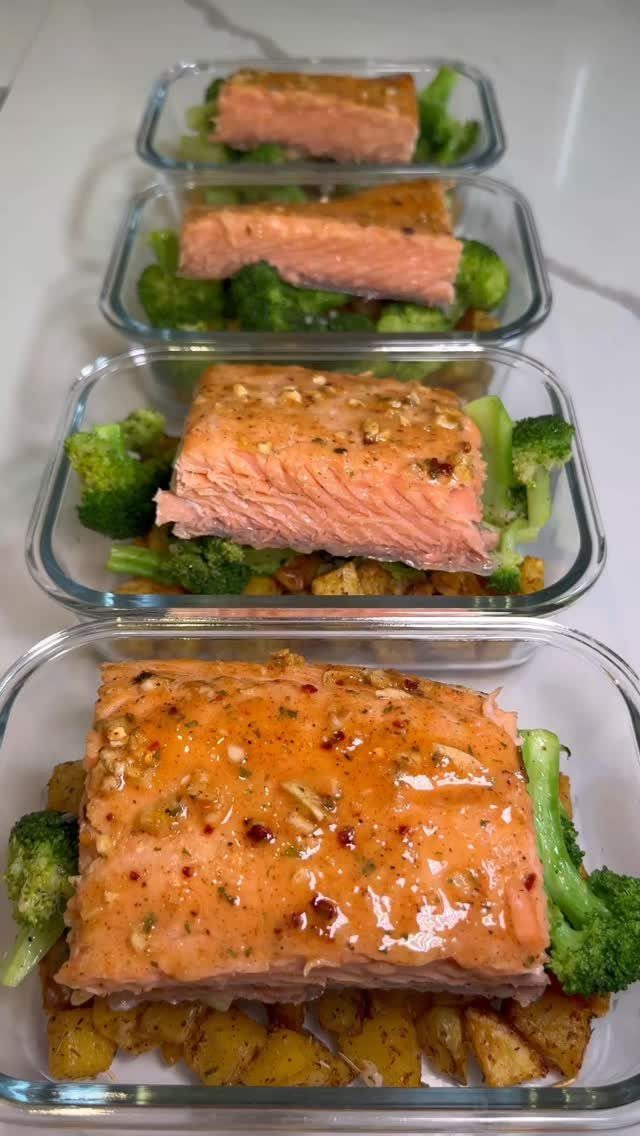
Salmon and similar oily fish bring omega-3 fats that support scalp circulation and protein that builds hair structure. The combination addresses both the follicle environment and the strand itself.
Meal prep makes this easier to stick with. I find having it ready means I actually eat it instead of reaching for something faster but less useful.
A 2015 study found that taking omega-3 and omega-6 supplements for 6 months helped protect against hair loss in people with female pattern baldness.
3. Beans and Legumes
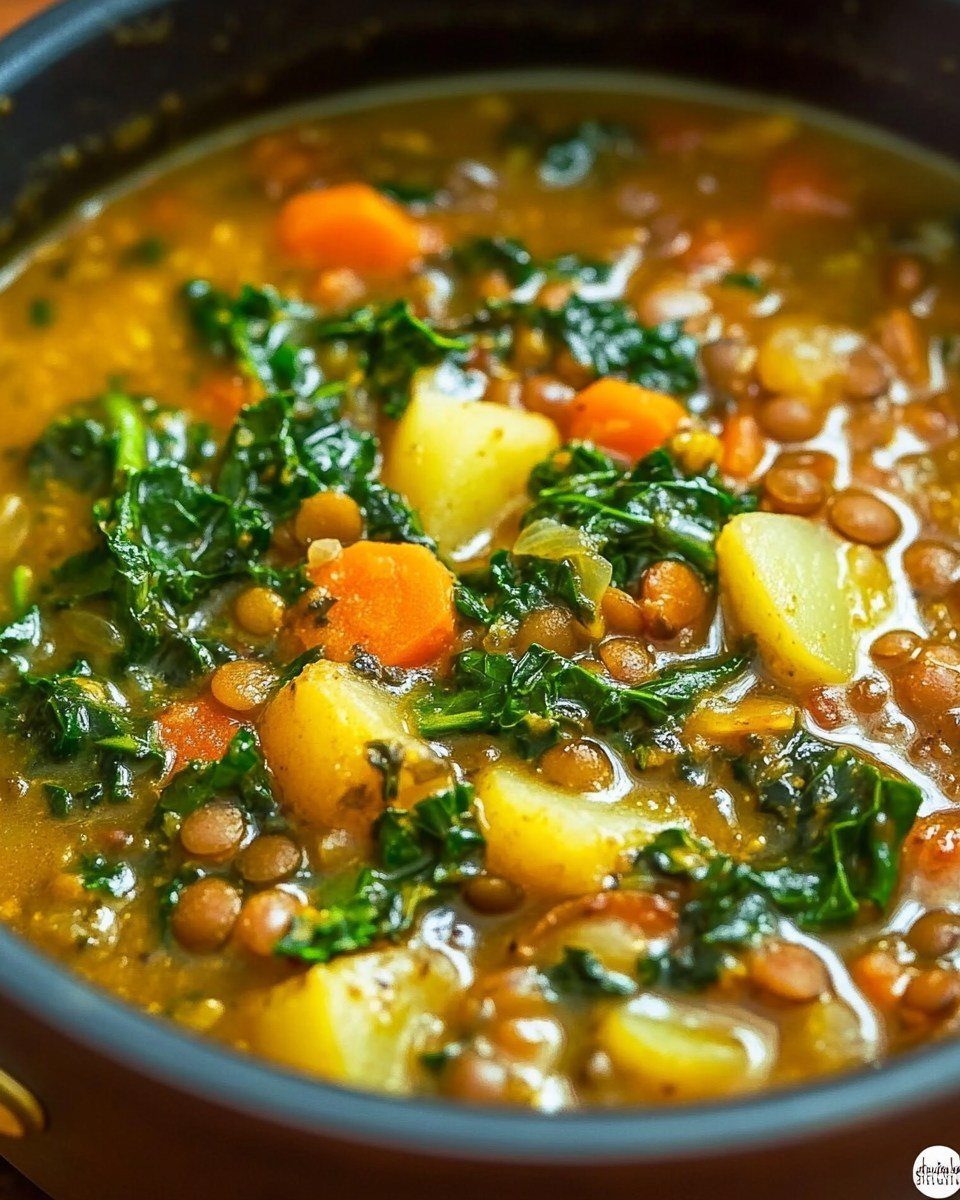
Lentils, chickpeas, black beans, and other legumes supply plant protein along with iron and zinc, both involved in follicle function.
This is one of the cheaper ways to get consistent protein if you’re eating more plants. Legumes stretch further than meat, and a batch lasts several days.
4. Greek Yogurt
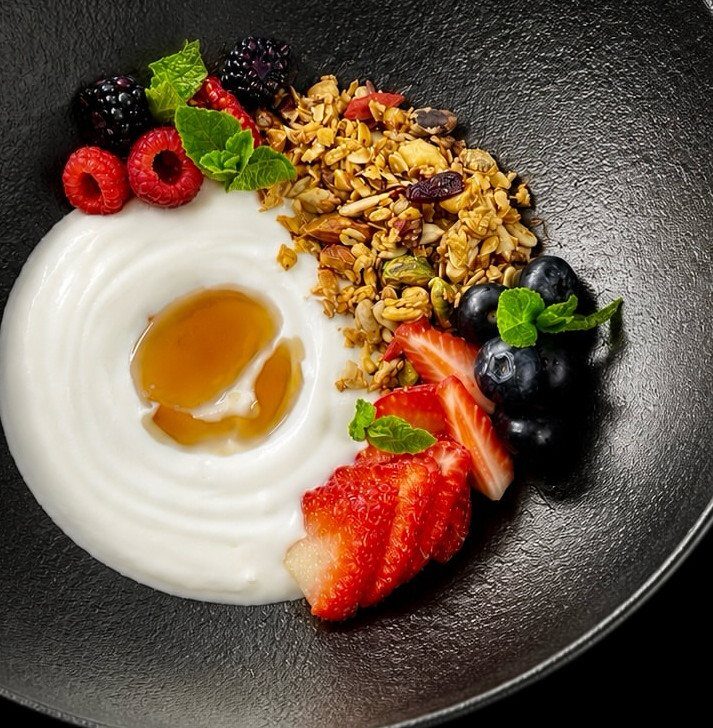
Greek yogurt offers more protein per serving than regular yogurt, plus nutrients like B5 and zinc that show up in studies on hair health. The thicker texture also holds toppings without turning soggy.
I top mine with honey, granola, and berries for texture and a bit of sweetness. It takes 2 minutes to assemble and gives you protein early in the day when a lot of us skip it.
5. Protein-Rich Meals
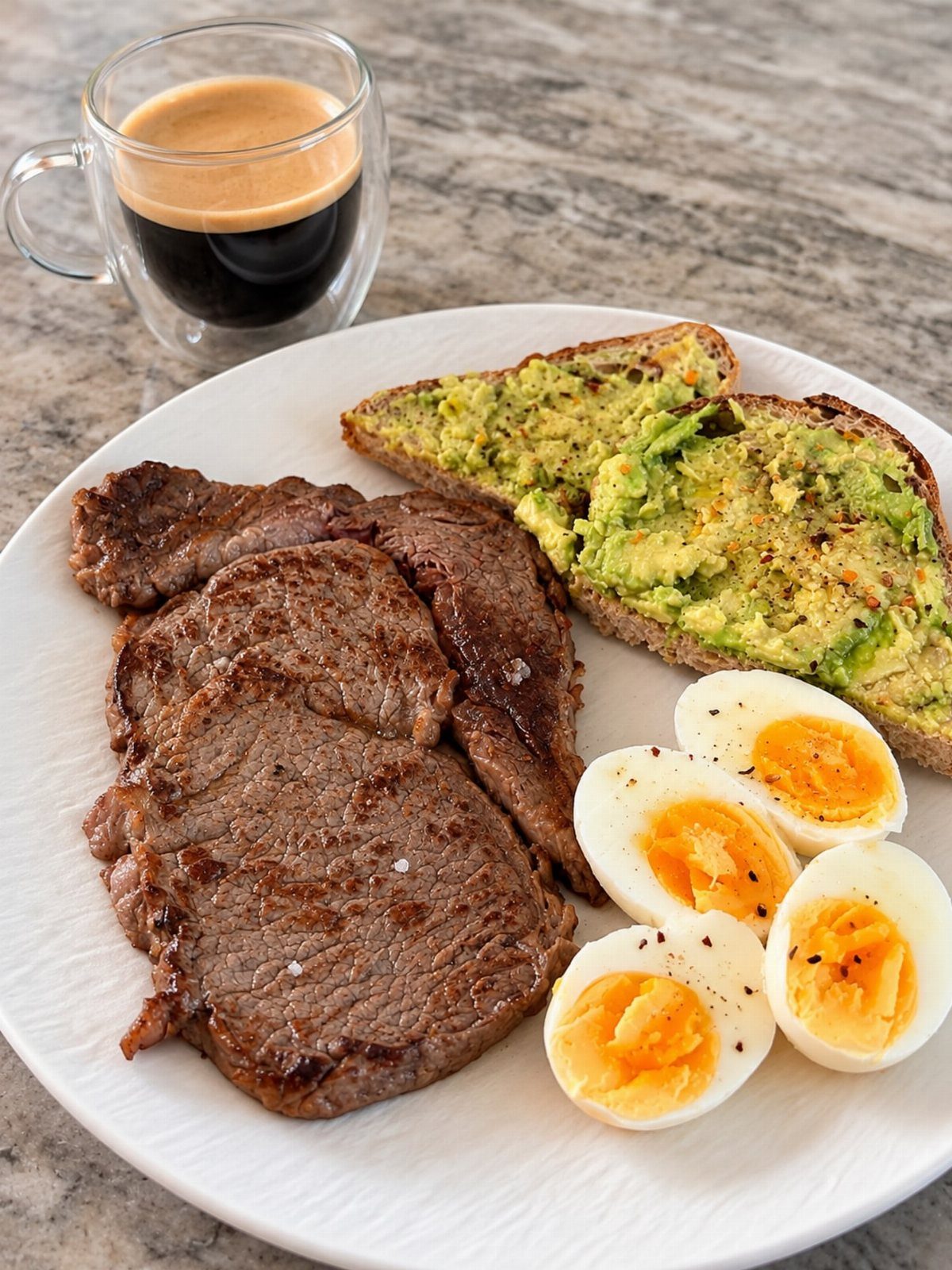
Protein is the material hair is made from, so getting enough consistently matters more than any single food. Hair is built from keratin, and your body makes keratin from dietary protein.
I aim for a similar approach at dinner when I know breakfast and lunch were light, balancing it out instead of hoping one day makes up for the rest.
Diet and Hair Growth Cycle
Hair grows in 3 phases: anagen, the active growing period that can last 2 to 7 years; catagen, a brief transition of 1 to 3 weeks; and telogen, the resting phase of 2 to 4 months when the strand eventually sheds.
During anagen the follicle divides quickly and needs protein, biotin, iron, zinc and B vitamins to keep building cells.
Run low on any of those and anagen cuts short. The strand spends less time growing, more time resting, and you see more shedding plus weaker regrowth when it does start again.
The lag matters here. What looks like sudden loss today usually reflects a nutrient gap that began 3 to 6 months earlier, back when those follicles were trying to grow and didn’t have what they needed.
Dietary Habits to Limit
Crash diets and very low calorie intake can trigger telogen effluvium, temporary shedding that continues for months after you start eating normally again.
Very low-protein diets carry similar risk, leaving the follicle without the amino acids it needs to build each strand.
Ultra-processed snacks and excess sugar displace nutrient-dense foods without offering much in return. Excess alcohol and trans fats can interfere with nutrient absorption and scalp health.
Restrictive dieting places hair growth low on the list of priorities. Your body will redirect resources to functions that keep you alive, and hair formation halts quickly under that kind of stress.
Too much vitamin A can cause hair loss, so taking more of a supplement doesn’t mean better results.
When Diet Is Not Enough
Diet helps, but it does not solve every type of hair loss. Genetic pattern baldness depends on follicle sensitivity to DHT, and no amount of nutrient optimization can override that inherited response.
Advanced loss, where follicles have already gone dormant or died, will not reverse with food alone. And some shedding signals thyroid dysfunction, hormonal imbalance, or autoimmune disease, all of which require medical treatment rather than dietary change.
If loss is sudden, severe, or accompanied by other symptoms, bloodwork and a consultation with a dermatologist or endocrinologist can identify whether something beyond nutrition is driving it.
Hair growth ranks low in your body’s hierarchy of needs, so when shedding persists despite a solid diet, the cause often sits elsewhere.
Frequently Asked Questions
What to eat for female hair loss?
Prioritize protein from eggs, fish, chicken, lentils, and Greek yogurt at 25–30 grams per meal to support keratin production.
Add iron-rich foods like spinach, red meat, and pumpkin seeds to keep oxygen flowing to follicles, and omega-3 sources like salmon, walnuts, and chia seeds to nourish the scalp and reduce inflammation.
Zinc from beans, seeds, and poultry supports tissue repair around each follicle.
What vitamins are good for hair growth?
B vitamins including biotin support the cells that form hair, while vitamin E acts as an antioxidant that protects hair shafts.
Vitamin A helps regulate stem cells in follicles and keeps the scalp moisturized, but too much can trigger shedding instead. Iron and zinc support follicle function and oxygen delivery, both often low in women experiencing hair loss.
How fast does hair grow?
During the active growth phase, most hair adds half an inch each month, which works out to about 6 inches over a year. That active growth period lasts 2 to 7 years before the strand enters a resting phase and eventually sheds.
How does diet affect hair growth?
Hair follicles need steady protein, fats, iron, zinc, and vitamins to build keratin and keep the growth cycle running. The lag between a nutrient gap and visible loss is usually 3 to 6 months.
Does eating garlic help hair growth?
Garlic contributes sulfur compounds and antioxidants as part of a balanced diet, but it does not reverse hair loss on its own. Use it to flavor protein and vegetable dishes while keeping the rest of your intake consistent.
Does eating pumpkin seeds help hair growth?
Pumpkin seeds pack zinc, a mineral involved in follicle repair and the tissue that surrounds each strand. Stir a tablespoon into yogurt, oatmeal, or a salad for an easy way to add zinc.
Does eating chia seeds help hair growth?
Chia seeds provide plant omega-3, fiber, and minerals that support overall nutrient density. They contribute useful fats when part of a varied diet, but eating them alone will not trigger new growth.





