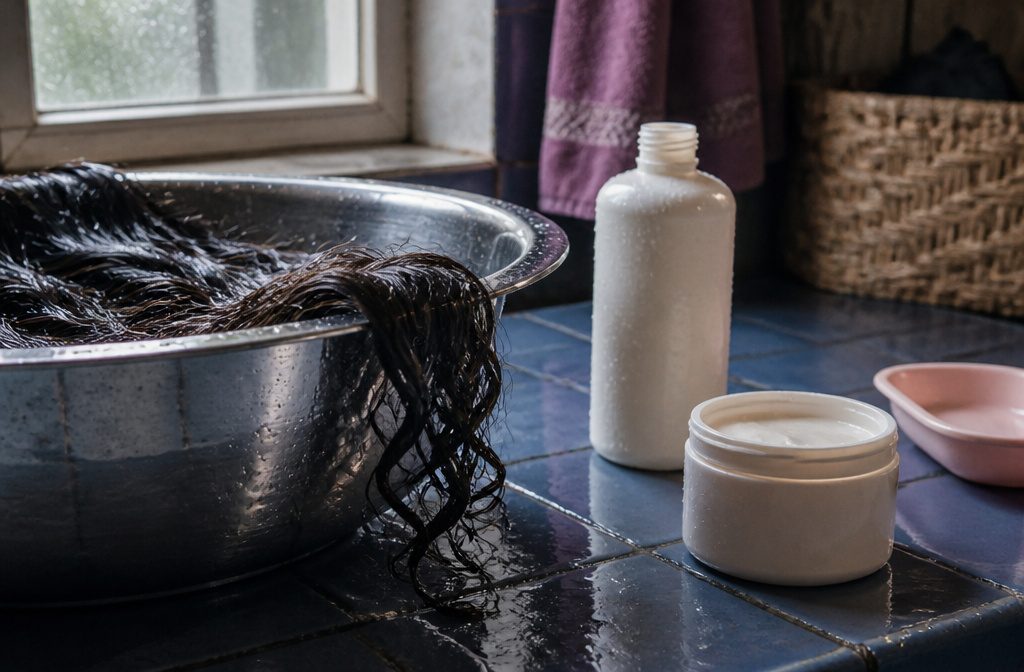
Low porosity hair needs lightweight, water-based shampoos because its tightly closed cuticles keep heavy products sitting on the surface instead of absorbing.
The wrong formula turns into buildup that blocks moisture and leaves strands looking dull. Clarifying shampoos like Curlsmith Curl Reset Detox cut through that residue, while co-washes offer a gentler alternative for hair that feels stripped after regular shampooing.
Why Low-Porosity Hair Needs Lighter Products
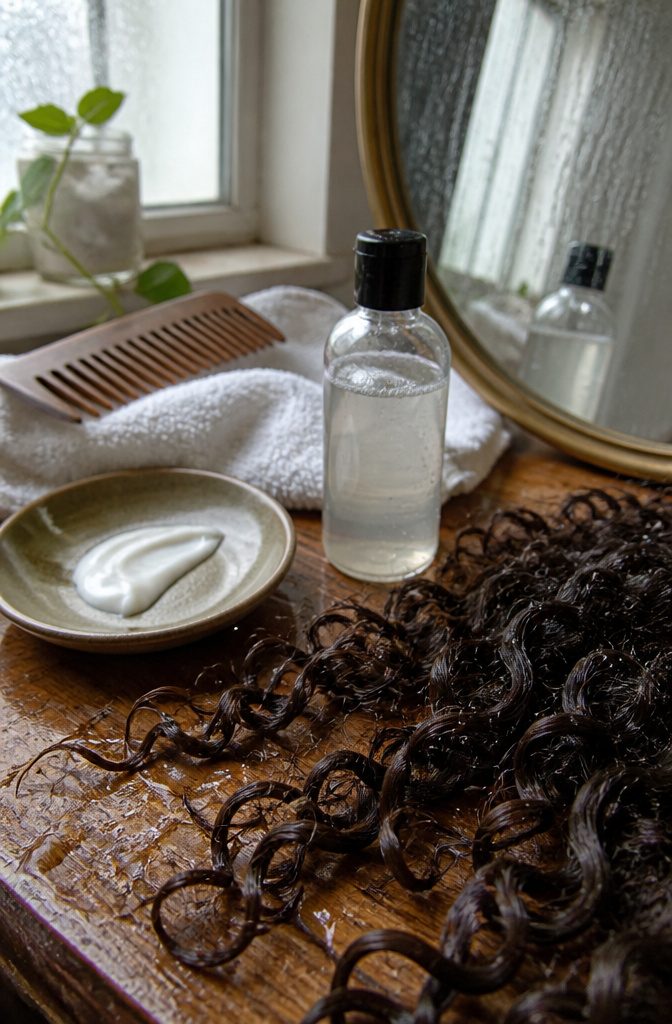
Low porosity hair has cuticle layers that sit tightly closed, which makes it harder for water and product to get inside the strand.
That structure keeps moisture in once it’s there, but getting it past the cuticle in the first place is the problem.
Heavy creams, thick oils and protein-rich formulas sit on the surface instead of sinking in, and what doesn’t absorb turns into buildup.
The hair looks dull, feels coated, and takes longer to dry because all that product is just sitting there.
Lightweight, water-based formulas slip through more easily and rinse away cleanly, which is why shampoo choice matters more for low porosity hair than for types that drink up whatever you put on them.
1. Clarifying Shampoo to Remove Buildup
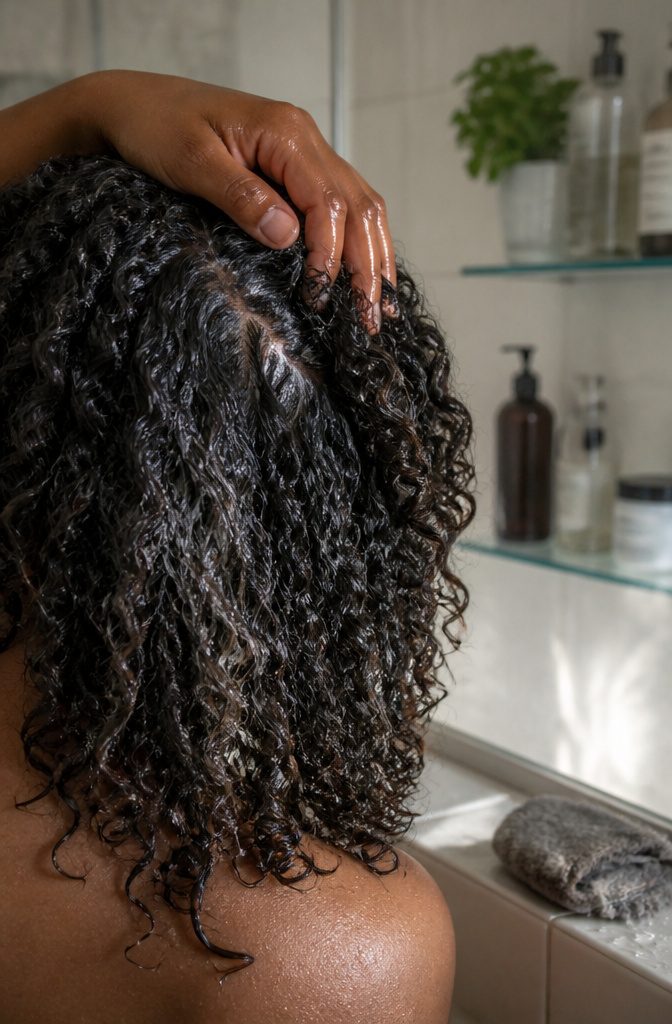
Low porosity hair collects product residue on the surface rather than absorbing it, which is exactly why clarifying shampoo belongs at the top of the rotation.
The tightly closed cuticles prevent oils, styling creams and conditioners from penetrating, so everything just sits there and blocks moisture from getting in later.
A clarifying formula cuts through that buildup and resets the hair so the next products actually stand a chance. Curlsmith Curl Reset Detox Shampoo is designed specifically for this, lifting away what low porosity curls refused to absorb.
How often you clarify depends partly on how much product you use.
I find once every one to two weeks keeps things clean without stripping, though some people go as long as four to six weeks if they use lighter products day to day.
Weekly or biweekly works well if you layer styling products regularly. You want a clean base, not squeaky dryness.
2. Lightweight Hydrating Shampoo for Regular Cleansing
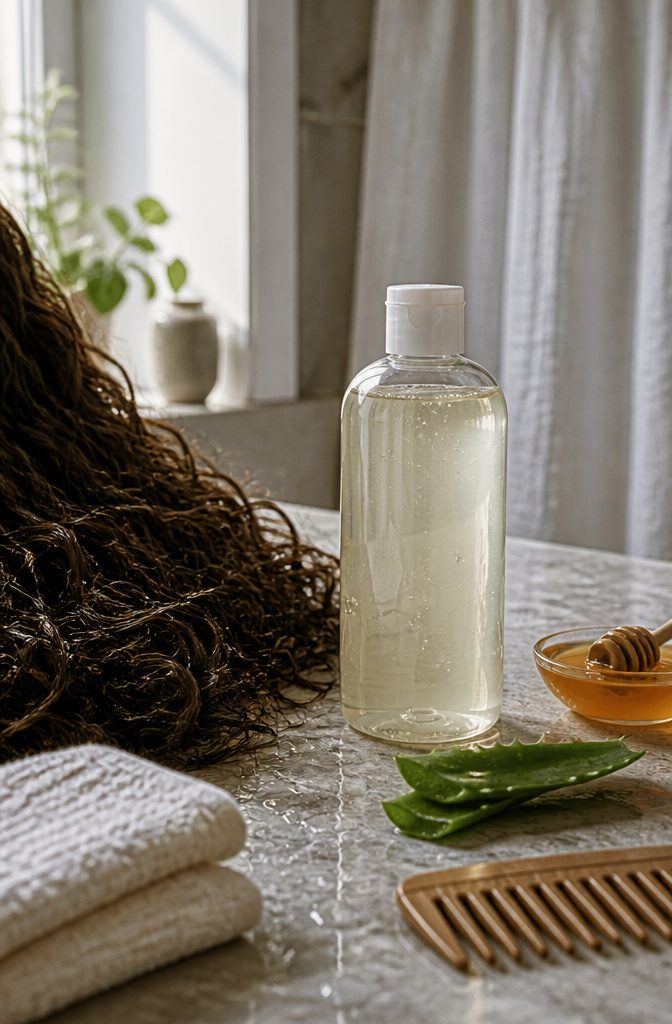
Low porosity hair needs a shampoo that cleans gently but doesn’t leave behind residue or heavy moisturizers that just sit on the surface.
Water-based formulas get the job done without piling on weight. I look for sulfate-free options that hydrate as they cleanse, so the hair doesn’t feel stripped but also doesn’t get coated in something it can’t absorb.
Water-based products that can easily penetrate the hair are great choices.
That means the product actually gets where it needs to go instead of sitting on top.
Pantene Miracle Moisture Boost Rose Water Sulfate Free Shampoo hits that balance.
It hydrates without leaving residue. Mielle Organics Pomegranate & Honey Moisturizing and Detangling Shampoo (12 oz) brings honey and babassu oil, both lightweight enough to work with low porosity strands.
Humectants like glycerin, aloe vera and honey pull moisture from the air into the hair, which matters more when the cuticle won’t let much in on its own.
3. Protein-Free or Protein-Balanced Shampoo
Low-porosity hair can react badly to protein. Too much leaves the strand stiff or brittle, and protein-sensitive hair needs a formula that skips it entirely or keeps it balanced enough that buildup does not follow.
Protein-free shampoos clear the way for moisture without adding weight that sits on the surface, and they suit anyone who has noticed their hair turning straw-like after a strengthening treatment.
Protein-balanced versions work when you are not actively trying to reinforce the strand, but I lean toward the protein-free option if your hair has shown sensitivity before.
You give up the reinforcing effect of hydrolyzed protein, but you avoid the brittleness and the flat, weighed-down feeling that comes with overload.
4. Co-Wash as an Alternative Cleanser
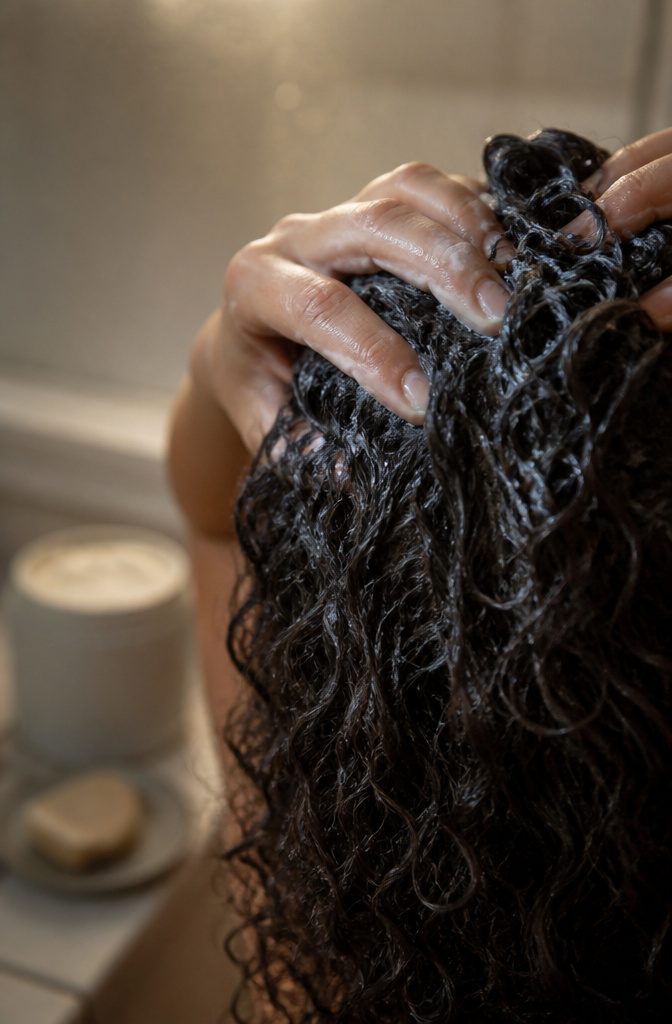
Co-wash cleanses without the lather or sulfates of traditional shampoo, relying instead on conditioning ingredients to lift dirt and oil.
For low-porosity hair that feels stripped or stiff after shampooing, a co-wash can replace every other wash, especially in winter or when you’re not using heavy styling products.
Flawless by Gabrielle Union Hydrating Co-Wash Cleansing Hair Conditioner contains Brazilian bacuri butter and works well for anyone who finds their hair resists moisture no matter how much conditioner they pile on afterward.
The texture is thicker than regular conditioner, and you work it through the scalp with your fingertips the same way you would a shampoo. It won’t foam, which takes some adjustment if you associate clean with bubbles.
Co-washing doesn’t clear heavy buildup the way a clarifying shampoo does, so you’ll still need a proper cleanse every few weeks if you use silicones or thick oils.
How to Tell If You Have Low Porosity Hair
Low porosity hair has cuticles that lie flat and seal tightly, which makes getting moisture and product into the strand difficult.
Water beads up on the surface instead of soaking in, and shampoos or conditioners tend to sit on top rather than absorbing.
Your hair may take a long time to get fully saturated in the shower, then dry quickly afterward. Buildup shows up faster because nothing is penetrating the shaft.
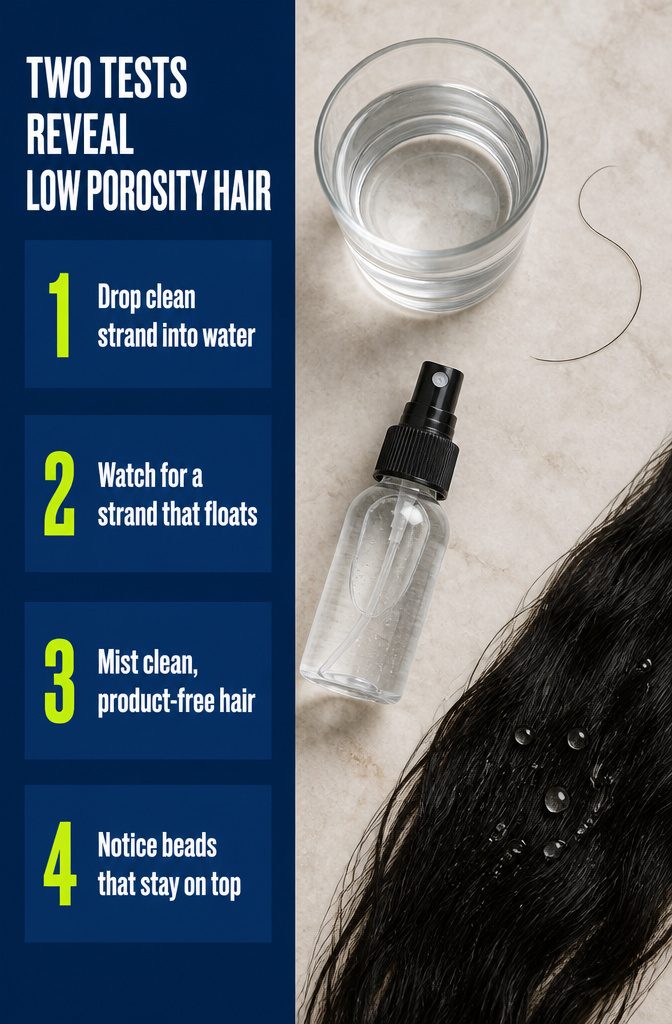
Two simple tests confirm it. The float test involves dropping a clean strand into a glass of water: if it floats on the surface for a while, the cuticles are too tight to let water in.
The spray test is quicker: mist clean, product-free hair with water and watch whether droplets roll off or sink in. Low porosity hair repels the water, forming beads that stay on the surface.
Shampoo Ingredients to Look For and Avoid
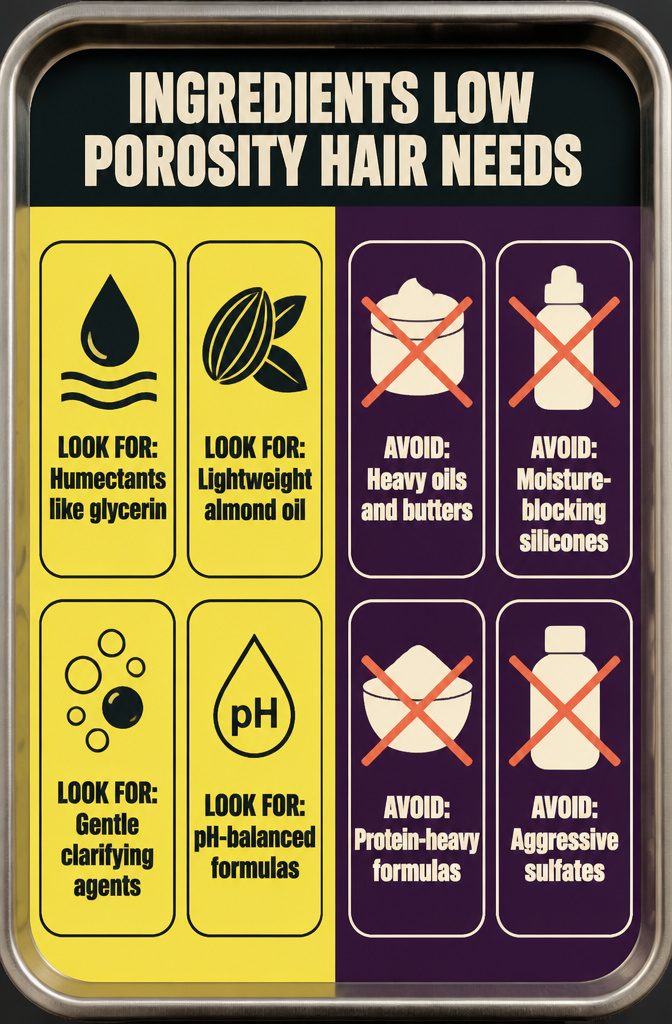
The wrong ingredients sit on low-porosity hair instead of soaking in, so the shopping list matters more than the brand name. Here’s what works and what to skip:
Look for:
- Humectants like glycerin, aloe vera, and honey that pull moisture from the air into the strand
- Lightweight oils such as almond or avocado, not the heavy ones that coat the cuticle
- Gentle clarifying agents that lift buildup without stripping everything off
- pH-balanced formulas that keep the cuticle from sealing tighter
Avoid:
- Heavy oils and butters like coconut oil, shea butter, and castor oil, which sit on the surface instead of penetrating
- Silicones that add shine but block moisture from getting in
- Protein-heavy formulas that make low-porosity hair stiff and brittle
- Sulfates that strip too aggressively
The pattern holds across styling products too: anything thick or coating will work against you, so stick to water-based and lightweight whenever the label gives you the choice.
How Often to Wash Low-Porosity Hair
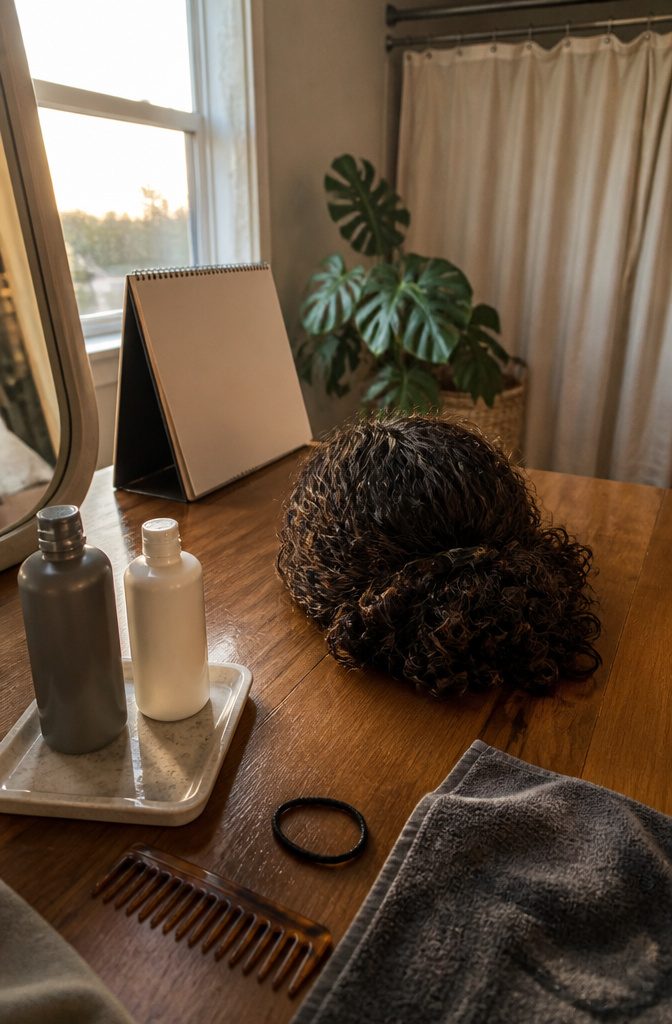
Most people with low-porosity hair can stretch 1–2 weeks between washes, since the cuticle keeps natural oil from spreading quickly and the hair stays cleaner longer.
If you layer on leave-ins, oils, or styling products regularly, you may need to wash more often to keep buildup from sitting on the surface and weighing everything down.
Clarifying washes follow a different schedule. A clarifying shampoo strips away the film that lighter formulas leave behind, but it also pulls moisture, so you want it once every 4–6 weeks at most.
Some prefer a lighter clarifying rinse weekly or biweekly to reset without stripping. Your own product load decides which frequency makes sense: the more you apply between washes, the more often you’ll need that reset.
Applying Shampoo and Using Heat to Help It Penetrate
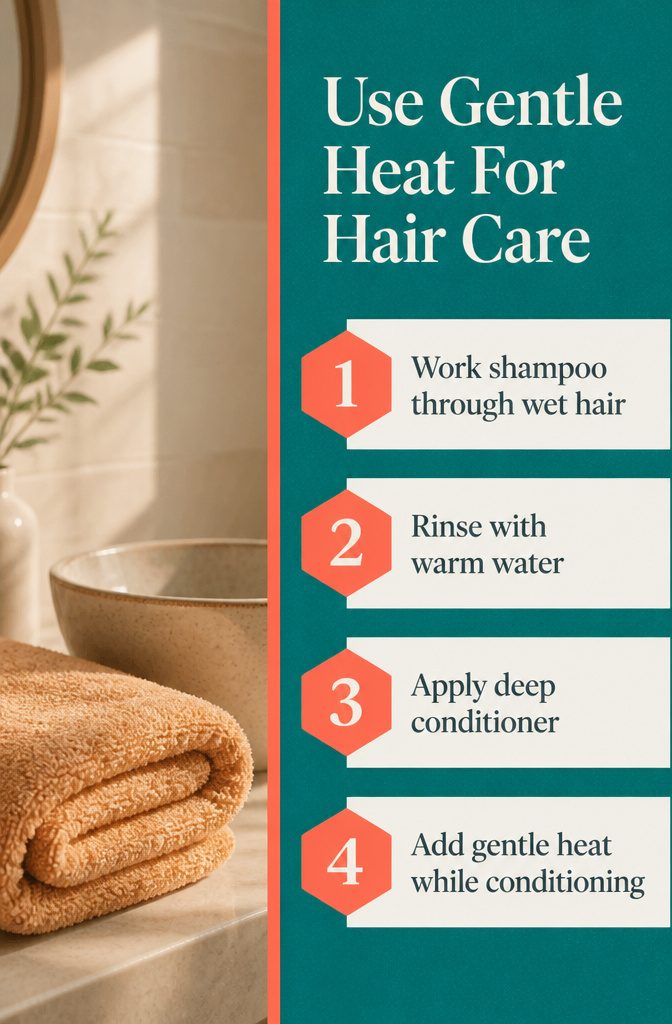
Low porosity hair has a tightly sealed cuticle layer that resists moisture, so applying products to damp hair and adding gentle heat makes a real difference in how well anything penetrates.
When you shampoo, work it through wet hair and rinse with warm water rather than cold. The warmth nudges the cuticle open just enough to let the cleanser do its work.
Deep conditioning becomes more useful when you add heat. I apply a deep conditioner once or twice a week and sit under a hooded dryer, use a steaming cap, or wrap my head in a warm towel for 15–30 minutes.
The gentle heat lifts the cuticle slightly so the conditioner can actually sink in rather than sitting on the surface.
A hair steamer works the same way: the moist heat creates a humid environment that coaxes the hair into accepting moisture.
Steam for 10–20 minutes during a deep conditioning session, but keep the total steaming time under 30 minutes to avoid overdoing it.
Frequently Asked Questions
How do I find out if I have low porosity hair?
Drop a clean strand into a glass of water: if it floats on the surface for a while, the cuticles are too tight to let water in.
You can also mist clean hair with water and watch whether droplets roll off or sink in. Low porosity hair repels the water, forming beads that stay on the surface.
How often should I wash low porosity hair?
Most people with low porosity hair can stretch 1–2 weeks between washes, since the cuticle keeps natural oil from spreading quickly.
If you layer on leave-ins, oils, or styling products regularly, you may need to wash more often to keep buildup from weighing everything down.
Can I use clarifying shampoo on low porosity hair?
Yes, clarifying shampoo cuts through the buildup that sits on the surface and resets the hair so the next products can penetrate. Use it once every 4–6 weeks at most, or weekly to biweekly if you layer styling products regularly.
Is protein shampoo good for low porosity hair?
Not always.
Too much protein can leave low porosity strands stiff or brittle, so protein-free shampoos or protein-balanced versions work better. If your hair has turned straw-like after a strengthening treatment, stick to protein-free options.
Should I deep condition after shampooing?
Yes, deep conditioning once or twice a week helps low porosity hair absorb moisture.
Apply a lightweight deep conditioner and sit under a hooded dryer, use a steaming cap, or wrap your head in a warm towel for 15–30 minutes so the conditioner can actually sink in rather than sitting on the surface.