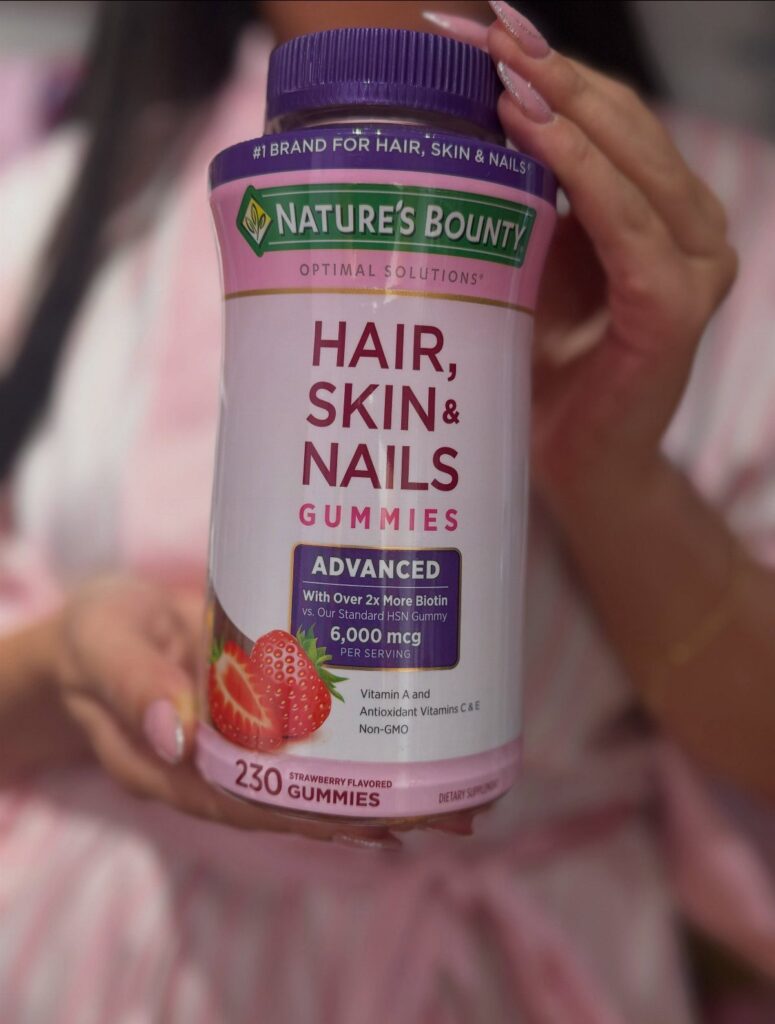
If thinning stems from a confirmed deficiency, a single-nutrient supplement usually fixes it. Before buying anything, check whether sudden hair loss matches genetics, stress, medication or a nutritional gap, because a tablet only addresses the last one.
1. Nature’s Bounty Biotin
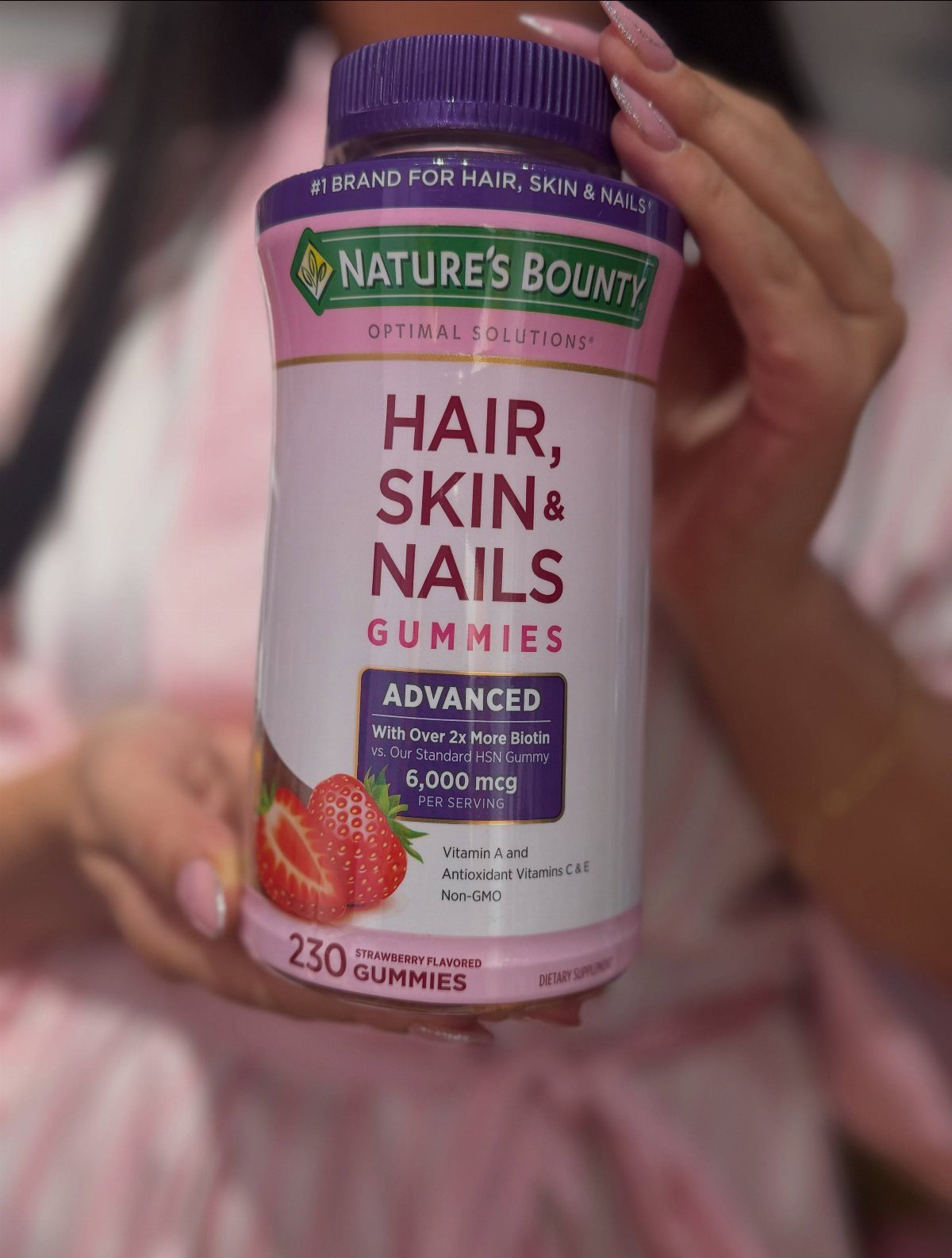
Biotin supplements support keratin production, the protein that forms hair structure. Nature’s Bounty offers several strengths, and the higher doses are worth considering if hair thinning stems from a deficiency.
Biotin alone won’t reverse hair loss caused by genetics, hormones or medical conditions, but it can strengthen brittle strands and reduce breakage when you’re low on it. Blood tests confirm deficiency, though some people try it without testing first.
Gummies are taken once per day, usually with food.
2. Nutrafol
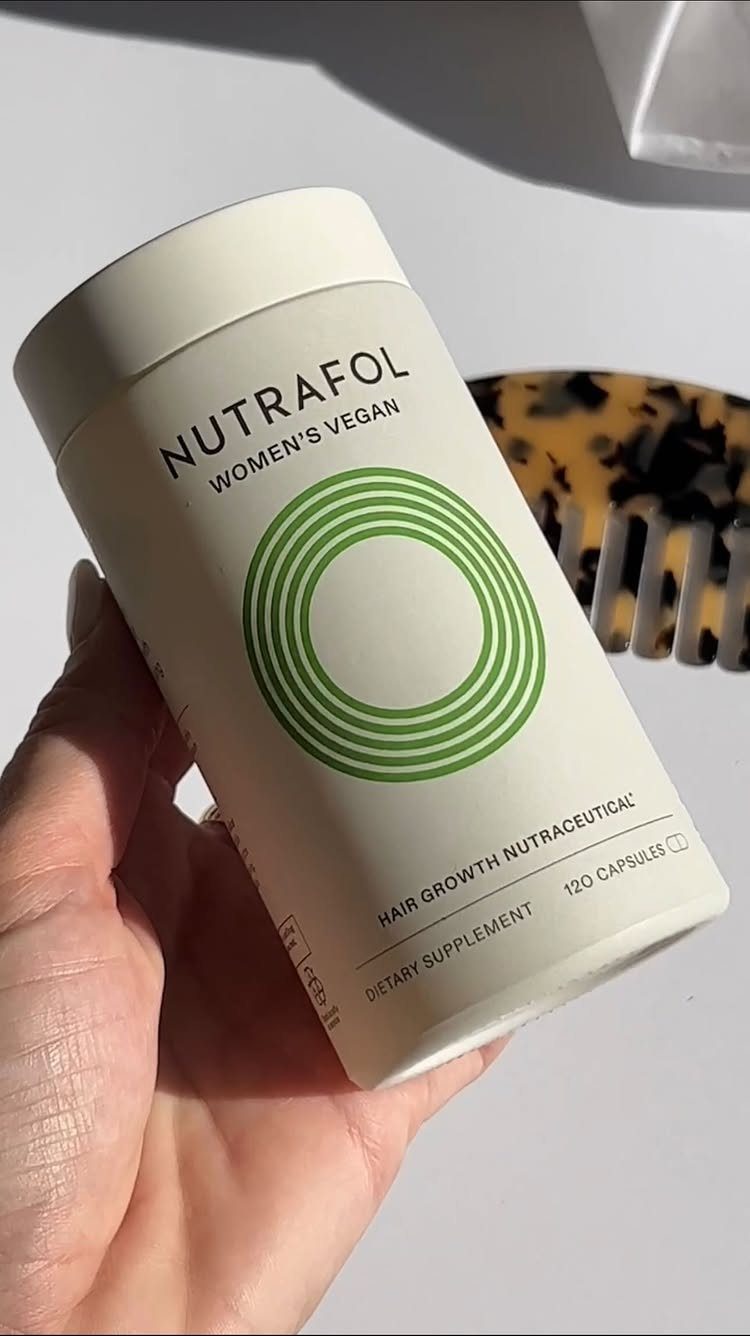
Nutrafol combines botanicals, vitamins and adaptogens in one capsule, with separate formulations for women, men, postpartum and menopausal stages. Each formula targets stress, inflammation and hormonal shifts that can thin hair.
4 capsules daily make up the full dose, and the cost adds up fast. Clinical trials showed increased hair count and thickness after 6 months, though results vary by person and cause of thinning.
I’d rather address deficiencies with targeted supplements first, but if you want one product that covers multiple angles and don’t mind the cost, this fits that goal.
3. Viviscal
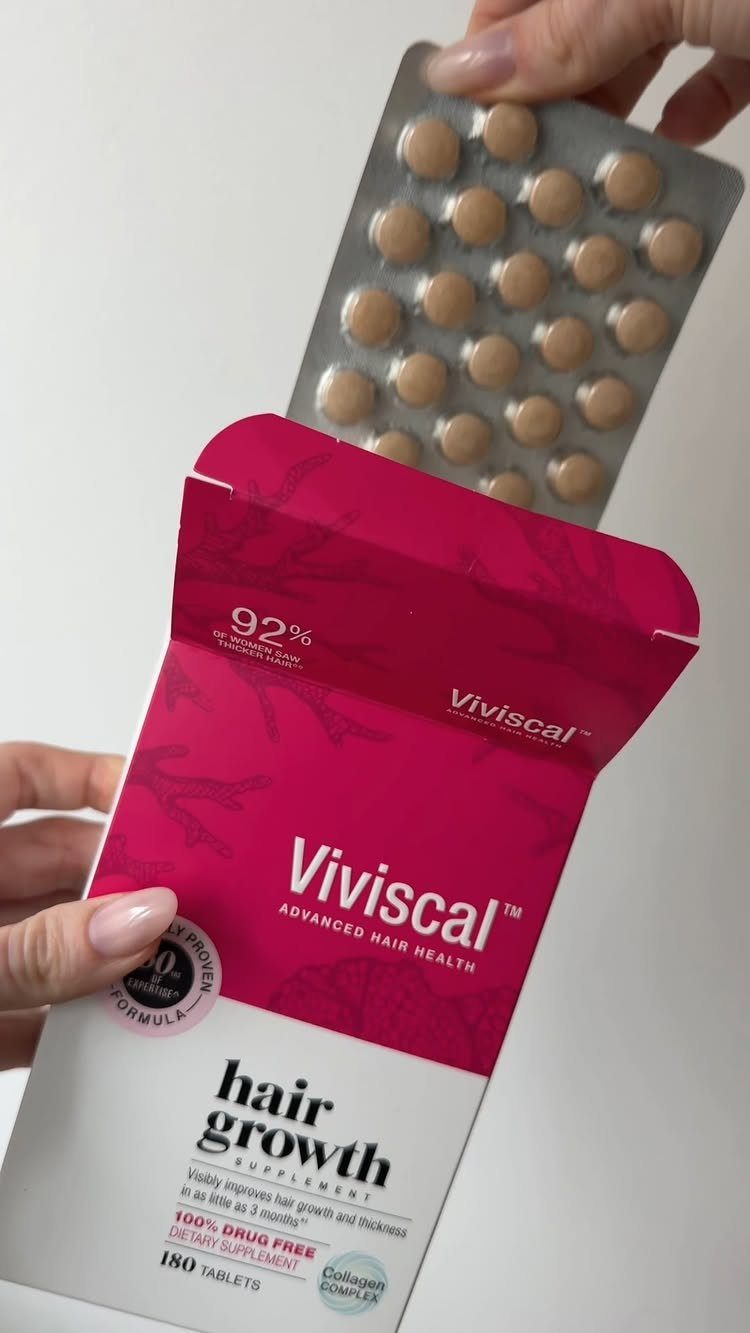
Viviscal’s marine protein complex (AminoMar) combines shark and mollusk powder with biotin, vitamin C and iron. Clinical studies reported increased hair count and reduced shedding in users who took it twice daily.
The tablets are larger than standard vitamins, which some find hard to swallow. Shellfish allergies rule this out entirely.
Results depend on consistent use, and the marine ingredient limits vegan options. If you’re looking for something backed by published trials and don’t have shellfish restrictions, this is a credible choice.
4. SugarBearHair Vitamins

SugarBearHair delivers biotin, folic acid, vitamin D and B vitamins in vegan gummy form. Two gummies daily supply 5,000 mcg of biotin, making them easier to take than pills if swallowing capsules feels like a chore.
Gummies contain added sugar, usually 2 to 3 grams per serving, which builds up over a month. Potency can degrade faster than tablets if stored in heat or humidity.
They work for people who hate swallowing pills, but tablets give you the same nutrients without the sugar and shelf-life trade-off.
Check Causes Before Supplementing
Hair loss stems from genetics, aging, alopecia areata, styling damage, stress, medication or nutritional gaps.
For men, elevated testosterone converts to DHT, which shrinks follicles and drives male pattern baldness. Women often shed hair after giving birth, though that reversal happens on its own timeline and can’t be rushed.
A tablet addresses deficiency, not every cause. If thinning began suddenly or matches none of these patterns, see a dermatologist before buying supplements.
They’ll check thyroid function, iron stores and hormone levels, then recommend treatment that fits what’s actually happening. Supplementing blindly when the cause is medical or hormonal wastes money and delays the fix that would work.
“The initial approach should involve addressing any deficiencies through a well-rounded diet packed with essential vitamins and minerals to support overall health, hair growth, and prevent excessive shedding,” Dr. Doshi tells Vogue.
— Vogue
Supplement Safety and Quality
Supplements perform best when a test confirms you’re low on the nutrient inside. Taking more than you need invites complications, and because the category isn’t federally regulated, what the label promises isn’t always what the bottle holds.
Look for third-party testing seals from NSF, USP or ConsumerLab. Biotin doses climb as high as 100,000 mcg in some products, far beyond any proven benefit, and excess biotin skews lab results for thyroid and cardiac markers.
If you’re scheduled for blood work, mention supplements to your doctor so they can adjust timing or interpret results correctly.
Hair Care and Realistic Expectations
If hair loss is recent, supplements and topical treatments have a better shot at visibly improving density than if thinning has persisted for 10 or 20 years. Follicles that have been dormant that long rarely restart, so managing expectations keeps frustration down.
While you wait for regrowth, cut back on heat tools and skip chemical straightening or perms. Both weaken strands that are already compromised, turning shedding into breakage.
Air-dry when possible, use a heat protectant if you can’t, and space out color treatments. Protecting what’s there gives new growth a better chance to catch up.
Frequently Asked Questions
What is the best pill for hair growth for women?
Nutrafol is recommended most often by dermatologists for women, with separate formulations for different life stages including postpartum and menopause.
If you’re addressing a confirmed biotin deficiency rather than multiple factors, Nature’s Bounty Biotin costs less and works just as well for that specific gap.
Do hair growth tablets really work?
Tablets work when they address a nutritional deficiency, like low biotin or iron, by strengthening brittle strands and reducing breakage.
Which tablet is best for hair growth?
The best tablet depends on what’s causing your hair to thin. Biotin supplements like Nature’s Bounty work for keratin support if you’re deficient, while Viviscal’s marine protein complex is backed by clinical studies for overall hair count and reduced shedding.
Nutrafol addresses stress and hormonal factors alongside nutritional ones, though you’ll pay considerably more and take 4 capsules instead of 1 or 2.
What vitamins and ingredients are good for thinning hair?
Biotin supports keratin production, the protein that forms hair structure, and works when you’re low on it. Iron and vitamin D deficiencies can also contribute to shedding, so blood tests help confirm which nutrients you need.
Ingredients like saw palmetto, adaptogens and marine proteins appear in multi-ingredient formulas targeting stress and hormonal causes, though addressing confirmed deficiencies first costs less and delivers clearer results.
How long do hair growth vitamins take to work?
Clinical trials for products like Nutrafol and Viviscal report visible changes after 6 months of daily use. Hair grows slowly, so improvements in density and thickness take time to become noticeable.
How should you choose the hair growth vitamin for you?
Start by confirming whether you have a deficiency through blood tests for biotin, iron, vitamin D or thyroid function.
If you’re low on a specific nutrient, a targeted supplement like biotin or iron costs less and works faster than multi-ingredient blends.