Most of what drives hair growth sits outside your control: genetics decide how long each strand stays in its active phase, and the average rate of half an inch per month changes little no matter what you apply.
What you can control is how much of that length survives long enough to show, and that depends on stopping breakage before it eats up what your scalp already grew.
How Hair Actually Grows
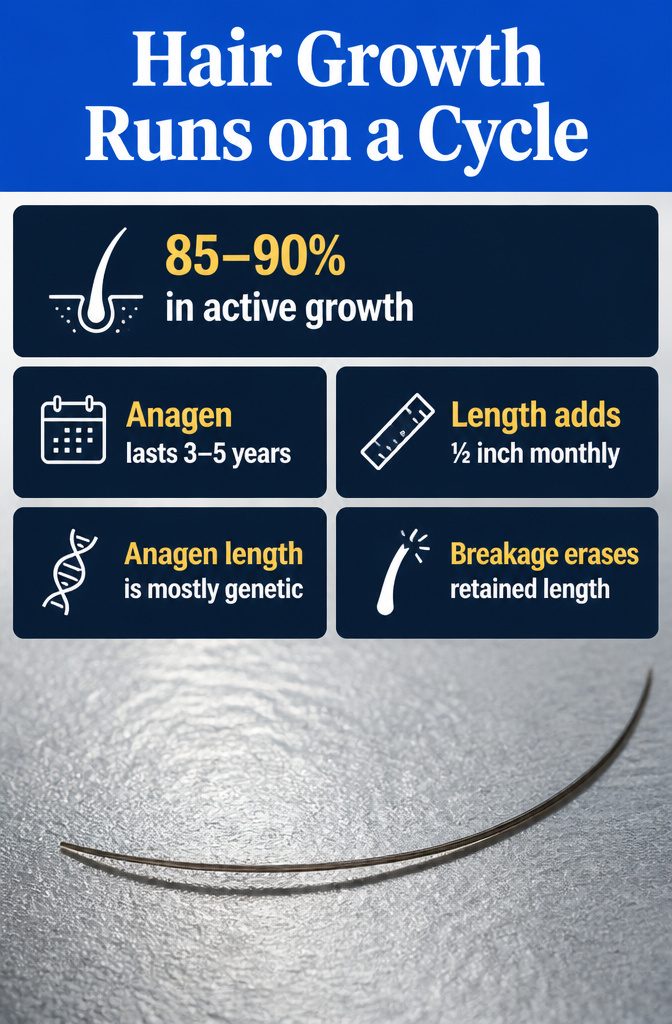
Your hair spends most of its life growing. At any time, 85 to 90 percent of the hairs on your scalp are in the anagen phase, the active growth stage that runs three to five years for scalp hair.
That phase is where strands lengthen at roughly half an inch a month, or six inches a year.
The rest sit in shorter phases: catagen, a two- to three-week transition when active growth stops; telogen, a resting phase lasting about three months; and exogen, when old hairs shed and new ones begin their cycle again.
The longer the hair is in the anagen phase, the lengthier it gets.
That length of anagen is mostly genetic, and there is not much you can do to stretch it.
What you can control is how much of what grows actually stays on your head. Growth happens at a fixed rate; keeping the hair intact is what decides how long it gets.
Breakage cuts length faster than the scalp adds it, which is why the tips that follow focus less on speeding up growth and more on stopping damage before it costs you what you already grew.
1. Scalp Massage
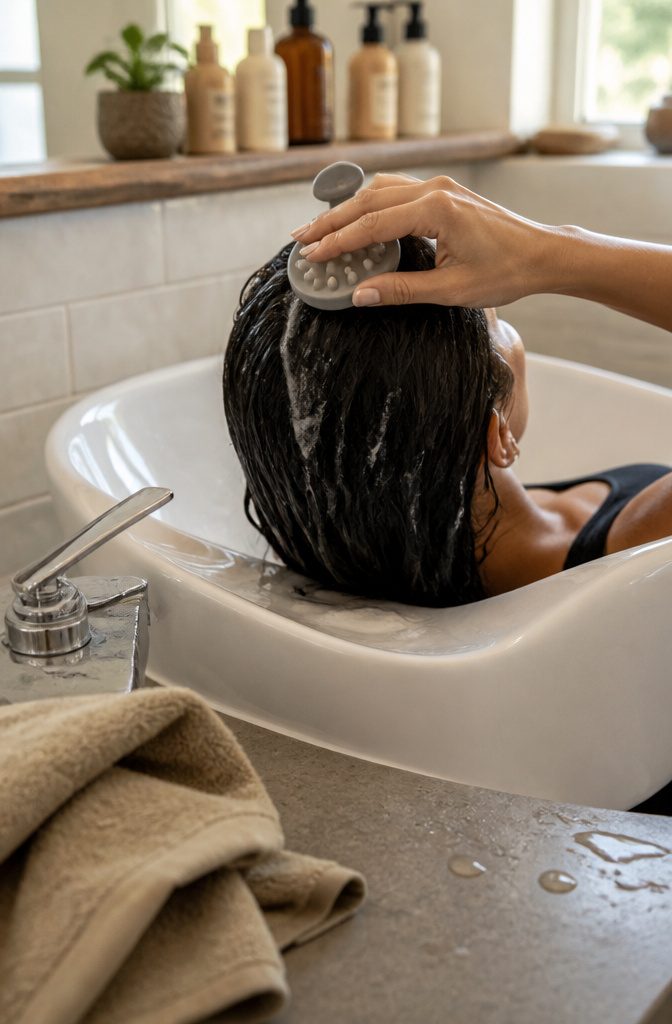
Scalp Massage
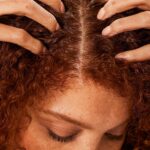
Massaging your scalp while you shampoo or apply a scalp treatment does two things: it helps lift stubborn buildup and dead skin cells that can clog follicles, and it feels good enough that you’ll actually do it consistently.
Use your fingertips or a silicone scalp massager and work in small circles, spending a few minutes a few times a week.
The circulation boost is real, though the evidence that it directly speeds growth is thin. What matters more is that a clean, balanced scalp gives hair a better foundation.
If your scalp runs dry, massage when you apply a hydrating serum rather than scrubbing it raw. If it’s oily or flaky, the mechanical action during shampooing clears the slate without needing aggressive products.
2. Protein and a Balanced Diet

Hair is made almost entirely of protein, so eating enough matters more than most of us realize. Healthline recommends at least 45 grams daily—roughly a palm-sized portion at breakfast and again at lunch.
I’ve noticed how much weaker my hair feels when I skip meals or go too light on protein, and the science backs that up: diets low in protein lead to brittle strands, loss of color, and shedding.
Beyond protein, deficiencies in iron, zinc, and vitamins A, C, D, and E can trigger thinning or breakage.
Iron deficiency causes anemia, which shows up as hair loss before much else. Omega-3 fatty acids matter too: wild salmon, hemp seeds, and nuts deliver the fats follicles need to stay fed.
A balanced diet solves most of this without supplements, though a doctor can test for specific gaps if shedding worsens or you follow a vegetarian or vegan plan that might be missing certain nutrients.
3. Vitamins and Supplements

Supplements fill nutritional gaps if you have a genuine deficiency, but the evidence stops there.
Iron, zinc, vitamin D, biotin and protein are the nutrients most often mentioned for supporting hair growth, and a multivitamin designed for hair, skin and nails can top up intake when diet alone falls short.
Named options include Nutrafol, Vegamour, Viviscal, BioSil and No.5 Hair Nutrition Vitamins, which typically combine biotin, collagen, saw palmetto and horsetail extract.
The warning worth hearing: if your diet is already balanced and you have no confirmed deficiency, loading up on supplements can backfire. Excessive supplementation has been linked to hair loss rather than growth.
Hair receives nutrients last, so a targeted supplement may help when you know something is missing, but guessing at high doses is risky. Talk to your doctor before starting anything, especially if you suspect a deficiency that needs testing first.
4. Limit Heat Styling
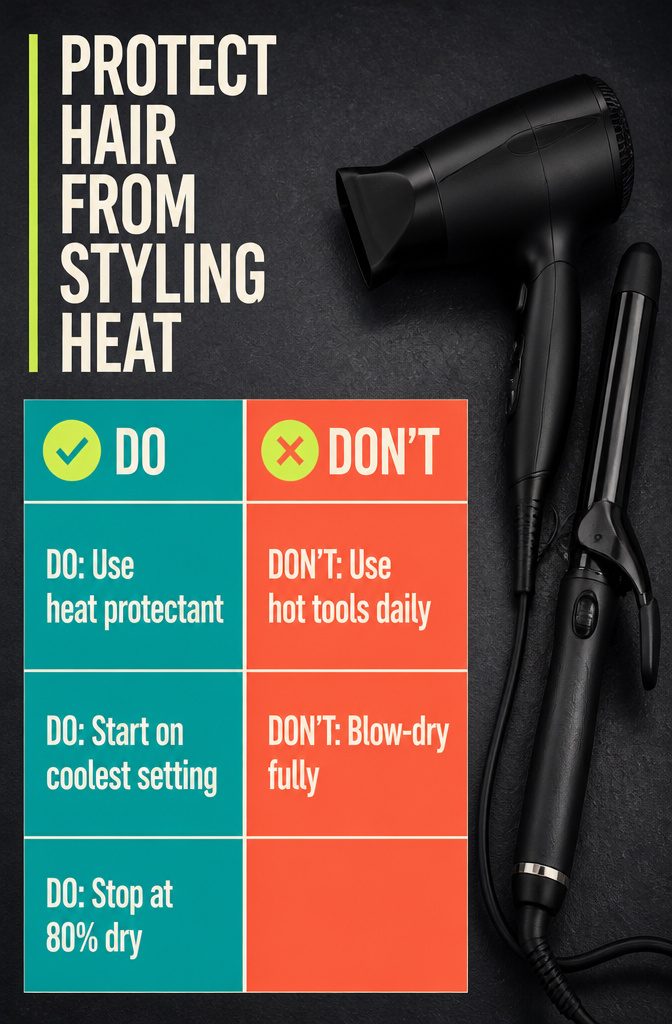
Frequent blowouts and daily passes with a straightener damage the hair shaft and lead to breakage that undoes every bit of length you’re trying to gain.
The heat itself weakens the strand, making it brittle and prone to snapping off before it reaches your shoulders.
If you can step back from hot tools a few days a week, you give your hair a chance to stay intact.
When you do reach for the dryer or the curling iron, always use a heat protectant.
Kérastase’s L’Incroyable Blowdry Lotion offers thermo-protection up to 450°F, which covers most styling tools. Lower heat settings also reduce cumulative damage, so start on the coolest setting that will work and only turn it up if you have to.
Stop blow-drying when your hair is 80% dry and let the rest air-dry before you leave the house.
5. Chemical Treatments and Color Damage
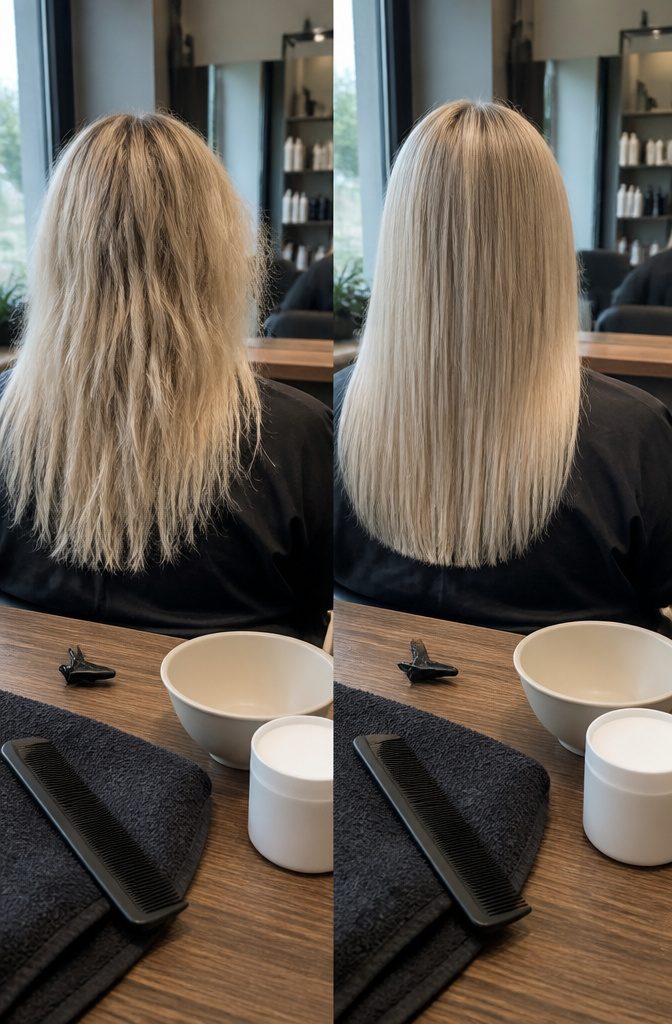
Bleach and chemical relaxers pull apart the protein structure that gives hair its strength. Every service that opens the cuticle or breaks down bonds makes the shaft more likely to snap before it reaches your shoulders.
Space relaxer touch-ups to every 2–3 months rather than the four to six weeks some salons push, and book a professional rather than mixing the kit at home.
The control matters: an overlapped application or a formula left on too long can dissolve hair faster than it grows.
Bond-rebuilding treatments reverse some of that damage by using amino acids to patch the broken links inside each strand.
The peptide systems restore elasticity and can make hair up to 82 percent stronger after a single use. If you bleach or relax regularly, a weekly molecular repair treatment is the difference between scraggly ends and length that actually holds.
6. Regular Trims
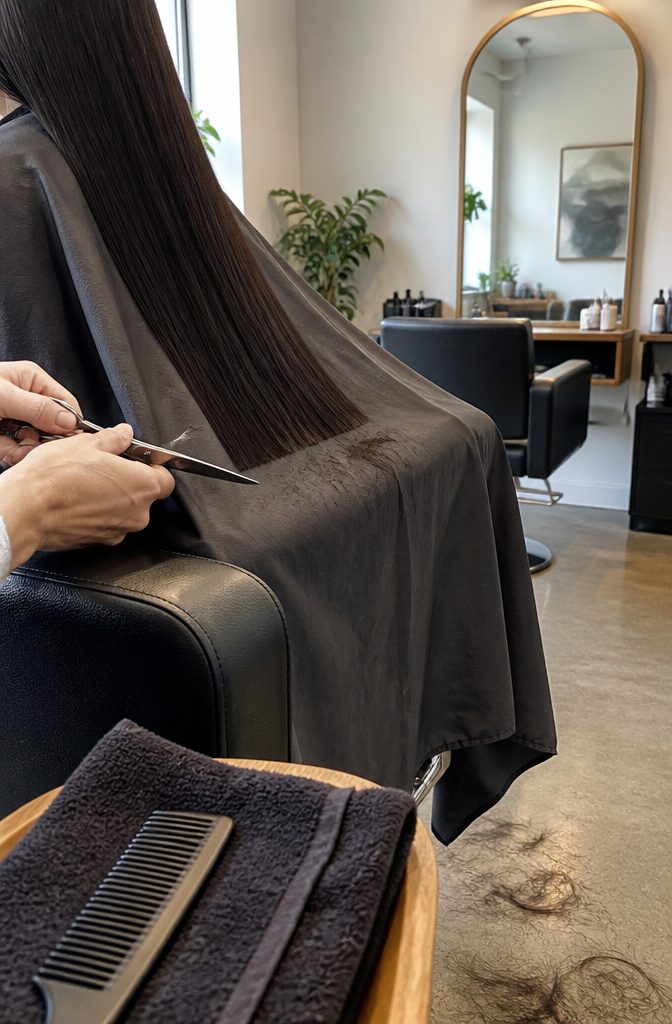
Trims don’t speed up growth at the scalp, but they keep the length you’re adding. Split ends travel up the shaft and turn into breakage, so cutting them off before that happens means you actually retain what’s growing.
The schedule depends on your hair’s condition: every 6–12 weeks if you’re taking off an eighth of an inch in a dusting, every 8–12 weeks for a standard quarter-inch trim.
I find the longer intervals work when my ends still look clean, but if I’ve been heat styling more or the tips feel rough when I run them between my fingers, I book sooner.
Take off just enough to remove damage without losing progress, adjusting based on what your hair’s been through lately.
7. Gentle Handling When Wet
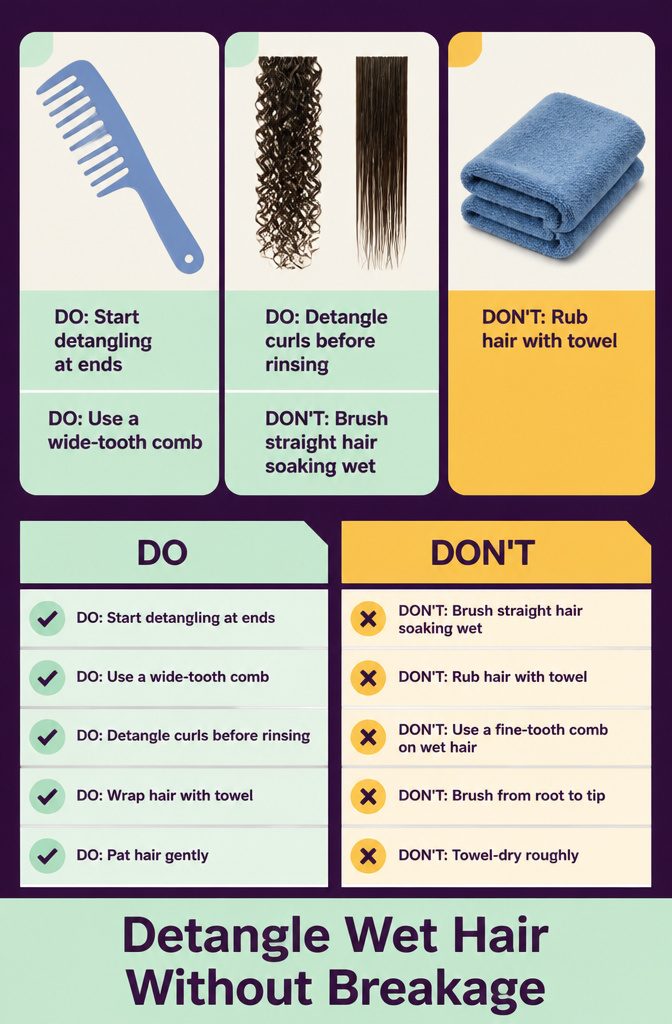
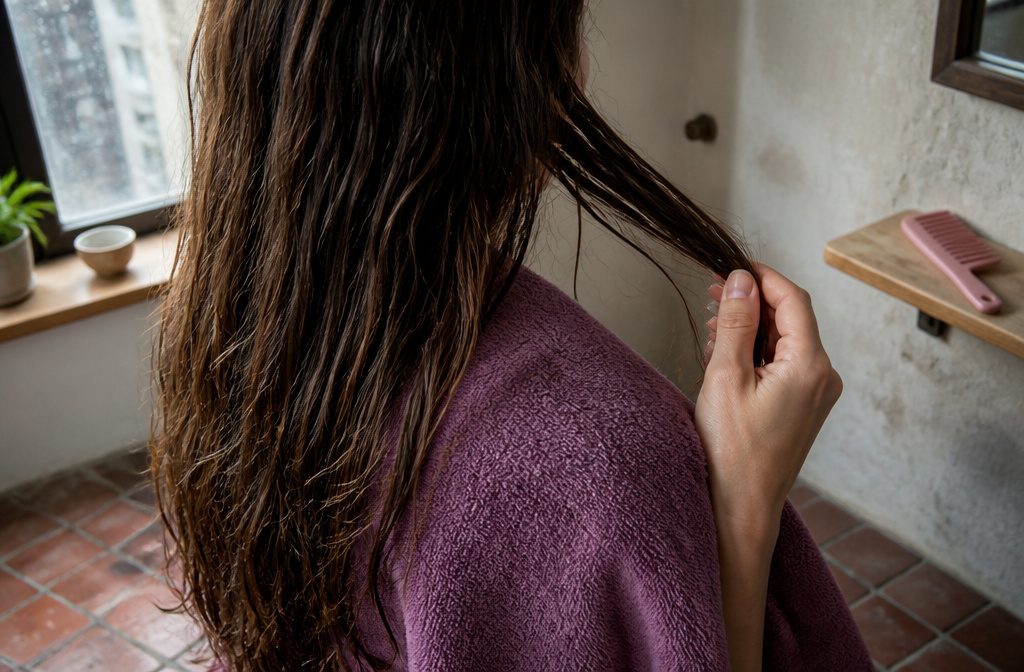
Wet hair stretches more easily than dry hair, which means the strands snap far more readily when you pull a brush through.
Start at the ends with a wide-tooth comb and work upward, detangling small sections rather than dragging from root to tip in one stroke.
If your hair is thick or curly, the best moment is in the shower before you rinse out conditioner; straight hair is better detangled after it has air-dried slightly.
Patting with a towel absorbs the moisture without roughing up the cuticle. Rubbing creates friction that lifts those shingle-like cells and leads to breakage you will not see until length starts snapping off weeks later.
A microfibre towel or an old t-shirt works even better than terry cloth if you have one. I wrap mine rather than scrubbing, and the difference in how much hair stays intact is noticeable every time I wash.
8. Match Products to Your Hair Type
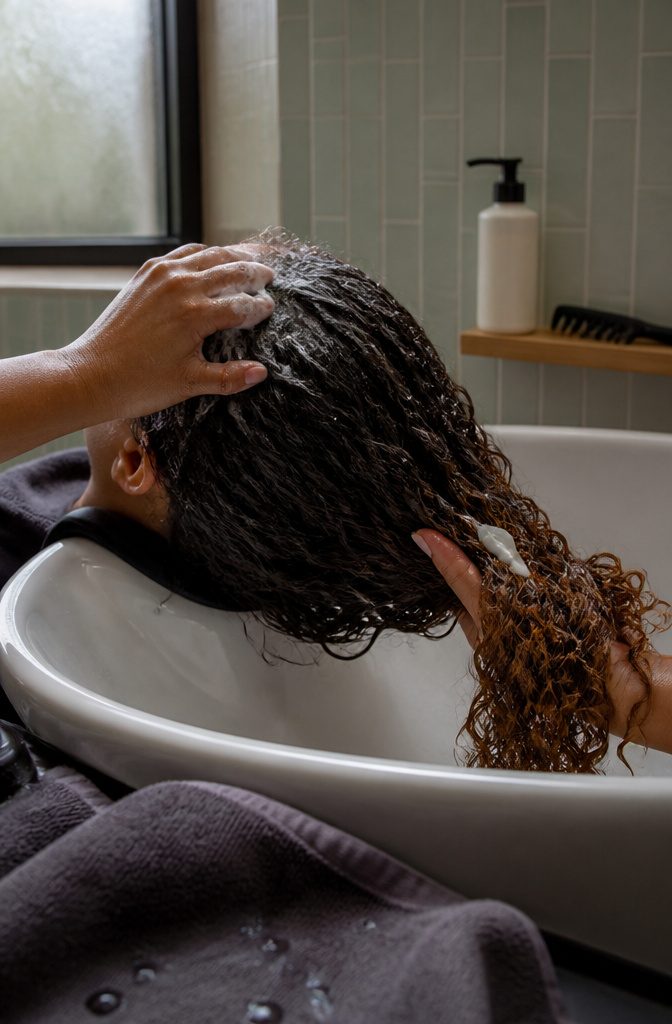
Match Products to Your Hair Type
Washing frequency depends on texture and oil production. Straight, oily hair may need daily shampooing, while dry, textured, curly, or thick hair should be shampooed at least once every 2–3 weeks.
Going longer between washes lets natural oils condition the shaft, but waiting too long can leave flakes or buildup that block follicles.
Shampoo choice matters as much as timing.
Formulas with ammonium lauryl sulfate or sodium lauryl sulfate strip moisture and irritate the scalp, slowing healthy growth. Look for sulfate-free, paraben-free products made for your hair type rather than assuming price signals quality.
Conditioner placement shifts by texture. Fine or straight hair gets conditioner on the ends only to avoid weighing down roots.
Dry or curly hair needs it along the full length to detangle and seal moisture. Apply shampoo to the scalp to lift oil and dead skin, not to the whole strand where it can dry out the mid-lengths.
9. Deep Conditioning and Moisture
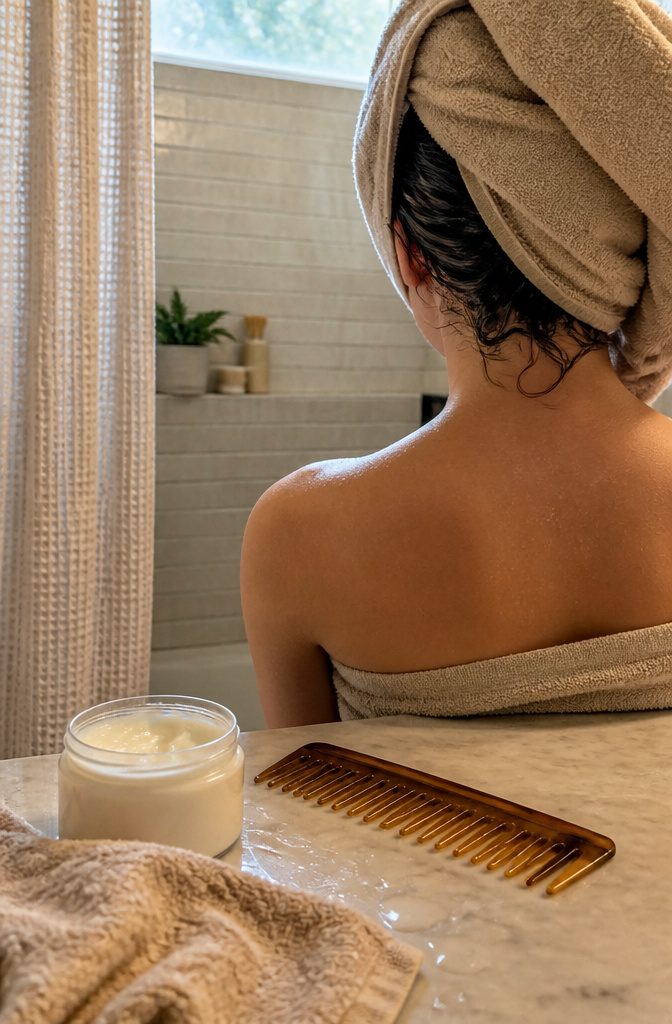
A weekly deep conditioning mask keeps hair supple enough to stretch instead of snap. The strands are less likely to break mid-shaft, which means the length you grew stays on your head.
Apply the mask to damp hair and wrap it in a warm towel for five minutes so the treatment actually penetrates rather than sitting on the surface. Once or twice a week is enough without weighing hair down.
Regular conditioner after shampooing does lighter work but still matters for softness and detangling. Comb it through so every section gets covered, leave it in for two to three minutes, then rinse.
Not everyone needs to condition every wash, especially if hair runs oily at the roots. Experiment until you find the schedule that keeps your hair smooth without looking greasy by midday.
10. Avoid Tight Hairstyles and Heavy Extensions
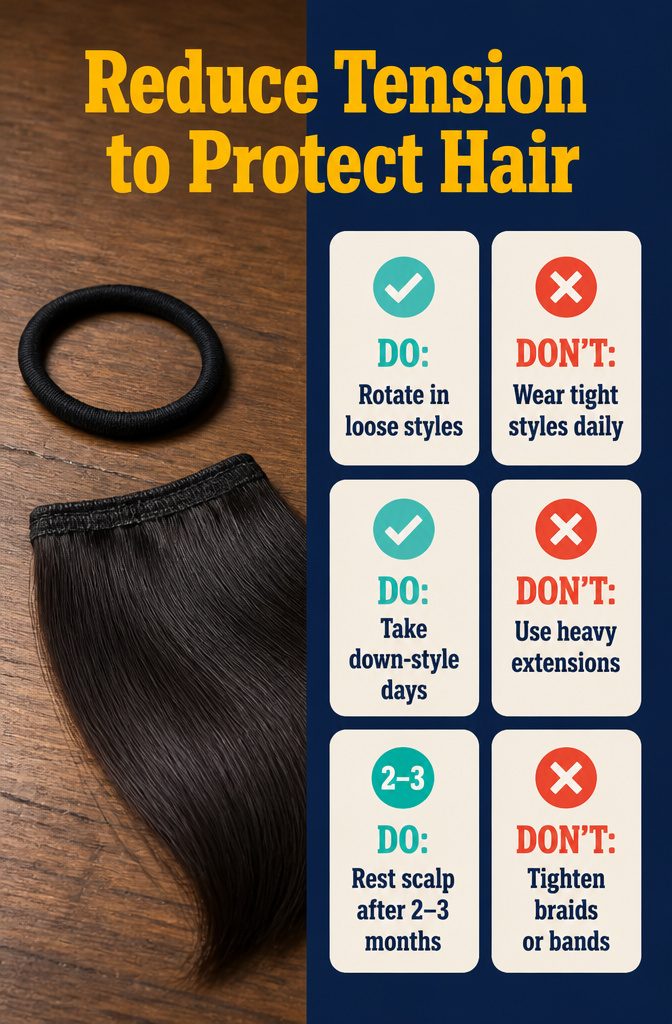
The slicked-back bun or the high ponytail might be your go-to when you’re in a hurry, but wearing them day after day creates constant tension at the root.
That tension damages the follicle itself, and over time you can develop traction alopecia, a form of hair loss that starts at the hairline and wherever the pull is strongest.
I’ve seen it most often at the temples and along the part, where braids or extensions anchor hardest.
If you wear extensions, the guidance is to limit them to two to three months at a time before giving your scalp a rest.
Heavy tracks or tightly sewn wefts multiply the problem, pulling on hair that’s already supporting its own weight. Rotating between loose styles, low ponytails and completely down days lets the follicles recover.
The hair itself can also snap partway down the shaft if a band or braid grips too tightly, so you lose length even if the root stays intact.
11. Manage Stress

High stress pushes hair follicles into a resting phase too early, skipping the active growth stage and triggering a wave of shedding called telogen effluvium.
The hair isn’t damaged, just paused. Once the stress resolves, growth typically resumes on its own within 4–6 months.
I find that managing stress pays off more indirectly than any product can.
Exercise, adequate sleep, and time outdoors all support the normal hair cycle by keeping cortisol from spiking and knocking follicles offline. Meditation and gentle movement like yoga help too.
None of them regrow hair faster, but they remove the barrier that was stalling growth in the first place. If you’ve noticed increased shedding alongside a stressful period, addressing the root cause matters more than adding another serum.
12. Protect Hair While You Sleep

Cotton pillowcases pull moisture from your hair and create friction that roughens the cuticle overnight, leading to tangles and breakage you notice most mornings when you reach for a brush.
Silk or satin pillowcases reduce that friction and let your hair glide instead of catch.
The difference adds up over hundreds of nights of sleep, and I consider it one of the lowest-effort changes worth making if you’re trying to keep length.
Silk wraps and sleep bonnets work the same way if you’d rather not replace pillowcases. Satin scrunchies instead of tight elastics help too, though that falls more into daytime handling.
The pillowcase swap is the one that happens while you’re asleep and requires no morning routine adjustment, which is why it sits at the top of my list for friction reduction.
13. Scalp Oils and Hair Serums
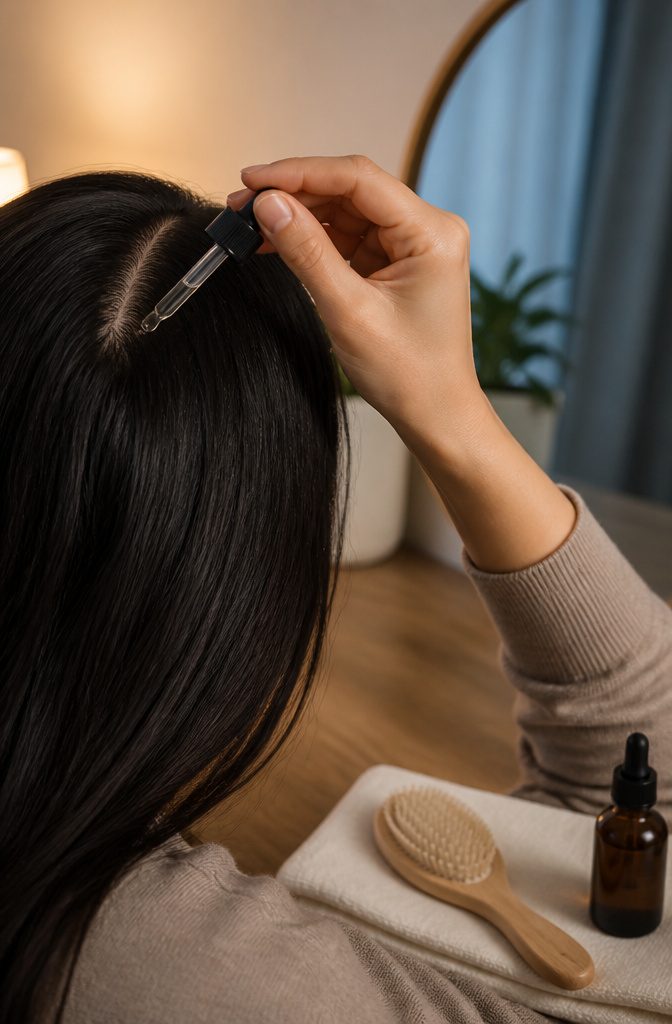
Minoxidil is the only topical with FDA approval for regrowing hair, sold over the counter as Rogaine.
If you’re dealing with visible thinning rather than full hair loss, scalp serums aimed at density often list Redensyl or Procapil as active ingredients.
John Frieda’s PROfiller+ serum cites a 34-subject clinical study showing 30% improvement in visible hair growth within four weeks and a 50% reduction in visible hair loss over twelve weeks.
Apply it before bed on damp or dry hair, concentrating on the areas you’re most worried about.
Product claims vary wildly, so I look for ones that cite actual clinical data rather than just testimonials. Consistency matters with any topical treatment.
You can’t try something for two weeks, decide it isn’t working, and move on. Most formulas ask for at least twelve weeks before results show, and stopping means losing whatever ground you gained.
14. Protect Hair from the Environment

UV exposure, wind and freezing temperatures all wear down the hair shaft, leaving it brittle and prone to snapping.
I’ve started wearing a hat in bright sun or cold and tying my hair back on windy days to avoid the kind of tangled, frayed ends that undo weeks of careful handling.
John Frieda recommends both moves, and they take no extra time once you make them routine.
Heat protectants that also block UV do double duty, shielding hair from both styling tools and summer sun in one step.
Products like IGK Good Behavior 4-in-1 Prep Spray or Pantene Miracle Rescue 10-in-1 Multi Tasking Leave-in Hair Treatment cover detangling, heat protection and UV defense at once.
For natural hair, Briogeo Farewell Frizz Blow Dry Perfection Heat Protectant Cream offers similar coverage without weighing curls down.
15. When to See a Doctor
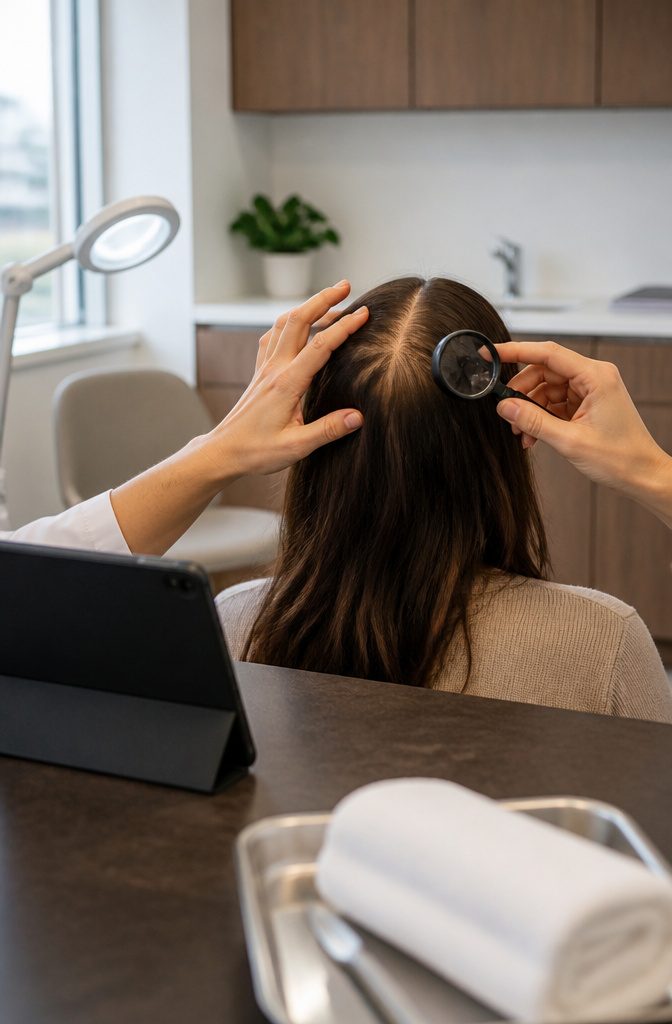
Shedding fifty to a hundred hairs a day is normal, but if the loss is sudden, patchy, or consistently heavier than that, a dermatologist or trichologist can pinpoint whether the trigger is hormonal, nutritional, autoimmune, or something else entirely.
Diagnosis comes first because the right treatment depends on the cause. Options include minoxidil, prescription medicines, microneedling, red-light devices, and PRP (platelet-rich plasma), which uses your own blood to stimulate cell regeneration in the follicle.
Some conditions, like telogen effluvium triggered by stress or surgery, improve on their own within four to six months once the stressor resolves. Others, like female pattern hair loss or alopecia areata, respond best to targeted medical treatment.
Why Length Retention Matters More Than Growth Rate
Your hair is almost certainly growing at a normal rate already.
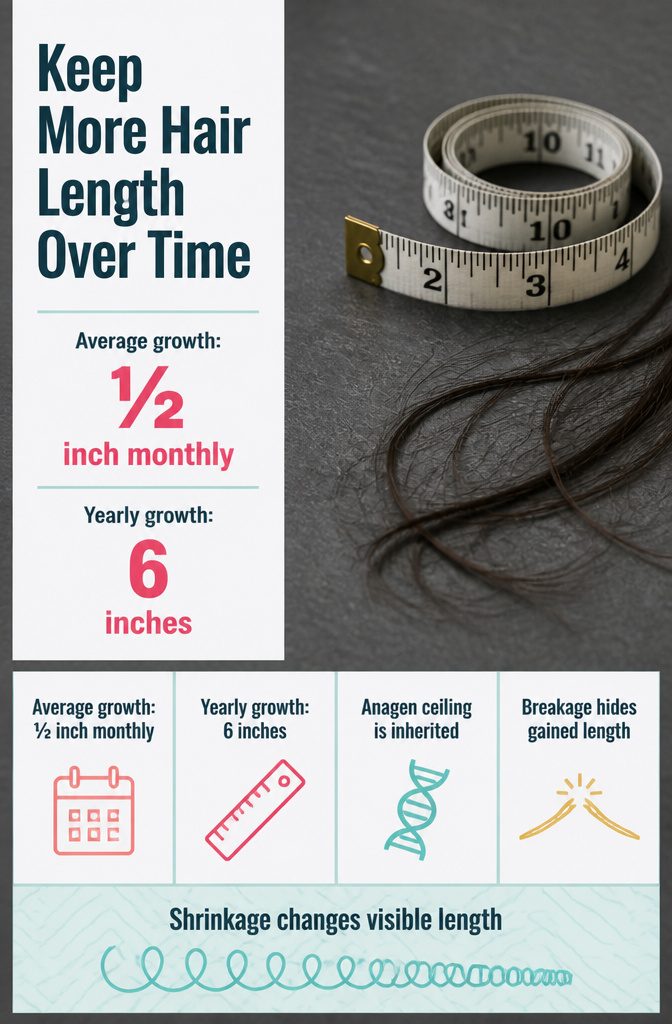
The average is half an inch each month, or six inches a year, and that figure stays fairly consistent across different hair types. What changes is how much of that growth you get to keep.
Curly and coily hair can look like it is growing more slowly because of shrinkage, but the real problem is usually the same one facing straighter textures: breakage is eating up the length before it shows.
Genetics set the upper limit.
The anagen phase, the portion of the hair cycle when a strand actively grows, is largely inherited. A longer anagen phase means longer potential length, but there is no home test to measure yours.
Within that ceiling, the tips in this list work on what you can control. Protect the length you are growing, and the scalp and strand health that allow it to stay intact.
Hair that survives the months it takes to reach your shoulders will get you further than chasing a faster rate that biology does not offer.
Hydration

Drinking enough water each day supports the follicle at the cellular level, keeping strands from drying out and breaking off before they reach any real length.
Davines suggests at least 3 liters daily, which sounds like a lot until you track it and realize how far short most of us fall.
Hair is dead once it leaves the scalp, but the follicle itself is very much alive and needs blood flow to deliver nutrients.
Chronic dehydration slows that delivery and shows up as brittle ends and increased shedding. I keep a liter bottle on my desk and refill it three times rather than guessing from small glasses.
It won’t speed growth past your genetic rate, but it does keep what you grow from snapping off halfway down your back.
Frequently Asked Questions
How does hair grow?
Hair cycles through four phases: anagen (active growth lasting 3 to 5 years), catagen (a 2 to 3 week transition), telogen (a 3-month resting phase), and exogen (when old hairs shed and new ones begin).
At any time, 85 to 90 percent of the hairs on your scalp are in anagen, actively growing at roughly half an inch per month.
How long does it take for hair to grow?
Hair grows about half an inch each month, or 6 inches per year on average. That rate is fairly consistent across different hair types, though the actual pace varies by person and can slow with age.
What determines hair length?
The length of your anagen phase sets the upper limit, and that’s mostly genetic.
What you can control is breakage: keeping the hair intact is what decides how long it gets, since damage cuts length faster than the scalp adds it.
What affects hair growth?
Genetics, age, hormones, nutrition, overall health, stress, medication, and the condition of your scalp and hair all influence growth. Hormonal changes, nutritional deficiencies, illness, significant stress, and certain medications can disrupt the hair cycle and lead to increased shedding.
How do you grow hair faster?
There’s no quick fix or way to speed up the rate your hair grows.
What works is a combination of good nutrition, gentle handling, managing stress, and reducing breakage so you keep the length your scalp is already adding at half an inch per month.
Do hair-boosting supplements work?
Supplements may help if you have a confirmed nutritional deficiency in iron, zinc, vitamin D, biotin, or protein.
If your diet is already balanced, loading up on supplements can backfire and has been linked to hair loss rather than growth, so talk to your doctor before starting anything.
Can hair grow 2 inches in a month?
No.
The average rate is half an inch per month, or 6 inches per year, and that figure stays fairly consistent. Hair that appears to grow faster is usually just retaining more length because breakage is minimal.
Can hair grow fast in 2 weeks?
No.
In 2 weeks your hair will add roughly a quarter of an inch at most, following the standard rate of half an inch per month. Any appearance of faster growth in a short window is usually improved retention, not actual acceleration.