Growing out bangs runs from a styling redirect you handle every morning, like a side sweep or a slicked ponytail, to a cut that rebuilds the whole shape around the new length.
How far along the grow-out you are, and how much you want the stylist to meet you there versus pinning and twisting through the awkward middle, is what narrows the list.
Curtain bangs and face-framing layers are cuts that work with the awkward in-between stage rather than waiting it out; side-swept bangs and the slicked-back ponytail need no cut at all, just product and a different direction.
1. Face-Framing Layers
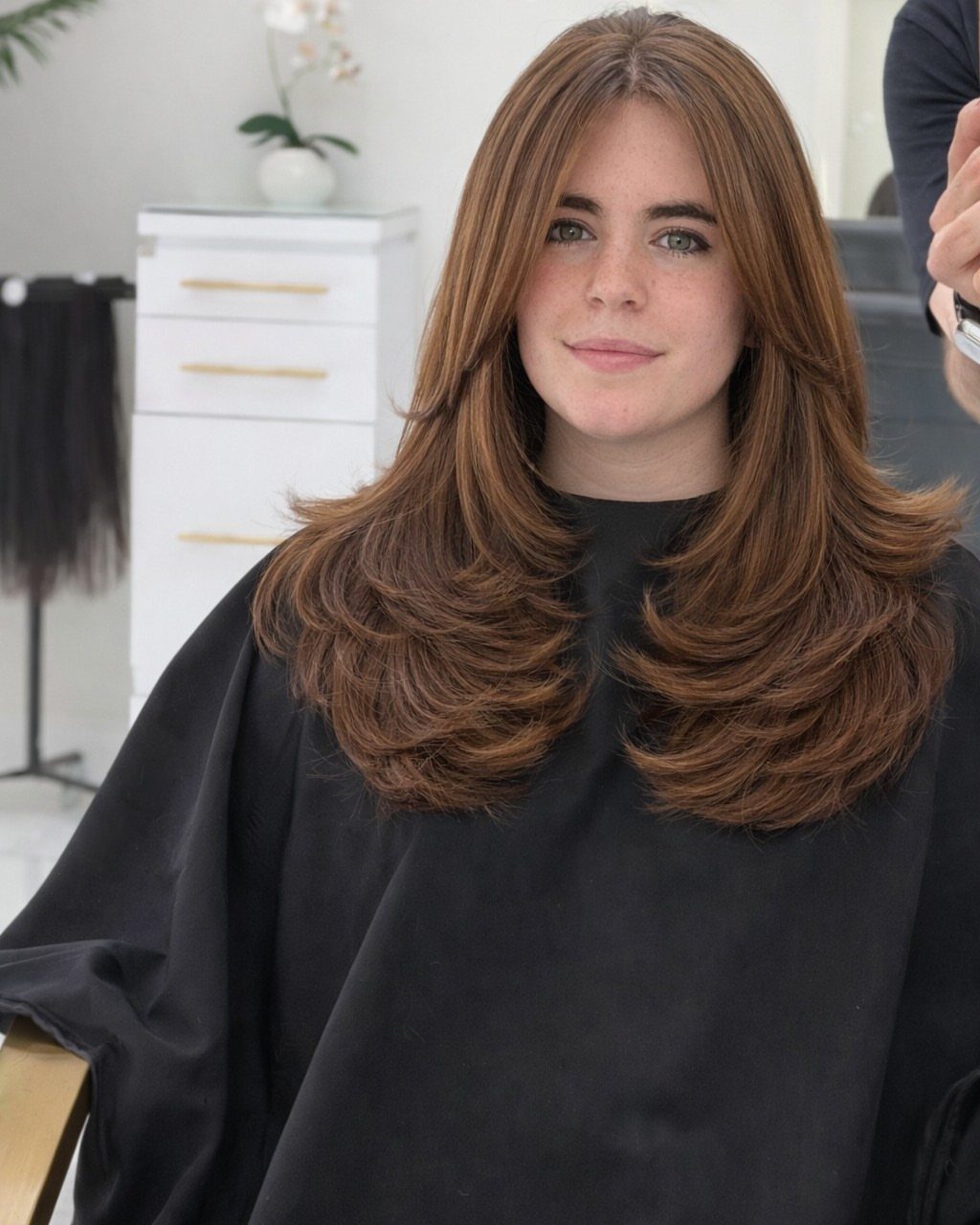
What sets it apart: Blend uneven bang lengths into layers around the face.
Let me write this. The idea is layers that frame the face, which helps blend growing-out bangs into the rest of the hair.
Draft: Layers cut to frame the face give uneven fringe somewhere to go. The shortest pieces blend into longer ones around the cheekbones and jaw, so the in-between length reads as intentional rather than half-grown.
Ask your stylist to start the first layer right where your bangs end now, then graduate down. This works on most lengths and textures, and it grows out cleanly because the layers were already doing the work of blending.
If you style at home, a round brush directed away from the face keeps those front pieces from falling back into your eyes.
Let me check: ~90 words. Good.
No banned words. No em dash.
Let me check for "I" – none starting sentences. Good.
Actually, let me recount and refine.
Good. ~85 words.
2. Grown-Out Shag
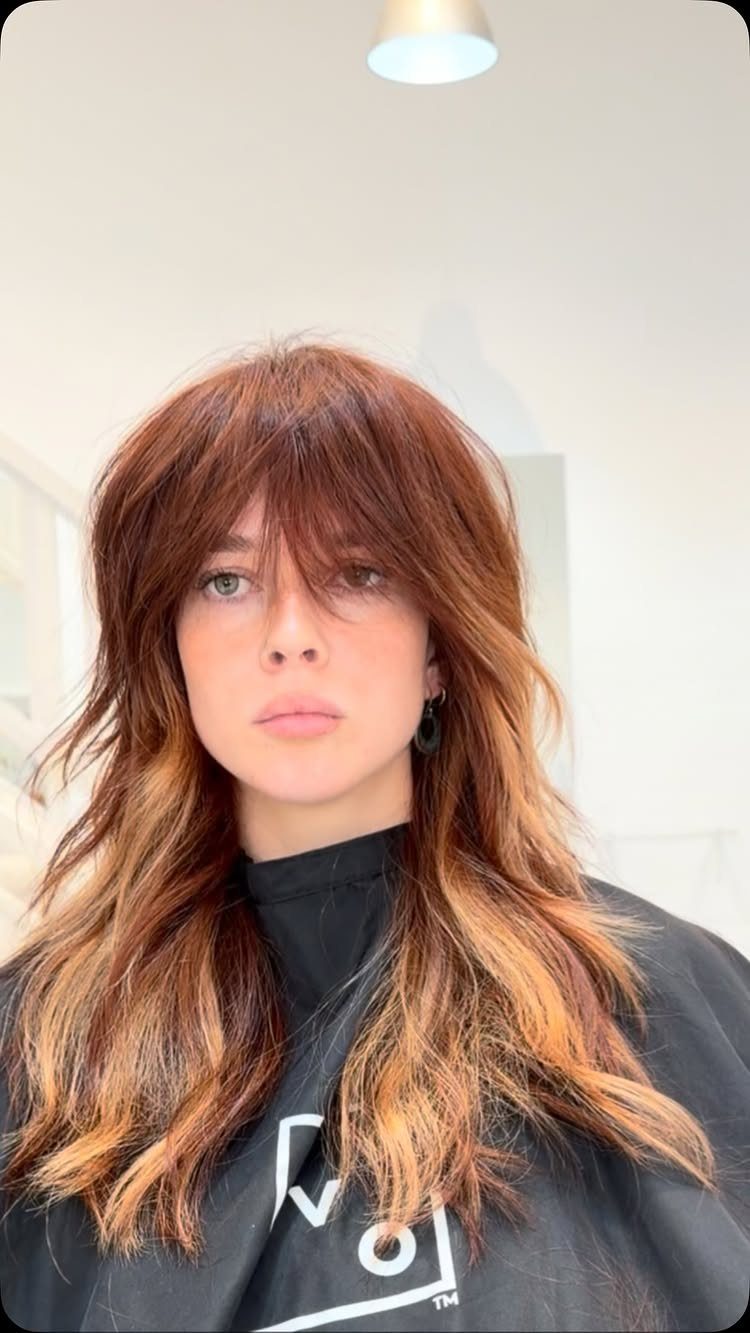
What sets it apart: Pair a shag haircut with bangs for a retro, layered look.
Draft: A shag turns awkward-length bangs into part of the whole point of the cut. The heavy layered fringe here sits right at brow level, and the face-framing pieces below it graduate into the shag’s longer layers.
Because a shag is built on layers of different lengths, the bangs don’t look like they’re waiting to grow out. They look like they belong.
Ask for face-framing layers that connect your fringe to the rest, and let the texture stay piece-y. On finer hair, texturizing spray at the roots gives the layers enough grip to hold their shape through the day.
~95 words. Good.
No em dash. Good.
Actually "piece-y" might be too informal but it’s a real hair term. Let me keep it.
3. Long Wispy Bangs
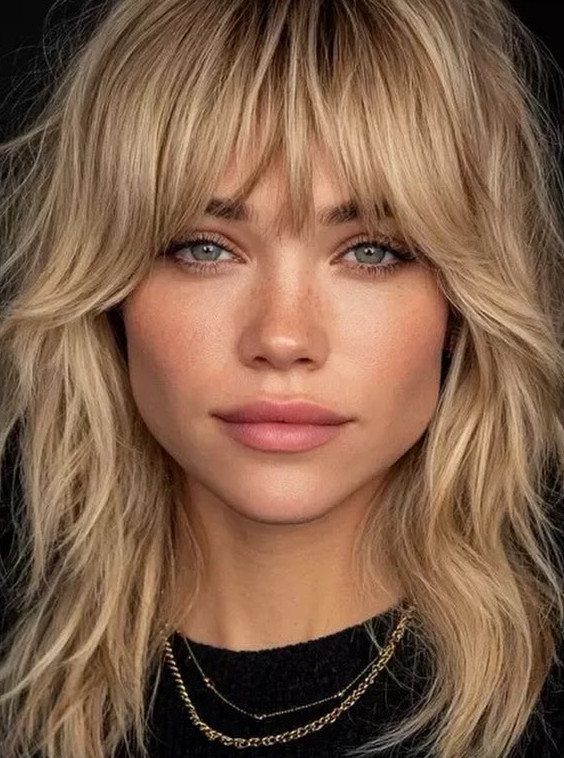
What sets it apart: Light, eyebrow-skimming or eyelash-length wispy bangs paired with layered hair.
Draft: Wispy bangs at this length are barely there, which is exactly what makes them manageable while you grow out.
The fringe here skims the brows and thins to almost nothing at the edges, so it reads as a soft detail rather than a block of hair you’re fighting.
On layered hair like this, the wispy pieces blend into the longer front sections without a hard line.
Thin fringe shows regrowth faster, because there is less density at the front to hide the new length. A flat iron on low heat smooths any pieces that curl at the ends.
~95 words. Good.
No em dash. Good.
4. Bob with Blended Bangs
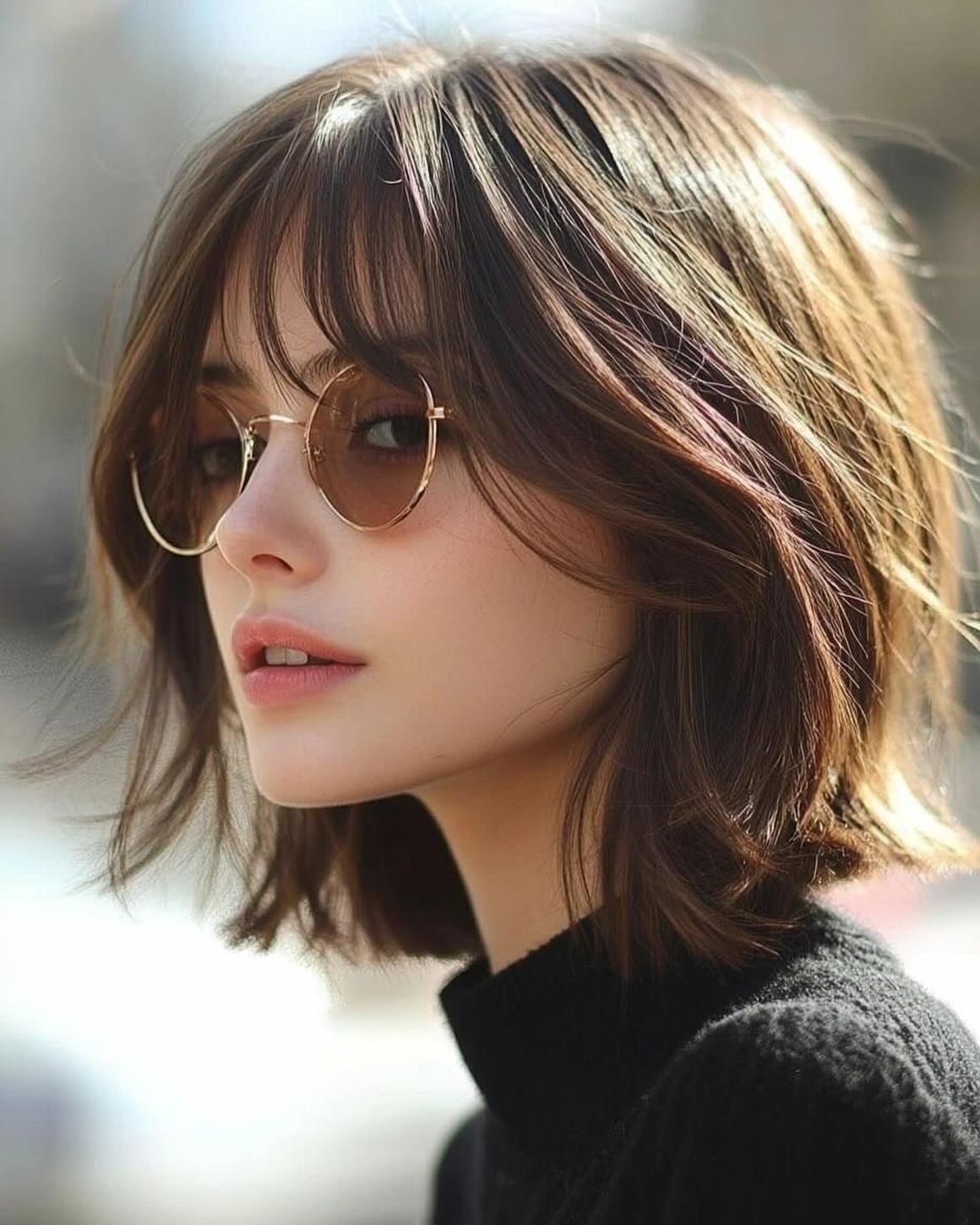
What sets it apart: A shoulder-length bob cut paired with long, blended fringe that integrates into the perimeter.
Draft: A bob gives you a clean perimeter, and blended bangs fold into it instead of sitting apart.
Here the fringe is long enough to reach past the brows and merges into the front of the bob, so there’s no obvious line where the bangs stop and the cut begins.
If you’re growing out bangs and considering going shorter, this is the cut that turns the problem into a feature.
The fringe needs to be point-cut rather than blunt, or the front reads heavy. On a shoulder-length bob like this, the perimeter needs regular trims to stay sharp.
"6 to 8" – digits, good.
No em dash. Good.
Let me check – "point-cut" is a real hair term. Good.
I used en dash… no, I used "to". Actually the instruction says "Numbers are written in digits" and en dashes are fine for ranges.
Actually, let me reconsider.
5. Slicked-Back Ponytail
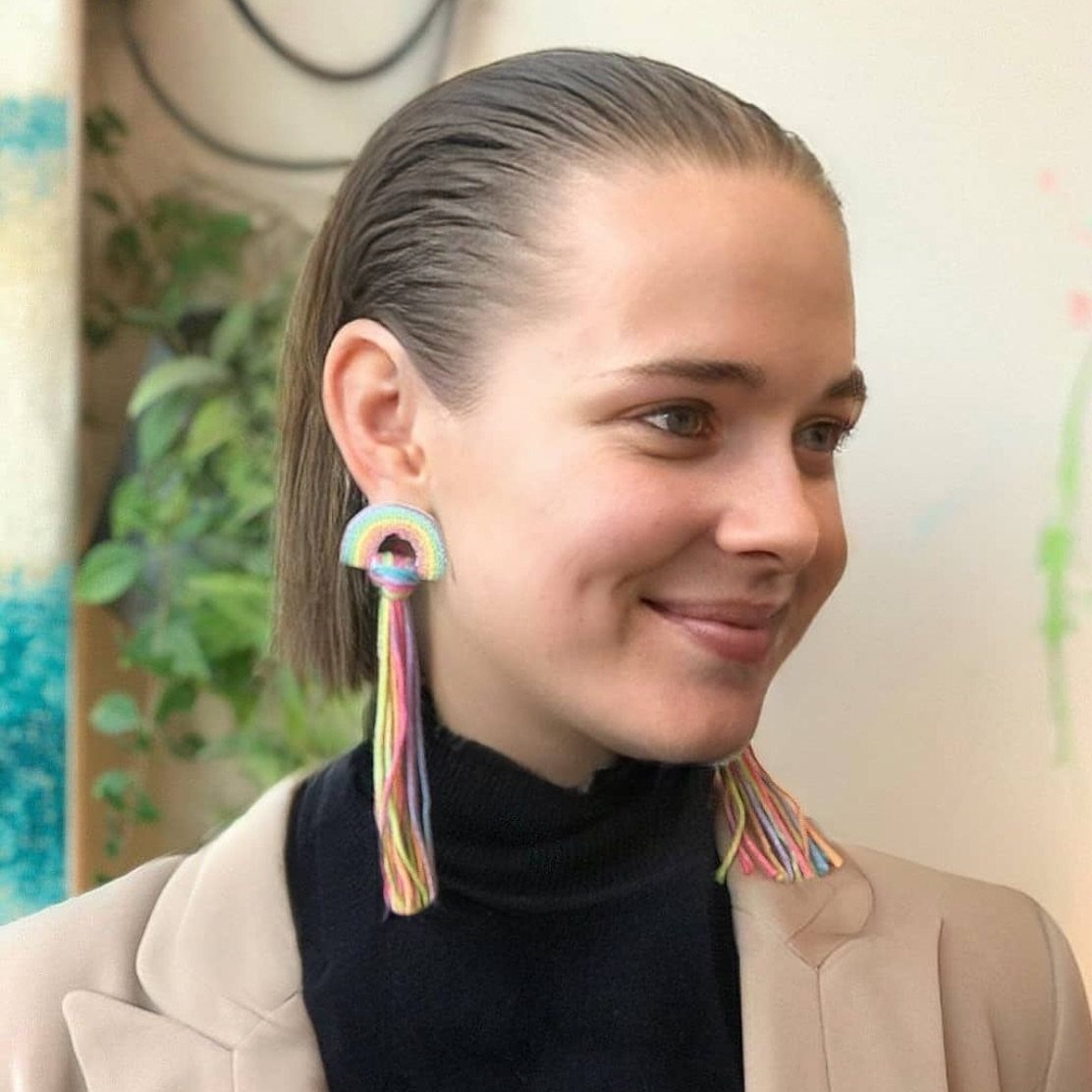
What sets it apart: Comb bangs straight back with product, often into a ponytail or bun.
Draft: This is the option that needs no cut at all. Product does the work: a gel or pomade combed through the front holds the bangs flat against the head, and the ponytail or bun anchors everything in place.
The slicked-back look here sits tight to the scalp with no lift, which reads polished rather than like you’re hiding something.
On the days you don’t want to wash your hair, this is the move that buys you time and keeps the fringe fully out of your face.
A strong-hold gel is the one product that won’t let go halfway through the day.
~95 words. Good.
No em dash. Good.
6. Side-Swept Bangs
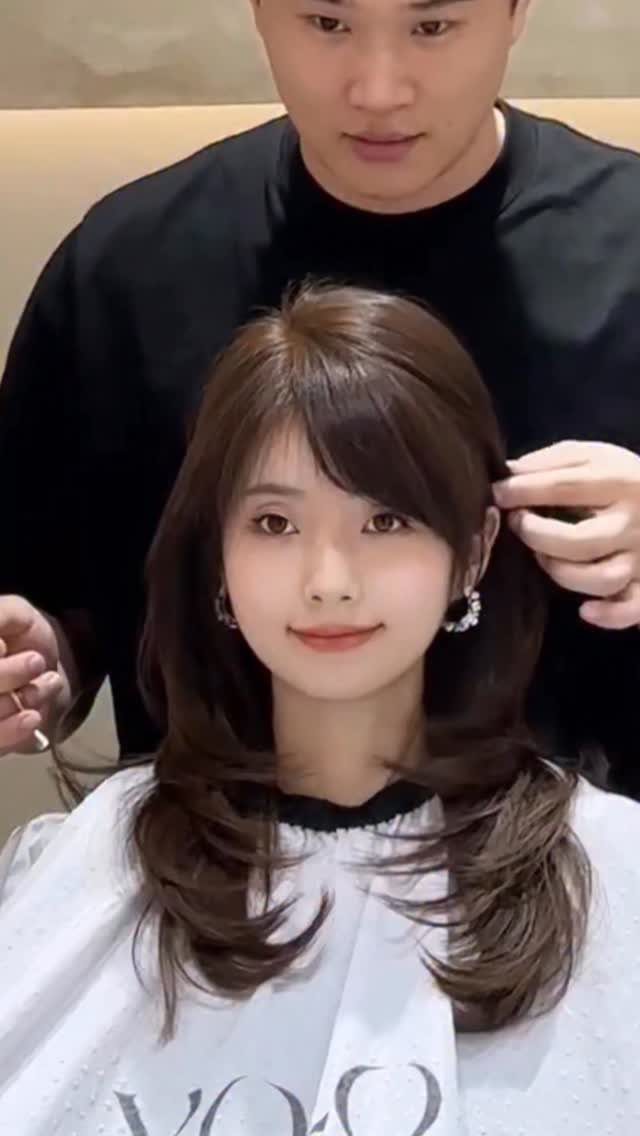
Sweeping grown-out fringe to one side is the simplest redirect: the length that used to fall in your eyes now angles toward the temple and blends into the rest of the hair.
Part the front section on whichever side gives you more bang to work with, then comb it flat across the forehead with a brush rather than your fingers.
A small amount of pomade or a light-hold wax keeps fine hair from floating back to center. Bobby pins tucked behind the ear hold the sweep in place on days with no time to style.
7. Curtain Bangs
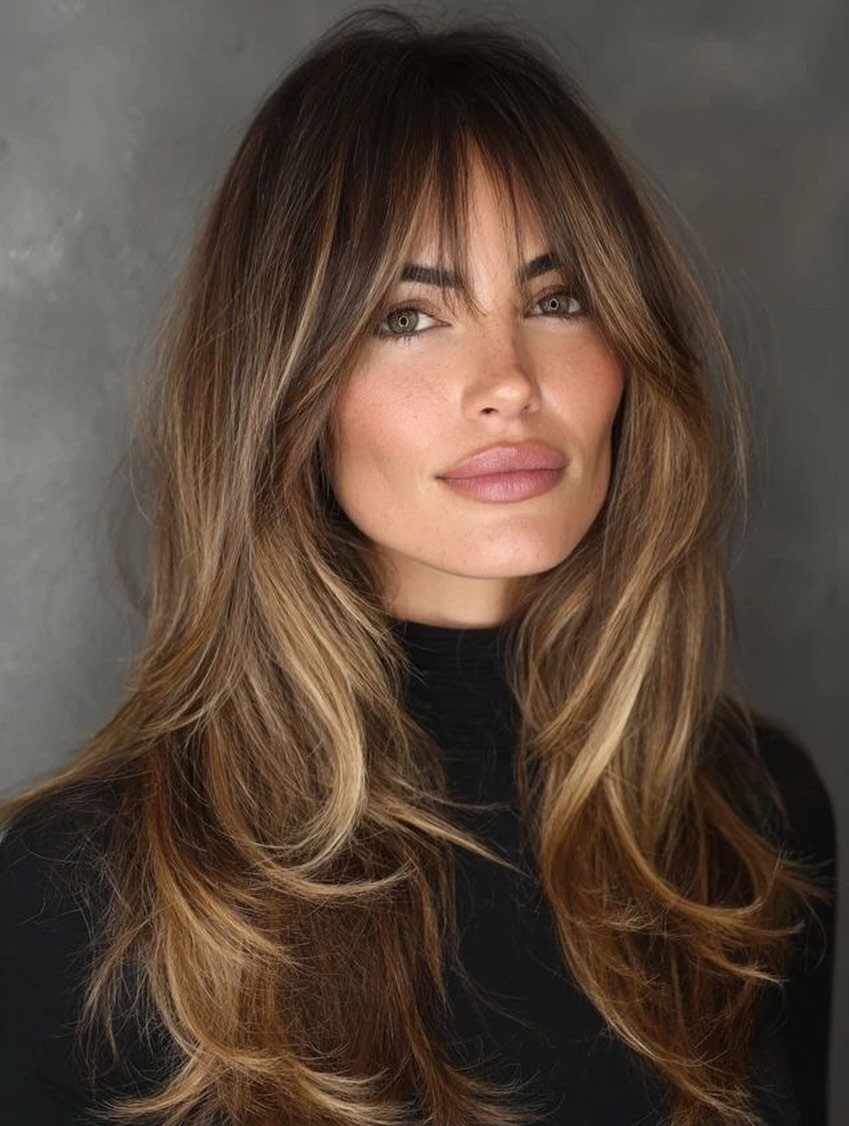
Curtain bangs part at the center and sweep outward, framing both sides of the face at once instead of sitting as a solid block across the forehead.
The length here is long enough to tuck behind an ear on one side, which gives you an out on the days they won’t cooperate.
A round brush and low heat, rolling each side away from the center, keeps the sweep in the right direction. Parting is everything with this style: a hard center part reads precise; a softer, slightly off-center one reads more relaxed.
8. Half-Up Twist
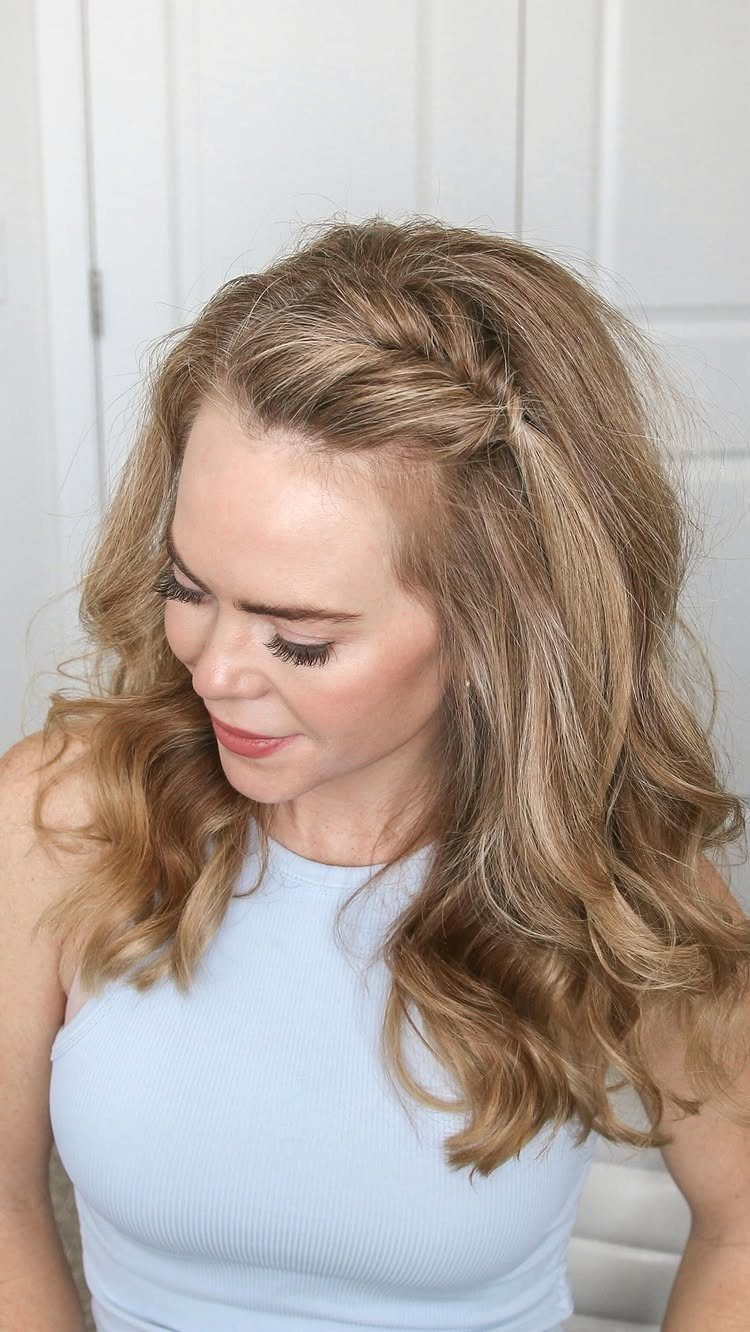
Front sections twisted backward and pinned give bangs something to do at every awkward length between chin and brow.
Gather the hair on either side of the part, twist each section once or twice toward the back, and secure them together at the crown with a clip or pins.
The rest stays loose, which balances the polish of the twist.
On wavy or textured hair like this, a little tension in the twist holds better than a loose gather. A quick style that works at any point in the grow-out.
Trims and Growing-out Timing
Regular trims feel like the wrong move when you’re trying to add length, but skipping them lets the ends break off faster than the roots grow in.
Every 6 weeks is the schedule most stylists recommend for keeping bangs healthy while they blend into the rest of your hair.
Short bangs take longer than longer ones, and the starting length is the biggest factor in how many months you’re actually looking at.
There’s no fixed finish line, just a process that goes more smoothly when the hair stays in good condition throughout.
If you think getting bangs is a commitment, just wait until you decide to grow them out.
Hair Health and Growth
A deep-conditioning mask once a week keeps the hair shaft strong enough to hold length instead of snapping at the ends. Any moisture-focused formula works; the frequency matters more than the product.
Biotin, a water-soluble B vitamin, has evidence behind it for supporting hair growth in people with a diagnosed deficiency.
A standard supplement dose is safe for most people, and it’s one of the more straightforward additions if the rest of your routine is already in order.
Frequently Asked Questions
How do you grow out bangs?
Regular trims are the most reliable thing you can do: a small amount off the ends every 6 weeks keeps the hair healthy and prevents breakage that would otherwise slow the whole process.
While the length catches up, style the fringe away from your face with a side sweep, curtain-bang part, or a half-up twist.
Curtain bangs are worth considering if you’re open to a style shift, because they look intentional at every stage and gradually become face-framing pieces on their own.
What is the best bang length?
For growing out, bangs that fall past the brow are the most forgiving cut: less density at the front means less regrowth to hide, and the pieces blend into the surrounding hair without a hard line.
Wispy fringe at brow or eyelash length works in a similar way: the thinned-out edges disappear into layers without a hard line. Short, blunt bangs take the most time and styling work to grow through.
Are bangs out of style in 2026?
Curtain bangs, wispy fringe, and shag cuts with layered fringe are all current for 2026, so fringe is not going anywhere.
Bangs cycle in and out of prominence but never fully leave, and the face-framing versions popular at the moment grow out more gracefully than the blunt, straight-across cuts that defined earlier trends.