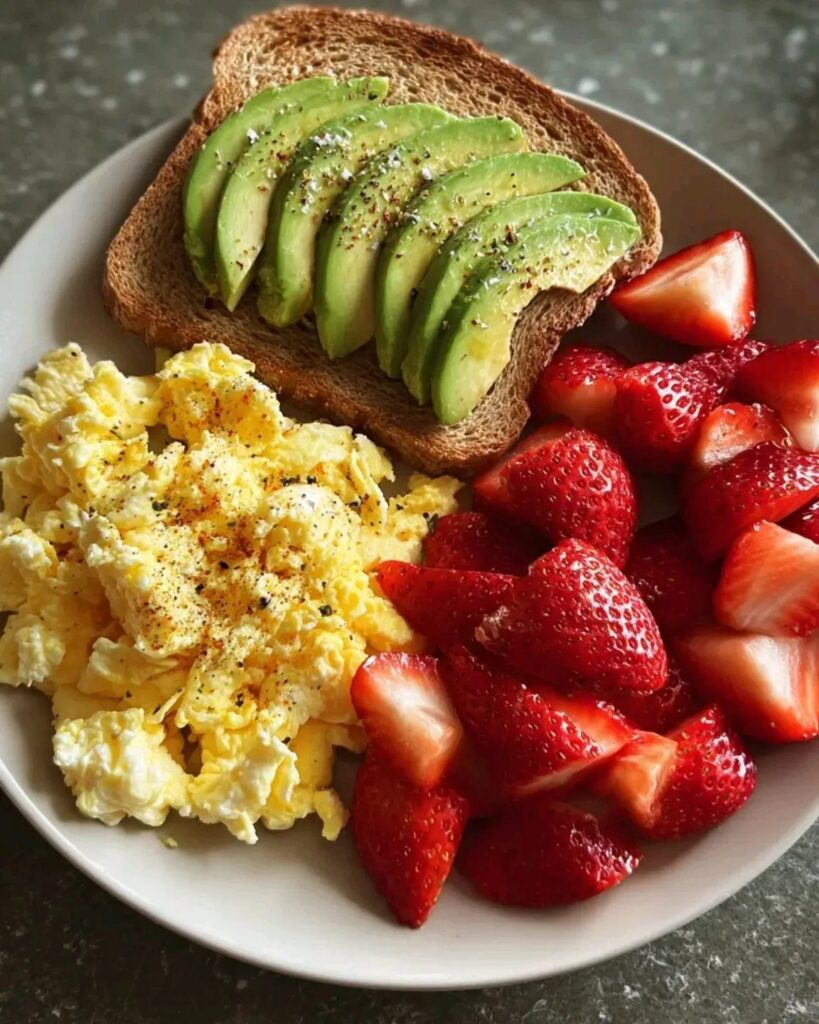
Half an avocado delivers enough monounsaturated fat and vitamin E to protect one strand from breaking, and grilled chicken breast gives follicles the protein they need to build keratin.
1. Avocados
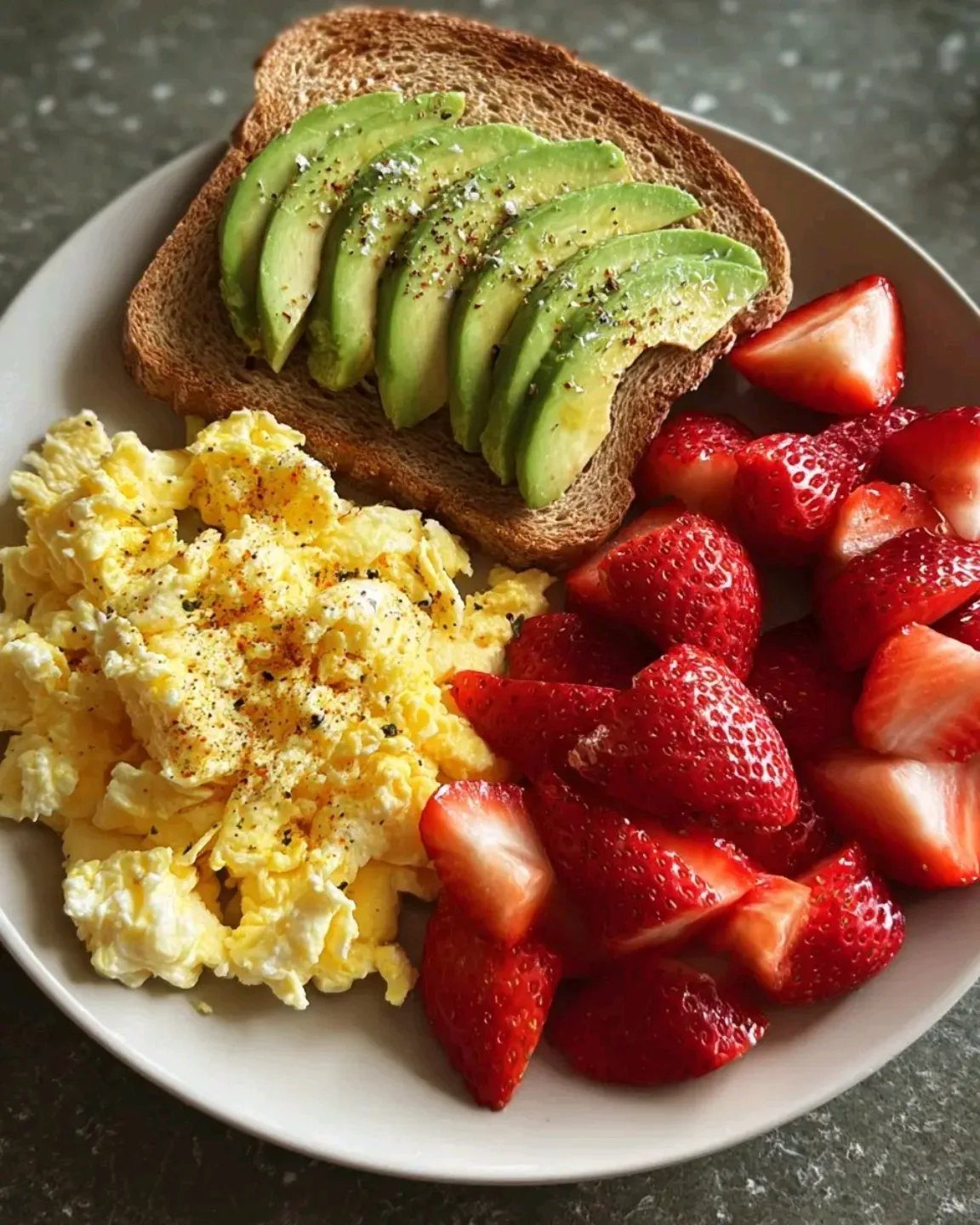
Half an avocado gives you monounsaturated fats that keep each strand moisturized from the inside, plus vitamin E to protect against breakage.
Mash it onto whole grain toast with a scrambled egg for protein, or slice it over a salad when you want the texture without the carbs.
The soft fats absorb better when eaten with a meal rather than on their own, so pair it with whatever protein you’re already making.
2. Chicken
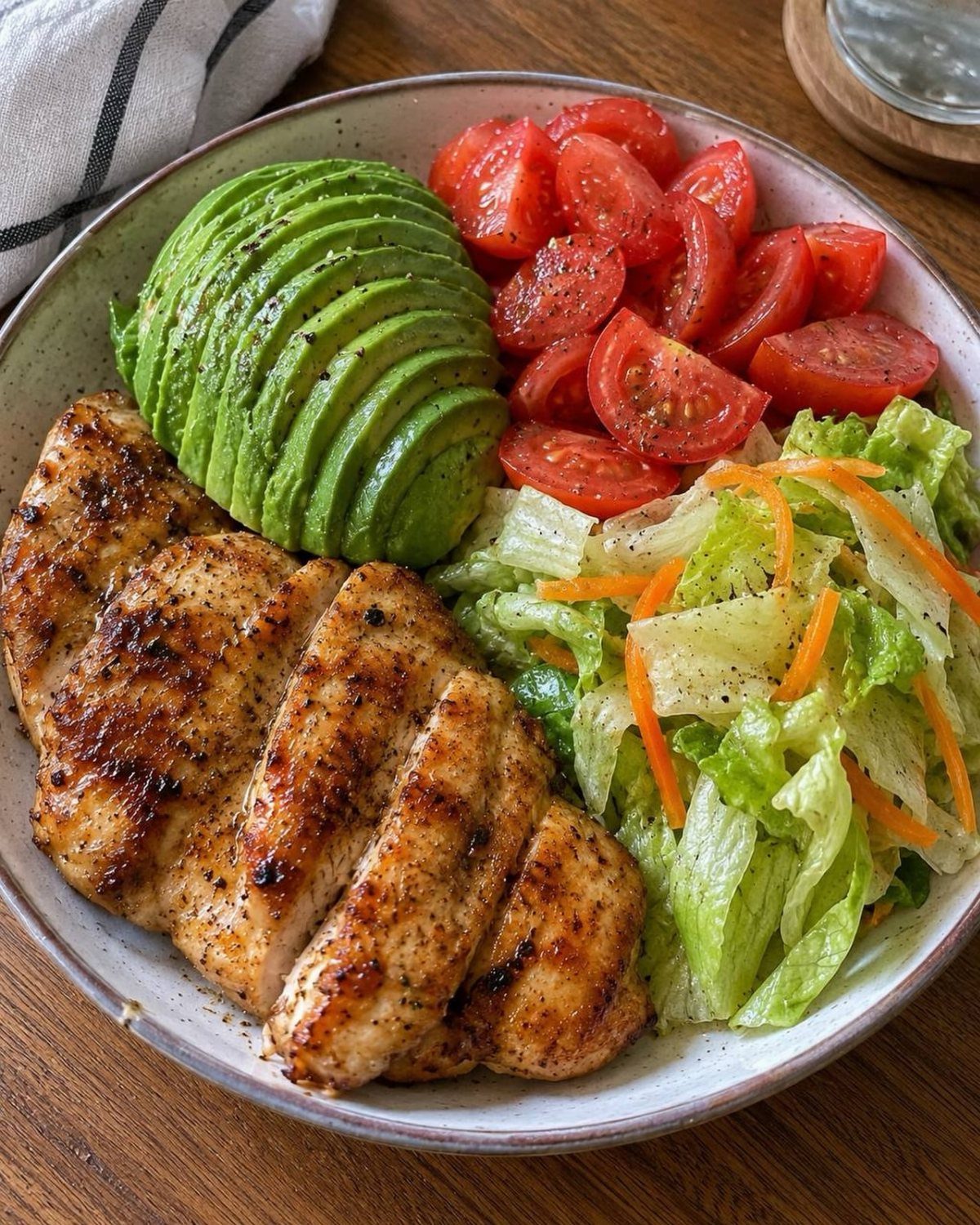
Grilled or baked chicken breast delivers the protein hair follicles rely on to build keratin.
Slice it over mixed greens with avocado and cherry tomatoes, or keep a few cooked breasts in the fridge to add to grain bowls and wraps through the week.
Chicken is lean enough to eat several times without overdoing saturated fat, and it takes on whatever seasoning you use, so it never gets boring.
3. Quinoa Veggie Salad
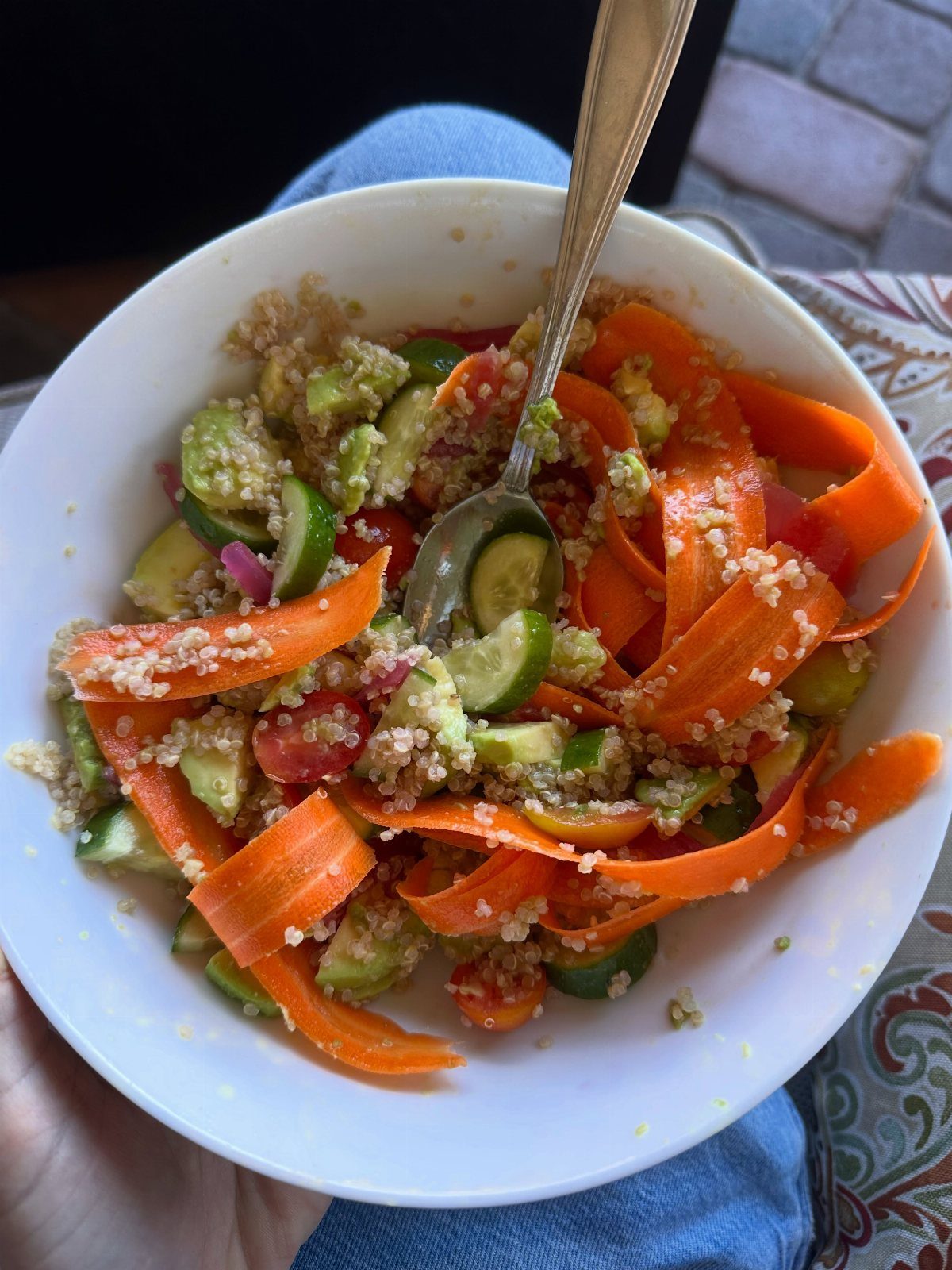
Cooked quinoa adds complete protein and iron, 2 things hair needs when it’s thinning or growing back in.
Toss it with carrot ribbons, sliced cucumber, halved cherry tomatoes, and thinly sliced red onion, then dress with olive oil and lemon juice.
The bowl is dense enough to hold up in the fridge, so you can make one batch and eat it through the week. Add sunflower seeds or pumpkin seeds for extra zinc if shedding is an issue.
4. Smoked Salmon and Egg Toast
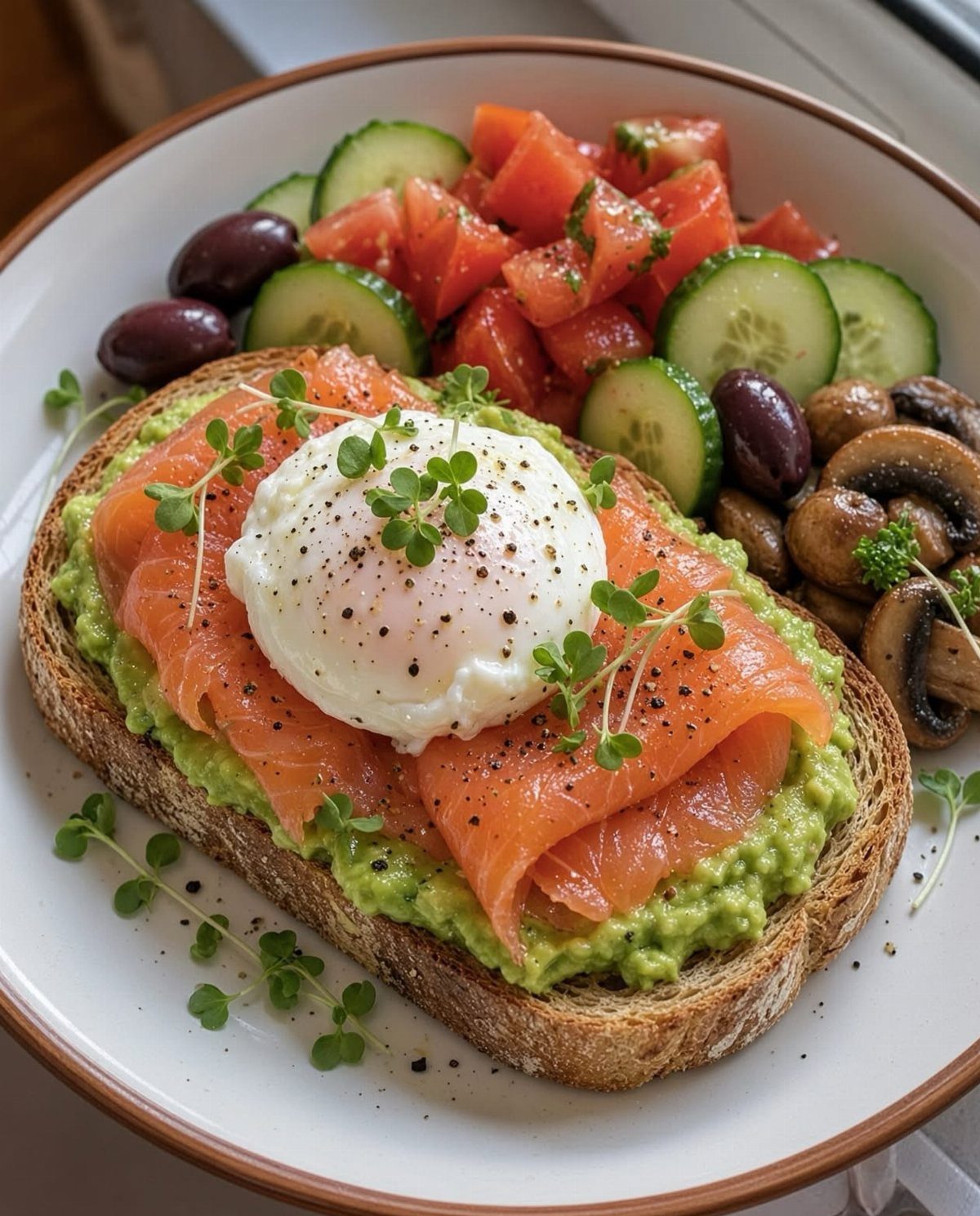
Whole grain toast gives you B vitamins, mashed avocado adds healthy fats, smoked salmon brings in omega-3s, and a poached egg delivers biotin and protein.
The combination covers most of what hair needs to grow strong without breaking halfway down the strand. Serve it with sliced cucumber, tomatoes, olives, and mushrooms on the side for extra hydration and minerals.
The toast holds you through the morning better than cereal or pastry, and you can prep the vegetables the night before to save time.
5. Grilled Fish with Sweet Potato
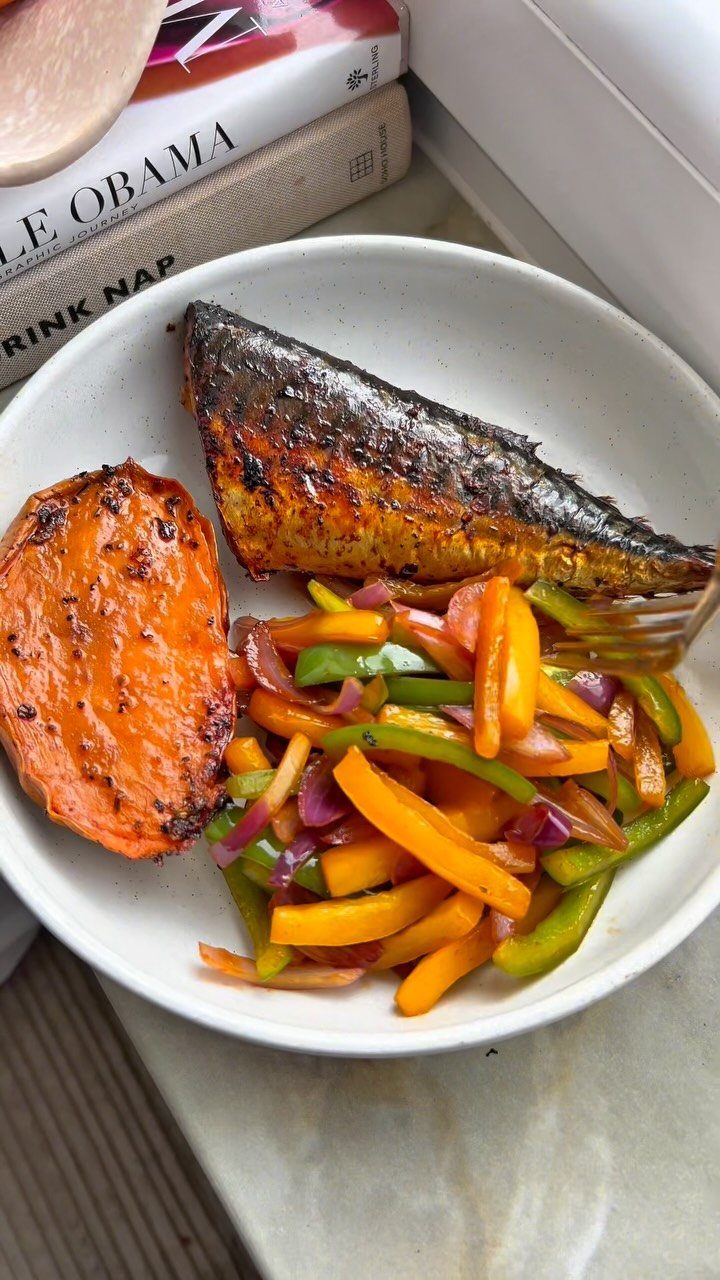
Grilled white fish like cod or halibut gives you lean protein and selenium, a mineral that supports scalp health.
Roast a thick slice of sweet potato alongside it for beta-carotene, which converts to vitamin A and keeps hair from drying out, then sauté bell peppers in olive oil for vitamin C. Salmon works too, but the omega-3 content is higher and some people find it too rich for a weeknight.
6. Lentil and Chickpea Vegetable Soup
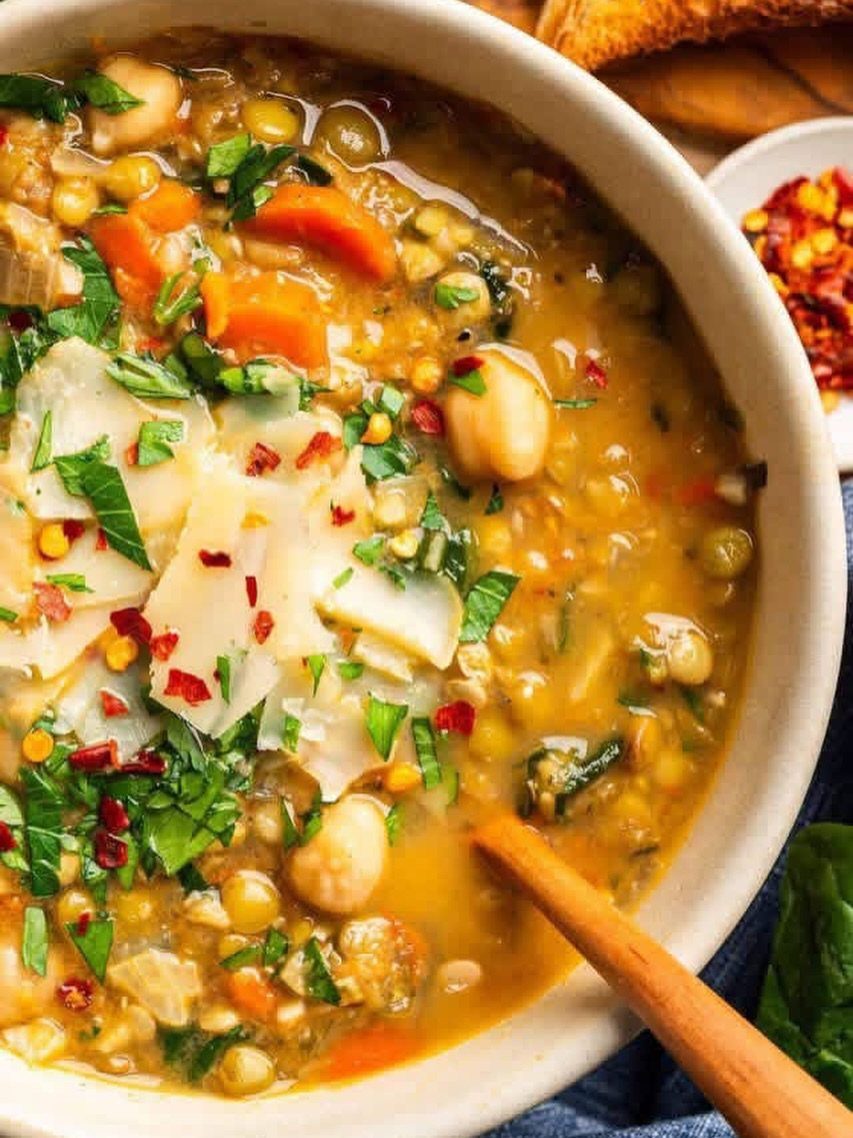
A pot of lentils and chickpeas simmered with diced carrots and chopped greens gives you plant-based protein, iron, and folate in one bowl.
Top it with grated parmesan for extra protein and serve with a slice of crusty bread if you need more calories.
The soup freezes well in single portions, so double the batch and reheat it on nights when cooking feels like too much.
Lentils can cause bloating if you’re not used to them, so start with a smaller portion and add more as your digestion adjusts.
7. Spiralized Carrot and Ribbon Salad
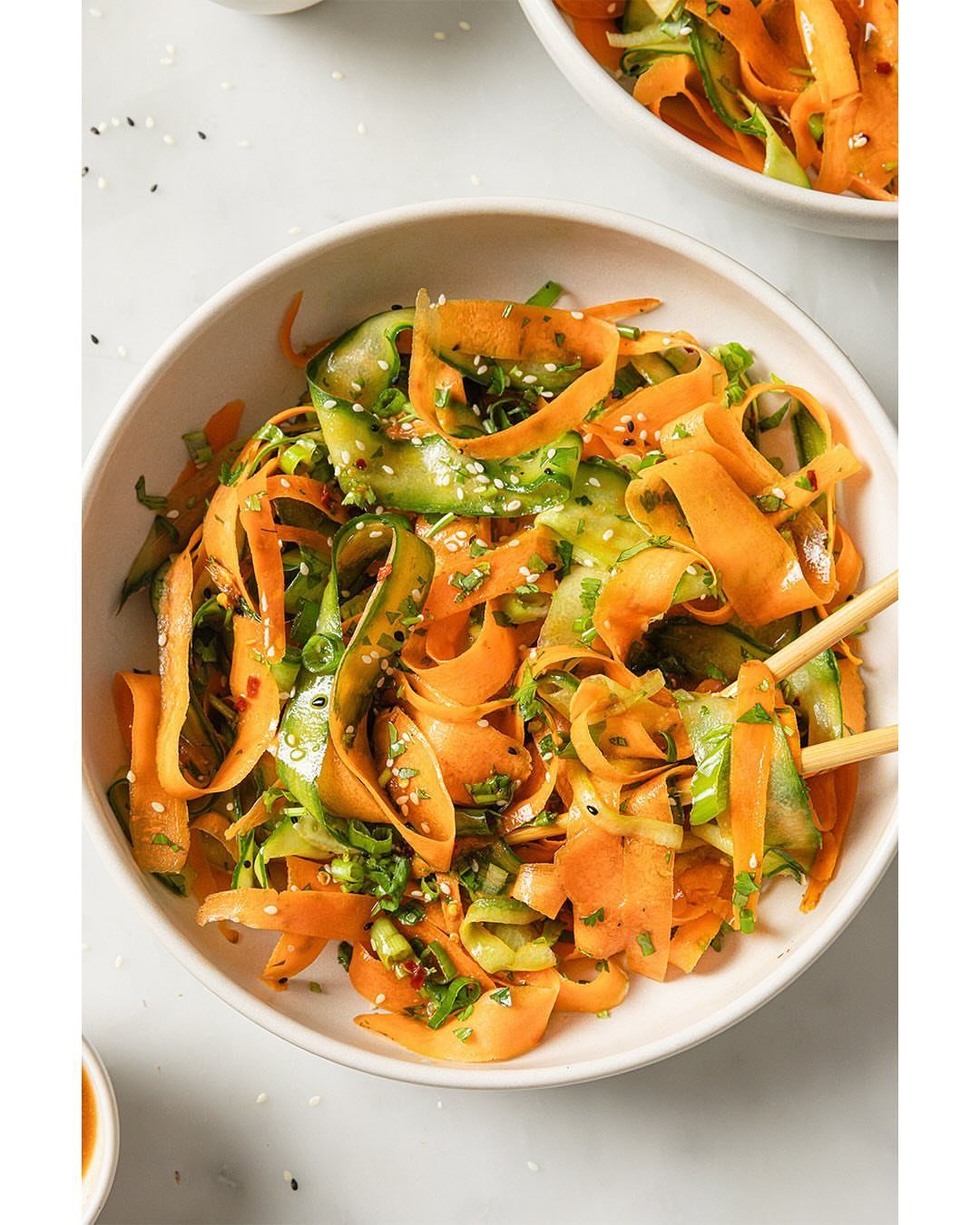
Spiralized carrots and cucumber ribbons tossed with sesame seeds make a light salad that gives you beta-carotene and silica, both of which support scalp circulation and strand strength.
Use a spiralizer or a vegetable peeler to shave the ribbons thin, then dress with rice vinegar, a drizzle of sesame oil, and a pinch of salt.
The crunch holds up for a few hours in the fridge, so you can pack it for lunch without it wilting. Add sliced red cabbage or radish if you want more color and vitamin C.
8. Mediterranean Chicken Quinoa Bowl
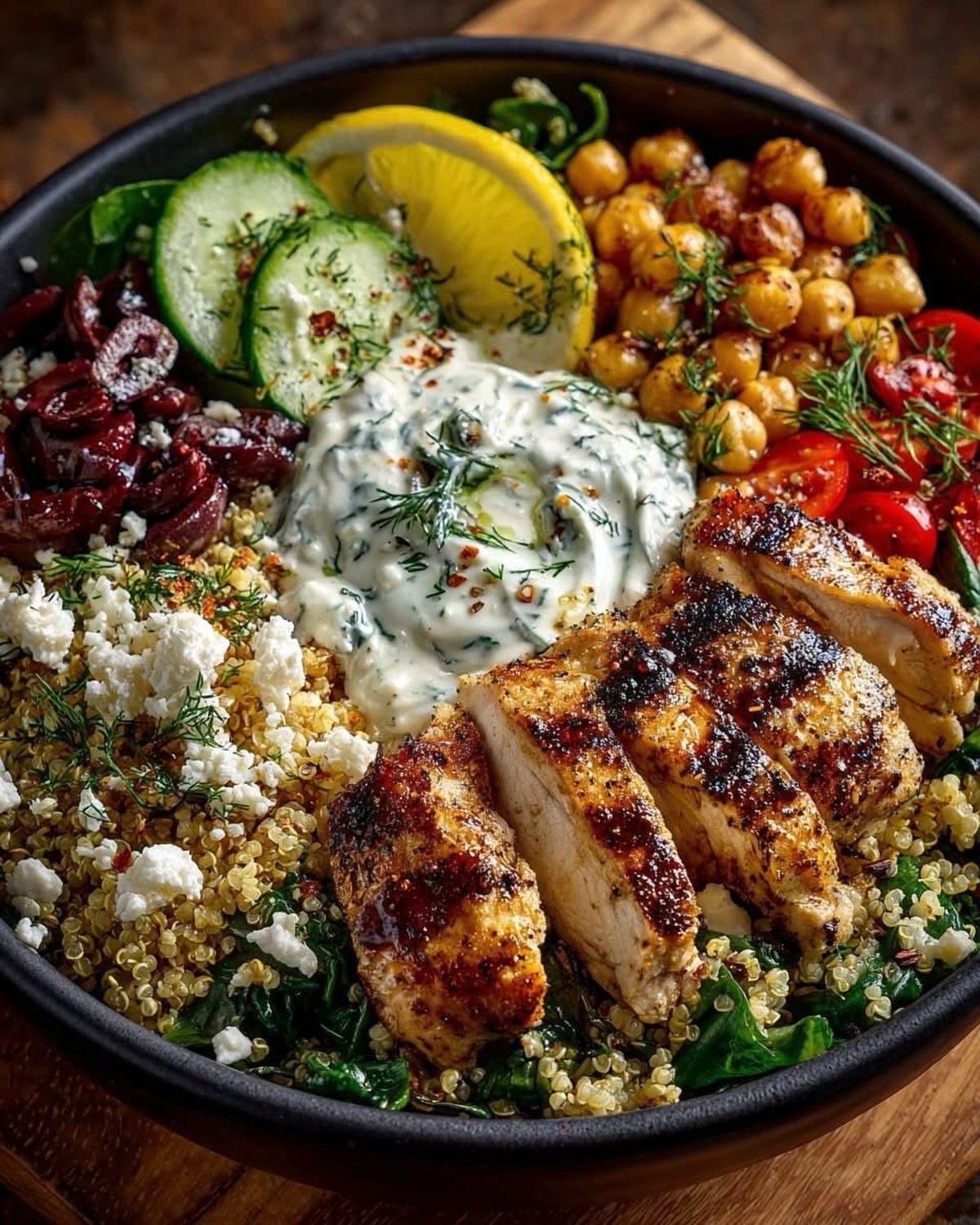
Grilled chicken over quinoa with chickpeas, feta, olives, cucumber, and tzatziki covers protein, iron, zinc, and healthy fats in one bowl.
The chickpeas add extra plant-based protein and folate, and the feta brings in calcium without needing dairy in large amounts.
Drizzle olive oil over the top and squeeze fresh lemon for vitamin C, which helps your body absorb the iron from the quinoa and chickpeas.
Make a double batch of the grain and protein at the start of the week, then assemble each bowl fresh with the vegetables and cheese.
Hair Loss and Professional Care
If you notice sudden or dramatic shedding, see your primary care provider before trying any diet fix.
Hair loss can signal thyroid imbalance, hormonal shifts after childbirth, or side effects from medication, and those need proper diagnosis. Flat-iron damage is different: heat physically breaks the strand, and no vitamin will reverse that kind of mechanical wear.
Female pattern hair loss affects 40% of women by age 50, and while nutrition won’t reverse genetics, it does give follicles the raw materials they need to grow strands that reach full length without snapping partway down.
Stress-related shedding can improve once the trigger ends, but regrowth takes months. The protein, iron, and omega-3s in those meals support regrowth as new strands come in.
Frequently Asked Questions
How to reduce hair fall for women diet?
Eat protein at every meal to give follicles the keratin building blocks they need, add iron-rich foods like lentils and spinach to prevent deficiency-related shedding, and include fatty fish or avocado for omega-3s that reduce scalp inflammation.
Forty percent of women see pattern hair loss by 50, and though you can’t override genes, feeding follicles the right building blocks cuts breakage and helps hair reach its full genetic length.
What foods prevent hair loss?
No single food prevents hair loss, but eggs, leafy greens, fatty fish, avocados, lentils, and sweet potatoes give you the protein, iron, omega-3s, and beta-carotene that support healthier strands and faster regrowth.
If shedding is sudden or severe, see your doctor first: thyroid imbalance, hormonal shifts, or medication side effects need diagnosis before any diet change will help.
What not to eat for healthy hair?
Cut back on fried food, refined sugar and heavily processed snacks: inflammation from those throws off the growth cycle. Excessive alcohol dehydrates the scalp and affects strand quality, and diet soda offers no hydration benefit.
What to drink for thicker hair?
Water is the foundation, since hydration supports scalp circulation and strand strength. Green tea brings antioxidants, a blender full of spinach and berries puts vitamins in reach before breakfast, and nettle or horsetail tea has been used for follicle support.
How to thicken hair naturally?
Build plates around leafy greens, chicken or salmon, and iron and zinc sources such as lentils and pumpkin seeds.
Add healthy fats from avocado or olive oil to keep strands moisturized from the inside, and avoid refined sugars and fried foods that trigger inflammation.
Any healthy snack ideas?
Pumpkin seeds give you zinc, Greek yogurt with berries adds protein and antioxidants, and almonds or sunflower seeds deliver vitamin E for scalp protection.
Carrots with hummus or a spinach and kale smoothie work when you want something lighter, and salmon jerky brings in omega-3s if you need portable protein.
What should I drink on this meal plan?
Water first, then green tea for scalp antioxidants or a morning smoothie blending spinach and berries when you want vitamins without cooking.
Bone broth provides amino acids and collagen, and herbal teas like nettle or horsetail add minerals that benefit follicles.
How to get even more nutrients?
Protein at every meal gives strands their structure, omega-3s from salmon or chia nourish the follicle, and colorful produce brings vitamins that guard against oxidative stress. Biotin-rich foods like eggs, almonds, and avocados strengthen hair and reduce breakage.