An itchy scalp usually clears up in a few weeks with the right shampoo, oil treatment or rinse, and most of those cost under $15.
The problem is knowing which one to use, because the fix for dandruff won’t touch psoriasis and product buildup needs a clarifying shampoo, not moisture.
If the cause is a fungal overgrowth like seborrheic dermatitis, you’ll need ketoconazole or pyrithione zinc twice a week, not daily washing.
1. Wash Your Scalp Regularly to Remove Buildup
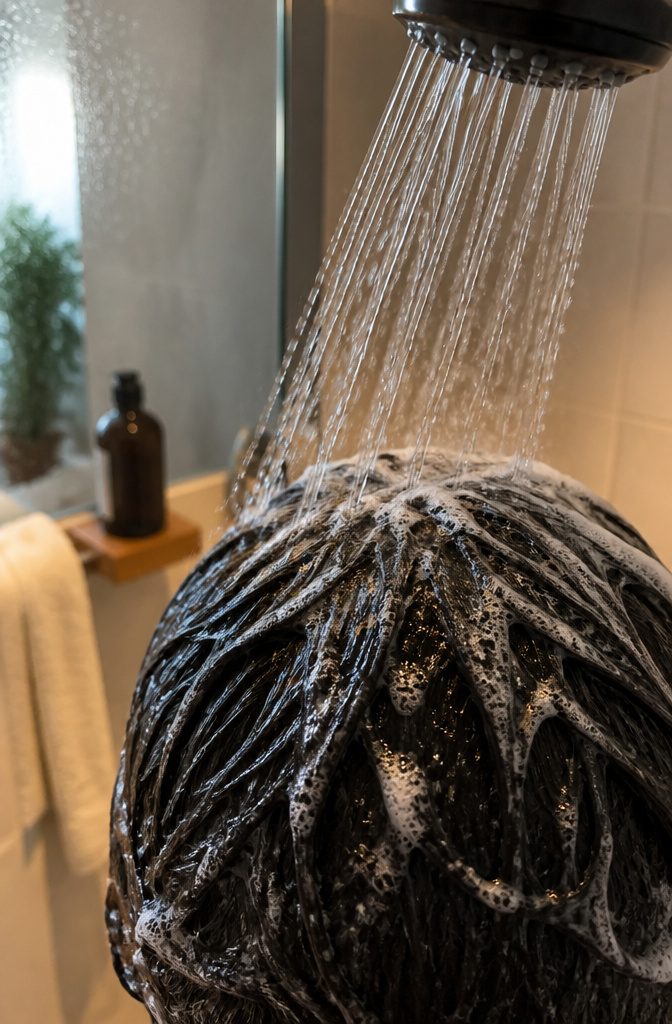
The simplest fix is often the first one you should try.
Oil, sweat, dirt, and styling products all settle on the scalp, and if they sit there long enough, they start to irritate. Regular washing clears that buildup before it becomes a problem.
How often you need to wash depends on what your scalp does naturally.
If you have seborrheic dermatitis, waiting a week between washes can make things worse rather than better. The yeast that drives that condition thrives in oil and sebum, so giving it days to accumulate is feeding the problem.
The truth is there are many scalp conditions that fare better with more frequent washing, like seborrheic dermatitis, where the culprit is a yeast thriving in oil and sebum on the scalp.
— NBC News
If your scalp gets itchier the longer you go between washes, that is your cue to shampoo more often.
On the other hand, washing too frequently can strip natural oils and dry things out, which is why some people find relief washing just 2–3 times weekly. Pay attention to how your scalp responds and adjust from there.
2. Switch to a Medicated Shampoo for Dandruff or Dermatitis
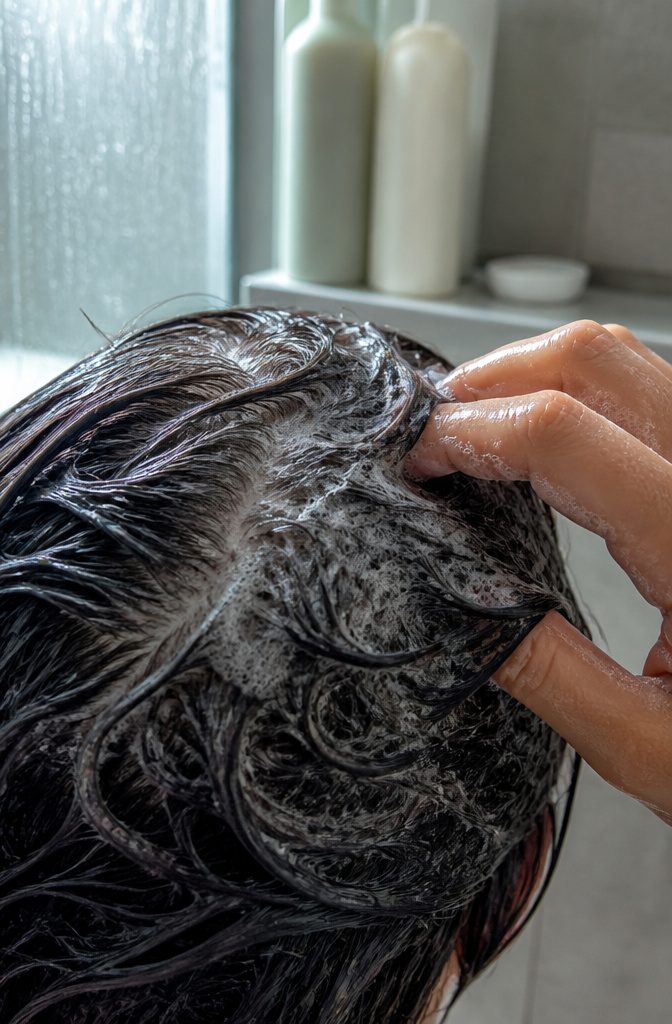
When regular shampoo leaves your scalp still itching and flaking after a few weeks, the problem is usually fungal overgrowth or a chronic inflammatory condition like seborrheic dermatitis or psoriasis.
That calls for active ingredients that target the underlying cause, not just cleansing.
Ketoconazole shuts down fungal growth and is sold over the counter in Nizoral A-D, used twice weekly in place of your regular shampoo and left on the scalp for five to ten minutes before rinsing.
Pyrithione zinc tackles both yeast and flaking with less wait time.
For psoriasis, coal tar shampoos like DHS Tar reduce inflammation and lift the scaly patches that drive the itch, though they smell strongly and need to sit for five minutes.
Salicylic acid at 3% softens and lifts stubborn scales, making it useful for thicker buildup from eczema or seborrheic dermatitis.
Neutrogena T/Sal delivers that concentration without a prescription. Sulfur and selenium sulfide round out the roster but suit specific cases, so start with ketoconazole or zinc if the cause is unclear.
3. Try Apple Cider Vinegar as a Pre-Wash Rinse
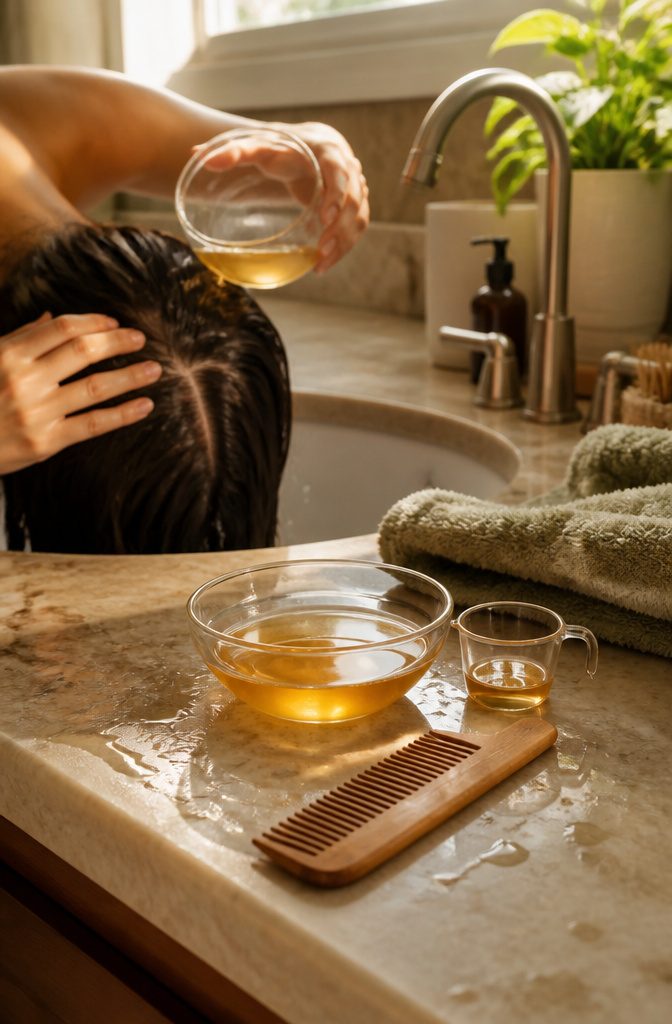
Apple cider vinegar balances scalp pH, making it harder for yeast to grow, and strips away product buildup that can clog pores and trigger itch. The dilution and timing depend on how strong you want the treatment.
One part vinegar to three parts water (say, one ounce vinegar and three ounces water) can sit on the scalp for ten minutes before rinsing.
Equal parts vinegar and water gets left on for fifteen minutes after shampooing, then rinsed out.
The gentlest version is one tablespoon vinegar stirred into a cup of cool water, which you can rinse out after five minutes or leave in.
I leave it in most of the time; the vinegar smell disappears once hair dries, and the shine boost is real.
Rinse with cool water if you do rinse.
It closes the cuticle and soothes dry skin. Use the treatment as often as needed, but if itch persists after two rounds, see a dermatologist.
4. Apply Scalp Oils for Moisture and Soothing
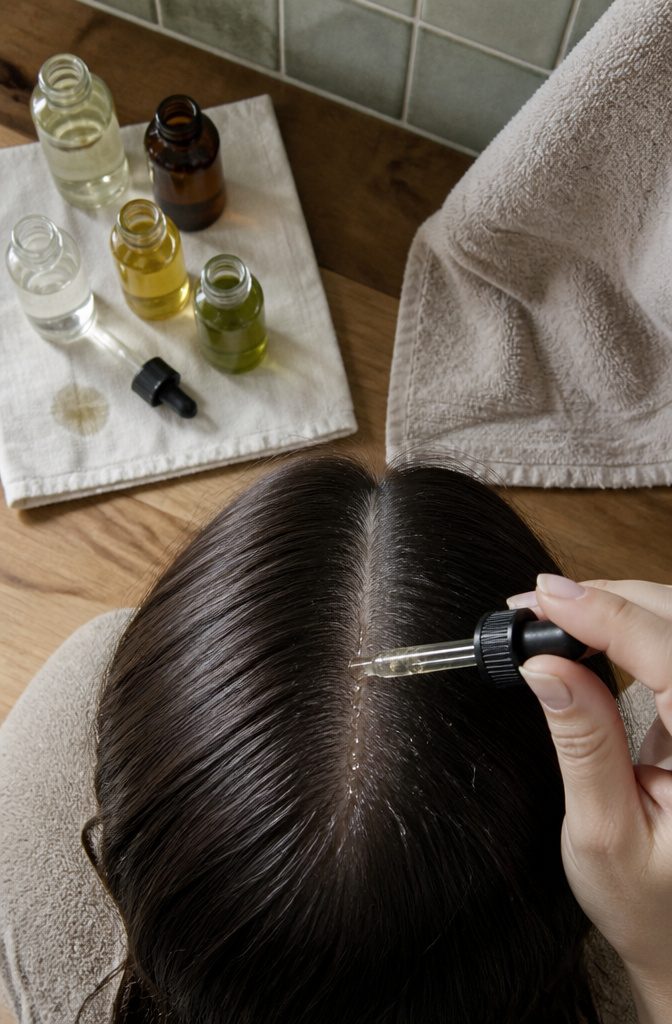
Coconut oil, jojoba oil, peppermint oil, tea tree oil, and rosemary oil each bring something different to an itchy scalp.
Coconut oil moisturizes deeply and fights fungal triggers—massage three to five tablespoons of lukewarm oil into your scalp, leave it at least an hour or overnight, then shampoo out.
Jojoba oil mimics the sebum your scalp produces naturally, making it lightweight and easy to absorb.
Peppermint oil cools on contact and soothes inflammation, while tea tree oil works as an antimicrobial and antifungal. Rosemary oil is another option for scalp health, often blended with a carrier oil.
For a pre-wash treatment, Act + Acre Vitamin E Scalp Detox Oil breaks down buildup over twenty minutes before rinsing.
The oils you choose depend on what you need fixed: moisture if the scalp is dry, antimicrobial action if irritation persists, or cooling relief if inflammation is the main complaint.
5. Use Aloe Vera to Calm an Inflamed Scalp
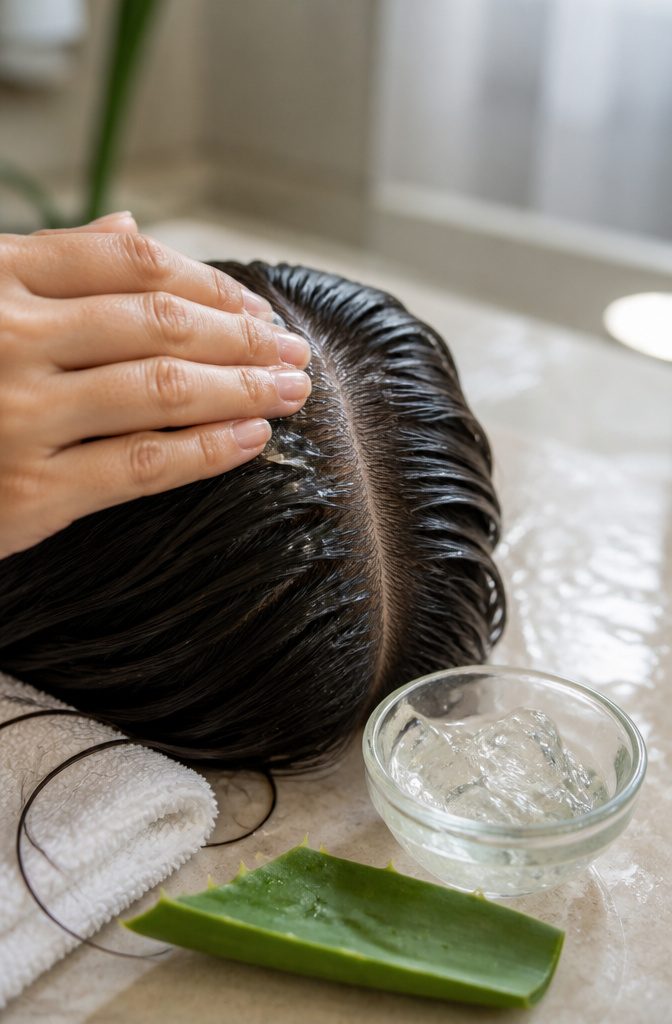
Aloe vera brings down inflammation fast, which is exactly what makes it worth the mess when your scalp is burning and tight.
The gel contains compounds that work against both fungus and bacteria, so it tackles flaking at the same time it calms the itch.
Apply pure aloe vera gel directly to your scalp, either scraped from a fresh plant or from a bottle that lists aloe as the first ingredient. Leave it on for about 30 minutes, then rinse and follow with your regular shampoo.
The waiting period matters because the gel needs time in contact with the skin to do its job, but after half an hour you can wash it out without losing the benefit.
6. Reach for Honey for Its Antibacterial Properties
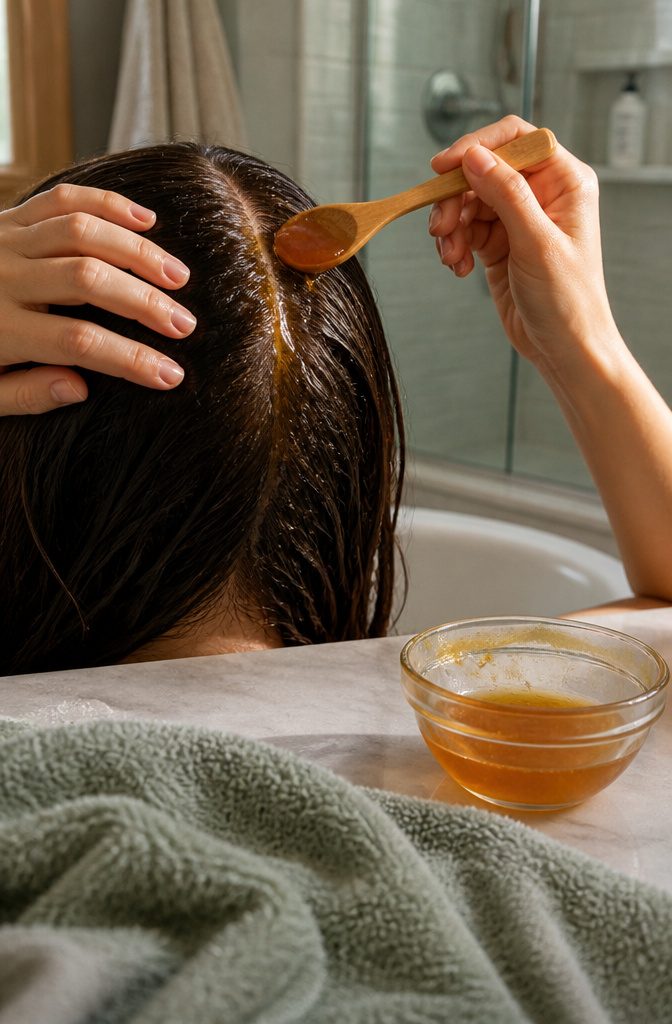
Honey brings moisture and natural antimicrobial action to an irritated scalp. Its antibacterial and antifungal properties help address infections that can trigger itching, while the humectant quality keeps the skin from drying out further.
You can apply raw honey directly as a pre-shampoo treatment, diluted with a bit of warm water to make it easier to spread through the hair, or look for hair products that list honey as an active ingredient rather than just fragrance.
The stickiness takes patience. Honey sits heavy and needs thorough rinsing, so plan for extra time in the shower and lukewarm water to avoid leaving residue.
If you have fine hair, keep the honey on the scalp itself rather than coating the lengths, which can weigh them down. For a first try, leave it on for fifteen to twenty minutes before washing as usual.
7. Try Other Home Remedies One at a Time
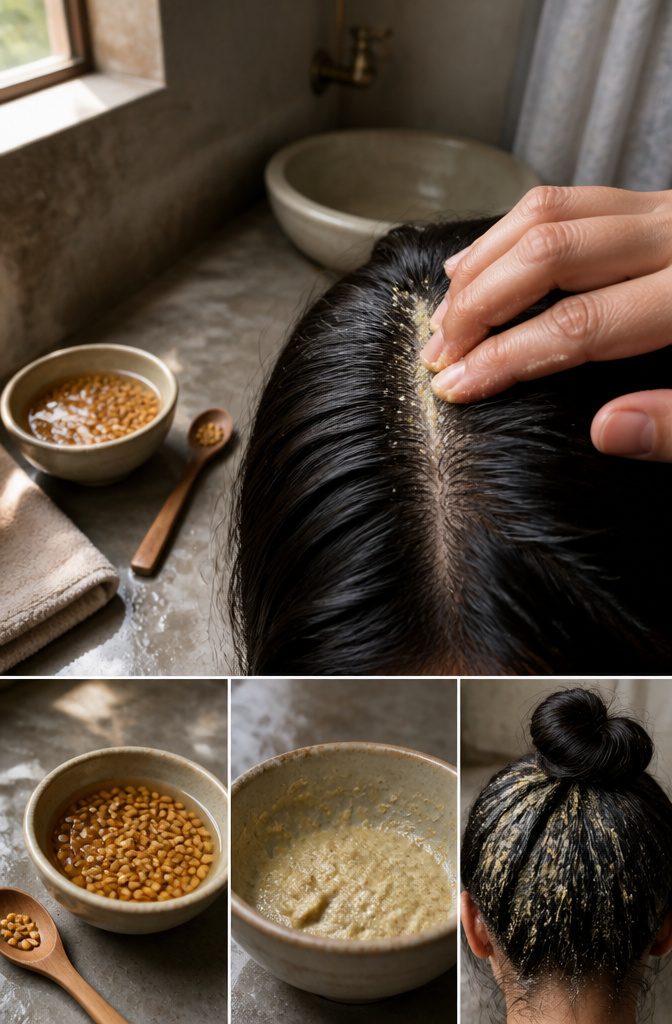
A few more options show up regularly in scalp-care advice: aloe vera gel, witch hazel, and diluted lemon juice. Try one at a time so you know what works and what irritates your skin.
- Neem has antifungal and antibacterial properties that help with flaking and itching.
- Baking soda can lift oil and buildup, though it may be too alkaline for sensitive scalps.
- Lemon juice: massage 2 tablespoons into your scalp, let it sit for a minute, then rinse with 1 teaspoon stirred into a cup of water. The citric acid adjusts pH, but skip this if your skin is easily irritated.
- Fenugreek seeds: soak 2 tablespoons overnight, grind into a paste, and leave on for 30 minutes. The protein and nicotinic acid strengthen roots and condition the scalp.
- Yogurt: leave on for about an hour for a cooling, probiotic treatment.
- Aspirin: crush 2 tablets into your shampoo and leave on for 1–2 minutes before rinsing.
Most home remedies work once or twice a week.
8. Remove Product Buildup with a Clarifying Shampoo or Scalp Scrub
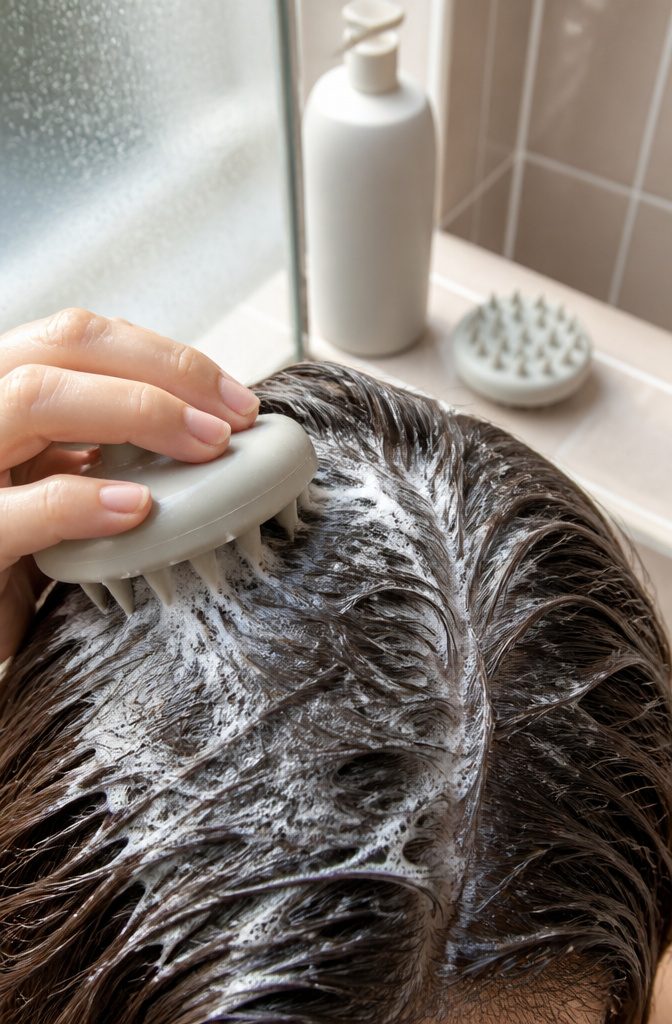
Styling products, leave-in treatments and natural oils pile up on the scalp over time, and that layer of residue clogs pores and starts itching.
A clarifying shampoo or scalp scrub strips away what a regular shampoo leaves behind, resetting the scalp so it can actually breathe. Paul Mitchell Clarifying Shampoo breaks up buildup and works once to twice a week without overdrying.
Garnier Fructis offers two strengths: the Pure Clean Rebalancing Shampoo removes up to 95% of residue with charcoal and micellar agents, and the Clarifying Shampoo takes out up to 100% using aloe vera and citric acid.
Pair either with a detox conditioner for hydration that won’t add new buildup. Use the clarifying routine once or twice a week, not daily, or you risk stripping too much oil and trading one scalp problem for another.
9. Avoid Products with Dyes, Fragrances, or Known Irritants
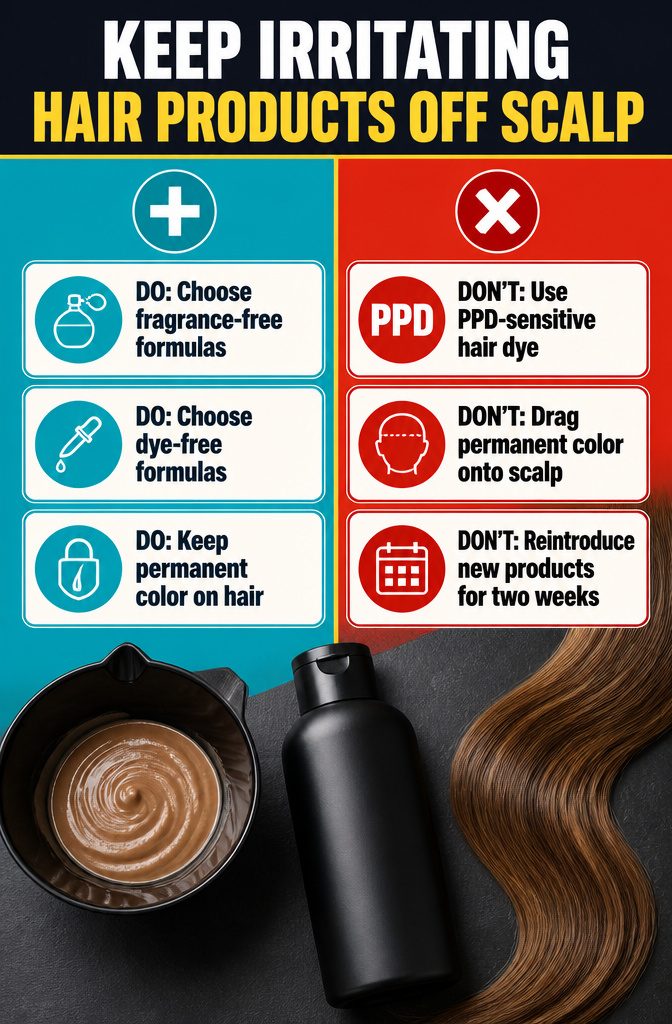
Some itches start the day you switch shampoos or try a new dye.
Hair color containing paraphenylenediamine—PPD, a common dye ingredient—can trigger allergic reactions on the scalp, and repeated use can lead to hair loss in people sensitive to it.
Ammonia, silicones, parabens and phthalates are other frequent offenders. The reaction shows up as contact dermatitis: redness, flaking, sometimes raised bumps where the product touched skin.
If the itch appeared right after you introduced something new, pull it from your routine for two weeks. When the itch stops, you have your answer.
I look for formulas free of synthetic fragrance and dyes when I restock, and when I do use permanent color, I keep it on the hair shaft only and avoid dragging it across the scalp.
That keeps the chemicals off skin that might react.
10. Adjust Water Temperature and Drying Habits
The shower adjustments that take pressure off an itchy scalp come down to two things: cooler water and drying the scalp sooner. Hot water strips moisture from skin, and that applies to the scalp just as much as anywhere else.
Warm or lukewarm water is the temperature that cleans without drying, and a cool final rinse closes the hair cuticle and soothes irritation at the same time.
Letting water sit on the scalp for longer can slowly dry it out and trigger itching, so drying the scalp completely after washing makes a difference.
The hair lengths can stay slightly damp if you prefer, since they do not dry out the way roots do. If you use a dryer, keep it on low heat and avoid holding it on one spot too long.
High heat increases swelling and tenderness, which leads to itching, flaking and red patches. The Dyson Supersonic has an attachment that diffuses airflow and lowers the temperature by up to 20 degrees, which helps if heat damage is a concern.
11. Change Your Styling Practices
Tight hairstyles pull constantly at the scalp and the follicles beneath it, and that tension shows up as soreness, tenderness and itching long before you see traction damage to the hair itself.
High ponytails, slicked-back buns, tight braids and anything that holds the hair under strain all do it. The itch is the scalp objecting to being stretched.
Heat styling compounds the problem. Flat irons, curling wands and blow dryers held too close or set too hot dry out the scalp the same way they dry out the hair, and a dry scalp itches.
The combination of tight styling and repeated heat leaves the scalp irritated and reactive.
Loosening styles and turning down the heat won’t fix an itchy scalp on their own, but they remove two common triggers and let other treatments work without fresh damage undoing them.
The adjustments are protective, not curative, and they matter most when the scalp is already compromised.
12. See a Clinician When Symptoms Persist or Worsen
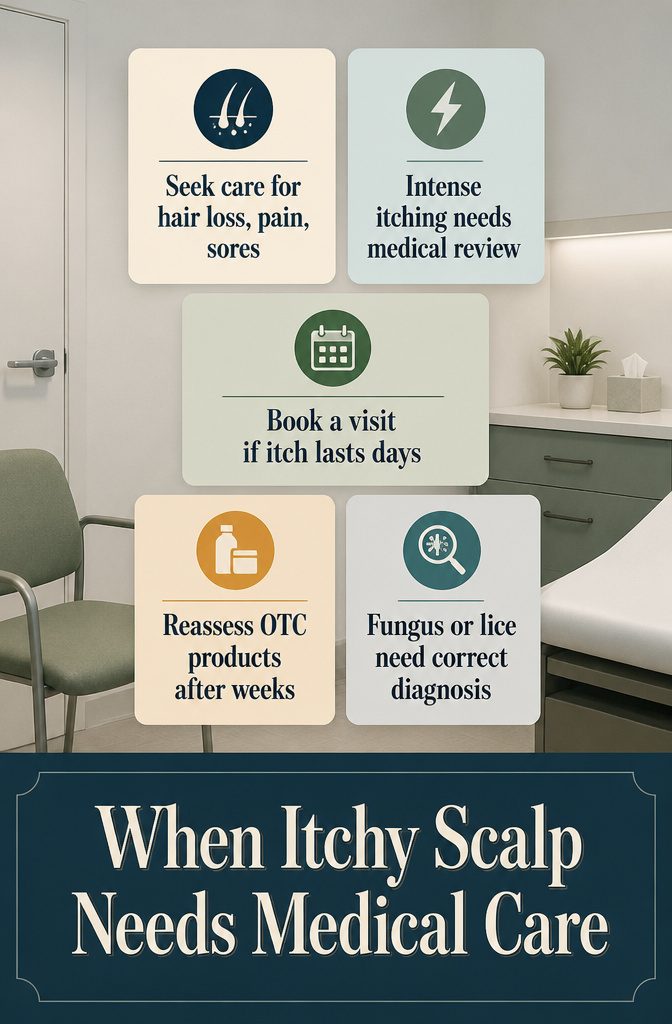
See a Clinician When Symptoms Persist or Worsen
If itching does not go away in a few days, or you see hair loss, pain, sores, or intense itching, you need a doctor to look at it.
Over-the-counter products that fail to help within a few weeks are another signal to book an appointment. Without the right diagnosis, an itchy scalp caused by a fungal infection or lice will not resolve on its own.
Treatment depends on correctly identifying the cause. Conditions that present with scalp itch include seborrheic dermatitis, psoriasis, eczema, folliculitis, contact dermatitis, lice, scalp ringworm (tinea capitis), alopecia areata, lichen planopilaris, cradle cap, and pityriasis amiantacea.
Ringworm, for instance, typically requires oral antifungals such as griseofulvin or terbinafine, often alongside ketoconazole shampoo.
Some hair loss can be permanent, and prescription treatments may include finasteride for male pattern loss or minoxidil (Regaine) for men and women, though minoxidil should not be applied to sore or cracked skin until the underlying issue has been addressed.
13. Consider Diet Changes and Supplements for Scalp Health
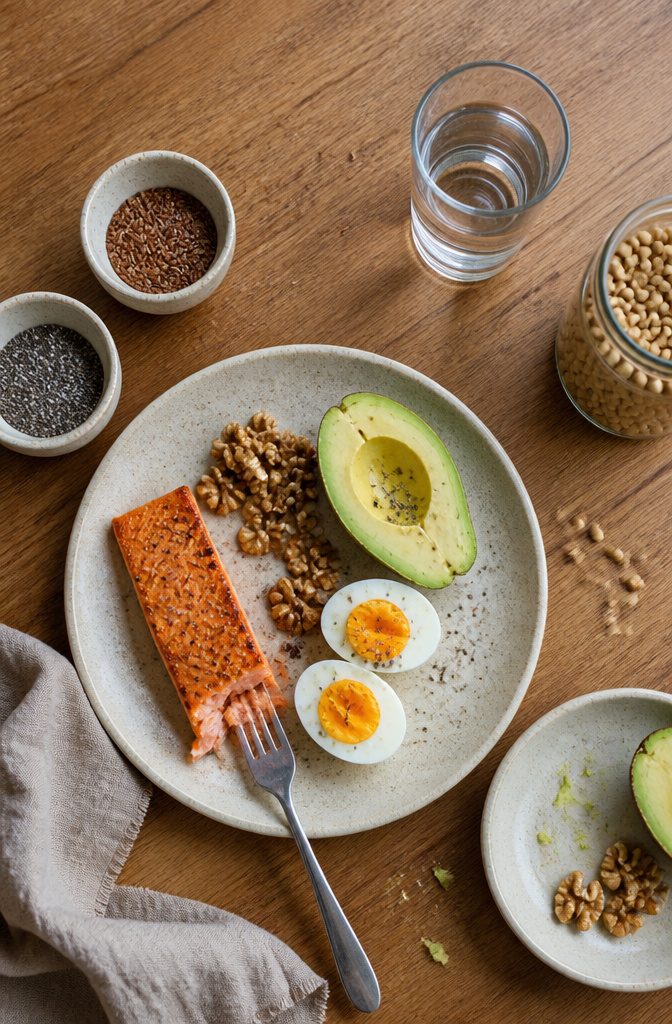
Diet changes can support scalp health from the inside, though they are not a quick fix for every itch. Omega-3 fatty acids fight inflammation and help prevent dry, flaky scalp.
You can get them through salmon, chia seeds, flax seeds, walnuts, or a supplement. A diet rich in protein and soy also promotes a healthy scalp and hair, along with foods like eggs and avocado.
Evidence for hair-loss vitamins and supplements is limited, and doctors do not typically prescribe them. That said, a balanced diet packed with the nutrients you need to stay healthy does support your skin and hair.
The work happens at the level of general nutrition rather than targeted pills, and it takes time to see any benefit reflected at the scalp.
What Causes an Itchy Scalp
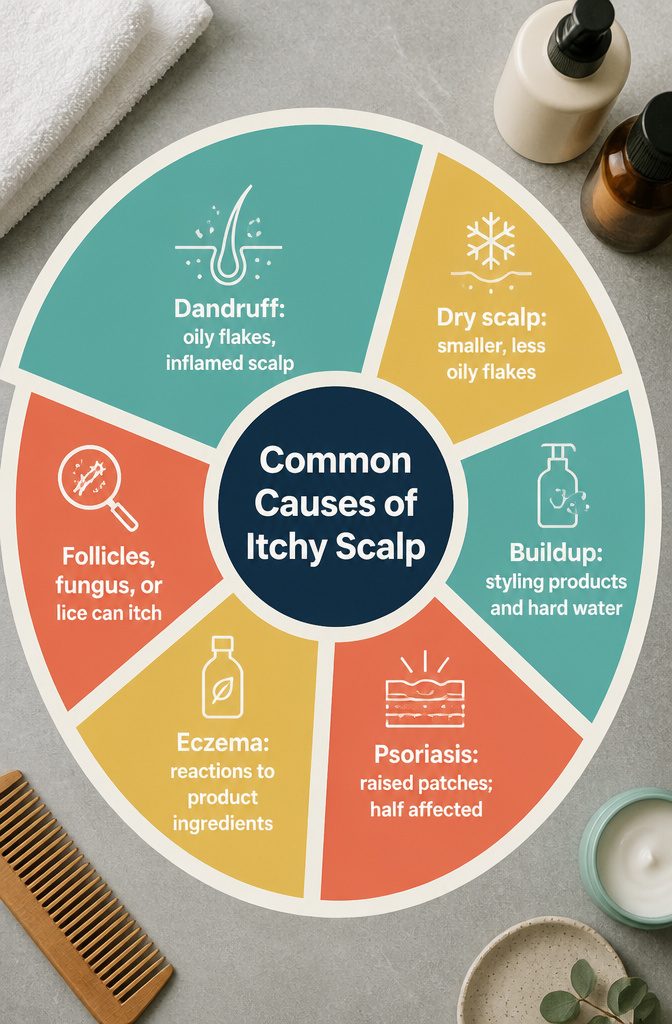
Pinning down what’s actually causing the itch is the first step, because the treatment that works for dandruff won’t do anything for psoriasis or product buildup.
- Dandruff and seborrheic dermatitis are the most common culprits. Oil-secreting glands in the scalp become inflamed, often because of a yeast-like fungus, and you get flaking along with the itch.
- Dry scalp itches more in winter when moisture drops. The flakes tend to be smaller and less oily than dandruff.
- Product buildup from styling products, oil, and hard water deposits can irritate the scalp over time.
- Psoriasis shows up as raised, rough patches that may crack or burn. About half of people with psoriasis experience it on the scalp at some point.
- Eczema and contact dermatitis happen when your scalp reacts to an ingredient in shampoo, dye, or another product you’re allergic to.
- Folliculitis is infection of the hair follicles, and fungal conditions like ringworm can also cause itching.
- Lice are less common in adults but still worth ruling out if the itch is sudden and severe.
Symptoms That Help You Identify the Cause
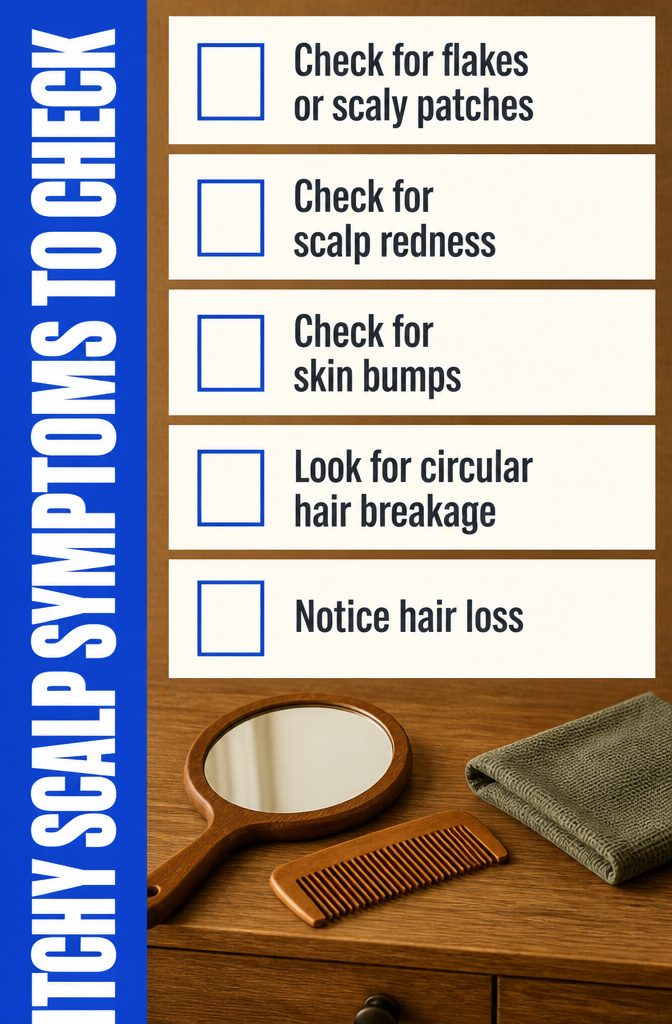
Several symptoms help distinguish what’s causing the itch:
- Flakes or scaly patches
- Redness
- Bumps on the skin
- Hair breaking off in a circular patch (ringworm)
- Hair loss, either from the condition itself or from scratching
But the ones above give you something to look for when deciding whether you can handle this at home or need a diagnosis. Ringworm in particular needs prescription antifungal medication, not just a better shampoo.
Frequently Asked Questions
What causes an itchy scalp?
Seborrheic dermatitis and dandruff are the most common causes, driven by oil gland inflammation and fungal overgrowth.
Other causes include dry scalp, product buildup, psoriasis, eczema, contact dermatitis from allergies, folliculitis, ringworm, and lice. About half of people with psoriasis experience it on the scalp at some point.
What active ingredients can help with an itchy scalp?
Ketoconazole stops fungal growth, pyrithione zinc tackles yeast and flaking, and coal tar reduces inflammation from psoriasis. Salicylic acid at 3% lifts scales from thick buildup, while selenium sulfide and sulfur work for specific conditions.
What lifestyle changes can help treat an itchy scalp?
Wash more often if oil and yeast are driving the itch, or cut back to 2–3 times weekly if overwashing dries you out.
Use warm water instead of hot, dry the scalp completely after washing, loosen tight hairstyles, and lower heat styling tools.
How often should I use these home remedies?
Once or twice a week for most treatments. Try one remedy at a time so you can tell what helps and what irritates your scalp.
Can dandruff cause hair loss?
Dandruff itself does not cause hair loss. Scratching hard enough to damage follicles can lead to some hair fall, but the flaking alone will not.
Is oiling my hair good for dandruff?
It helps if dry skin is causing the dandruff, since oils like coconut moisturize the scalp. If your scalp is already oily, adding more can make the problem worse by feeding the yeast that drives seborrheic dermatitis.
Why does my dandruff keep coming back?
Dandruff is usually chronic because the yeast that causes it lives on your scalp all the time. Regular treatment and washing keep it under control, but it does not disappear permanently.
Can I combine different home remedies?
Try one at a time so you know which one is working or causing irritation. Mixing too many ingredients at once can irritate your scalp further.
How do I get my scalp to stop itching?
Figure out whether the itch comes from dryness, oil buildup, fungal overgrowth, or an allergic reaction, then pick the treatment that matches.
Dry scalp needs moisture, fungal issues need antifungal shampoo, and allergic reactions need you to stop using the product that triggered them.
What are some natural treatments for dandruff at home?
Apple cider vinegar balances pH and strips buildup, coconut oil moisturizes and fights fungal triggers, and tea tree oil works as an antimicrobial.
Aloe vera calms inflammation, honey brings moisture and antibacterial action, and a clarifying shampoo or scalp scrub removes product residue that clogs pores.
What vitamins help itchy scalp?
Omega-3 fatty acids fight inflammation and prevent dry, flaky scalp, found in salmon, chia seeds, flax seeds, and walnuts.
A diet rich in protein, soy, eggs, and avocado supports scalp health, though evidence for hair vitamins is limited and the benefit comes from general nutrition over time.
What are the signs of scalp psoriasis?
Raised, rough patches that may crack or burn. About half of people with psoriasis experience it on the scalp, and it often requires coal tar shampoos or prescription treatment rather than regular dandruff products.
Does dry air cause itchy scalp?
Yes.
Your scalp needs more moisture when it gets colder, and dry air in winter pulls that moisture out. The flakes from dry scalp tend to be smaller and less oily than dandruff.