Most thinning responds to minoxidil, gentle handling, and scalp care within four to six months, but only if the cause is pattern loss or mechanical damage.
The 30 million American women with female pattern hair loss need different treatment than someone dealing with thyroid disruption, iron deficiency, or traction from tight styles, and starting the wrong fix burns months you won’t get back.
Why Hair Thins
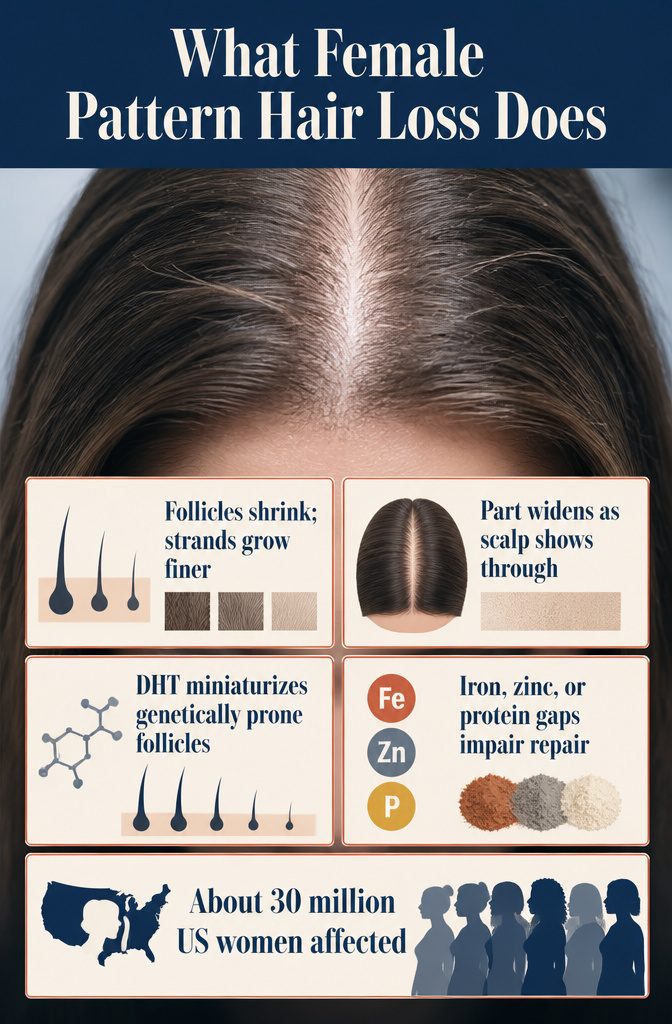
Hair thins when follicles shrink and produce finer, shorter strands over time.
The part widens, the scalp shows through, and overall density drops—a different pattern from the clumps of shedding you see after illness or stress, or the breakage that snaps strands mid-length.
About 30 million women in the US have female pattern hair loss, the hereditary form that narrows follicles gradually and is the leading cause overall.
Hormones shift the timeline.
Testosterone converts to DHT, which miniaturizes follicles in those genetically prone. Thyroid disorders interrupt growth at the root, and menopause lowers estrogen and progesterone, both of which keep hair in the growth phase longer.
Stress pushes more follicles into rest, medical conditions like autoimmune disorders attack them directly, and deficiencies in iron, zinc or protein starve the repair cycle.
Hair-care practices that pull tight or overtreat with color and heat add mechanical damage on top, turning gradual thinning into visible gaps faster than biology alone would manage.
Shedding vs. Thinning
Your scalp holds roughly 100,000 hairs at any time, and losing 50 to 100 of them each day is entirely normal.
Every hair moves through a growth phase, a rest, and a natural fall before new growth replaces it. That cycle keeps running whether you notice it or not.
Thinning is different.
It shows up as a gradual drop in density rather than a handful in the drain. You might see a part that looks wider than it did six months ago, or more scalp visible under bright light.
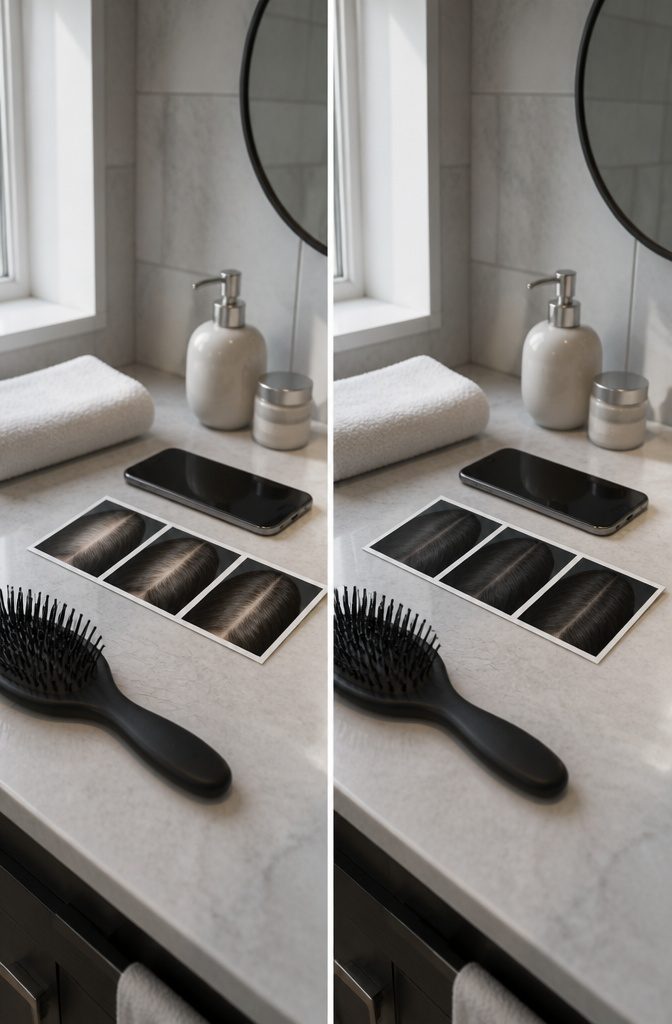
The change is slow enough that you can miss it day to day, which is why I recommend taking photos every few months.
Hold your phone in the same spot, part your hair the same way, and compare. The difference between normal shedding and progressive thinning becomes obvious when you line up three months of images side by side.
1. Evidence-Based Treatment With a Clinician
Evidence-Based Treatment With a Clinician
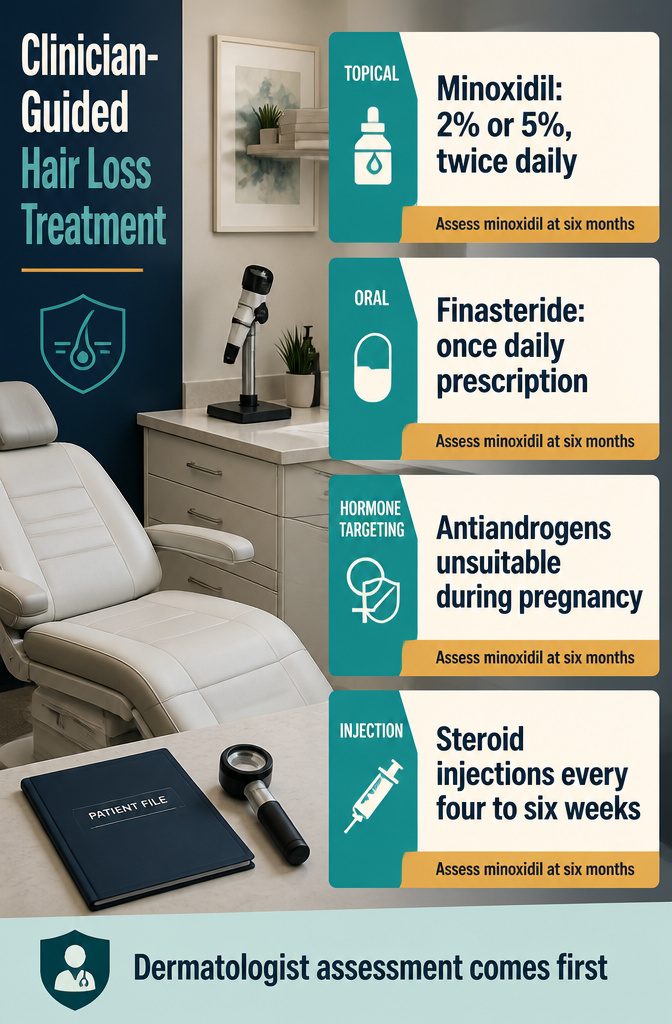
A dermatologist assessment is the starting point. Treatment suitability depends on the cause, and prescription options vary widely depending on what is driving the thinning.
Minoxidil comes as a 2% or 5% liquid or foam, applied twice daily. Visible thickening takes four months to a year, and most dermatologists assess progress at six months to decide whether to continue.
Oral finasteride is a once-daily prescription that slows loss and stimulates new growth by blocking the hormone that damages follicles.
It starts working around four months, with significant growth up to a year. Side effects are rare but include erectile dysfunction and depression.
Antiandrogens such as spironolactone and estrogen-containing oral contraceptives inhibit hormones that destroy follicles.
They usually start working after four months, though long-term treatment is necessary to prevent recurrence. Side effects include irregular periods and drowsiness, and they are not suitable during pregnancy.
Steroid injections deliver up to 80 per appointment, repeated every four to six weeks, with regrowth visible in one to two months. Oral corticosteroids take eight to ten weeks and are stopped if there is no visible effect at six months.
2. Gentle Hair Handling
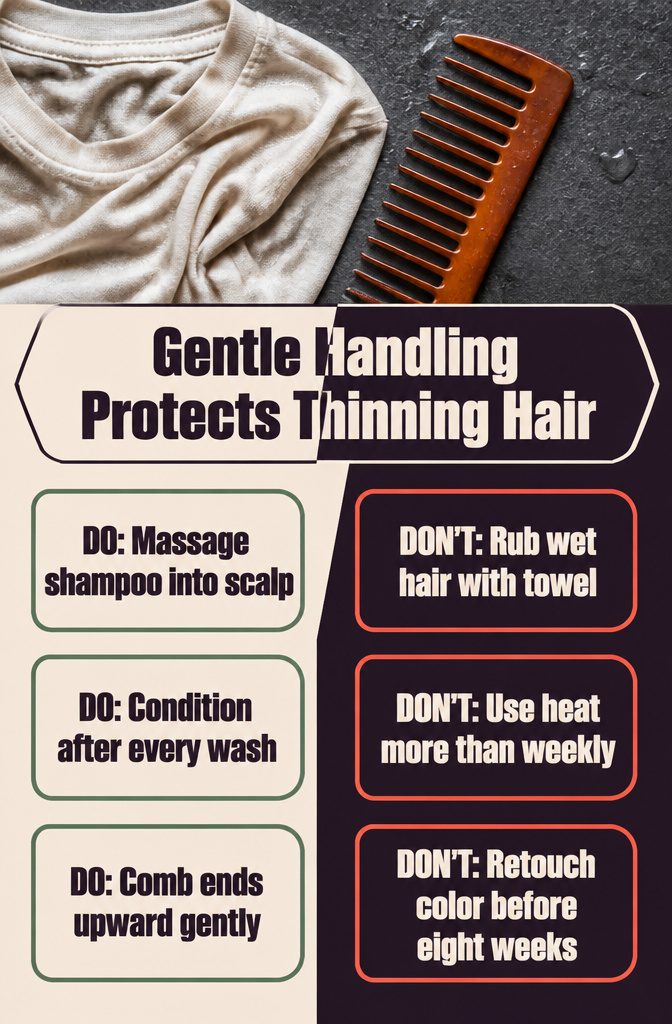
Wet hair snaps more easily than dry, so the way you handle it in the shower and right after decides how much you keep.
Massage shampoo into your scalp rather than scrubbing it through the length, then let it rinse down naturally.
Conditioner goes on after every wash to replace moisture. When you towel off, squeeze water out with a microfiber towel or old cotton t-shirt instead of rubbing.
Detangling takes patience. Start at the ends with a wide-tooth comb and work up toward the roots slowly.
That keeps you from ripping through knots and splitting the shaft. Hair stretches when wet, which makes it fragile under tension.
Heat tools matter less often than daily handling does, but they still add up.
Once a week or less keeps damage low. The same principle applies to chemical services: in winter, when the air is dry, stretch color or relaxer touch-ups to every eight to ten weeks or longer.
Thinning hair has less reserve, so reducing stress from every direction buys you time.
3. Reducing Tension From Hairstyles

Tight ponytails, sleek buns and professional weaves all create constant pulling force on the follicle, and over time that tension can lead to traction alopecia: hair loss that starts where the strain is greatest.
The hairline and temples tend to thin first, because that’s where a high ponytail or tight braids grip hardest.
I’m not suggesting you abandon every updo. Looser styles with soft fabric scrunchies take the pressure off, and alternating where you place your ponytail or part your hair spreads the load instead of stressing the same follicles day after day.
Extensions and weaves deserve their own caution. The added weight magnifies the pull, and wearing them for months without a break leaves no recovery window for the scalp.
Limit professional weaves or extensions to two to three months at most, then give your hair a rest before reinstalling. That pause matters more than most stylists admit.
4. Nutrition and Deficiency Testing
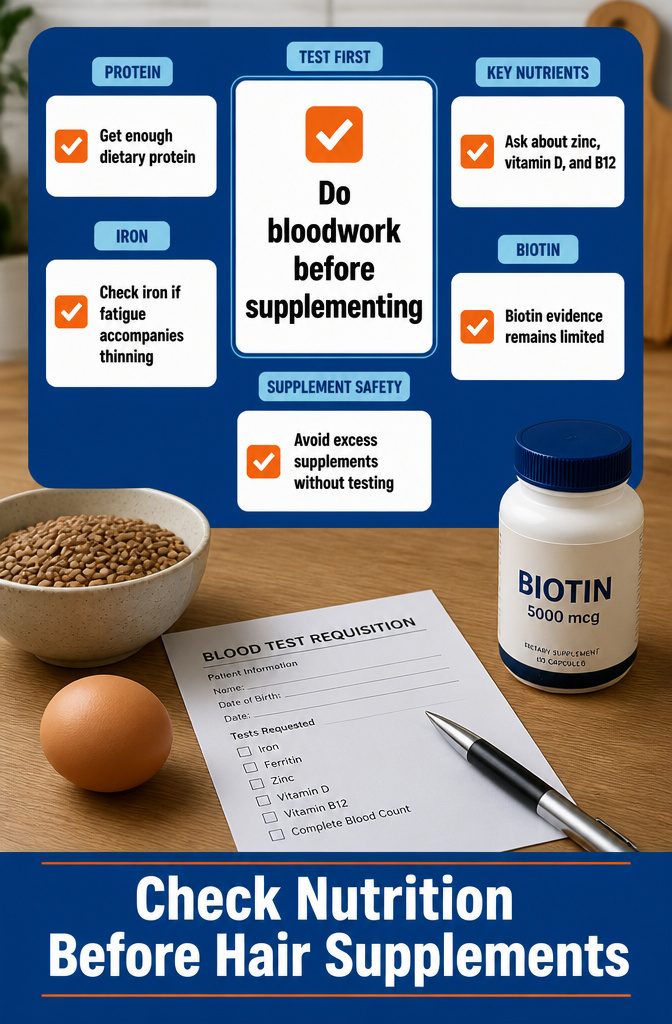
Hair is mostly keratin, a protein, so getting enough protein in your diet matters for growth and strength. Lean meat, fish, eggs and legumes give your body what it needs to build new strands.
Iron is particularly worth checking. It carries oxygen to follicles, and hair can thin when levels drop because the body redirects what remains to more critical organs.
The American Academy of Dermatology notes that low iron is one of the more documented nutrient-related causes of diffuse thinning in women.
One study found that 22.7% of men with pattern hair loss had low iron levels, and the picture is similar for women. If thinning arrives alongside fatigue, that connection is worth investigating.
Biotin, vitamin D, zinc and vitamin B12 are also tied to hair health, though research on biotin remains limited despite its popularity.
Zinc supports follicle tissue and keeps oil glands working properly; B12 feeds red blood cell production, which ties back to oxygen delivery.
The right move is bloodwork before supplementing.
A simple test confirms whether a deficiency exists rather than leaving you guessing. Oversupplementing can cause harm, and if thinning has a different root cause, no amount of extra vitamins will fix it.
5. Scalp Care and Massage
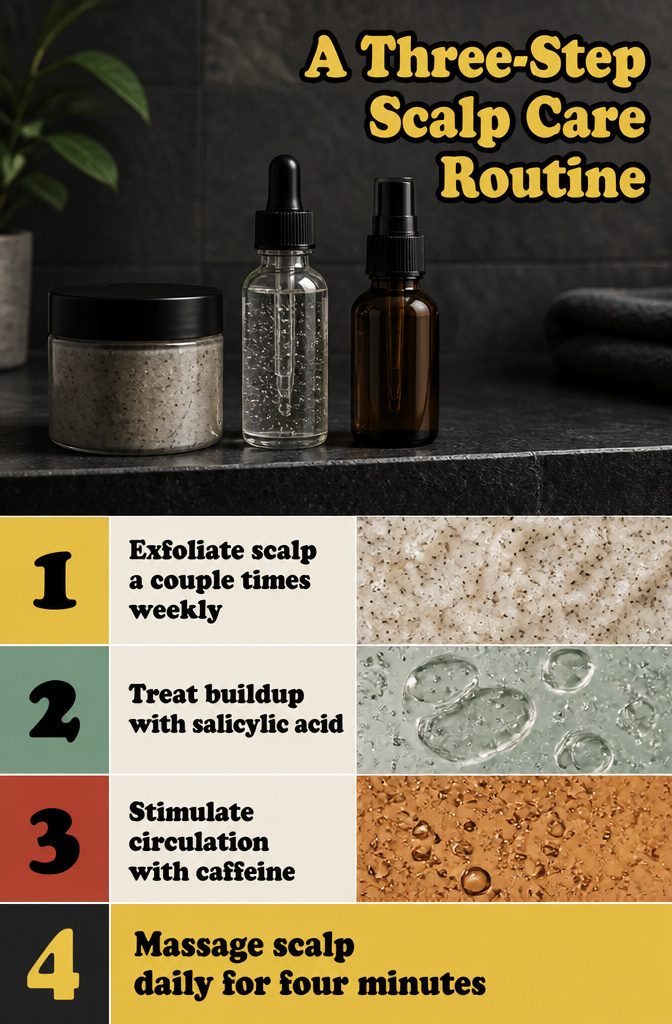
A healthy scalp gives hair a clearer shot at staying where it belongs.
The approach I’ve seen work best breaks into three steps: exfoliate a couple of times a week with something like a glycolic acid scrub (around $14), treat ongoing buildup or flaking with a salicylic acid treatment (around $17), and stimulate circulation with a caffeine scalp treatment (around $17).
The scrub clears dead skin and product residue from the follicle base.
The salicylic acid treatment works between washes, getting into the follicle opening to address congestion from within rather than just on the surface. The caffeine treatment is the daily or near-daily piece that keeps the scalp energized.
Massage is the other half. One study tracked about 330 people who massaged their scalps daily for 11 to 20 minutes and found almost 70% noticed less hair loss or more growth after 6 months.
A smaller study used a 4-minute daily massage for the same period. The evidence is promising but not conclusive, and the time commitment is real.
6. Natural and Complementary Options
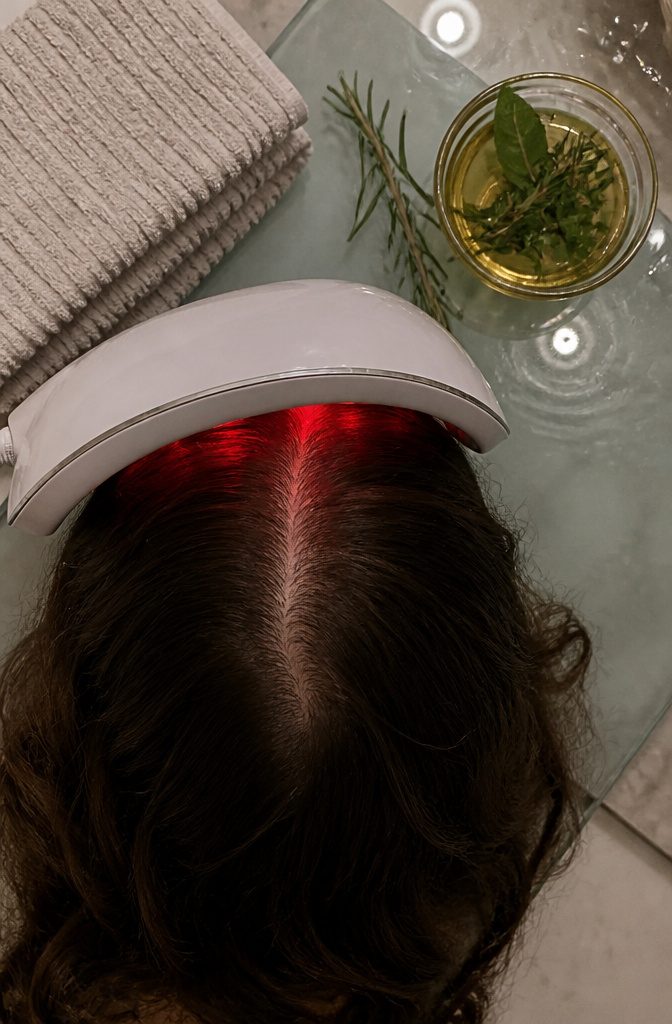
Red light therapy has some of the strongest evidence in this category.
Wavelengths between 630 and 800 nanometers, used for 10 to 25 minutes two or three times a week, show results in four to six months. You can do this at home with a purpose-built device, though consistency matters more than brand.
Rosemary oil surprised me when the numbers came in. One study found it performed as well as minoxidil after six months of use, which puts it ahead of most plant extracts that get talked about but never tested.
Caffeine topicals and topical melatonin also have research backing, though not at the same level.
If you want to try a DIY scalp oil, mix two ounces of jojoba or fractionated coconut oil with two to three drops of rosemary essential oil and one to two drops of peppermint essential oil.
Patch test for 24 to 48 hours first, because essential oils can irritate skin even when diluted. Massage it into your scalp before shampooing.
Evidence for oils and massage alone is weaker, so treating them as a primary fix overstates what the research supports.
7. In-Office Procedures
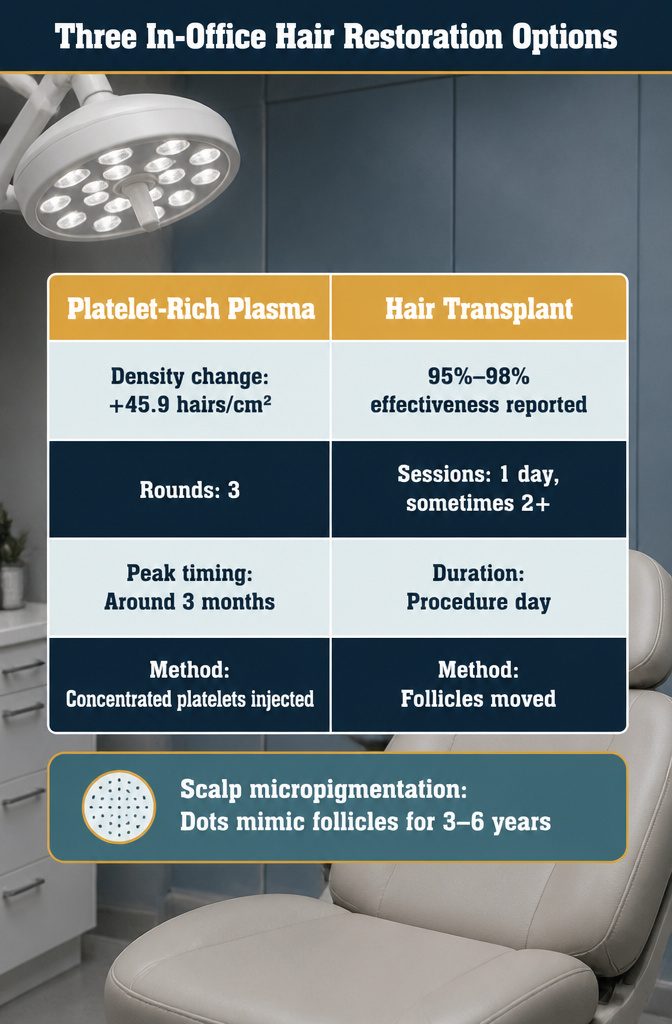
When topical treatments and lifestyle changes aren’t enough, three in-office procedures can address thinning more directly. Platelet-rich plasma treatment draws your blood, concentrates the platelets and growth factors, then injects that material back into the scalp to stimulate regrowth.
One study found an average density increase of 45.9 hairs per cm² after 3 rounds, with hair peaking around 3 months.
Hair transplants move follicles from denser areas to thinning zones; the procedure usually takes a day, sometimes 2 or more sessions, and some clinics report 95% to 98% effectiveness.
Scalp micropigmentation tattoos tiny dots of pigment onto the scalp to mimic follicles, creating the look of a shaved head or denser hair.
It’s semi-permanent, lasting around 3 to 6 years, and costs vary widely across all three options. The right choice depends on your pattern and cause of loss, so a consultation matters.
8. Health and Lifestyle Factors

Chronic stress pushes more hair into the resting phase before it should be there, which means more shedding on top of whatever else is going on. The kind that matters is prolonged, not the single bad week.
Simple stress management makes a difference: mindfulness, yoga, a short walk most days. I find that the small, repeatable habits work better than elaborate routines that fall apart the first busy week.
Sleep matters because hair follicles rely on the body’s downtime to run through their natural processes.
Target 7 to 9 hours a night. Your hair is downstream of overall health, so the basics apply: regular exercise, a balanced diet, and the sleep schedule you’d need anyway.
Smoking and prolonged sun exposure both contribute to additional damage and shedding. These factors won’t reverse androgenic hair loss, but they can reduce the extra thinning that sits on top of it.
If you’re dealing with pattern thinning and also happen to smoke or spend hours in the sun without covering your scalp, addressing those gives your hair one less thing working against it.
9. When to See a Doctor

Most of the time, what looks like thinning can be managed at home with gentler handling and some patience.
But there are patterns that deserve a professional look, and waiting too long can mean missing a window where treatment works best. Sudden or rapid shedding that feels different from your usual baseline is one sign.
If you have gone from losing a normal amount of hair to seeing clumps in your brush or drain over a matter of weeks, that warrants an appointment.
Some symptoms can indicate an underlying health condition or quickly advancing disease that could lead to hair loss or balding.
— WebMD
Other red flags include thinning paired with other symptoms like fatigue, unexplained weight changes, or scalp issues that will not quit: itching, burning, pain, or scaling.
Taking periodic comparison photos helps. A dermatologist can look at them, identify the cause, and match treatment to it.
Scalp ringworm, for example, requires a prescription antifungal taken daily for several months. The sooner you catch it, the better your results.
Causes and Patterns of Thinning
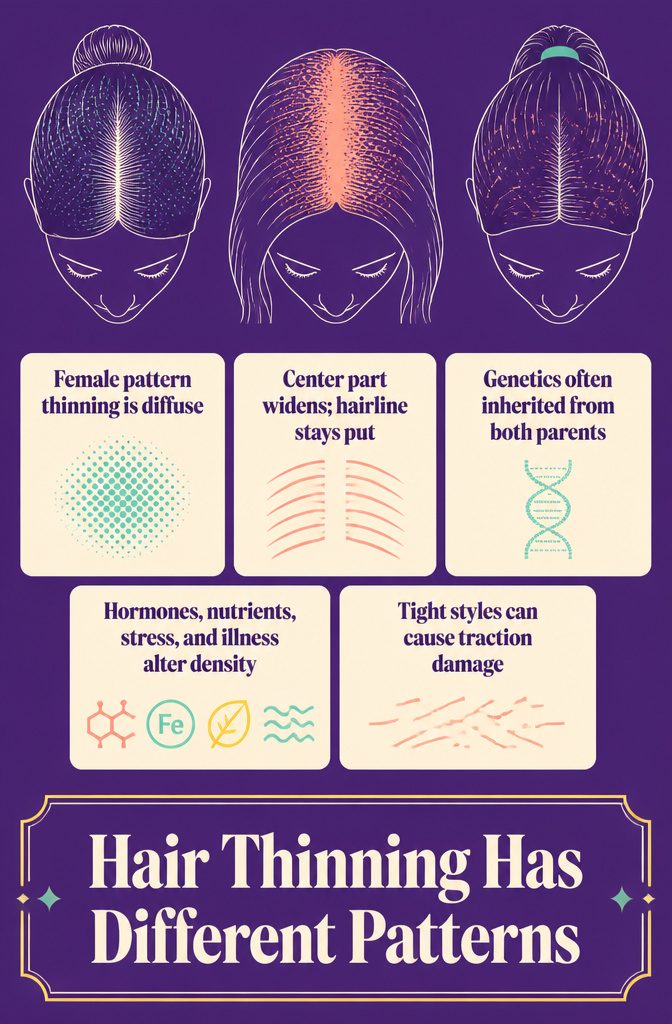
Hair thinning takes more than one form, and knowing which pattern you are facing makes all the difference in what will actually help.
Female pattern hair loss shows up as diffuse thinning across the whole scalp, not the receding hairline or temple recession common in men.
The hairline stays put, but the center part widens and you start seeing more scalp through your hair, especially at the crown.
Genetics drive this pattern, often inherited from both parents, and it tends to progress gradually over years rather than appearing suddenly.
Hormonal shifts can thin hair without following that pattern at all. Thyroid conditions, menopause, and polycystic ovary syndrome all affect hair density through different mechanisms, and both underactive and overactive thyroid function can trigger diffuse shedding.
Nutritional gaps, particularly iron, zinc, and protein, hit hair growth early because follicles are metabolically active and the body deprioritizes them when nutrients run short.
Chronic stress disrupts the growth cycle, pushing more hairs into a resting phase, while certain medications and autoimmune conditions can trigger their own forms of loss.
Hair care practices matter too: tight ponytails, frequent chemical treatments, and harsh styling can cause breakage and traction damage that reads as thinning even when the follicles themselves are fine.
Frequently Asked Questions
How does female hair loss differ from male hair loss?
Female pattern hair loss causes diffuse thinning across the entire scalp while the hairline stays in place, widening the center part and making the crown more visible.
Men typically lose hair in a defined pattern with a receding hairline and temple recession. Women rarely experience complete baldness from pattern loss, while men often do.
Why is my hair thinning?
Hereditary pattern loss is the most common cause, affecting 30 million women in the US, and it works by shrinking follicles over time through DHT sensitivity.
Hormonal shifts from thyroid disorders or menopause, nutritional deficiencies in iron or protein, chronic stress, autoimmune conditions, and harsh hair-care practices can all contribute on top of or separate from genetic thinning.
How much hair loss is normal per day?
Losing 50 to 100 hairs daily is completely normal and part of the natural growth cycle. Thinning shows up differently: a gradually widening part, more visible scalp, and a slow drop in overall density rather than handfuls in the drain.
Does stress cause hair loss?
Chronic, prolonged stress pushes more follicles into the resting phase before they should enter it, which increases shedding on top of any other causes.
The kind that matters is ongoing rather than a single stressful event, and managing it through mindfulness, exercise, or regular movement can reduce the impact.
Which vitamin deficiency causes hair loss?
Iron deficiency is one of the more documented nutrient-related causes because it carries oxygen to follicles, and the body redirects supply to critical organs when levels fall.
Zinc, vitamin D, and vitamin B12 also support hair health, but bloodwork before supplementing is the right move because oversupplying can cause harm and thinning may have a different root cause entirely.
Is thinning hair normal with age?
Yes, male pattern baldness affects up to 80% of men and 50% of women over their lifetime, with half of men showing it by age 50.
Hair follicles also produce less pigment and smaller strands with age, and some hairs stop growing back after they fall out.
Does biotin stop hair thinning?
Research on biotin remains limited despite its popularity, so the evidence does not support it as a primary fix for thinning.
Bloodwork can confirm whether a deficiency exists, but if thinning has a different root cause, no amount of extra vitamins will reverse it.