Foods that support hair growth range from everyday eggs and spinach to zinc-heavy oysters that deliver several times your daily requirement in one serving.
Iron deficiency means less oxygen reaches each follicle, omega-3 deficiency dries out the scalp, and low zinc weakens the root and slows the whole growth cycle.
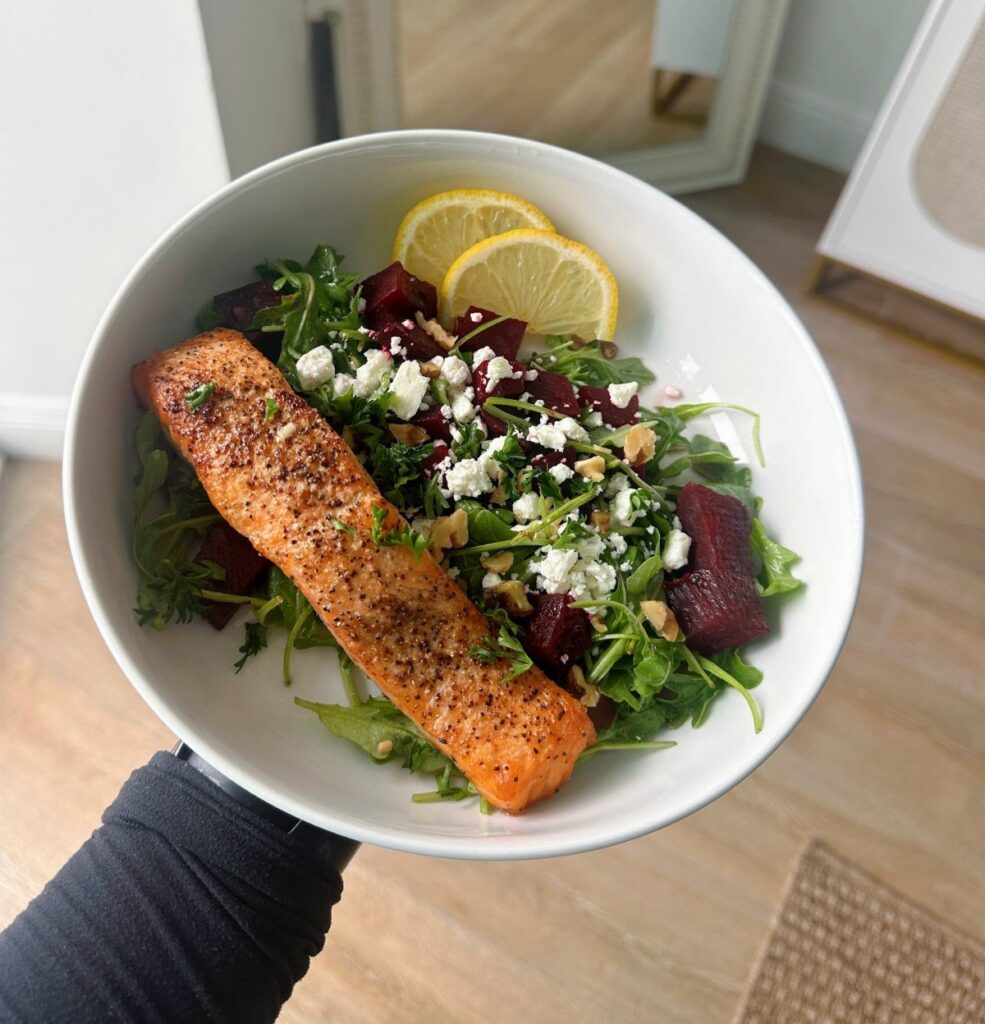
1. Fatty Fish
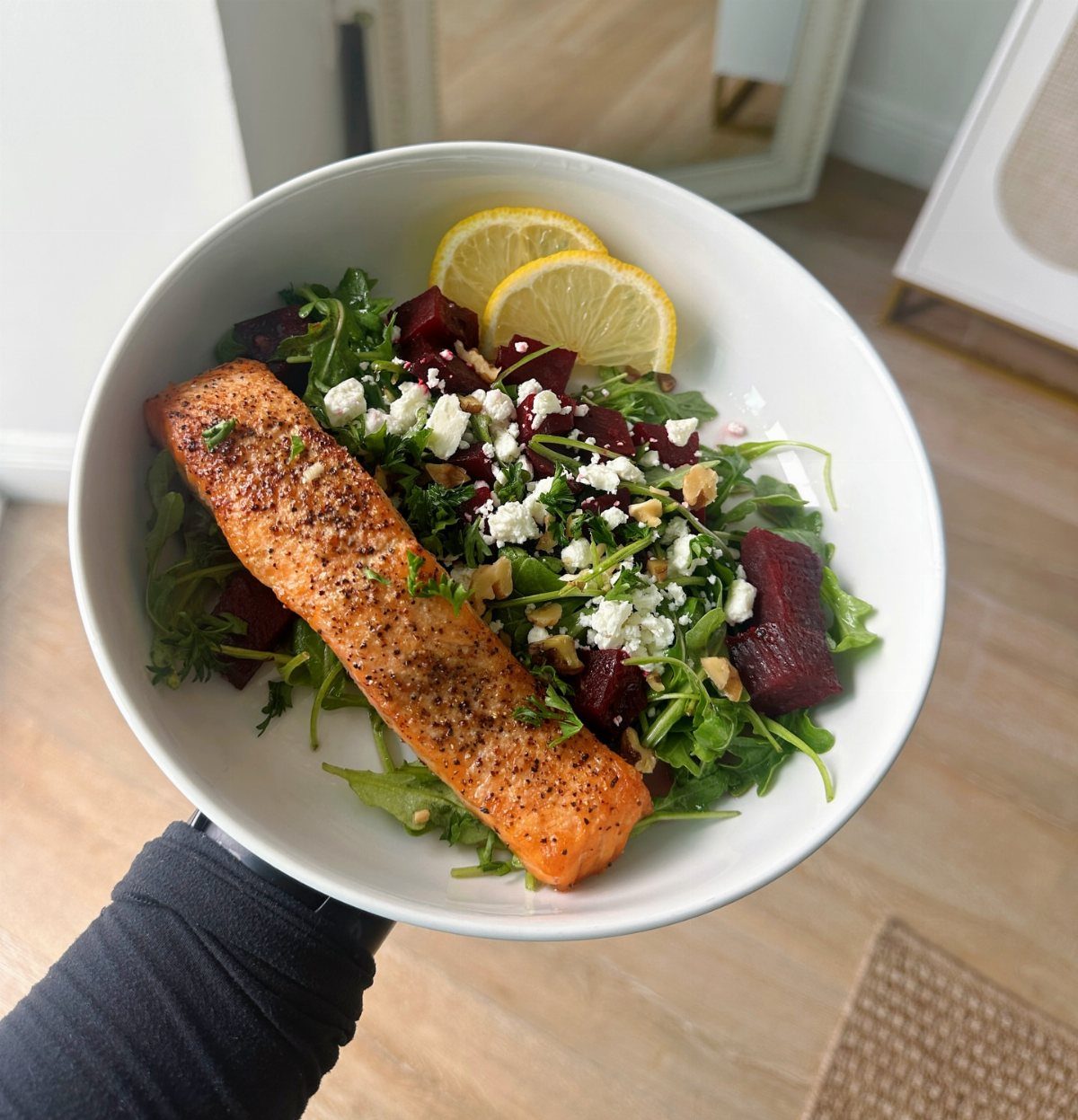
Salmon and similar fish bring omega-3 fatty acids and protein in one meal, both tied to stronger hair. Fatty fish like salmon cover several angles at once if you’re trying to eat for hair health.
Aim for 2 servings of fatty fish each week.
Mackerel, sardines, and trout work the same way salmon does. If you don’t eat fish, flaxseed and chia seeds offer plant-based omega-3s, though the body converts them less efficiently.
2. Spinach and Leafy Greens
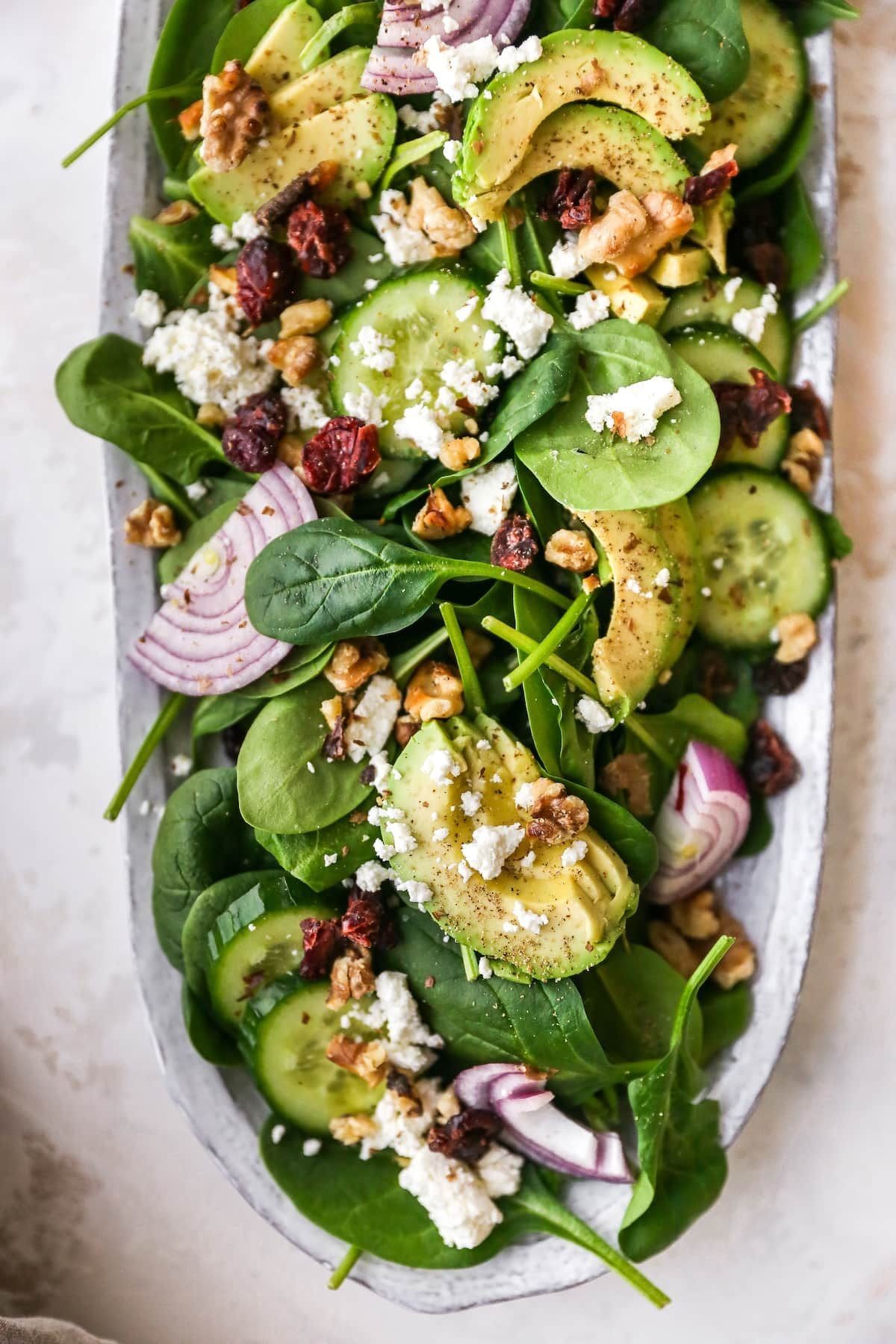
Spinach and other leafy greens supply iron, which supports the cells that help hair grow, along with vitamins A and C.
Raw greens keep the most vitamin C, but lightly cooking spinach makes its iron easier to absorb.
Kale, Swiss chard, and collard greens all work. Pair them with a source of vitamin C, like the citrus in a dressing, to help your body use the iron.
3. Eggs

Eggs give you biotin and protein in one food, both linked to hair structure and growth.
Hard-boiled eggs travel well.
Scrambled, fried, or baked into a frittata, they all count. The yolk holds most of the biotin, so don’t skip it.
4. Oysters
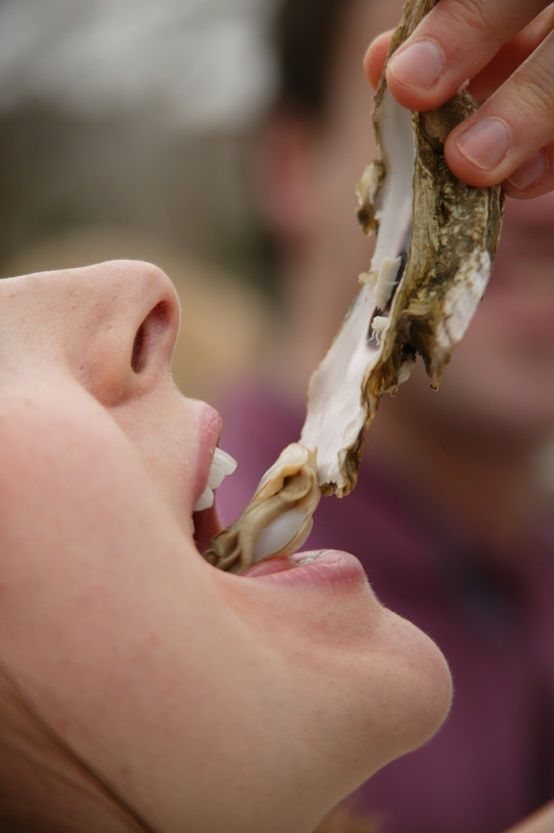
Oysters deliver more zinc per serving than almost any other food, and zinc deficiency is one cause of hair thinning.
Eating them raw from the shell is the most common way, though grilled or baked oysters work if you prefer them cooked.
A single serving of oysters gives you several times the daily zinc you need, so it goes a long way. If oysters aren’t your thing, beef, lentils, and pumpkin seeds also provide zinc, just in smaller amounts per serving.
One of the surprising signs of iron deficiency, which affects up to 25% of Americans, is hair loss. “Even small changes in iron levels … can trigger hair loss and thinning,” Dr. Bauman said.
5. Seeds and Whole Grains
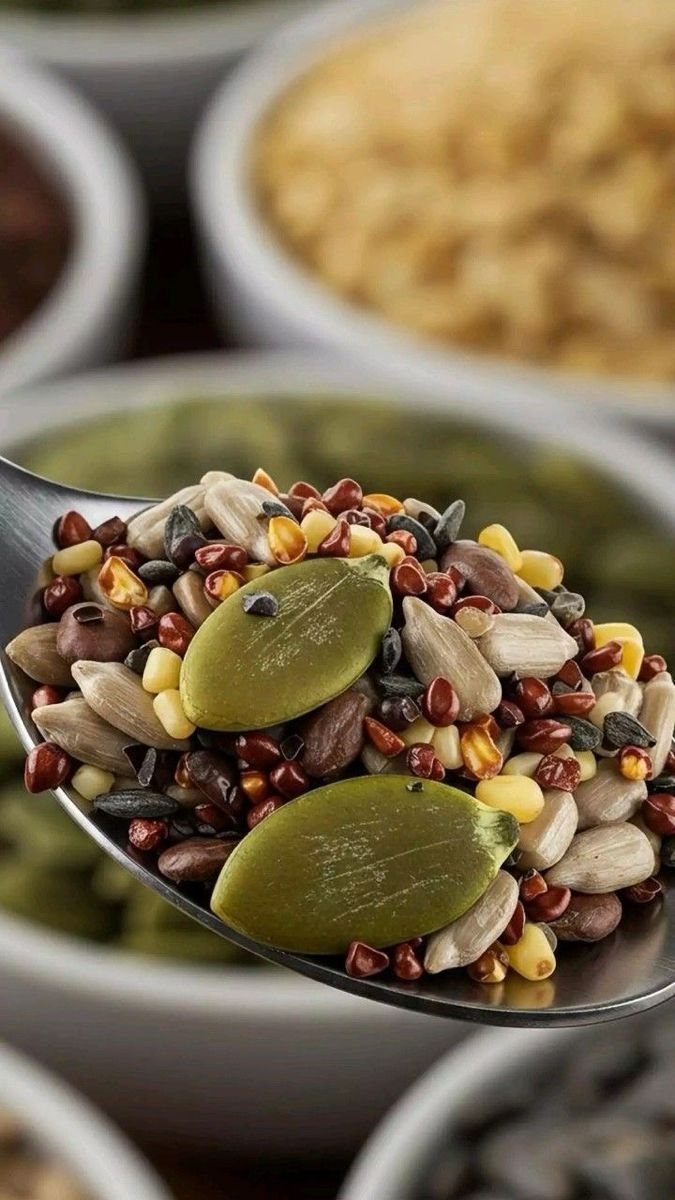
Pumpkin seeds and sunflower seeds bring zinc, selenium, and vitamin E, while whole grains add B vitamins that support scalp health. Seeds and whole grains are an easy addition to yogurt, oatmeal, or salad.
A tablespoon or 2 of seeds each day is enough to see the benefit.
Flaxseed, chia, and hemp seeds also contribute protein and omega-3s. Buy them raw and store them in the fridge so they don’t go rancid.
Hair Loss Has Multiple Causes
Hair loss in women has multiple causes, and many of them sit outside your control.
If female-pattern hair loss runs in your family, it appears as slow, steady thinning rather than sudden shedding. Hormonal shifts during pregnancy, postpartum, perimenopause, or from thyroid disorders can all contribute.
Stress, iron deficiency, and chronic undereating also play a role.
Pregnancy, menopause or a stressful few months can redirect nutrients away from hair follicles. Cortisol production rises, and cells lose the energy they need to repair themselves.
Nutrient deficiencies weaken hair structure and slow growth. Low iron means less oxygen reaches the follicle, and strands come in weaker and more prone to snapping.
Omega-3 deficiency causes a dry, itchy scalp and brittle strands. Without enough zinc, hair shafts weaken and the whole growth cycle slows down.
If you notice sudden increased shedding, see your GP to rule out serious causes.
Deficiencies and Supplements
If you eat a reasonably varied diet, you’re already getting the biotin you need, and the research for supplementing beyond that is thin.
Supplements fill gaps when your diet leaves them or when blood tests confirm a deficiency, but they are not a substitute for whole foods.
Follicles pull from a long list of vitamins and minerals during each growth phase, almost all of which come from what you eat.
A 2011 trial found that omega-3 supplements might lower UV damage to skin.
Always consult a provider before supplementing. Most nutrients come through food alone, and long-term supplementation carries risks.
Use supplements alongside the foods you eat, not in place of them.
Diet Alongside Hair Care
Staying hydrated keeps the scalp from drying out, which in turn keeps strands from breaking as easily.
Reducing sugar and processed foods improves overall hair health. Prolonged stress can push hair out of its active growth phase, so keeping stress in check helps.
Avoid excessive heat styling and harsh chemical treatments, which damage and weaken strands. Adequate sleep supports overall body regeneration and promotes healthy hair growth.
Try salmon, nuts, avocados, and fruits and vegetables. Limit ultra-processed and sweetened foods to decrease inflammation and dehydration, which affect hair, skin, and nails.
You don’t have to eliminate them completely, but cutting back helps.
Frequently Asked Questions
What to eat for female hair loss?
Fatty fish like salmon, eggs, spinach, and oysters all address different causes of thinning. Salmon brings omega-3s and protein, eggs supply biotin, spinach provides iron, and oysters deliver zinc.
How to increase hair growth naturally in females?
Eat fatty fish, leafy greens, eggs, and seeds for the nutrients follicles need during each growth phase.
What is good for hair growth and thickness?
Nutrient-rich foods like salmon, nuts, avocados, and leafy greens support the natural growth cycle and strengthen strands. Don’t overwash, go easy on the flat iron, and let your scalp keep some of its own oil.
What to eat to stop hair fall immediately?
Eggs and leafy greens address the most common causes quickly. Eggs provide biotin and protein for hair structure, while leafy greens boost iron levels, and low iron often triggers shedding.
Does food impact hair, skin, and nails?
Every strand of hair is made of cells that need ongoing nutrition.
Research links nutrient deficiencies, particularly protein, iron, and zinc, with thinning, breakage, and shedding. Keratin is a protein, so the building blocks have to come from somewhere.
What are the best vegan foods for hair, skin, and nails?
Flaxseed and chia seeds offer plant-based omega-3s, though the body converts them less efficiently than fish-based sources.
Dark leafy greens provide iron, and pumpkin seeds bring zinc. Lentils give you protein and several B vitamins that keep the scalp running properly.