Regrowing a thinning hairline takes 3 to 6 months of steady effort before the mirror shows real progress, and the method that works depends on what caused the loss in the first place.
Friction from tight styles responds to a satin bonnet worn nightly, scalp massage increases blood flow with 5 minutes of circular pressure, and a diet low in biotin can improve with 5,000 to 10,000 micrograms daily.
If hair is falling in clumps or shedding from your eyebrows, contact a doctor before starting home care.
1. Scalp Massage
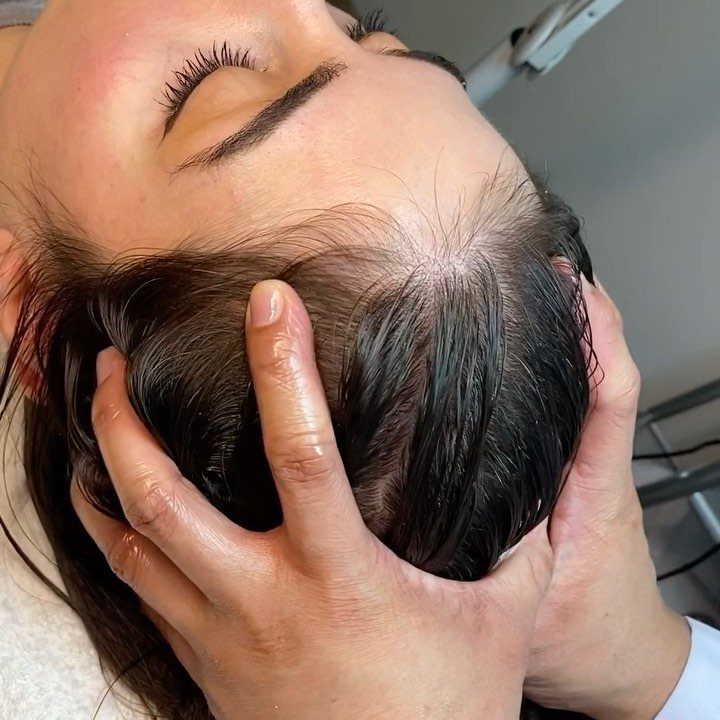
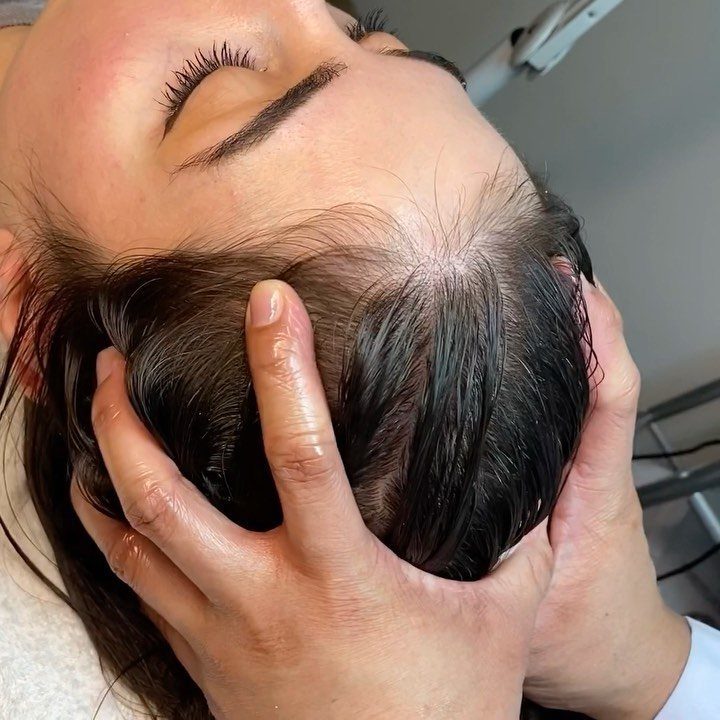
Massage increases blood flow to the follicles, which can encourage growth over time.
Use your fingertips to apply gentle pressure in circular motions across the scalp, focusing on the hairline where thinning starts. 5 minutes each day is enough to see results after a few months.
I find it easiest to massage while shampooing, but doing it dry works just as well. Daily pressure matters more than how long each session runs.
2. Biotin Supplements

Biotin supports keratin production, the protein that makes up each strand.
A daily supplement can strengthen hair and reduce breakage if your diet lacks this vitamin. Most bottles recommend 5,000 to 10,000 micrograms per day.
Results take time, and I stick with it long enough to see thicker regrowth. If hair loss is sudden or severe, see a doctor first to rule out other causes before starting any supplement.
3. Protective Bonnet

A satin or silk bonnet prevents friction while you sleep, which protects fragile edges from breaking against cotton pillowcases. The smooth surface lets hair glide instead of catching and pulling with every turn.
Wear it every night to see less breakage after a few weeks.
I prefer satin for its durability and lower price, but silk works the same way. If a bonnet feels too warm, a satin pillowcase gives similar protection.
Hair Loss Causes Differ
Thinning at the hairline can stem from genetics, hormonal shifts, stress, or friction from tight styles and rough fabrics.
Women often see diffuse thinning rather than the sharply receding pattern more common in men, and the cause shapes which treatment will help.
Dihydrotestosterone (DHT) shrinks follicles in those who are genetically sensitive to it, while high stress can push hair into a resting phase that leads to shedding. Shifting hormones after pregnancy or during menopause can push hair into shedding mode too.
Damage from coloring, perming, or constant tension adds to the problem. Identifying the cause lets you match the solution: a supplement won’t reverse traction alopecia, and a bonnet won’t fix a hormone imbalance.
“One of the biggest myths is that all hair loss is treated in one way,” says Crystal Aguh, M.D., an associate professor of dermatology and director of the Ethnic Skin Program at Johns Hopkins School of Medicine.
— ELLE
Seek Medical Advice
If you notice clumps of hair in the drain, excessive shedding on your pillowcase, or hair falling from your eyebrows or eyelashes, contact a doctor. Sudden loss or anything that leaves you worried warrants a professional evaluation.
A dermatologist will look at your scalp, check your nails, do a gentle pull test on a few strands, and may order bloodwork or take a tiny scalp sample if something deeper is going on.
They’ll also ask about family history to help diagnose the cause.
Hair loss can signal an underlying health condition, and early diagnosis opens up clinical treatments that may work faster or more completely than home care alone.
Regrowth Takes Time
You need 3 to 6 months of steady effort before the mirror shows real progress. 3 weeks won’t give you visible length, but shedding may ease and your scalp should feel calmer.
Hair growth varies by person, and edges can be slower to respond than the rest of the scalp. After a few months of protecting fragile strands and supporting the follicle, thicker regrowth starts to appear.
I check progress every 8 weeks rather than daily, which keeps me from abandoning something that actually works. The timeline is long, but the effort compounds.
Frequently Asked Questions
What are some hacks to make my hair grow faster?
Daily scalp massage, biotin supplements, and a protective bonnet at night can speed growth by supporting follicles and preventing breakage.
Regular trims remove split ends before they travel up the shaft, which keeps length instead of losing it to damage. Progress takes months, so stick with what you start.
How long does it take for baby hairs to grow?
Most baby hairs need 3 to 6 months of consistent treatment before you’ll measure real progress. Edges grow slower than the rest of the scalp and need consistent moisture and protection from friction to avoid breaking before they fill in.
How to get a better hairline as a woman?
Female pattern loss typically spreads thinning across the scalp instead of pulling one line back, which means massage, supplements and friction-free fabrics do their best work alongside a routine that holds moisture in.
Address the cause first, whether hormones, stress, or tension from tight styles, because the fix depends on what started the loss.
Can you regrow a hairline naturally?
Mild thinning may respond to massage, supplements, and protective care if you start early, but advanced loss from genetics or long-standing DHT sensitivity often needs clinical treatment.
Natural methods support follicle health and can slow progression, though they rarely reverse severe cases completely.
Why is my hairline receding at 16–17 years old?
Genetics can trigger thinning as early as adolescence, though stress, hormones, or an underlying condition may also be responsible. See a dermatologist to identify the cause and discuss treatment options, because early action preserves more hair.