Most of these treatments take 2 to 4 months before you see less shedding or any new growth, and the first sign is usually reduced fallout rather than thicker hair.
If your hair loss is sudden or comes with bare patches, see a dermatologist first; bloodwork can rule out thyroid problems or nutrient gaps that no topical will fix.
For slower thinning or breakage, rosemary oil applied with a dropper, peppermint oil diluted in a carrier, scalp massage with your fingertips, and a dedicated hair growth serum all support circulation at the follicle without synthetic actives.
1. Hair Growth Shampoo
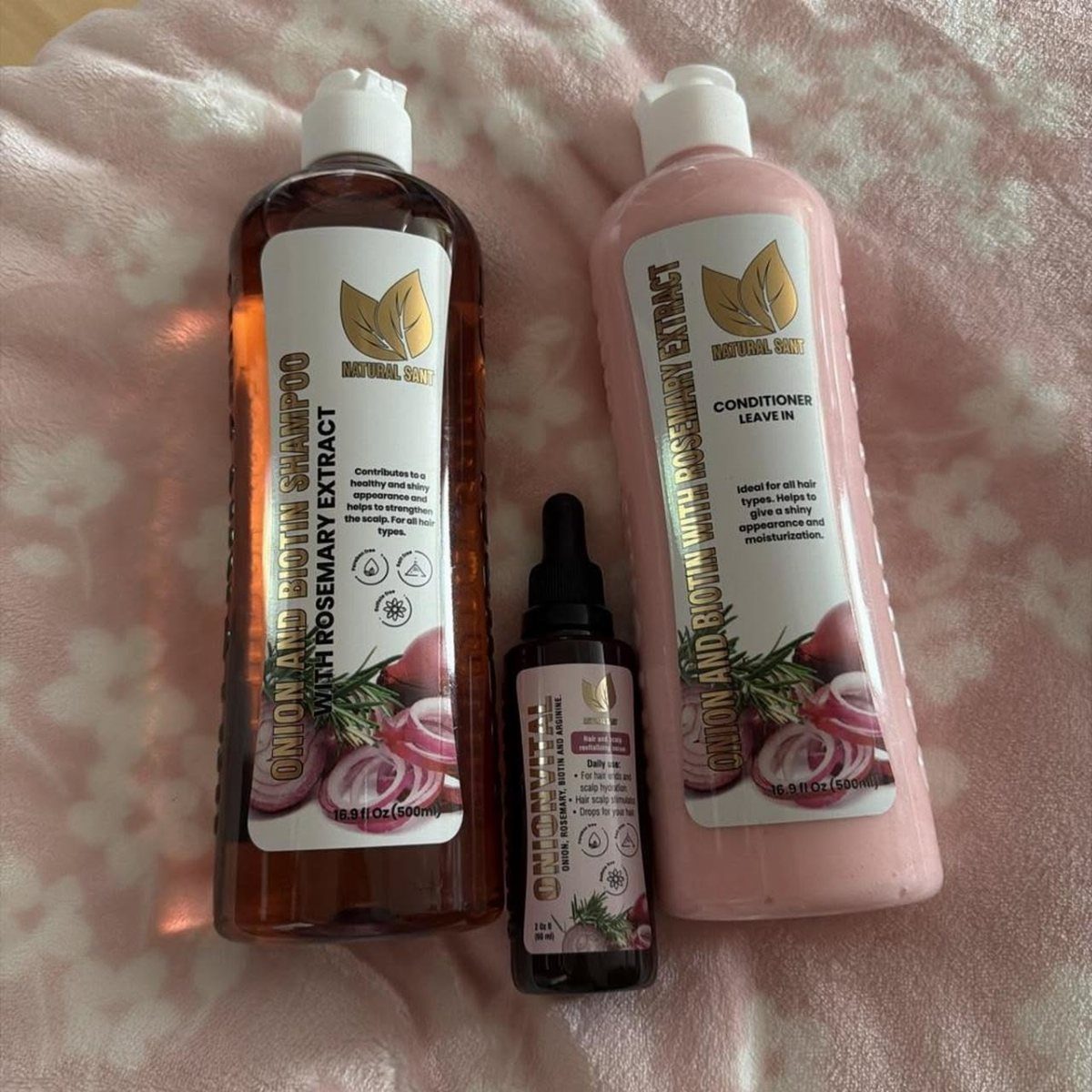
Hair growth shampoos use ingredients like biotin, caffeine, rosemary extract or onion extract to help create an environment where hair can grow stronger and thicker.
The onion and biotin formula visible here is one approach; rosemary versions are another common choice.
Most work best when you massage them into the scalp, leave for 2 minutes, then rinse.
I’d pair them with a matching conditioner if your hair needs moisture, but the shampoo alone is enough if you’re trying to keep your routine simple.
They won’t reverse genetic hair loss, but they can support a healthier scalp and reduce breakage.
2. Peppermint Oil
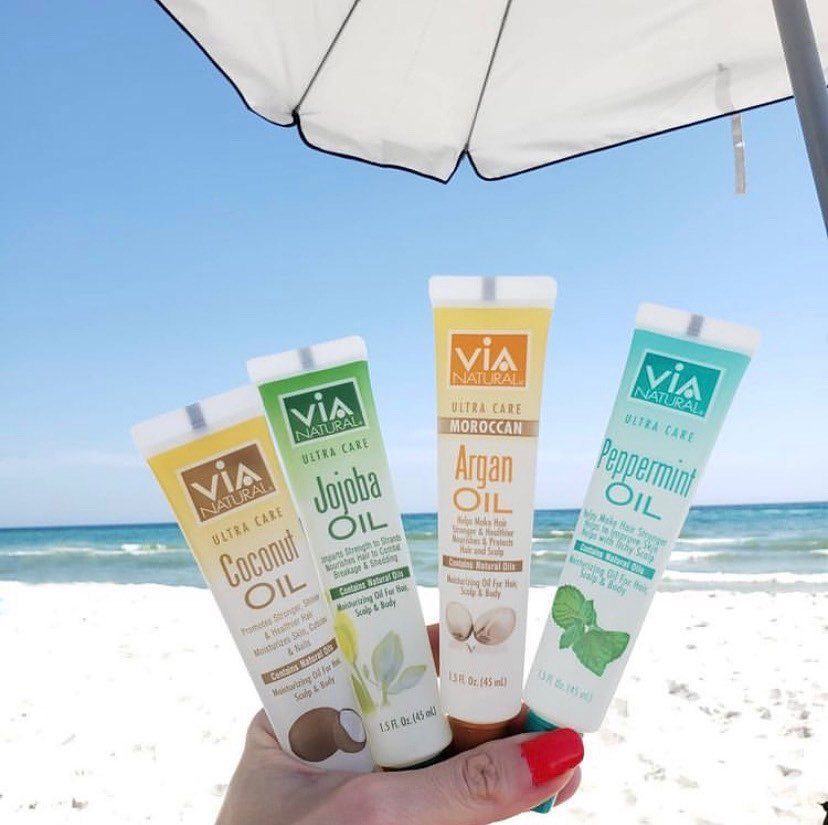
Peppermint oil is used on the scalp to stimulate circulation, which some people find helps hair grow faster or fuller. The menthol gives a cooling, tingling sensation that tells you it’s working.
Dilute it first.
I’d mix 2 to 3 drops into a tablespoon of a carrier oil like jojoba or coconut oil, massage it into the scalp, and leave it for at least 30 minutes before washing out. Straight peppermint oil is too strong and can irritate.
Some prefer adding a few drops to shampoo instead, but direct scalp application lets you control where it goes.
3. Scalp Massage
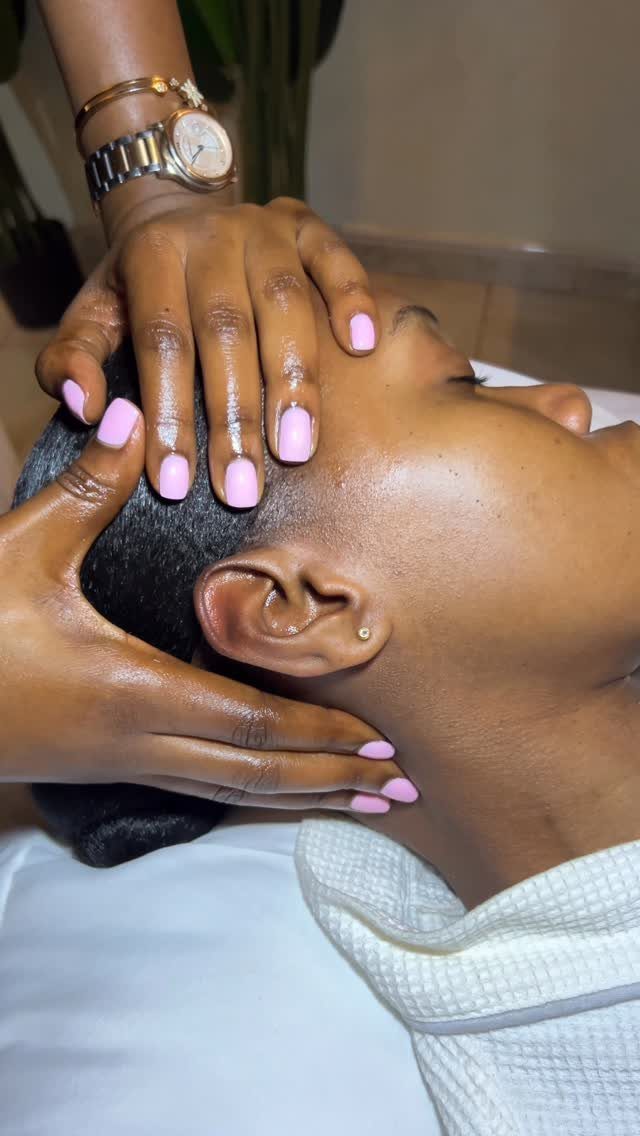
A scalp massage increases blood flow to the hair follicles, which can support healthier growth over time. It also loosens product buildup and helps oils distribute more evenly.
Use the pads of your fingers, not your nails, and move in small circles across your scalp. You can do it dry before bed or in the shower with shampoo or a treatment oil already applied.
I find it relaxing enough to do daily, and it costs nothing. Some people use a silicone massager tool, but hands work just as well.
4. Hair Growth Supplements
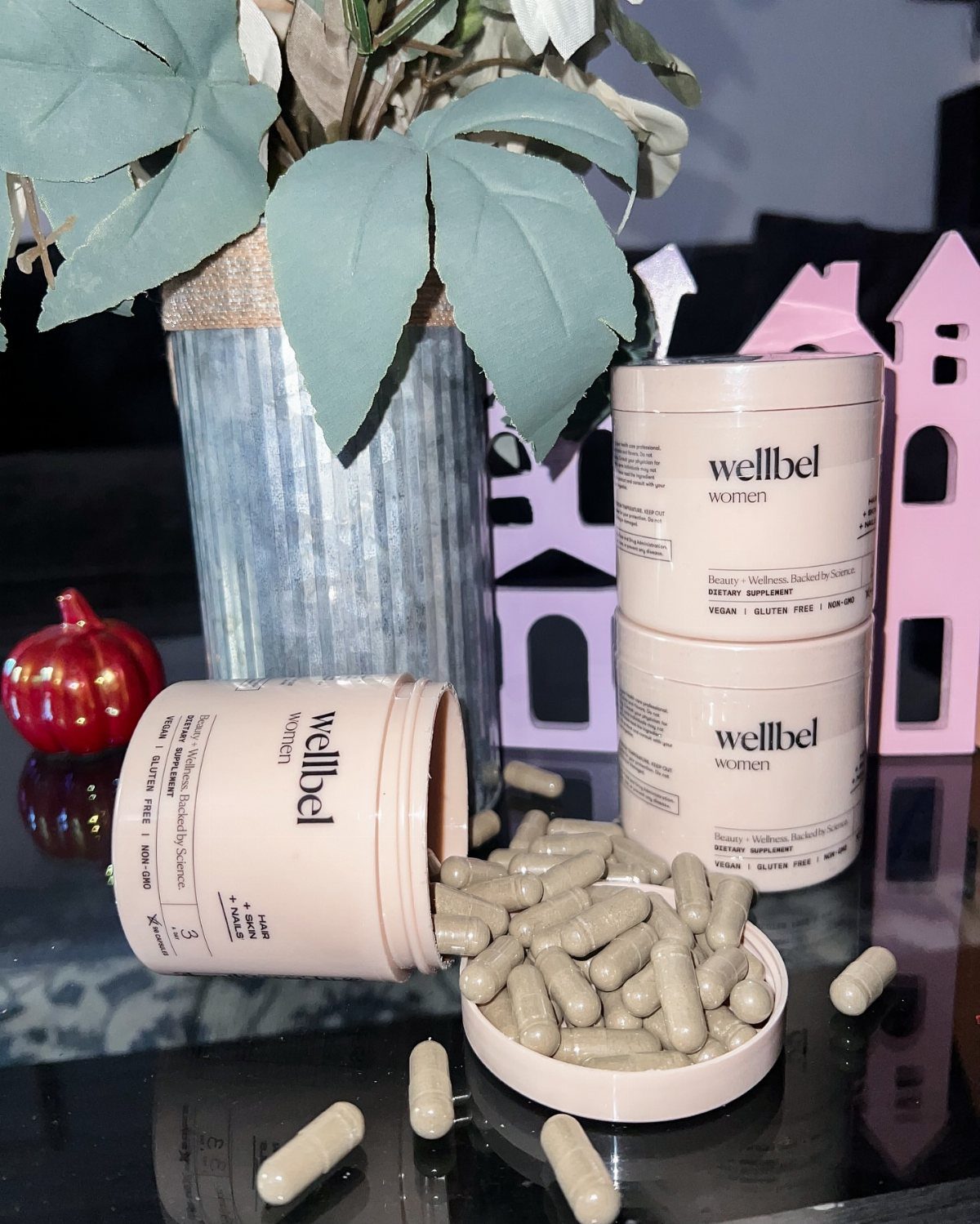
Results take time, so stick with them before judging whether they’re working.
I’d start with a formula that lists its active ingredients and dosages clearly, and check with your doctor first if you’re on other medication or have a health condition.
Supplements help when diet is the problem, but they won’t override genetics or hormonal hair loss.
5. Hair Growth Serum
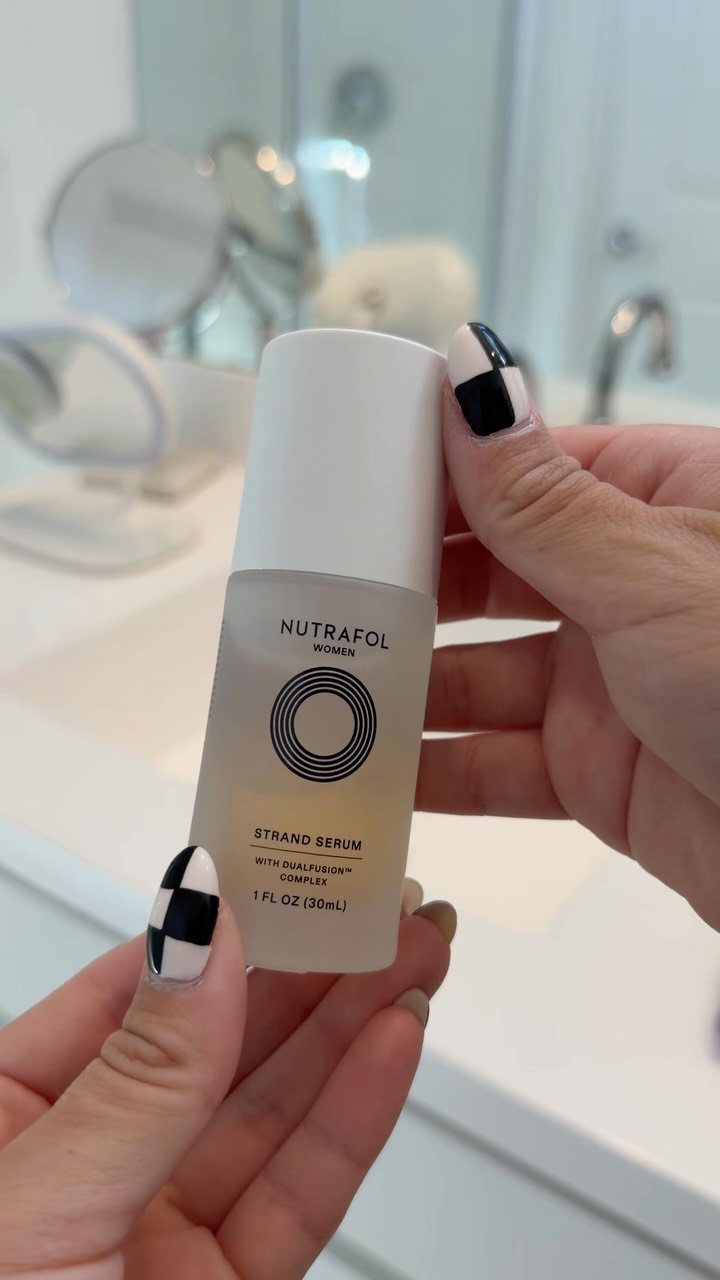
A hair growth serum is a leave-in formula applied directly to the scalp or hairline to encourage thicker, fuller hair. Look for peptides, caffeine or plant extracts that work at the follicle.
Apply it to clean, dry or damp scalp, part your hair into sections, and use the dropper or applicator to target thinning areas. Most recommend once or twice daily.
Serums work best when you’re consistent. Give it time before deciding whether it’s helping, and if you stop, any progress usually reverses.
6. Rosemary Scalp Oil Application
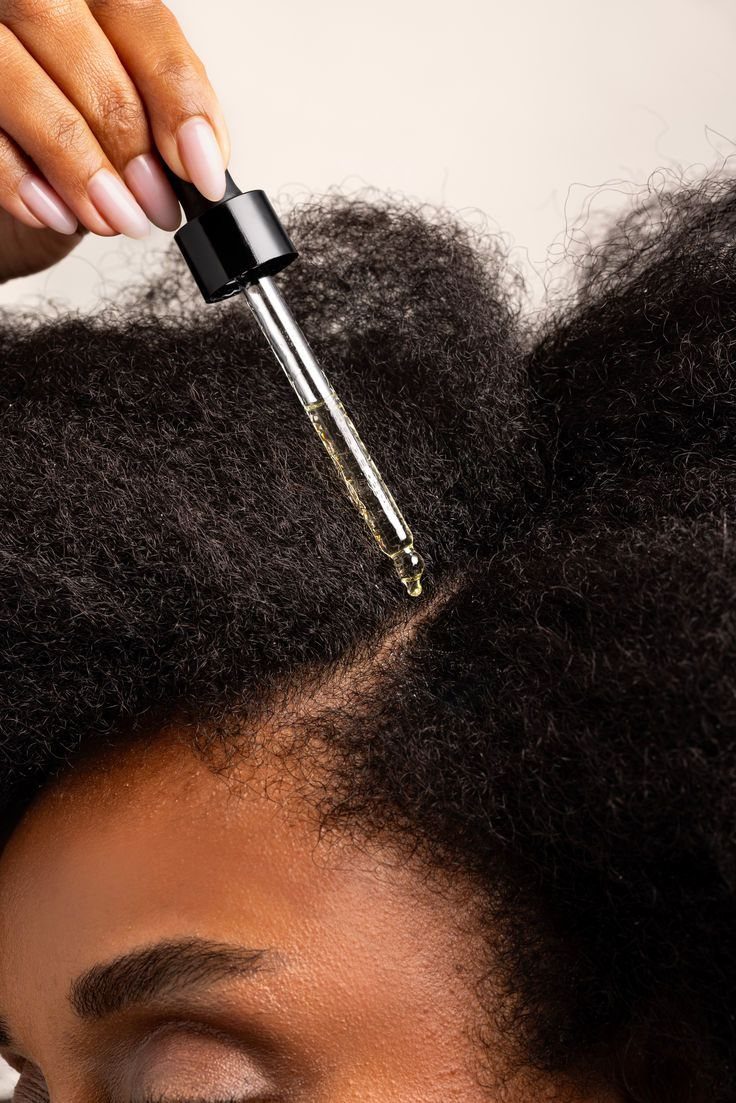
Rosemary scalp oil is applied with a glass dropper directly onto the scalp to support hair growth and improve circulation.
Part your hair into 4 to 6 sections, apply a few drops along each part, then massage it in with your fingertips. Let it sit for half an hour or leave it on overnight, then wash it out with shampoo.
Rosemary oil can irritate if used undiluted, so check that your formula is already diluted or mix it yourself with a carrier oil first.
7. Rosemary Mint Hair Care Set
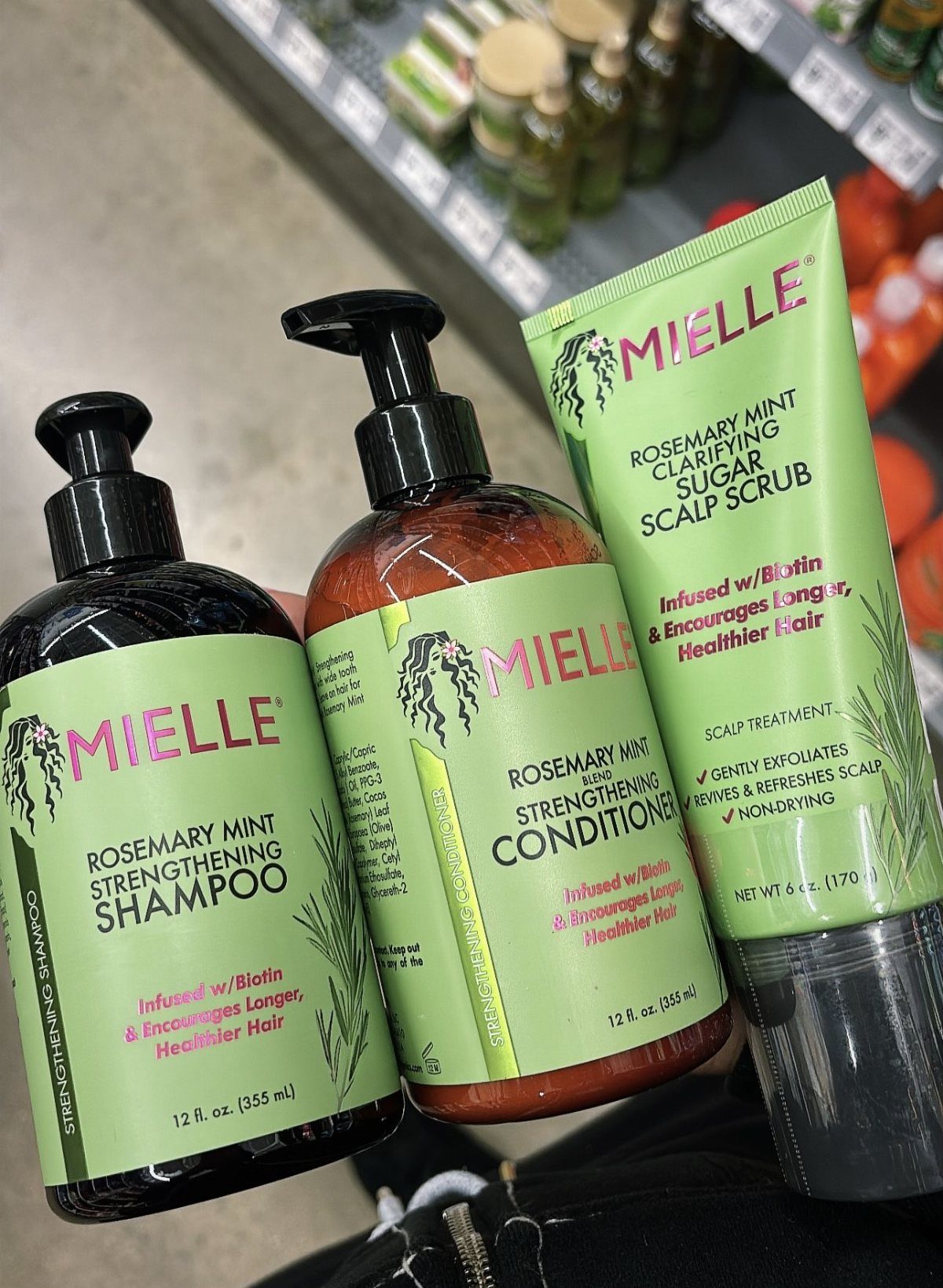
A rosemary mint set combines shampoo, conditioner and a scalp scrub in one purchase, so you get a full routine built around the same ingredients.
The scrub exfoliates the scalp before shampooing, which helps the active ingredients in the shampoo absorb better. Use it weekly, work it gently across wet scalp with your fingertips, then rinse and follow with shampoo and conditioner.
Sets like this are convenient if you’re starting from scratch, but you can also buy a rosemary shampoo alone and pair it with whatever conditioner you already have.
Identify Causes of Hair Loss
Hair can thin for reasons that fall into a few broad groups: genetic predisposition, hormones, physical stress, and how you treat it day to day.
Androgenetic alopecia runs in families and links to higher levels of DHT, a hormone that shortens the growth phase of hair.
Women often shed hair after childbirth, and there’s no way to speed the regrowth; it returns on its own over several months.
Alopecia areata, certain medications, nutritional gaps, and tight hairstyles that pull at the root can all trigger loss.
If shedding increases suddenly or you notice widening parts or bare patches, see a dermatologist.
Bloodwork can check nutrient levels and rule out thyroid or hormonal causes, and treating the underlying problem is the only reliable path forward when one exists.
Normal shedding sits around 50 to 100 hairs daily; more than that warrants a closer look.
Set Expectations for Results
Natural remedies and supplements take months before you see a difference, if they work for you at all.
The hair you see today has already gone through most of its growth phase; treatments affect what grows next, not what’s already there.
With a clinically supported supplement, expect to wait 2 to 4 months before anything changes.
The first sign is usually less shedding, not new growth. Minoxidil, the one topical with solid evidence behind it, takes 3 to 6 months to show regrowth, and stopping it typically brings the shedding back.
Consistency matters more than the formula. Pairing any treatment with decent sleep and nutrition helps, but no product reverses genetic loss or fixes a hormonal problem on its own.
Studies show that you’ll see an improvement in hair shedding and thickness in three to six months of use, thanks to its main ingredients: saw palmetto, which fights shrinking hair follicles, and collagen, which stimulates growth.
— Glamour
Protect Hair from Damage
Heat tools, tight hairstyles, and rough handling all weaken hair and break it before it reaches its full length.
When you blow-dry, stick to the coolest setting that will still get the job done.
Flat irons should run cool and stay infrequent, ideally every other day at most. Towel drying or air drying removes one heat source entirely.
Avoid slicked-back styles, cornrows, braids, and extensions that pull at the root. Loose styles put less strain on each strand and reduce breakage around the hairline.
When you wash, work gently.
Scrubbing too hard or brushing aggressively damages both the hair shaft and the scalp underneath. Choose products that match your hair type and rinse thoroughly so nothing builds up and weighs it down.
A protein-rich diet may help alongside other treatments, and the Mediterranean diet has shown some benefit in research on alopecia.
Frequently Asked Questions
What causes hair loss?
Genetics, hormone shifts, stress, nutrient shortfalls, medications, and constant tension from tight styles can all trigger loss. Androgenetic alopecia involves DHT shrinking the growth window, and postpartum shedding typically stops on its own after a few months.
If you see a sudden jump in shedding or a wider part, get bloodwork done; fixing a thyroid or hormone issue is the real solution when one turns up.
Can you grow hair faster and thicker naturally?
Natural remedies and supplements may help when hair loss or damage links to a nutritional deficiency, but results take months and depend on the cause.
A strand lengthens about half an inch each month, so reaching shoulder length from the root takes years even when everything goes right.
How long does it take for hair supplements to show results?
Clinically supported supplements take 2 to 4 months before anything changes.
Decreased shedding shows up first, not new growth. Sticking with the routine beats switching formulas, and solid sleep plus balanced meals make everything work better.
What should you look for in hair-growth products?
Check that the label spells out actives and amounts: biotin, caffeine, rosemary extract, peptides, or follicle-targeting botanicals.
Products with published clinical studies behind them carry more weight than vague claims. Check how the ingredients are sourced and whether the formula is diluted properly if it includes strong oils like peppermint or rosemary.
How often can you use hair-growth products?
Most serums call for one or two applications a day on clean, dry or slightly damp scalp.
Shampoos work best when massaged into the scalp, left for 2 minutes, then rinsed. Scalp scrubs exfoliate weekly before shampooing to help active ingredients absorb better.
What do dermatologists recommend for hair growth management at home?
Dermatologists support products like Viviscal Pro, Nutrafol, and Rogaine, which have published clinical studies backing their effectiveness.
Viviscal Pro contains vitamin C, apple extract, and measured biotin, while Nutrafol includes curcumin and ashwagandha. Minoxidil widens blood vessels feeding the follicles and typically shows regrowth after 3 to 6 months.
Can red-light therapy help with hair growth?
Red or low-level laser light may wake up follicles and thicken hair by boosting cell activity and stretching the growth phase.
Research supports it as a noninvasive option for regrowth, though sessions need to be consistent and results take months to appear.