High porosity hair holds moisture for 15 to 30 minutes after washing, then loses it all to frizz and breakage. Fixing that takes sulfate-free cleansing, weekly deep conditioning, and a layering sequence that seals hydration before it evaporates.
Most people skip the protein step or time the oil wrong, which is why their hair still feels dry an hour later even when they conditioned twice.
1. Cleanse Gently With Sulfate-Free Shampoo
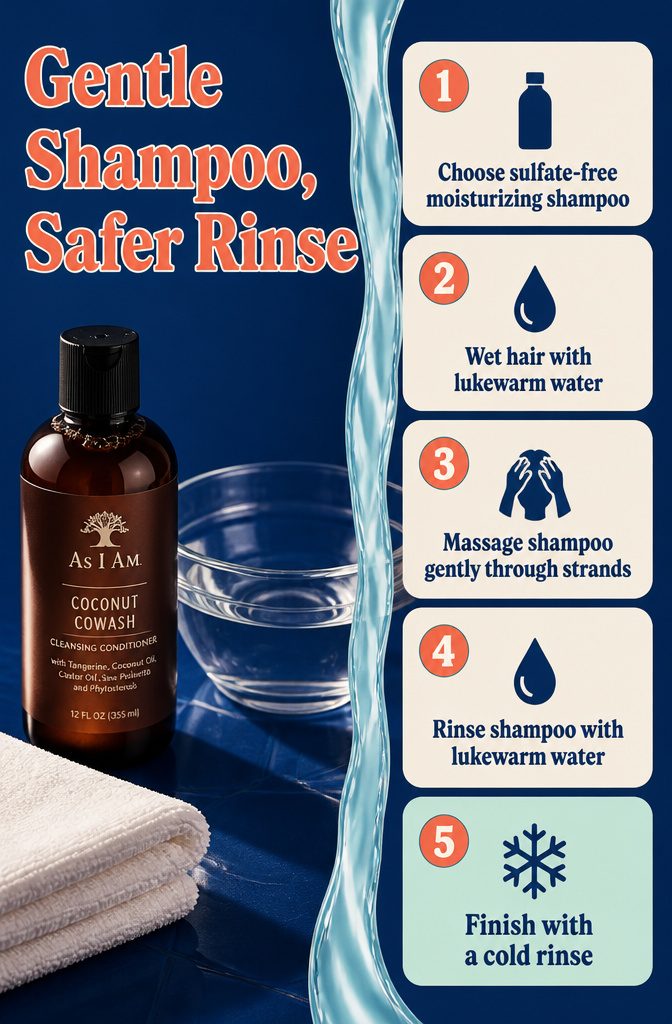
High porosity hair lets moisture in fast, but it loses moisture just as quickly.
The cuticle’s already lifted, so harsh sulfates strip what little protection remains and leave the strand even more exposed. A sulfate-free, moisturizing shampoo cleans without dismantling the natural lipid layer.
Look for formulas with panthenol, behentrimonium chloride, or plant oils built into the cleanser itself. As I Am Coconut CoWash and Aveda Be Curly Advanced Shampoo both fit the profile.
If you co-wash between shampoo days, still use a real shampoo at least once a week to prevent buildup, which blocks hydration instead of trapping it.
Lukewarm water matters more than most people think. Hot water opens the cuticle further, letting moisture escape faster.
Wash with lukewarm water and finish with a cold rinse to seal the cuticle back down. That final step gives the strand a fighting chance at holding what you just conditioned in.
2. Condition and Deep Condition to Retain Moisture
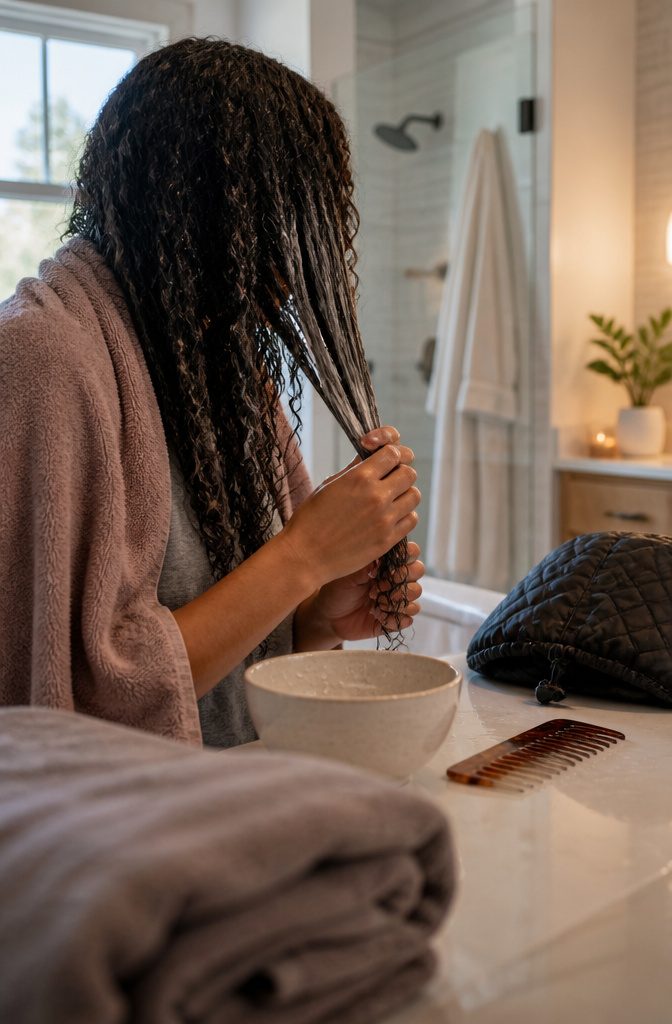
A rinse-out conditioner every time you wash is the baseline. High porosity hair needs something that moves easily enough to work through tangles but rich enough to coat every strand.
Look for formulas with slip that help detangle without silicones, which build up fast on porous hair and block the moisture you’re trying to get in.
Deep conditioning once a week helps hair hold onto hydration instead of losing it hours after you wash. I look for masks with nourishing oils and fatty acids that fill the gaps raised cuticles leave open.
You can use intensive treatments as often as you wash if your hair needs the recovery, or dial back to weekly once it stabilizes.
Either way, leave the mask on for at least twenty to thirty minutes so it has time to penetrate. A heat cap or warm towel over the top pushes it deeper into the strand, and the difference is noticeable.
3. Add Protein or Bond Repair Every Two to Three Weeks
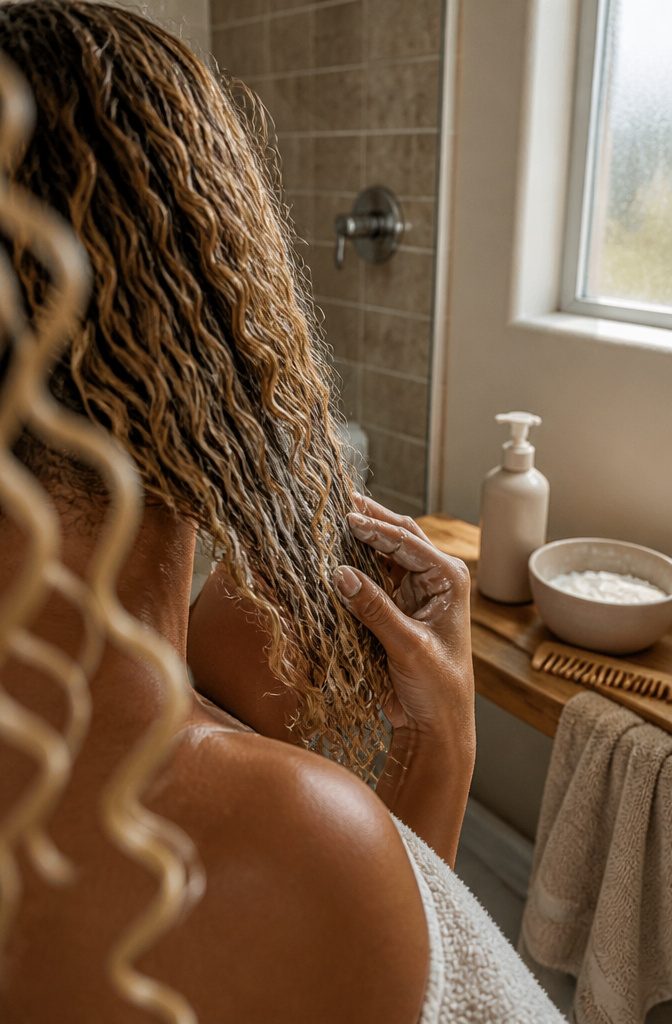
Protein treatments help fill the gaps in lifted cuticles, temporarily patching weak spots so moisture has fewer places to escape.
For high porosity hair that loses hydration as quickly as it takes it in, this step strengthens strands and improves elasticity.
But balance matters. Too much protein leaves hair stiff and brittle, so I use a protein treatment or bond repair product every two to three weeks and follow immediately with a moisturizing deep conditioner.
If your porosity came from bleach or color, bond repair goes a layer deeper.
Olaplex No. 3 reconnects broken disulfide bonds inside the cortex before the rest of your routine addresses the surface. I apply it to dry or damp hair before washing, leave it on, then move into conditioning.
Hair that feels strong and supple after treatment is balanced. Stiffness means you’ve overdone it and need to pull back.
4. Layer Moisture and Seal It in LOC Order
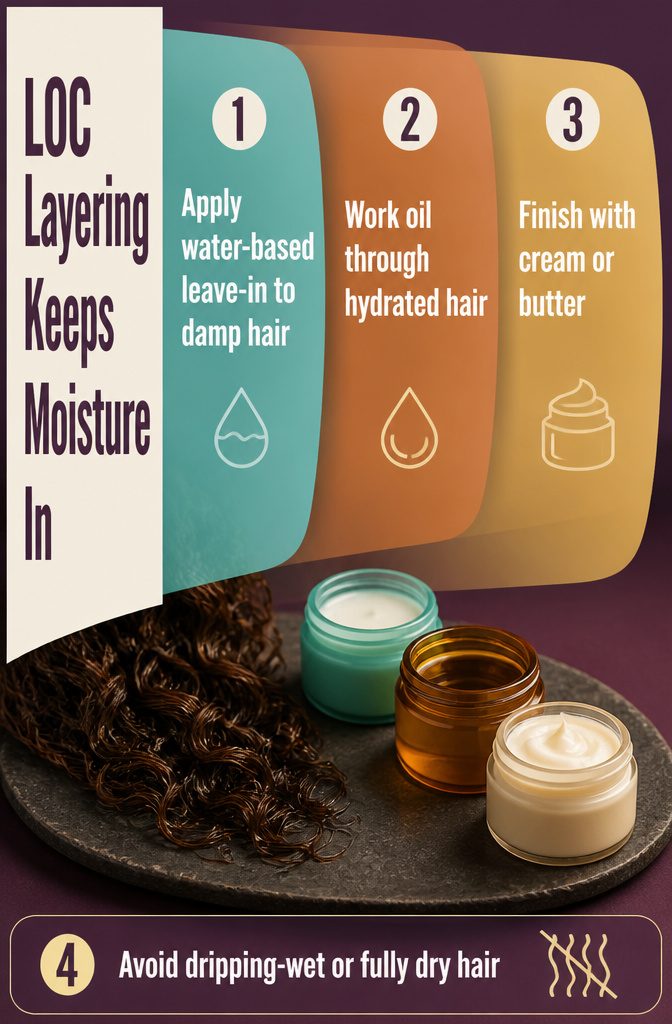
The LOC sequence gives high porosity hair a fighting chance at keeping moisture longer than the few hours it usually manages.
You apply a water-based leave-in conditioner first, while hair is still damp but not dripping. That puts hydration directly on the strand.
Next comes oil to seal the cuticle, slowing evaporation before it starts. Finish with a cream or butter that locks the whole system in place and smooths frizz or adds definition depending on what you need that day.
Oil should be layered when the hair is hydrated but not dripping wet, so it can seal moisture inside the cuticle rather than just coat the surface.
— Allure
Timing matters more than product weight here.
If you wait until hair is fully dry, the oil just glosses the surface. If it’s soaking wet, oil slides off and seals nothing.
For the oil step itself, jojoba, castor and avocado work well on high porosity hair because they are thick enough to sit over the lifted cuticle without being so heavy they cause buildup.
Argan and grapeseed are lighter options if your hair is fine or gets weighed down easily. Warm a small amount between your palms and work through mid-lengths to ends, where porosity damage tends to concentrate.
The cream you finish with can be richer if your hair is thick and coarse, lighter if it’s fine and needs definition without weight.
5. Protect Hair and Limit Further Damage
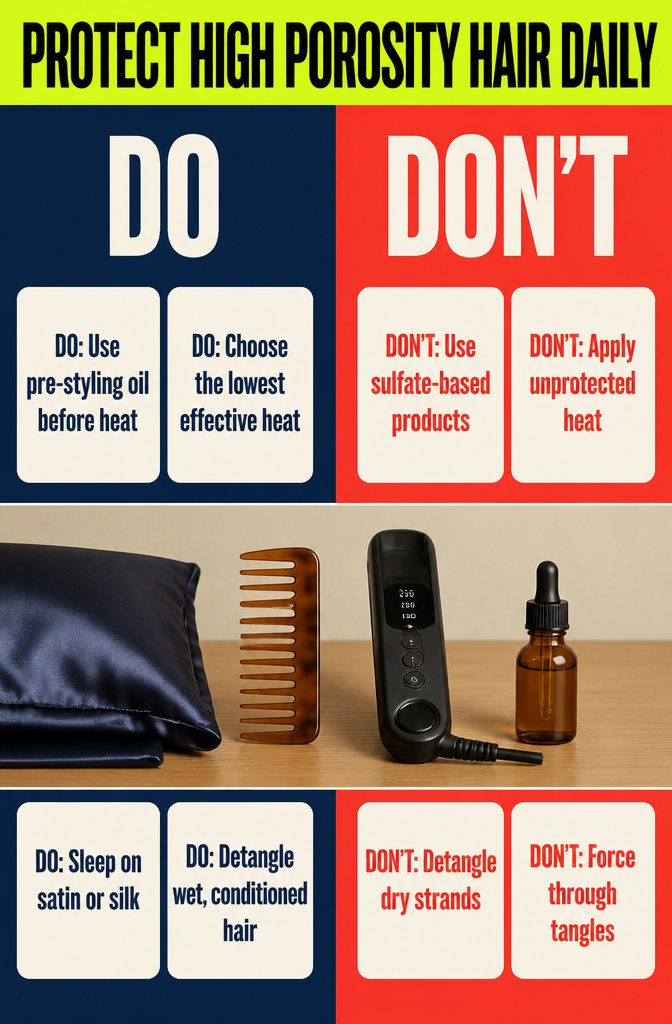
High porosity hair has already taken damage, and rough handling accelerates the decline. Skip sulfate-based products and unprotected heat—both lift the cuticle further and strip moisture you worked to seal in.
When heat is necessary for drying or setting curls, coat strands with a pre-styling oil first and use the lowest temperature that gets the job done.
A heat tool with adjustable settings keeps you from overheating fragile sections that need only moderate warmth to dry.
Friction matters as much as temperature. Swap cotton pillowcases for satin or silk—cotton pulls moisture out while you sleep and creates drag that snags lifted cuticles.
Detangle only when hair is wet and coated with conditioner or a slip product; dry detangling on high porosity strands causes breakage fast. A wide-tooth comb works better than a brush, and patience wins over force every time.
What High Porosity Means and Why It Happens
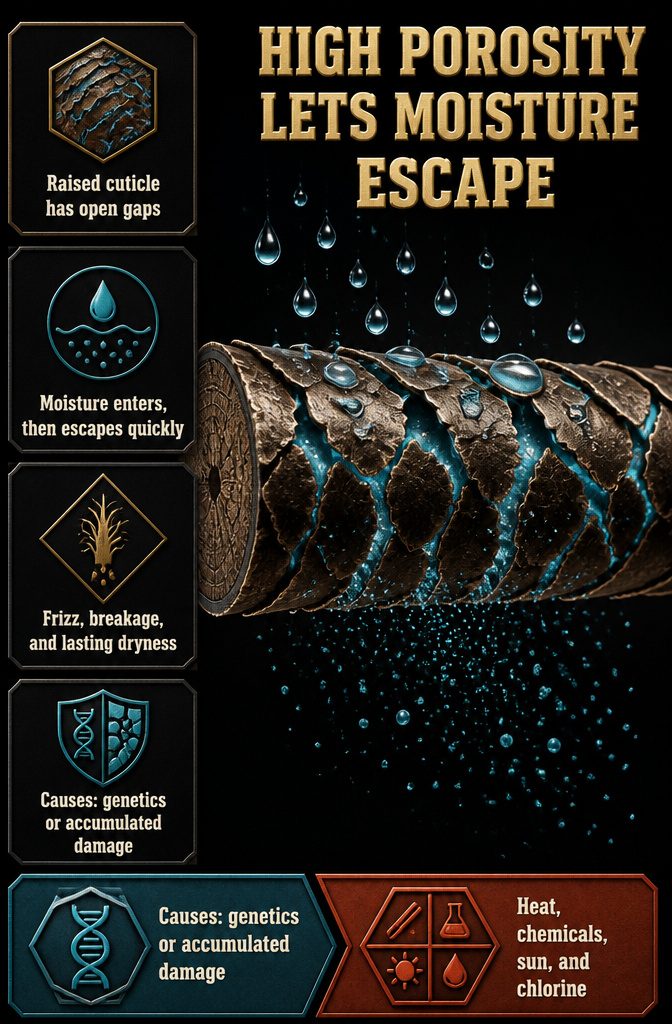
High porosity hair has a cuticle that sits raised or damaged, full of gaps and lifted edges that let water and product rush in fast but fail to hold it.
The structure works like a roof with missing shingles: moisture enters easily, then escapes just as quickly once the hair starts drying.
The result is frizz, breakage, and hair that feels dry hours after washing, even though it absorbed everything you applied.
The causes split between what you inherit and what you do. Some people are born with naturally porous hair, a genetic trait that makes moisture retention harder from the start.
More often, high porosity develops from damage: repeated heat styling without protection, chemical processing like bleach or relaxers, or environmental exposure to sun and chlorine.
Each instance lifts the cuticle further, creating more openings for moisture to slip through and leaving hair fragile and prone to breaking.
How to Recognize High Porosity Hair
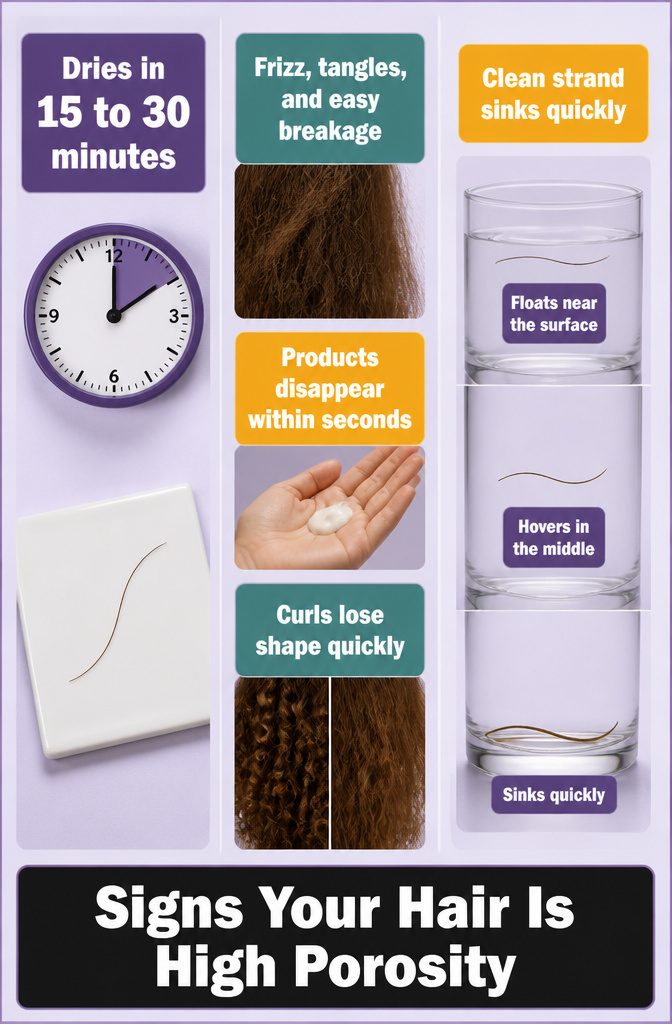
High porosity hair drinks water the instant you wet it, then dries in 15 to 30 minutes after washing.
If your hair feels bone-dry an hour after stepping out of the shower, you are looking at raised cuticles that let moisture rush in and evaporate just as fast.
Frizz and tangling follow the same logic. The lifted scales snag on one another, especially in humidity, and strands break more easily than hair with a smooth surface.
You may also notice that oils and conditioners vanish into your hair within seconds, leaving you reaching for more product than usual, and that curls or waves lose their shape faster than they used to.
The water-glass test gives you a quick read.
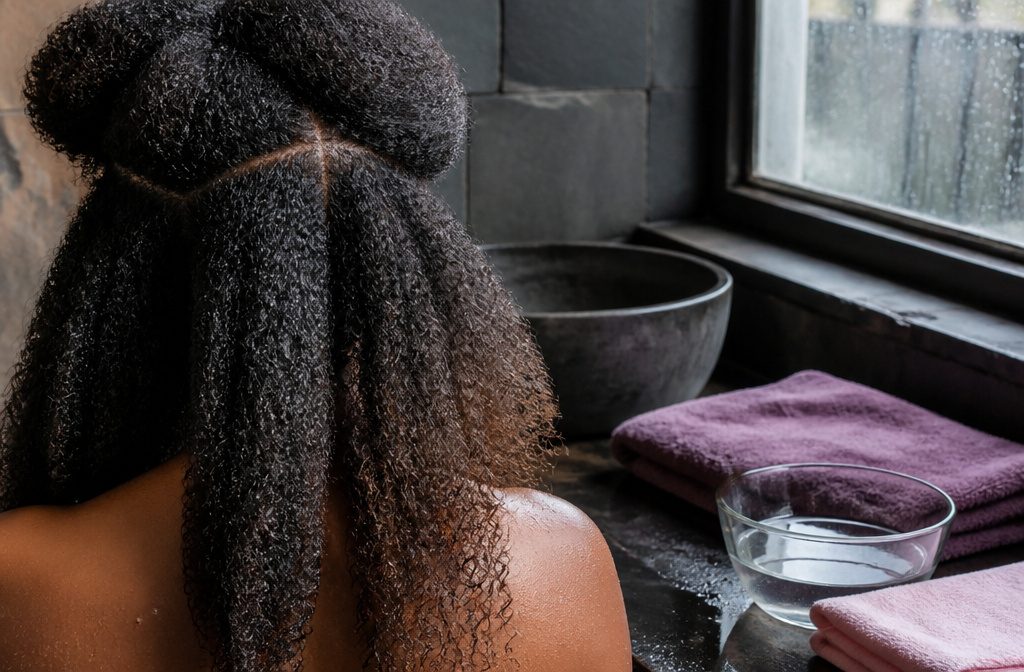
Take a clean strand, free of any conditioner or oil, and drop it into a glass of water. If it sinks quickly, you likely have high porosity hair.
A strand that floats near the surface suggests low porosity, while one that hovers in the middle lands closer to normal. The test is not lab-grade, but it lines up well with what you see in the mirror.
Frequently Asked Questions
How do I know if I have high porosity hair?
Drop a clean strand into a glass of water.
If it sinks quickly, you likely have high porosity hair. You can also watch how fast your hair absorbs water when you wet it or spray it: high porosity hair drinks moisture instantly but dries within 15 to 30 minutes after washing.
What causes high porosity hair?
High porosity develops from genetics or damage. Some people are born with naturally porous hair, but most cases come from repeated heat styling, chemical processing like bleach or relaxers, or environmental exposure to sun and chlorine.
Each instance lifts the cuticle further and creates more gaps for moisture to escape.
What’s the difference between low porosity and high porosity hair?
Low porosity hair has a tight cuticle that resists moisture and struggles to let it in.
High porosity hair has a lifted or damaged cuticle that absorbs moisture fast but can’t hold onto it. Both types can feel dry, but for opposite reasons.
What can I do to fix my high porosity hair?
Use sulfate-free shampoo, deep condition weekly, and seal moisture with the LOC method: leave-in conditioner, oil, then cream.
Add a protein treatment every 2 to 3 weeks to fill gaps in the cuticle, and protect hair from heat and friction to prevent further damage.
Does protein help high porosity hair?
Yes. Protein treatments fill the gaps in lifted cuticles, temporarily patching weak spots so moisture has fewer places to escape.
Use a protein treatment every 2 to 3 weeks and follow immediately with a moisturizing deep conditioner to keep hair from getting stiff or brittle.
How often should high porosity hair be washed?
Wash with a sulfate-free shampoo as often as your hair needs it, typically once or twice a week. If you co-wash between shampoo days, still use a real shampoo at least once a week to prevent buildup that blocks hydration.
Is coconut oil good for high porosity hair?
Coconut oil can work, but jojoba, castor, and avocado are better choices because they’re thick enough to sit over the lifted cuticle without causing buildup.
Apply oil to damp, hydrated hair after leave-in conditioner so it seals moisture inside instead of just coating the surface.
How often should I use Olaplex No. 3 on high porosity hair?
Use it every 2 to 4 weeks for most high porosity hair.
If your hair is severely damaged, you can apply it weekly during an initial repair period, then taper to monthly once hair health improves. Always follow with a moisturizing deep conditioner to maintain protein-moisture balance.
Is high porosity hair weak?
Not necessarily, but it’s more prone to damage and dryness because the open cuticle structure lets moisture escape fast. With proper hydration, protein treatments, and protective care, high porosity hair can stay strong and resilient.